







Search Results for: tea beverage black tea
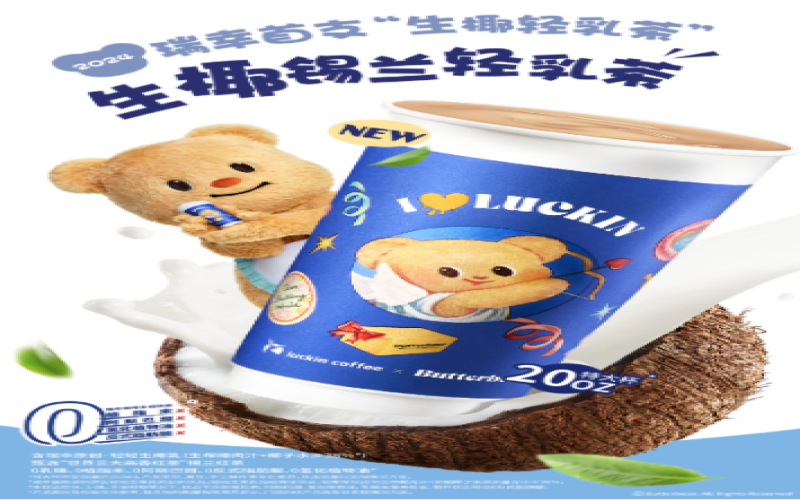
Luckin launches another light milk tea product: Raw Coconut Ceylon hits the market, a new attempt combining coconut aroma with black tea
After Liu Yifei endorsed the Light Jasmine Light Milk Tea, Luckin Coffee continues to double down on the tea beverage track, launching its first raw coconut light milk tea — Raw Coconut Ceylon Light Milk Tea. The new product uses raw coconuts imported from Southeast Asia, with freshly squeezed coconut meat juice and coconut water accounting for no less than 38%, paired with Ceylon black tea, and claims to be 0 lactose. Luckin's move is intended to deepen its "coffee in the morning, tea in the afternoon" all-scenario layout. However, many consumers on social media have reported that the product is too sweet, with the tea aroma and coconut flavor being rather weak, and professionals have also pointed out that the balance between tea and milk is less than ideal. This article will provide a comprehensive analysis of the new product's features, market strategy, and consumer reviews. [more…]

Milk tea shop "Black Coconut Strawberry Milk" investigated for illegal use of vegetable carbon black, food safety concerns resurface
In recent years, dark-themed beverages marketed for their "black" appeal have proliferated in the food and beverage market, attracting many curious consumers with their unique appearance. However, such products may harbor food safety risks. Recently, the Market Supervision Bureau of Xuhui District, Shanghai, discovered during an inspection of a milk tea shop that its "Black Coconut Strawberry Milk" was unusually dark black in color. An investigation confirmed that the staff had illegally added "vegetable carbon black" during preparation. This act violated food additive usage standards, and the shop was ordered to rectify the issue and was penalized. Notably, the brand involved is none other than "Benz Tea," which went viral last year, with its first Hangzhou store setting a record of thousands queuing and scalpers reselling cups for as much as 300 yuan. This incident once again reminds us that creative beverages must also strictly adhere to safety bottom lines. [more…]
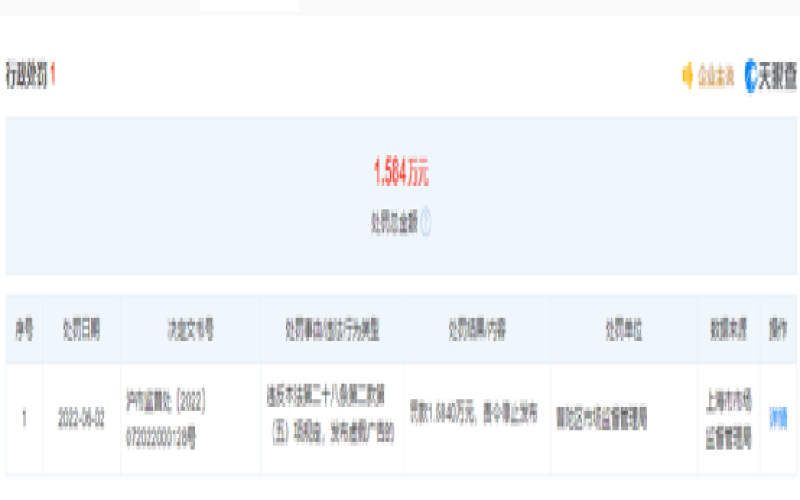
Nayuki Fined for False Advertising, New Tea Beverage Brands' Cultural Marketing Faces a Trust Test
Nayuki received a fine for a false advertisement regarding mulberry ingredients, drawing attention to its brand marketing methods. This is not the first time Nayuki has been embroiled in controversy; since its listing, multiple stores have been exposed or penalized for food safety issues. Meanwhile, Nayuki has been trying to connect with young consumers through cultural, artistic elements, and social marketing. From high-priced tea drinks to loss-making financial reports, to closing its largest store and establishing a new company, Nayuki is seeking a new path to survival. This article reviews the sequence of events, historical penalty records, and the multiple challenges the brand faces in marketing and operations, and explores the core of competition in the new tea beverage industry. [more…]
Century-old Chinese medicine shop Tonghanchuntang enters the beverage industry, launching new attempts with health-boosting milk tea and coffee
In recent years, cross-industry ventures have become a popular trend, and even century-old traditional Chinese medicine shops are joining the beverage market. Following Tongrentang, Tonghanchun Tang, with a history of 237 years, has also tested the waters of national-style wellness tea drinks in Shanghai Yuyuan Mall, launching over 30 beverages including wellness teas, fruit teas, milk teas, sparkling water, and coffee. Among them, the wellness milk tea incorporates ingredients such as ginseng, goji berries, and donkey-hide gelatin, while the two wellness coffees focus on American-style black coffee and ginseng honey latte, priced between 20 and over 30 yuan, with the most expensive bird's nest product exceeding 100 yuan. Whether these time-honored brands can win consumer favor through innovation is worth watching. [more…]
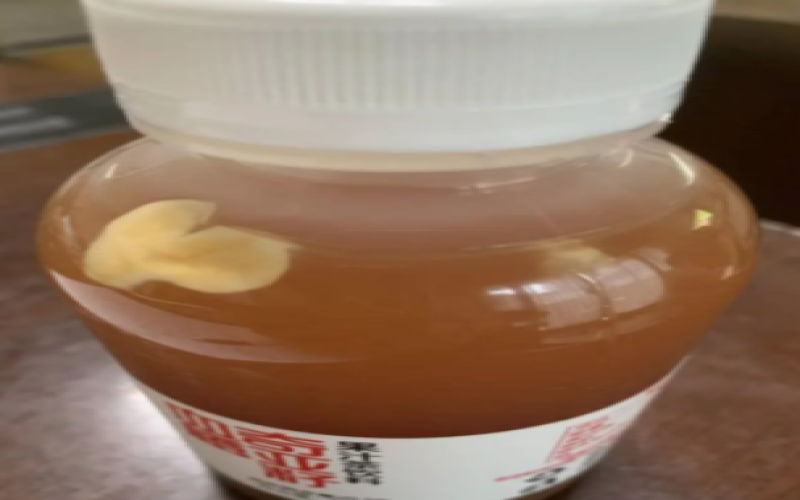
Foreign Object Found in Sam's Club Juice Tea Beverage, Frequent Food Safety Scandals Draw Concern
Recently, a Sam's Club store in Nanjing was exposed by a consumer: a full case of blood orange chia seed juice tea beverage they purchased contained two foreign objects, one large and one small, despite being unopened, and the smaller piece was suspected to be black mold. After the consumer's communication with the store yielded no result, Sam's national customer service only offered compensation in the form of a coupon of equivalent value. This is not the first time Sam's Club has been embroiled in a food safety controversy; previously, Shenzhen, Changzhou, and other places also reported incidents one after another, including insect eggs attached to milk and teeth found in fresh meat mooncakes. Complaints of this kind are common on social platforms. Data from the Black Cat Complaint platform shows that in September alone, Sam's Club received 70 complaints, many involving food safety. As a high-end membership store under Walmart, Sam's quality control problems are arousing concern among more and more consumers. [more…]
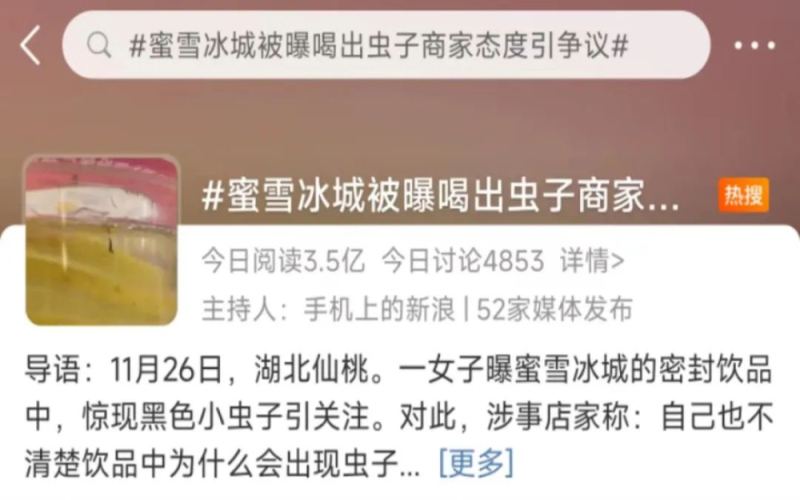
Unopened Mixue Lemonade Found with Black Foreign Object, Store Response Sparks Public Outcry
For professional coffee knowledge exchange and more coffee bean information, please follow Coffee Workshop (WeChat public account cafe_style) For more specialty coffee beans, please add the private WeChat of Front Street Coffee (FrontStreet Coffee), WeChat ID: qjcoffeex Mixue Bingcheng has once again been thrust into the spotlight. A consumer in Xiantao, Hubei, found a small black bug in an unopened lemonade, yet the response from the store was jaw-dropping. As the champion in store count in the new tea beverage industry, why do food safety issues keep recurring for Mixue Bingcheng even as it sprinted toward an IPO? This article will sort through the course of the incident, netizen reactions, and the brand's frequent food safety scandals this year, and explore the bottom line issues of service and quality control in the catering industry. [more…]

Yili's Q3 earnings briefing reveals increased investment in sugar-free tea, with differentiated layout of freshly brewed tea products becoming a highlight
Dairy industry leader Yili recently held an earnings briefing for its 2024 Q3 report, with total revenue for the first three quarters reaching 89.039 billion yuan and net profit attributable to shareholders of 10.868 billion yuan, maintaining its position at the top of the industry. Notably, Yili explicitly stated during the meeting that it will increase investment in sugar-free tea beverages, and its Yike Huoquan freshly brewed tea series has grown rapidly thanks to its differentiated design. Against the backdrop of a 2.1% decline in all-channel dairy sales while the beverage market grew at 6.9%, Yili's move is seen as an important strategy to respond to the contraction in dairy and seek new growth points. This article reviews the product features of Yili's freshly brewed tea, the current state of its channel layout, and the prospects of the sugar-free tea market, and includes comparative Q3 performance data for dairy companies. [more…]
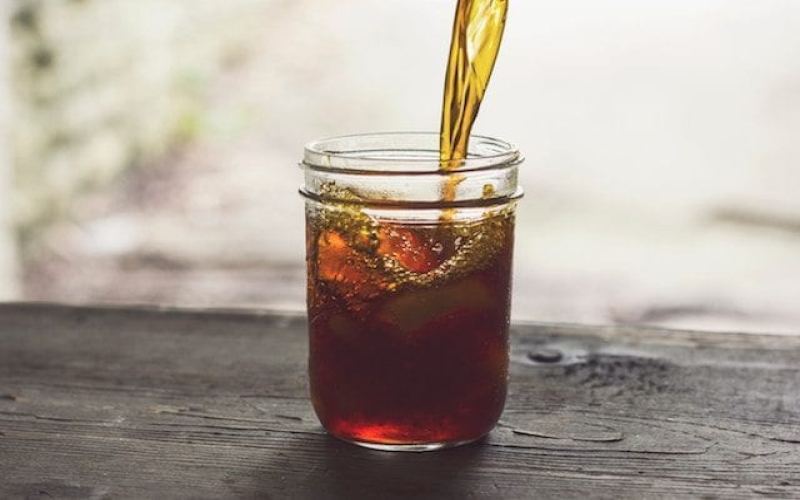
Exploring the Origins of Iced Tea: The Complete History and Brewing Tips from the 1904 World's Fair to American Sweet Tea
Iced tea is now one of the most popular beverages in the world, but its origins are far more convoluted than one might imagine. Americans drink over 2.2 billion gallons of tea each year, 80 percent of it iced. When exactly was this refreshing drink born? At the 1904 St. Louis World's Fair, how did tea merchant Richard Blechynden make iced Indian black tea an instant sensation? And long before that, sweet tea was already popular in the American South, with recipes dating back to an 1839 cookbook. This article traces the complete story of iced tea, from hot tea poured over ice to a fast-food staple, and includes key tips for making delicious iced tea at home, along with Front Street Coffee's selection recommendations, so you can easily recreate a professional-grade glass of iced tea. [more…]
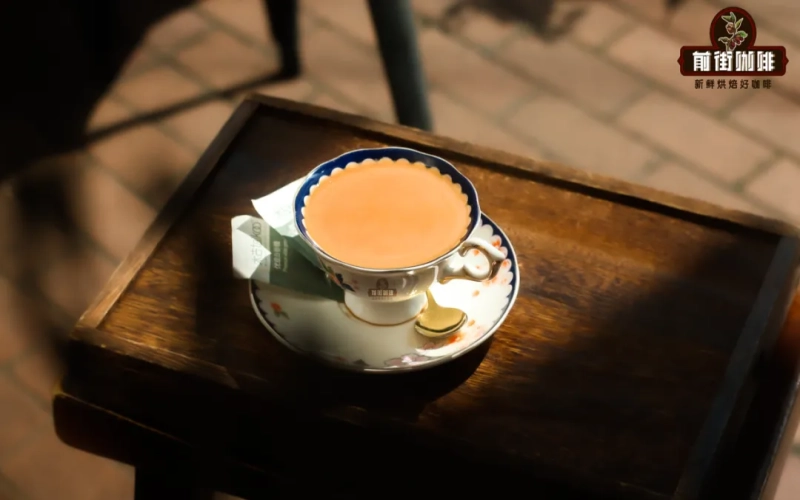
What exactly is Hong Kong-style Yuen Yeung milk tea? Does it contain coffee? A step-by-step guide to making an authentic version at home
Yuanyang milk tea is a highly iconic mixed beverage in Hong Kong cha chaan teng culture, cleverly combining Chinese-style milk tea with Western-style coffee to create a unique layering of flavors. Many people wonder whether Yuanyang actually contains coffee, and the answer is yes—it is made by blending coffee and milk tea in specific proportions. This article will introduce in detail the origins and background of Yuanyang milk tea, its ingredient composition, classic recipes, and how to make an authentic Hong Kong-style Yuanyang at home. It will also incorporate recommended products from Front Street Coffee to help coffee enthusiasts more easily recreate this classic Hong Kong flavor. [more…]

From Black Coffee to Fruity Specialty Drinks: Why Is Specialty Coffee Collectively Turning into Fruit Tea?
The threshold for appreciating specialty coffee has always been high—from palate training to the investment of time and money, none can be skipped. Yet in recent years, the rise of specialty beverages, especially fruit coffee, is quietly changing this landscape. Adding fruit, sugar, alcohol, and Chinese ingredients—the boundaries of coffee have been broken time and again. Is this the degradation of specialty coffee, or an inevitable path to the mass market? This article analyzes the deep logic behind the combination of coffee and fruit from the perspectives of consumer data, industry trends, and barista competitions, and explores what professional foundation a good creative coffee should possess. Whether you are a purist who sticks to tradition or a creative beverage enthusiast who embraces innovation, this discussion about the boundaries of coffee is worth reading. [more…]
HEYTEA's Handcrafted Store Launches 50 New Products at Once: How Far Can the Whole-Leaf Tea Brewing Move Go?
Heytea has opened its first global handmade tea shop in Nantou Ancient Town, Shenzhen. The three-story space corresponds to three product lines: hand-stirred ice, handmade tea, and hand-brewed fine tea, launching over 50 new products at once. From Musang King durian to mangosteen, Thai golden pomelo, and guava, to traditional brewed pure teas covering China's six major tea categories and creative mixed cups, this shop is clearly not satisfied with the conventional tea beverage playbook. The most expensive single item, "Large Musang King Durian," is priced at 138 yuan, and the cups have also been custom-designed. The new-style tea beverage brand is returning to deep cultivation of original leaf tea, driven by the continuously expanding tea beverage track and the rising proportion of pure tea. This article takes you through a complete understanding of the product structure, pricing strategy, and industry significance of this new launch. [more…]
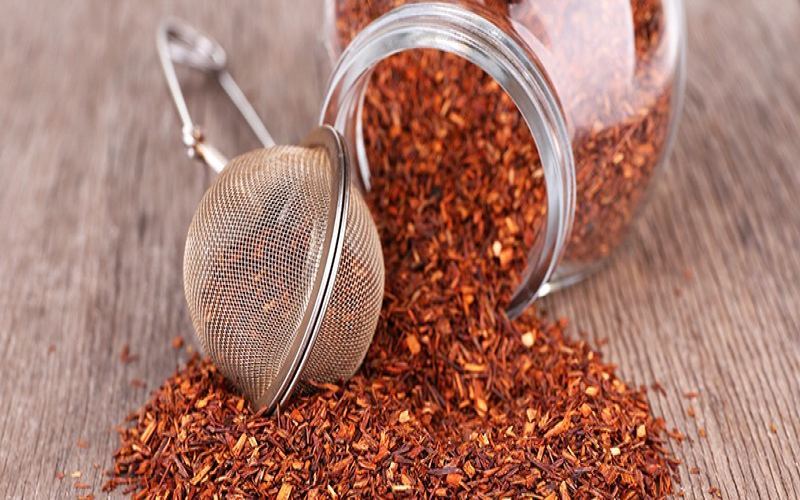
Which country ranks first in tea production in Africa? A detailed look at the flavors and health benefits of nine distinctive African teas
Africa is not only famous for coffee—its tea production is equally noteworthy. Kenya ranks as the world's third-largest tea producer and the leading tea-producing country in Africa. From anthocyanin-rich Kenyan purple tea to South Africa's unique rooibos and honeybush teas, and from North African mint tea to Ethiopian spiced tea, diverse tea traditions have emerged across the continent. This article profiles nine teas produced in Africa, covering their origins, production methods, flavor characteristics, and health benefits, helping coffee lovers expand their understanding of African beverages. Front Street Coffee will also recommend African teas worth trying. [more…]
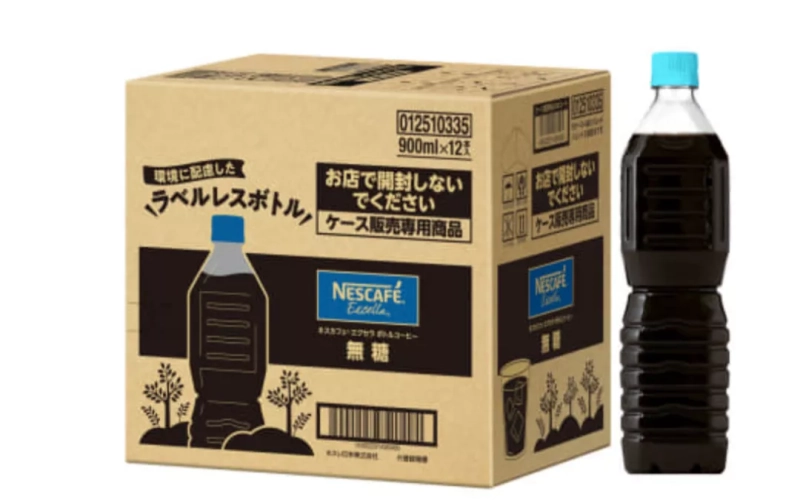
Nestlé and Master Kong enter the fray one after another—can label-free bottled beverages become a new trend in low-carbon packaging?
In recent years, as environmental awareness has risen, label-free bottled beverages have moved from once being considered "alternative" to becoming legalized. Brands such as Nestlé Japan Coffee, Asahi, Suntory, and Evian have successively tested the waters, and domestically, Master Kong has also launched label-free iced tea. Such products are mostly sold by the case, with only the shelf life and product name laser-printed on the bottle, while legal information is printed on the outer box. About 60% of Japanese consumers are willing to pay for them, mainly because it reduces PVC waste and the hassle of sorting. Domestic reactions are mixed: supporters believe it responds to carbon reduction, while those concerned see it as a promotional gimmick. This article sorts out the origins and development of this packaging change and explores whether it can be implemented over the long term. For friends who love drinking coffee, Front Street Coffee also continuously pays attention to such environmental trends. [more…]
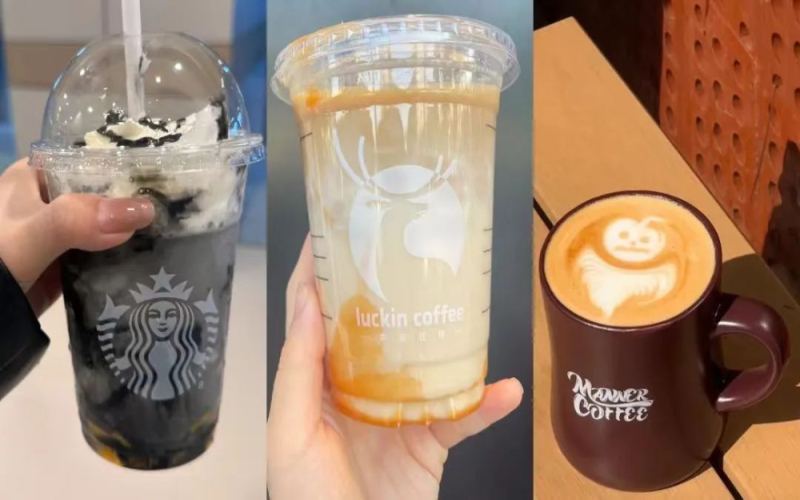
Squid Ink in Milk Tea? Heytea's Dark Halloween Cheezo Tea Launches Overseas First
As Halloween approaches, major beverage brands are rolling out dark-themed limited editions. Heytea in the UK was first to launch a product called Dark Cheese Tea, a cuttlefish ink salted cheese tea, available only in the UK and the US, drawing curious overseas consumers to check in and try it. However, the natural seafood fishiness of cuttlefish ink has left many people calling it a letdown after drinking it. At the same time, Heytea in China will also launch a dark slim bottle blind box event from October 28 to 30, containing three vegetable juices: celery, cilantro, and kale, full of Halloween atmosphere from taste to packaging. This article takes you through this wave of dark beverages and the real feedback. Friends who enjoy specialty coffee culture, don't forget to follow Front Street Coffee's daily shares. [more…]
What is the difference between pure tea and blended tea? A detailed explanation of tea's origins, spread, and blending methods
Tea is the world's most popular beverage after water. Whether black or green, with milk or plain, every type of tea offers a unique experience. All tea leaves come from the same tea plant, but differences in origin, altitude, climate, and production methods create teas with distinct flavors. This article begins with the botanical characteristics and origins of the tea plant, traces the spread of tea from a medicinal drink in southwestern China to its popularity across East Asia, Europe, and even India, and focuses on comparing the features, pros, and cons of 100% natural pure tea versus blended tea, finally including a simple blended tea recipe for coffee and tea enthusiasts to reference. [more…]
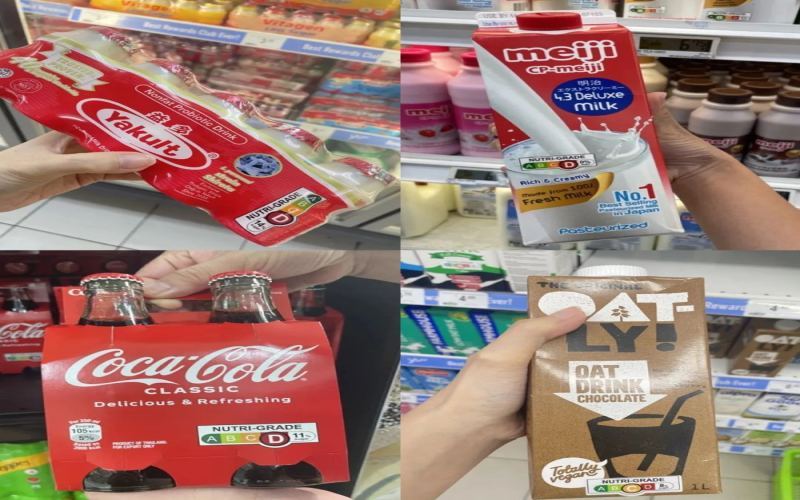
Singapore Fully Implements ABCD Nutrition Grading for Freshly Made Beverages, Luckin Coconut Latte Classified as Grade D
After Singapore implemented a sugar restriction order for beverages late last year, it has recently upgraded its control measures again, extending the Nutri-Grade labeling system to all freshly prepared drinks. From freshly brewed coffee and milk tea to fresh juices, even toppings like pearls and coconut jelly must now be labeled with their sugar content. Brands such as Starbucks, KOI Thé, and Ya Kun have gradually updated their menus, and Luckin's Coconut Latte has been classified as Grade D due to its high sugar and fat content. How exactly does this ABCD grading system work? What impact does it have on lattes and black coffee, which coffee lovers often drink? This article will outline the details of the new regulations and market reactions, and include purchasing advice from Front Street Coffee. [more…]
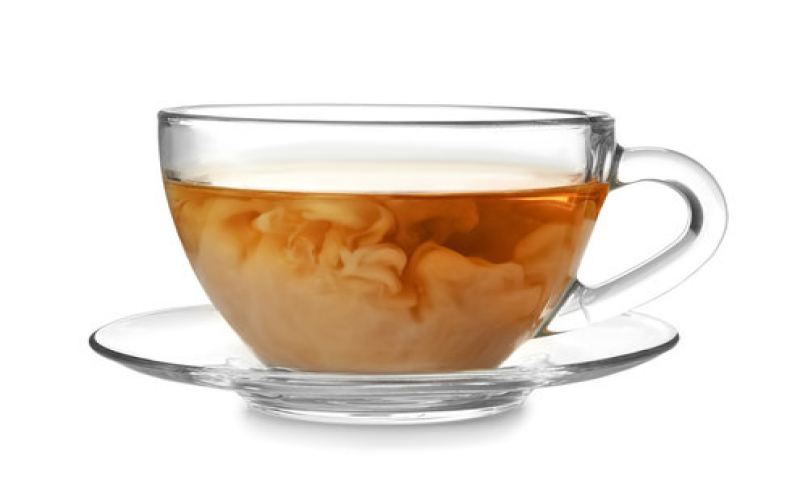
Does the order of milk tea preparation matter? From historical origins to scientific principles, an analysis of the correct way to add milk and black tea
Adding milk to tea is a habit with a rich history and scientific principles behind it. From Tibetan butter tea to Indian masala chai, and then to British workers' tea, the combination of milk and tea spans multiple centuries and civilizations. Why do people add milk to tea? Is it milk first or tea first? And what different flavor experiences does the order bring? This article will take you through the historical origins of milk tea, explore various theories about adding milk, and analyze in depth the interaction between milk and the tannins in black tea, helping you understand the science and culture behind this everyday drink. Whether you are a purist or a milk tea lover, you will gain new insights from it. [more…]
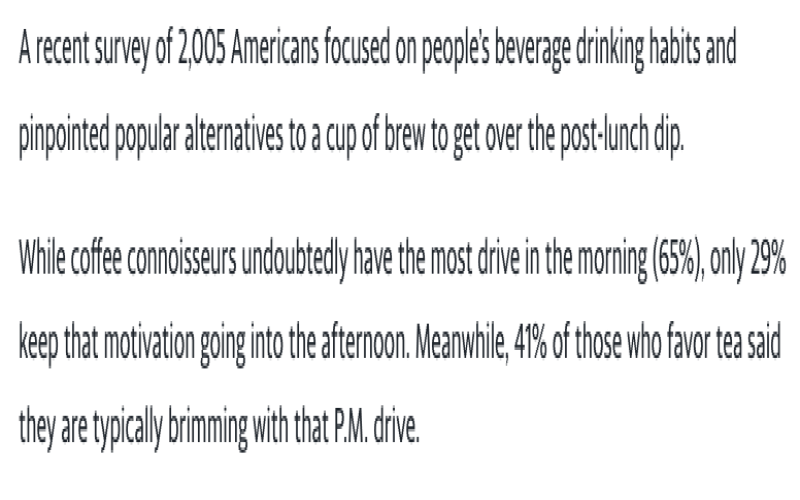
Which is better for alertness, coffee or tea? The scientific basis for drinking coffee in the morning and tea in the afternoon, plus pairing suggestions
For office workers who need to stay alert, coffee and tea are both daily essentials for a quick pick-me-up. A recent survey of more than 2,000 respondents in the United States showed that coffee drinkers have more energy in the morning, while tea lovers show greater vitality in the afternoon. This difference has sparked discussion about beverage choice and timing. This article will review the survey data, analyze the mechanism of caffeine, and explore whether tea and coffee can be consumed together, while offering practical advice for consumers seeking healthy stimulation, including how to choose pure tea or black coffee, as well as related product recommendations from Front Street Coffee. [more…]

Can Starbucks Secret Menu Really Replace Bawang Chaji? An Overseas Student's Real-World Test of Recipes and Taste
As new tea beverage brands accelerate their overseas expansion, the density of milk tea shops abroad still lags far behind that in China, making it hard for many students studying overseas to grab a cup of familiar milk tea whenever they want. As a result, some have used existing Starbucks materials to concoct a so-called secret recipe that supposedly comes close to the flavor of Chagee, and it has spread rapidly on social platforms. Can this custom drink truly replicate the taste of Chinese-style milk tea? Different consumers have given wildly different reviews. This article will break down the specific composition of the recipe, the hands-on feedback, and the points of controversy, to help coffee and tea drinkers take a rational view of the so-called "affordable substitute" phenomenon. [more…]
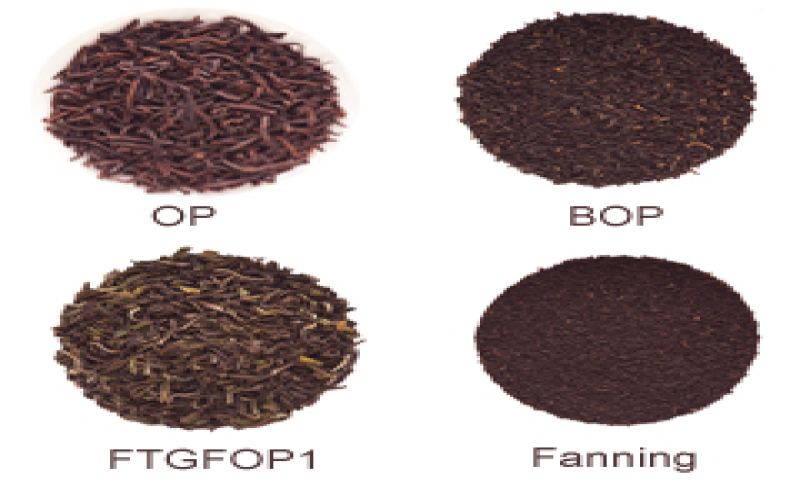
Loose Leaf OP Black Tea vs. Tea Bag Broken Leaf Tea: An Analysis of Grade Hierarchy and Flavor Differences
After tea leaves are processed, they are graded based on physical characteristics such as size and color, but grading does not directly equate to brewing quality. Indian black tea has the most rigorous grading system, in which Orange Pekoe (OP) is a basic term derived from the Chinese word for "white down" and has nothing to do with orange flavor. Black tea is divided into four categories: whole leaf, broken leaf, fannings, and dust. Whole-leaf grades range from OP to SFTGFOP1, with quality improving grade by grade; the broken-leaf grade BOP retains more whole-leaf quality and is often used for blending; finer tea powder is mostly used for tea bags and ready-to-drink beverages. Although loose-leaf tea and tea bags come from the same source, there are significant differences between orthodox processing and CTC processing, with the former having a more complex flavor. Front Street Coffee has always advocated choosing loose-leaf tea in order to enjoy the visual appeal and pure taste of whole tea leaves. [more…]