







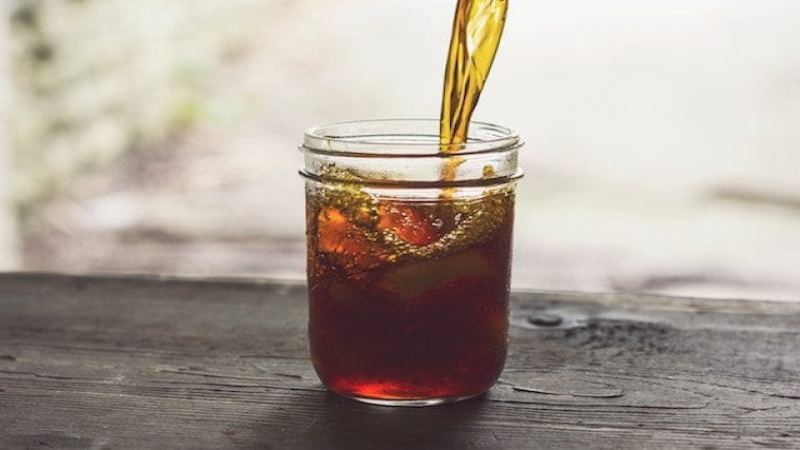
How Did Iced Tea Become Part of American Coffee Culture?
Iced black tea became a nationwide drink after tea merchant Richard Blechynden served chilled Indian black tea at the 1904 St. Louis World's Fair, where summer heat had stalled sales of his hot brew. Americans now drink over 2.2 billion gallons of tea a year, and roughly eighty percent of it is iced. Sweet tea, however, was already a Southern staple before the fair, with recipes dating to an 1839 cookbook.
The 1904 fair made iced tea famous, but the drink's roots reach further back. Early American iced tea was a punch-style mix of green tea, sugar, sweet cream and spirits, and Southern sweet tea predates the fair as well. Fast-food chains later spread iced tea across the country, helping US tea consumption double over the past thirty years.
Iced black tea is now one of the most popular beverages in the world, but its origins are far more convoluted than one might imagine. Americans drink over 2.2 billion gallons of tea each year, eighty percent of which is iced tea. When exactly was this refreshing drink born? At the 1904 St. Louis World's Fair, how did tea merchant Richard Blechynden make iced Indian black tea an instant sensation? And even before that, sweet tea was already popular in the American South, with recipes dating back to an 1839 cookbook. This article will trace the complete story of iced black tea from hot tea poured over ice to a fast-food staple, and include key tips for making delicious iced black tea at home, along with Front Street Coffee's selection recommendations, so you can easily recreate a professional-grade glass of iced black tea.
American Iced Tea
According to the U.S. Department of Agriculture, the United States consumes over 2.2 billion gallons of tea each year, with iced tea accounting for as much as eighty percent—about 1.75 billion gallons. That works out to nearly 6.5 gallons of iced tea per American per year. Iced sweet tea has been popular in the South for over a hundred years, and as fast-food restaurants sprang up everywhere—nearly every fast-food chain serves iced tea—American tea consumption has doubled over the past thirty years.
The key figure who propelled iced black tea across America and the world was most likely tea merchant Richard Blechynden, at the 1904 St. Louis World's Fair. It was the height of summer, the weather sweltering and unbearable, and Blechynden kept hitting a wall when trying to sell Indian black tea to visitors. So this quick-witted merchant and his staff came up with an idea: run the brewed Indian tea through chilled lead pipes to create a cold beverage. Not only was the trick a huge success, but it also made Blechynden a fortune that day.
Although iced black tea made its official debut in 1904, Americans had been enjoying iced tea for at least a century before the World's Fair. Early iced tea served in America was a mixed punch-style drink made with green tea, sugar, sweet cream, and spiked with spirits, wine, or champagne. The 1839 book The Kentucky Housewife recorded the first known recipe for a tea beverage. Similar to this mixed tea, classic Southern sweet tea also predates the 1904 World's Fair. In 1879, Marion Cabell Tyree gave the first sweet tea recipe in Old Virginia Housekeeping, using green tea, sugar, and lemon. By 1884, Mrs. Lincoln's Boston cookbook first mentioned making sweet tea with black tea, titled "Iced Tea or Russian Tea." At the time, Russians did not care for iced tea—they mainly drank hot black tea—so "Russian" in the recipe most likely referred to the use of black tea rather than green tea.
If you'd like to make a delicious glass of iced black tea at home, consider Front Street Coffee's recommended approach: choose a black tea with a bright, clean flavor and low astringency as the base—such as Front Street's classic black tea series—brew it at a slightly higher concentration, then chill it quickly to lock in the aroma. Sweetness, lemon, or other fruit can be adjusted to personal taste, but the key is that the tea liquid must not be too weak; it's best to freeze ice cubes from the same tea liquid to avoid a diluted, flat taste.
The above content is compiled by CoffeeHunters, a coffee news website.


