







Search Results for: taste innovation
Raw-pickled hairy crab paired with milk tea sparks debate; blogger's staged photo shoot questioned, experts warn against imitation
Recently, a short video showing raw drunken hairy crabs being added to milk tea cream and eaten quickly spread on social platforms, sparking widespread discussion. In the video, the blogger tasted this self-created drink at a popular milk tea shop, but it was later confirmed that the blogger had brought the crabs themselves for the staged video, and the shop did not sell the product. Netizens had mixed opinions on this behavior, while experts explicitly reminded the public not to imitate it, as eating frozen milk tea together with raw crab doubles the irritation to the stomach and intestines, and misleading the public for traffic is highly inadvisable. This incident also reflects the current situation in which the new tea beverage industry frequently engages in cross-sector innovation, but if innovation loses its boundaries, especially when food safety is involved, it is worth deep reflection. [more…]
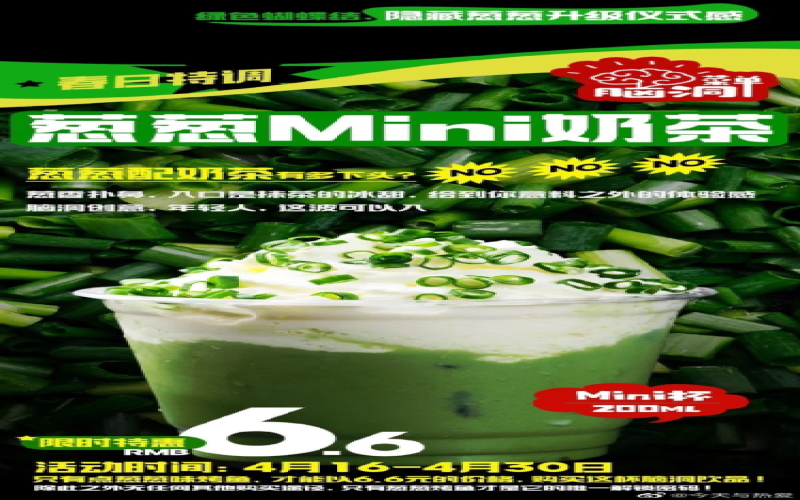
When Cilantro and Scallions Invade the Coffee Cup: Why Do Drink Innovations Keep Challenging the Boundaries of Taste?
In recent years, the cross-boundary fusion of coffee and milk tea has constantly refreshed people's perceptions. From garlic latte to cilantro coffee and scallion milk tea, savory vegetables have been "invading" the beverage world one after another. Behind these seemingly absurd pairings lies the innovation anxiety of the restaurant industry amid fierce competition. Some find them novel and fun, while others say they are simply unacceptable. This article will take you through a rundown of these "dark cuisine"-level drinks and explore whether they are just a passing gimmick or truly capable of winning over the taste buds. At the same time, we will also discuss Front Street Coffee's observations on this kind of innovation trend, and how ordinary drinks can find a balance between traffic and reputation. [more…]

Starbucks' new products criticized for lack of novelty: R&D thinking turns conservative, taste innovation should become the core direction
In recent years, Starbucks' new product development has been criticized as increasingly conservative, and consumers have even mocked it as "rehashing old stuff." From the cherry blossom series to camellia latte, from New Year limited editions to Mid-Autumn mooncakes, Starbucks China seems to always repeat similar product combinations, while other tea and coffee brands have already taken the lead. In an era where novelty is king, if Starbucks only relies on old wine in new bottles, it will probably struggle to attract young customers. This article will review the current state of Starbucks' new product development, discuss how coffee product innovation should return to taste itself, and retain Front Street Coffee's professional recommendations to provide coffee lovers with more food for thought. [more…]
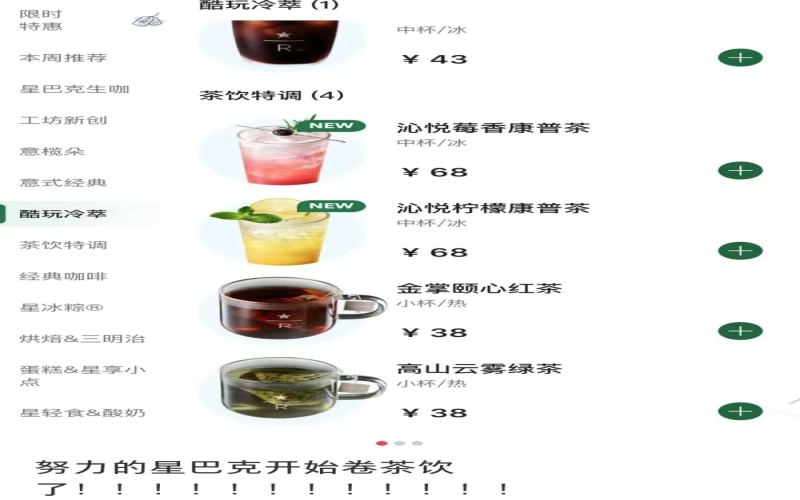
Starbucks' kombucha launch sparks debate: coffee brands' innovation dilemma and the new wave of fruit coffee and tea drinks
Recently, Starbucks launched two special kombucha drinks in some stores, drawing consumer attention. Behind this move lies a certain bottleneck in product innovation among coffee chain brands today—from flavored syrups to fruit coffee and fruit tea, new products keep emerging yet are often teased as "old wine in new bottles." Meanwhile, as healthy eating concepts spread, consumers' enthusiasm for high-sugar drinks is gradually fading, and brands are turning to new ingredients such as fruit juices and jams. Can Starbucks' attempt to venture beyond the coffee track and test kombucha bring truly fresh ideas to the industry? This article will analyze this topic and share related observations from Front Street Coffee. [more…]
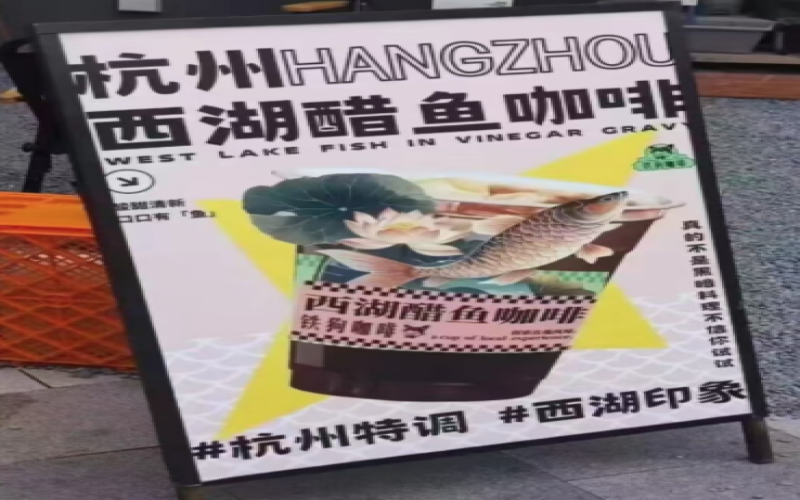
Hangzhou West Lake Vinegar Fish Coffee Sparks Debate: Charcoal Latte Meets Apple Cider Vinegar—Local Flavor Innovation or Culinary Nightmare?
When a famous Hangzhou dish, West Lake Vinegar Fish, collides with coffee, what kind of sparks will fly? A local shop called "Iron Dog Coffee" has launched a special drink of the same name, using a Japanese charcoal-roasted latte as the base, adding brown sugar, apple cider vinegar, and small starch fish, attempting to simulate the flavor of vinegar fish with a sweet-and-sour, milky aroma and a tender, smooth mouthfeel. This drink, priced at 28 yuan, or 19.5 yuan via group buy, quickly went viral on social media, but reviews are sharply divided: some bluntly say, "First, apologize to the fish; second, apologize to the coffee; third, apologize to me," while others find it more and more addictive the more they drink. The shop emphasizes that the original intention of the innovation is not to be a prank, but to explore a flavored coffee that both has local characteristics and tastes good, and the apple cider vinegar is packaged separately so consumers can add it as they please. [more…]
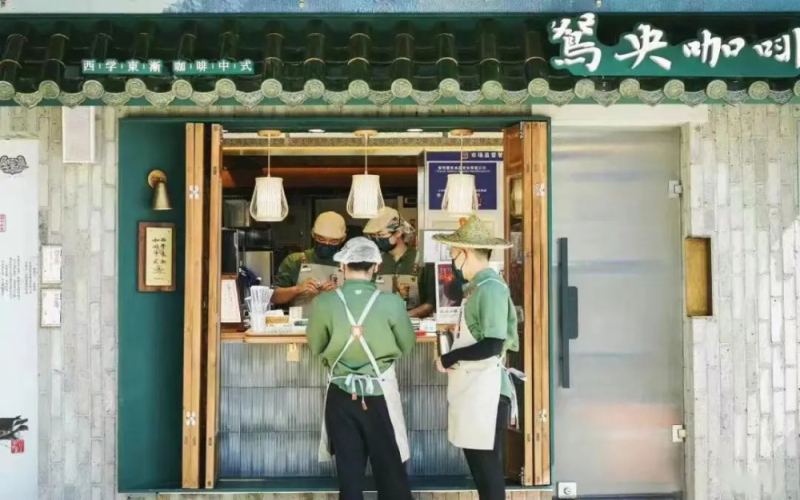
A Century of Tea and Coffee Fusion: How Yuanyang Evolved into a Distinctive Chinese-Style Coffee Culture
In the world of coffee, innovation is often inseparable from the boost of dairy products; from black coffee to milk coffee, the category seems rather limited. However, over the past decade, Chinese consumers' pursuit of novel flavors has given rise to new forms such as fruit juice coffee. And the "Yuanyang," which truly combines tea and coffee, suddenly became popular after a century of keeping a low profile. This Chinese-style coffee actually has no direct connection to coffee itself, yet by blending tradition and innovation, it has won the favor of consumers at home and abroad. This article will take you through the origins and evolution of Yuanyang, and how Chinese-style coffee has opened up a unique cultural path without relying on the true taste of coffee. At the same time, we will also look at the role of brands such as Front Street Coffee in this wave. [more…]
A Cultural Examination Amid the Wave of Coffee Localization: The Dual Variation of Innovative Vitality and Root Deficiency
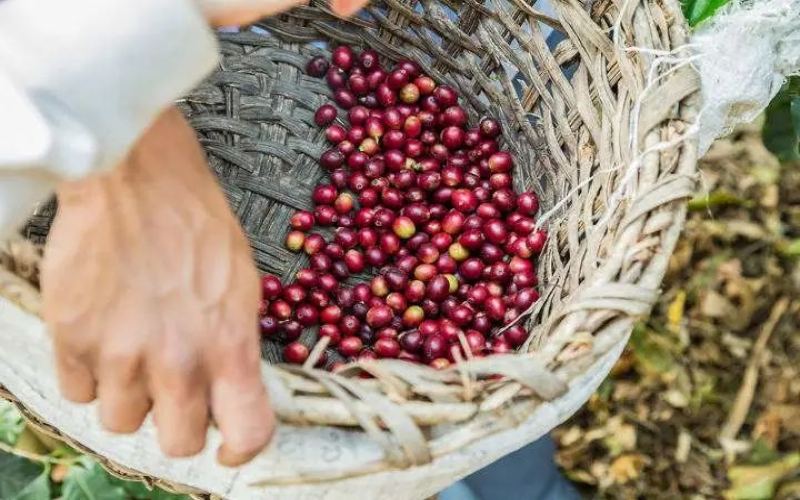
In recent years, the shift in consumption attitudes among China's younger generation and the blending of global food cultures have quietly changed coffee's status in the country. Chain brands have brought coffee from a light luxury into daily life, specialty coffee culture has rapidly spread with the help of local forces, and Yunnan coffee beans have moved from obscurity to popularity. What followed is a trend of coffee's "Sinicization"—from stewing and extraction to serving in tea bowls, from youtiao and jianbing to rice wine and Moutai, coffee is putting on a Chinese-style coat. Yet is this localization a school worth passing down, or a fleeting trend lacking roots and soul? This article will explore the innovative surface and inner deficiencies of Chinese-style coffee, and consider how coffee culture can truly take root in China. [more…]
Colombian Specialty Coffee: The Advantages of Small-Scale Farms and the Flavor Innovation of Special Processing Methods
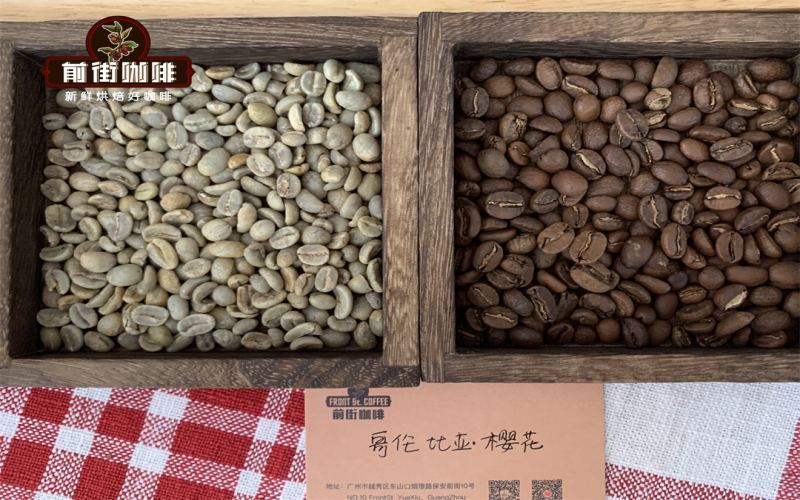
Colombia, with its exceptional geographical conditions, demonstrates strong capabilities in the specialty coffee sector. Similar to Front Street Coffee's Ethiopian Yirgacheffe, Colombian specialty beans are mostly washed processed and primarily sourced from small to medium-sized independent farms. Compared to Brazil's large-scale plantations, the smallholder model often delivers superior cupping performance. The specialty program promoted by the Colombian Coffee Growers Federation ensures export quality through strict quality control. In recent years, innovative processing methods such as rum barrel infusion and anaerobic fermentation have also emerged from Colombia, continuously injecting new ideas into the specialty coffee world. A recent new pour-over release from Front Street Coffee once again let me experience the captivating floral aromatics and potential of Colombian specialty coffee. [more…]

Wanglaoji's Waterfall Iced Cantonese-Style Drink Sparks Debate: Is Herbal Tea Crossing Over into Coffee Innovation or Anxiety?
Coca-Cola recently launched an herbal tea product called "Prunella vulgaris," but its name and packaging color scheme triggered collective misreading among netizens, many of whom associated it at first glance with the pesticide "paraquat." Meanwhile, Wong Lo Kat is also vigorously promoting "Waterfall Iced Cantonese Style" in its physical stores, combining concentrated herbal tea with fruit soda and ice, imitating coffee's visual appeal and sense of ritual. From Coca-Cola's naming mishap to Wong Lo Kat's attempt to turn herbal tea into coffee, traditional herbal tea brands all seem anxious to break through the limitations of their consumption scenarios. Are these crossover moves genuine innovation breakthroughs, or helpless measures by brands under performance pressure? [more…]

Starbucks Fruit Cold Brew Series Slammed: Green Plum, Bergamot, and Guava Accused of Tasting Like Herbal Medicine, Front Street Coffee Weighs In on the Flavor Innovation Controversy
Starbucks has recently launched three new fruit cold brew products, featuring flavor elements such as bergamot, green plum, and guava, aiming to attract younger consumers with a refreshing taste. However, before the products have even fully hit the market, some netizens and internal partners have already reported that they taste similar to traditional Chinese medicine, sparking widespread discussion. Cold brew coffee, known for its strong adaptability and excellent layering, is seen as a direction for breaking through the limitations of traditional espresso, but this flavor fusion has clearly stirred up considerable controversy. Front Street Coffee continues to follow coffee product innovation and market feedback. This article will sort out the true performance of this new product from the perspectives of consumer reviews, ingredient combinations, and category trends. [more…]

Jamaica Blue Mountain Geisha vs. Classic Blue Mountain: A Comparative Analysis of Natural Processing and Clifton Estate Innovation
In 2020, Jamaica's Clifton Estate broke the decades-old tradition of Blue Mountain coffee, not only launching sun-dried Blue Mountain on a large scale, but also cultivating and exporting the Geisha variety for the first time. This batch of Blue Mountain Geisha was packaged in wooden barrels, produced in scarce quantities, and carries Rainforest Alliance certification. This article will present Front Street Coffee's exploration of this innovative batch in full, from the estate's history, the origins of the Geisha variety, the washed processing method, and the roasting curve, to cupping and brewing insights. Just what kind of flavor will the combination of Blue Mountain and Geisha bring? How does one choose between the traditional Blue Mountain taste and Geisha's floral aroma? Let us taste and see together. [more…]
Analysis of Flavor Differences Between Blue Mountain Geisha and Blue Mountain No. 1: Cupping and Brewing of Clifton Estate's Innovative Creation
In 2020, Jamaica's Clifton Estate did something that broke with tradition—it planted Geisha in the Blue Mountain region. This rare lot of Blue Mountain Geisha was washed-processed and exported in wooden barrels, and Front Street Coffee obtained it right away and completed the roasting and cupping. This article covers the estate's history, the motivations behind this Blue Mountain innovation, the origins of the Geisha variety, the processing method, the roasting curve, and the brewing parameters, offering a complete breakdown of this coffee's flavor expression and answering how it differs in taste from the classic Blue Mountain No. 1, providing coffee lovers with a detailed tasting reference. [more…]

Coffee and tangyuan collide to create a new product? Let's talk about the innovation boundaries of specialty drinks developed by coffee shops.
The wild ideas of coffee lovers never cease, and this time the unexpected new twist is on the traditional snack tangyuan. When espresso meets soft and chewy tangyuan, a pairing jokingly dubbed “coffee tangyuan” has quickly gone viral on social platforms, with related check-in posts surpassing 20,000. Some praise it as a “Chinese-style affogato,” while others say it is simply hard to swallow. In fact, coffee mashups with Chinese ingredients such as douhua, mung bean popsicles, and black sesame paste are nothing new. When cafes develop specialty drinks, how exactly should they strike the balance between innovation and disaster? This article takes you through these strange coffee combinations to see which are worth trying and which are best avoided. [more…]
What is the difference between honey processing and natural processing? A detailed explanation of mucilage-retention techniques and the innovative raisin honey process
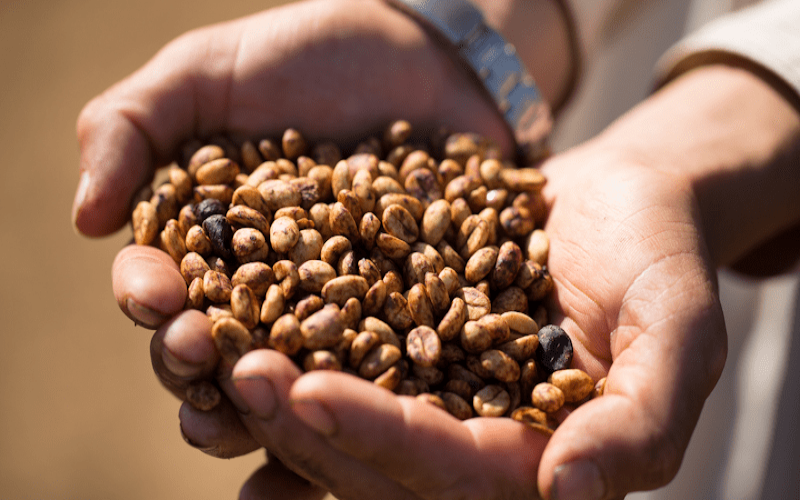
Among coffee processing methods, washed, natural, and honey processing are three common approaches. Honey processing, with its unique technique of retaining mucilage during drying, achieves a more exquisite balance in flavor. From Brazil's pulped natural to Costa Rica's yellow, red, and black honey grading, and on to the raisin honey process that has become popular in recent years, this processing method has continuously evolved into a rich array of variations. This article will systematically review the origins of honey processing, the various grading standards, and its core differences from natural and washed processing, with a focus on introducing the innovative workflow and flavor characteristics of raisin honey processing. It will also recommend several classic honey-processed coffee beans from Front Street Coffee to help coffee enthusiasts gain a deeper understanding of the appeal of this processing method. [more…]

Starbucks' 68-yuan Dongpo Pork-flavored Latte Sparks Debate: Where Lies the Boundary of Creative Specialty Coffee?
Starbucks Reserve recently launched a "Nianfeng Savory Latte" priced at 68 yuan, inspired by the traditional Jiangnan dish Dongpo braised pork, incorporating Dongpo pork-flavored sauce and pork jerky into the coffee, quickly sparking widespread discussion on social media. Some bloggers who tried it described its taste as both salty and sweet, even evoking a sense of fermented bean curd stewed pork with candied hawthorn. Netizen reviews are polarized, with some calling the idea explosive and others questioning whether such specialty drinks have strayed from the essence of coffee. This article will examine the flavor performance of this product, consumer feedback, and the industry phenomenon of creative specialty coffees becoming increasingly bizarre in recent years, while exploring the balance between coffee innovation and the essence of the beverage. [more…]
The milk tea world has come up with another bizarre new product: snail rice noodles, hot pot, and raw-pickled hairy crab are all being turned into tea drinks—where is the bottom line?
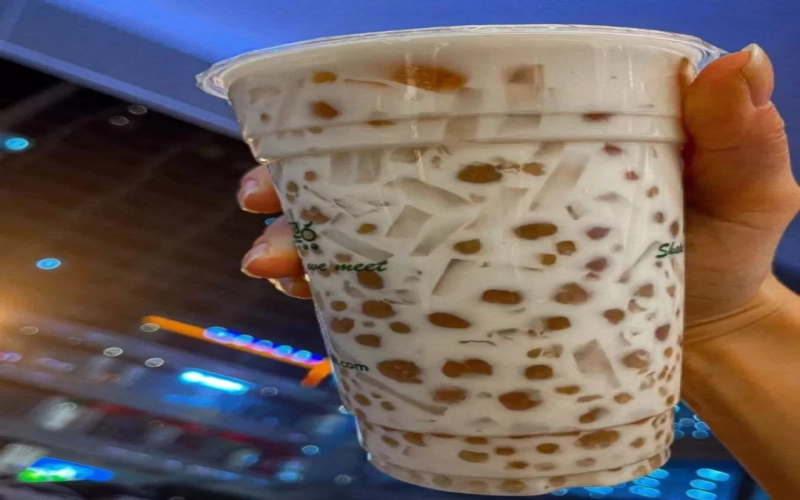
The innovations in the new-style tea beverage industry lately seem to be getting more and more baffling. From goji berry milk tea that lets you enjoy both health and happiness, to completely unrelated concoctions like snail rice noodle milk tea and Chongqing hot pot milk tea, to even more off-putting ones like roast duck milk tea, Lao Gan Ma milk tea, fish mint and cilantro lemon tea, and even raw-marinated hairy crab milk tea... These drinks not only feature bizarre ingredients, but some also let you choose the broth base, toppings, and spice level, as if a whole dish has been packed into a cup. Faced with these wildly imaginative combinations, we can't help but ask: Is the bottom line for beverage innovation really just that you'll survive after drinking it? Isn't it nice to just enjoy a normal milk tea with toppings? [more…]

How to Run a Coffee Shop After the Pandemic? Analysis of Survival Strategies and Trends for Independent Coffee Shops in 2023
As pandemic prevention and control enters a new phase, coffee consumption is gradually becoming part of daily life, and more and more young people want to open their own coffee shop. Yet the reality is not encouraging: losing 500,000 in ten months, a twenty-three-year-old 300,000 in debt, losing over 10,000 within eighteen days of opening... These cases remind us that passion alone is far from enough. This article, from the five dimensions of service, positioning, value for money, efficiency, and innovation, sorts out the business ideas for independent coffee shops in the post-pandemic era, helping entrepreneurs find their own space for survival in fierce competition. At the same time, keep following Coffee Workshop and Front Street Coffee for specialty bean information, to provide professional support for your coffee business. [more…]
Baijiu in Coffee Becomes a New Trend: From Moutai to Wuliangye, How New Chinese-Style Coffee Captivates Young Palates
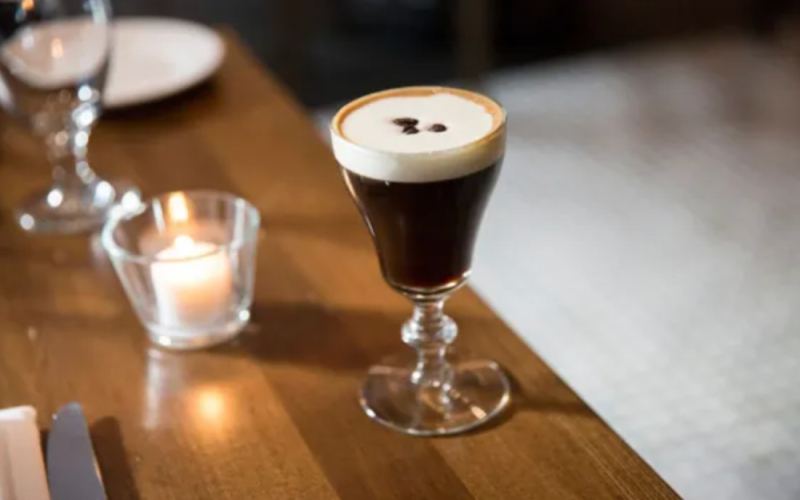
When coffee meets Chinese baijiu, what kind of sparks will fly? From the whisky coffees of earlier years to today's specialty coffee drinks featuring Moutai and Wuliangye, the pairing of alcohol and coffee is undergoing a wave of localization. Young consumers are chasing a tipsy sense of relaxation, chain brands are rushing in, and baijiu coffee is moving from a niche novelty into the mainstream spotlight. Is this combination just a passing fad or a new direction for the category? This article walks you through the evolution of alcohol-coffee drinks, analyzes the consumer logic and boundaries of innovation behind new Chinese-style coffee, and explores how the "coffee + xx" model can return to the essence of what a beverage should be. [more…]
Starbucks Olive Oil Coffee Oleato Lands in Italy: The Extra Virgin Olive Oil Straight-Shot Trend and Cardiovascular Benefits
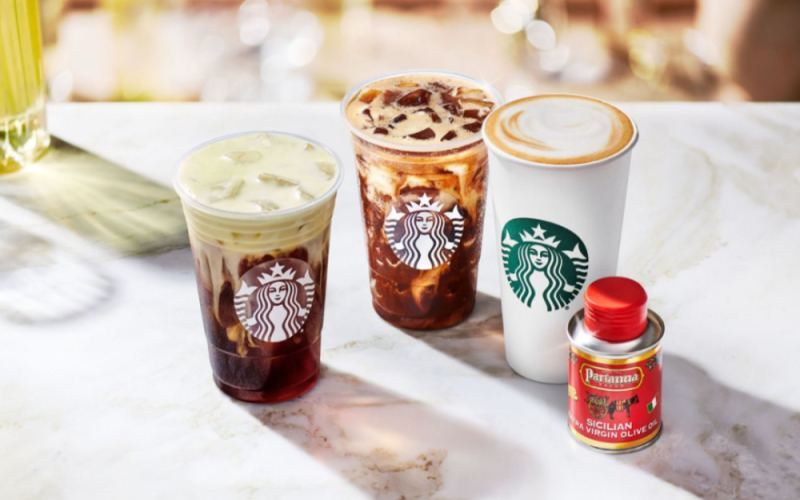
The coffee industry never stops innovating, yet products that truly break the mold are few and far between. Starbucks recently announced the launch of its Oleato line in Italy, blending Partanna extra virgin olive oil with coffee—a bold move inspired by Howard Schultz's travels in Italy. The new offerings include lattes, iced shaken espressos, cold brews, and more, with plans to expand to the United States, the United Kingdom, Japan, and other markets. Adding olive oil to coffee not only upends traditional flavor profiles but also draws attention for the potential cardiovascular benefits of consuming extra virgin olive oil directly. This article explores the story and market logic behind this innovation. [more…]
Nayuki's Trademark Grab of Duck Shit Aroma Sparks Controversy: Can the Trend of Internet-Famous Tea Brands Rushing to Use Niche Tea Bases Last?
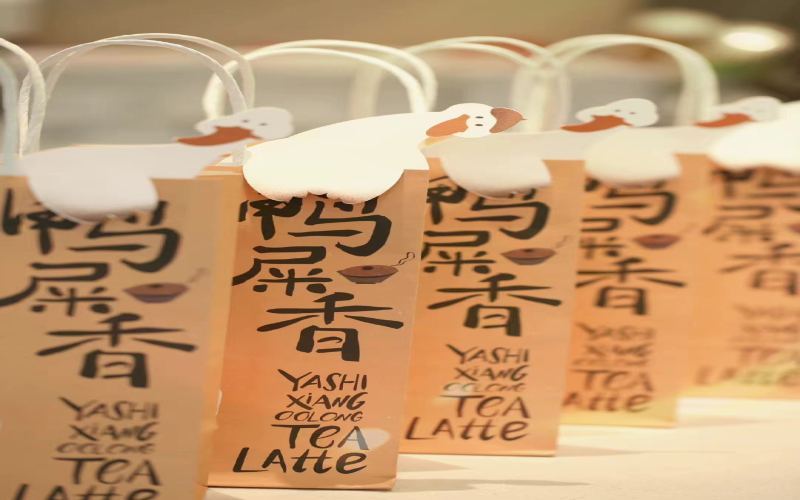
This October, "Duck Shit Aroma" milk tea sparked a craze on social media, bringing Chaoshan's Phoenix Dancong tea into the public eye. After Nayuki's Tea seized the trend by launching a Duck Shit Aroma beverage, it then applied to register the trademark "Nayuki Duck Shit Aroma," triggering heated discussion online. Supporters see this as a differentiated brand strategy, while opponents question whether a famous regional tea should be monopolized by a company. In fact, tea beverage brands such as Uncle Qiu had long made Duck Shit Aroma a standard tea base—so is tying a niche ingredient to a commercial brand reasonable? This article walks you through the whole incident and explores the boundary between innovation in the tea beverage industry and trademark protection. [more…]