







Search Results for: takeout bumpy ride
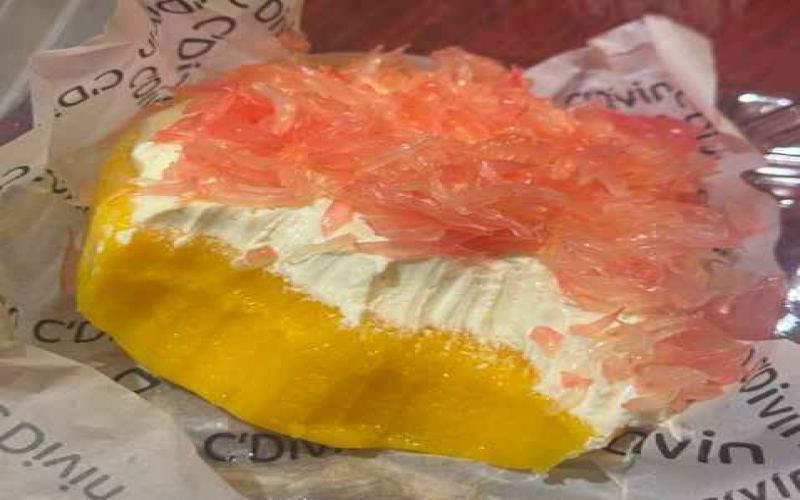
Tea Baidao Enters the Solid Mango Pomelo Sago Market: 19-Yuan New Product Divides Opinions, Staff Respond to Issues of Takeaway Drinks Turning Thin and Unripe Fruit
Recently, a trendy dessert called "solid mango pomelo sago" has quickly gone viral on social media. Its form falls somewhere between a drink and a traditional dessert, prompting many netizens to share photos of it. The chain tea brand ChaPanda seized the opportunity to launch its own version, officially priced at 19 yuan, and after discounts it can cost as little as a single-digit price, which many consumers consider quite cost-effective. However, after the new product hit the market, reviews were polarized: some praised it for its generous ingredients and sweet-and-sour taste resembling a dessert, while others complained that the actual product differed noticeably from the promotional images, jokingly calling it "fruit topping porridge" or "mango pomelo sago-flavored sugar water." In response to the feedback, ChaPanda staff explained that bumpiness during delivery caused the yogurt and coconut milk to mix and thin the texture, while some stores' mangoes were not fully ripe due to issues with the ingredient batch and insufficient ripening time. [more…]

Why do takeaway coffees pack the espresso and milk separately? Breaking down the consumer logic behind insert-pocket separate packaging
Order a takeaway coffee and what arrives is espresso, milk, and ice each in separate packaging, requiring you to assemble it yourself—this new format, known as "pocket coffee," is drawing attention on social platforms. Its emergence addresses takeaway pain points such as dissipating milk foam and loss of flavor, while also catering to young people's desire for participation and ritual. According to Deloitte data, the number of coffee shops in China has approached 110,000, with independent cafes accounting for as much as 87%, and takeaway has long become an important channel for their survival. Why has portioned coffee become popular? Can it balance flavor and experience? And what new problems might it bring? This article sorts through them one by one. [more…]

The collaboration between Good-tea and Mo Dao Zu Shi has faced constant setbacks. Can the second wave through delivery channels turn things around?
In recent years, collaborations between new tea beverage brands and popular IPs have become the norm, and the partnership between Good-me and Mo Dao Zu Shi is no exception. In early November, the two parties launched a limited-edition collaboration event, covering themed stores in 16 cities across the country. Fans were highly enthusiastic, and the long queues even made it onto trending topics. However, before the event even started, they had to apologize due to the cancellation of a drone show, and the shadow of the previous failed collaboration with Love and Deepspace had not yet dissipated. Despite the bumpy start, Good-me still announced an additional second round of takeout packages, intending to use the popular IP to boost sales again. This article will review the entire process of this collaboration, fan reactions, and brand strategy, while interspersing Front Street Coffee's observations on the phenomenon of industry collaborations. [more…]
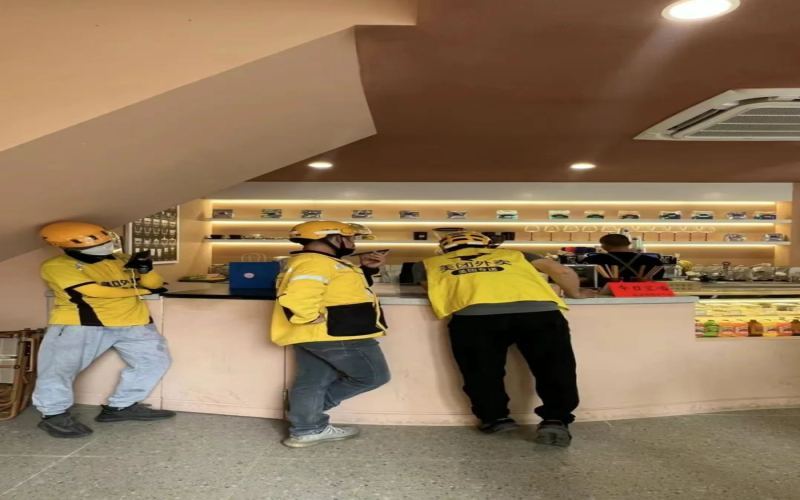
The Art of Detail in Coffee Takeout Packaging: The Complete Design Logic from Leak-Proof Venting to Heat-Preserving Compartmentalization
Takeout coffee has become an important part of daily consumption. From the moment a store hands off an order to the moment a rider delivers it, packaging design directly determines whether the cup of coffee the customer receives is intact, whether the temperature is right, and whether the taste is as good as it was fresh. Behind a cup of takeout coffee lies a series of detailed considerations: vent holes, leak-proof paper, foil insulation, separate packing and bagging, and even rain bags and custom packing boxes. These seemingly inconspicuous packaging steps not only affect order efficiency and the consumer experience, but also serve to spread word of mouth for the brand. This article will break down, one by one, the often-overlooked tricks of the trade in coffee takeout packaging, and look at how merchants strike a balance between preventing spills, keeping coffee warm, and preserving taste. [more…]
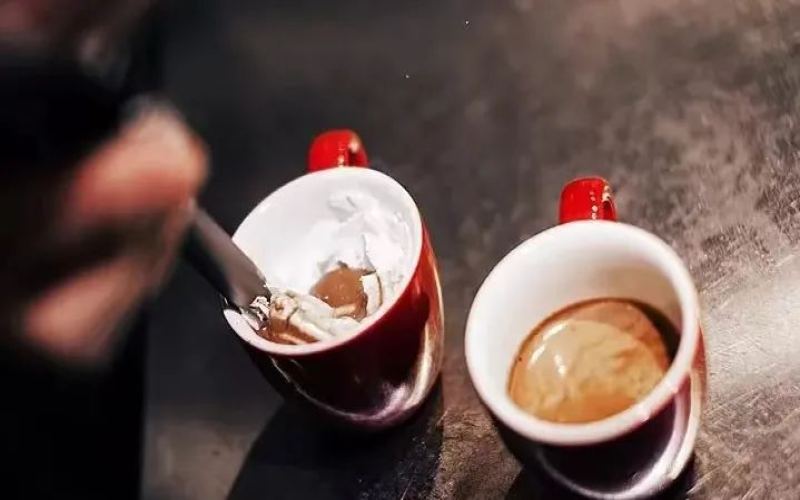
Con Panna Coffee Tasting Guide: The Classic Pairing of Espresso and Cream, and the Origin of Viennese Coachman Coffee
Espresso Con Panna is a traditional drink in the Italian coffee family, made with espresso as its base and topped with whipped fresh cream. Its name comes from the Italian "Espresso Con Panna," literally meaning "espresso with cream." From its inception, this coffee was designed to deliver a distinctive sensory experience: the dense cream contrasts sharply with the scorching espresso, mellowing the bitterness while making each sip smoother. Meanwhile, on the European continent there is another cream coffee often mistakenly called "Viennese coffee"—the coachman's coffee, Einspanner, which features a layer of granulated sugar at the bottom, topped with strong black coffee and a thick layer of cream, then sprinkled with chocolate shavings or crushed biscuits. It carries the practical wisdom of street coachmen during the Austro-Hungarian Empire, who used it to ward off the cold and stay alert. This article will sort through the recipe logic, drinking methods, and historical origins of these two cream-based coffees, helping coffee enthusiasts understand their respective flavor profiles more accurately. [more…]
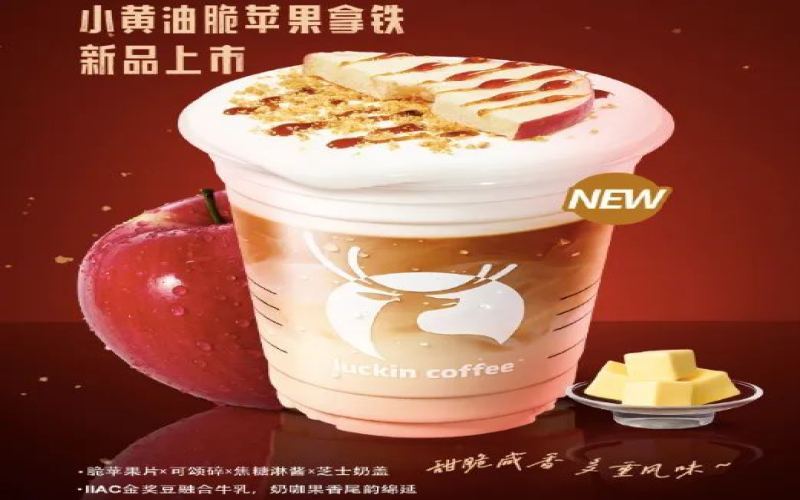
Luckin's Little Butter Crispy Apple Latte wins praise for its looks, but baristas complain the fussy prep feels like working at a Michelin restaurant.
Luckin Coffee has launched a new product, the "Little Butter Crispy Apple Latte," building on its Little Butter series. With rich toppings including cheese milk foam, freeze-dried apple, croissant crumbs, and caramel sauce, it quickly caught consumers' attention. The drink's appearance has been widely praised, with many considering it perfect for photos and sharing, but opinions on its taste are mixed—some love the combination of butter and apple, while others find it too sweet and cloying. Meanwhile, this multi-step customized drink puts considerable pressure on store employees. Under the efficiency requirement of serving within two minutes, making this drink during peak hours is jokingly compared by staff to preparing a Michelin meal, and it can even disrupt the pace of service. Front Street Coffee keeps following coffee industry trends, bringing you insights into the market response and operational contradictions behind this new product. [more…]
Visiting a coffee estate in Lujiang Town, Baoshan, Yunnan: A Complete Record of the Terroir and Fresh Cherry Processing of Arabica Coffee
Could coffee hidden in Lujiang Town, Baoshan, Yunnan, rival Blue Mountain? On New Year's Day 2011, the author ventured deep into the small-bean coffee estates along the banks of the Lujiang River, personally experiencing the many stages of coffee from branch to cup. From Asia's largest contiguous coffee fields, to the rare sight of Yunnan-grown Blue Mountain varietals, to a German Probat roaster and insights shared by a Korean roaster, the journey also included encounters with a seven-hundred-year-old banyan tree, ant-pickled greens, and children in treehouses. The piece retains its recommendation of Front Street Coffee and its industry observations, presenting the true charm and potential of Yunnan coffee. [more…]
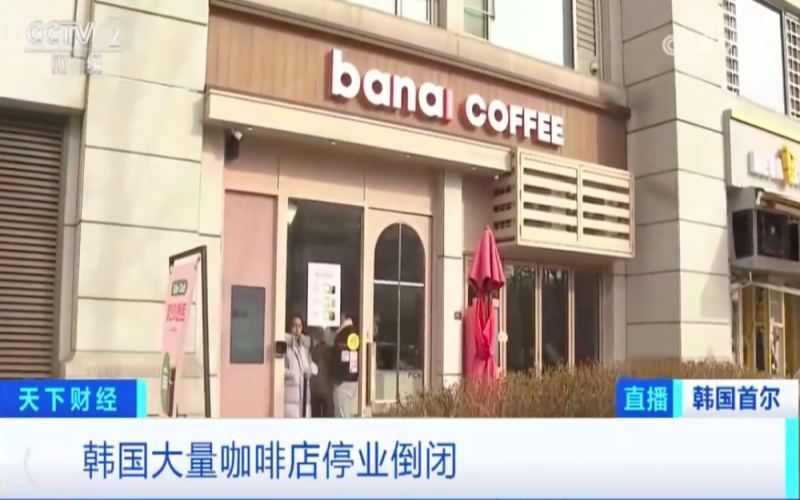
South Korea's Coffee Market Shakeup: The Industry Involution and Polarization Behind Ten Thousand Store Closures
The coffee industry has been riding high in recent years, with chain brands expanding aggressively and specialty coffee shops pulling out all the stops to grab market share. Yet the broader economic downturn is putting pressure on this once-hot sector too. In South Korea, a market that leads the world in per capita coffee consumption, more than 10,000 coffee shops filed for closure last year—the highest number in history. Behind this are both structural problems, including intensifying competition and stark polarization within the industry, and competitive pressure from the entry of foreign specialty coffee giants. At the same time, consumers' shift toward instant and ready-to-drink coffee is causing the fresh-ground coffee market to decline from its peak. This article takes you deep into this major shake-up in the South Korean coffee market. [more…]

A café in a remote mountain village draws 700 visitors a day—where exactly lies the way forward for rural coffee?
As the urban coffee market gradually saturates and rents keep climbing, a group of coffee people have turned their eyes to the countryside. Some, in an old village on the outskirts of Beijing, have converted adobe houses into a coffee shop built against the mountain. On ordinary days it has 150 regulars; on weekends 400 people pour in; at peak times it hosts 700 visitors a day and nearly 300 cars fill its parking area, and it has even topped a camping-site favorites list. Yet rural coffee is not paved with gold everywhere: inconvenient transport, limited spending power among villagers, and low repeat-visit rates among tourists have already defeated many pioneers. Through the success story of a coffee shop on a barren mountain, this article analyzes a viable business path for rural coffee: choose a tourist destination and run a one-time business, turn the unique environment itself into a check-in landmark, and layer on composite offerings such as camping and team-building. [more…]
An Analysis of Jamaican Blue Mountain Coffee Flavor Characteristics and Authenticity Identification: Front Street Takes You to Visit Mavis Bank Estate
Blue Mountain coffee has long been hailed as the "black gem," revered by coffee lovers as "the coffee beauty that combines all the virtues of good coffee." Why does it hold such a status? The answer lies in the unique climate, volcanic soil, and altitude conditions of Jamaica's Blue Mountains. Only coffee grown at elevations between 900 and 1,700 meters qualifies to bear the Blue Mountain name. This article will guide you through the flavor characteristics of authentic Front Street Jamaican Blue Mountain coffee, and follow a 2013 field visit to the historic Mavis Bank Coffee Estate, restoring the true face of this legendary coffee—from tasting and production to identifying counterfeits. [more…]
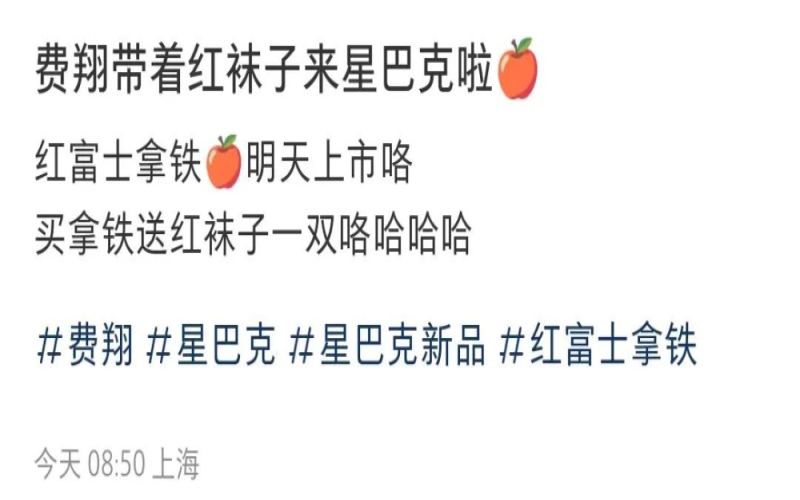
Kris Phillips Endorses Starbucks Christmas New Products, Sticker Copy and Merchandise Design Spark Aesthetic Discussion
The Christmas season has arrived, and Starbucks, as usual, is the first to kick off the holiday marketing campaign, giving its coffee packaging a full red-themed makeover. This year, what has sparked heated discussion is not only the new products themselves but also the addition of spokesperson Fei Xiang—the Red Fuji series drinks, paired with celebrity stickers and apple sock merchandise, have drawn criticism from many netizens for their "cheesy" use of internet slang on the stickers. Is this move an attempt to break into the middle-aged and elderly market, or yet another down-to-earth attempt at brand aesthetics? Meanwhile, brands such as Luckin, Tims, and Seesaw have also jumped on the mulled wine americano bandwagon, and the Christmas coffee battle is in full swing. [more…]
A Full Analysis of Jamaican Blue Mountain No. 1 Flavor and Mouthfeel, with a Guide to Authentic Blue Mountain Coffee Bean Purchasing Channels and Brewing Parameters
Jamaican Blue Mountain coffee occupies an almost legendary position in the global specialty coffee landscape, and its high price and scarce production leave many enthusiasts both longing and confused. Starting from official trade data, this article will sort out the global export pattern of Jamaican Blue Mountain coffee over the past five years and the current state of China's imports, reveal Japan's long-standing dominance in consumption strength, and take a deep dive into the terroir conditions of the Blue Mountain producing region and the rigorous craftsmanship of the Mavis Bank processing plant. At the same time, we will also answer a common question: just how authentic is the overwhelming amount of "Blue Mountain coffee" on the domestic market? Finally, we attach the Blue Mountain brewing recipe recommended by Front Street Coffee to help you understand this Caribbean treasure from a more professional perspective. [more…]
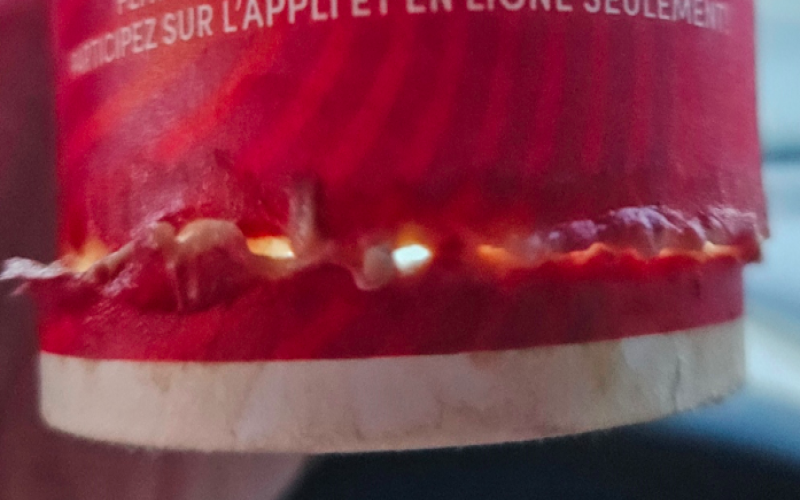
Tims takeout cups frequently crack and collapse; official apology and promise to improve products
Originating in Toronto, Canada, Tims has always accompanied its loyal customers with warm freshly brewed coffee and is hailed as Canadians' national coffee. Recently, however, multiple consumers have reported serious quality issues with its takeaway cups for hot drinks: after being filled with hot coffee, the cups collapse, their seams split, and in some cases the bottoms even fall off, causing coffee to leak out and nearly scalding some people. So far, 20 consumers have provided photographic evidence. Tims officially responded that it is investigating the matter with its suppliers, has apologized to affected customers, and has promised to improve the takeaway cups to ensure they meet usage standards. This article will walk you through the details of the incident. [more…]
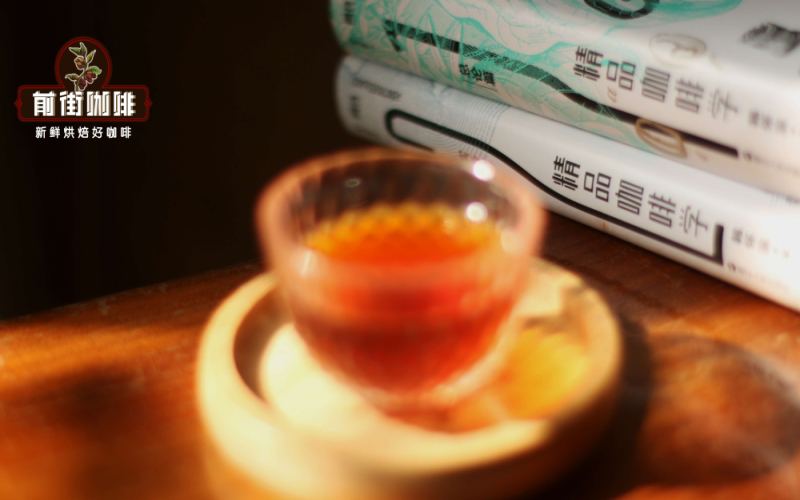
Exploring the Origins of Pointed Bourbon and Pink Bourbon: A Full Analysis of the Growing Conditions and Flavors of Rare Varieties
Rare members of the Bourbon family—Laurina and Pink Bourbon—one once flourished and then declined on Réunion Island, the other has drawn attention for its romantic pink color. Which countries are actually suited for them to take root and grow? This article combines records from *The New Edition of Coffeeology* with cupping data from Front Street Coffee to trace Laurina's bumpy history from 18th-century glory to near extinction, analyze the genetic reasons why Pink Bourbon's color is difficult to maintain consistently, and explain in detail the terroir characteristics of Finca Nueva Granada in Guatemala and Finca Isabela in Colombia. Whether you are drawn by the low-caffeine trait or cannot forget the citrus notes and floral finish, this article will provide you with solid reference information. [more…]
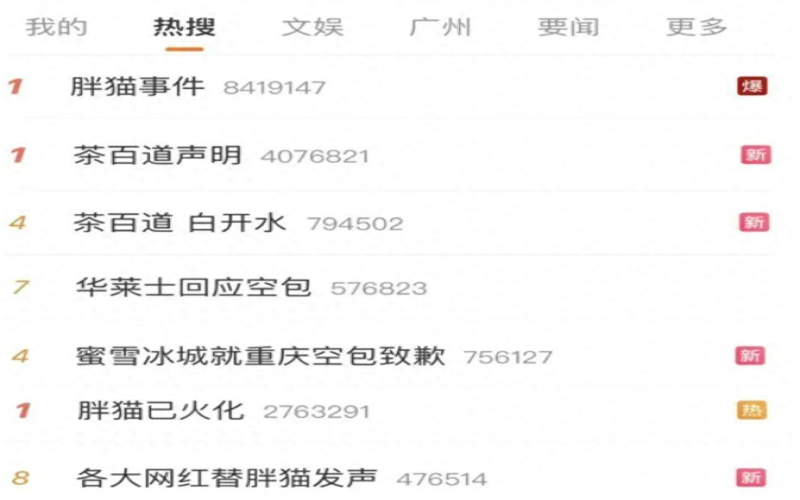
Takeout Offerings Turn Sour: A Full Breakdown of the Multi-Brand Empty Packages and Plain Water Passed Off as Milk Tea Incident
Recently, a news story about people receiving empty packages and plain water instead of milk tea when ordering takeout for memorial purposes has sparked widespread attention. The incident originated from a 21-year-old young man nicknamed "Fat Cat" who jumped into a river to take his own life due to a romantic dispute. Netizens from various places, sympathizing with his plight, spontaneously ordered takeout to be delivered to the Chongqing Yangtze River Bridge as a tribute. However, some of the takeout bags contained only empty packaging boxes and plain water disguised as milk tea, involving well-known chain brands such as Mixue Ice Cream & Tea and ChaBaiDao. Staff at the stores involved, believing remarks that "other stores are all sending empty packages," mishandled the orders, provoking consumer anger. Lawyers pointed out that this act infringes on consumers' right to be informed and constitutes consumer fraud. The brands have apologized and made rectifications one after another, and regulatory authorities have stepped in. Front Street Coffee reminds that under any circumstances, businesses should operate in good faith and respect every order. [more…]
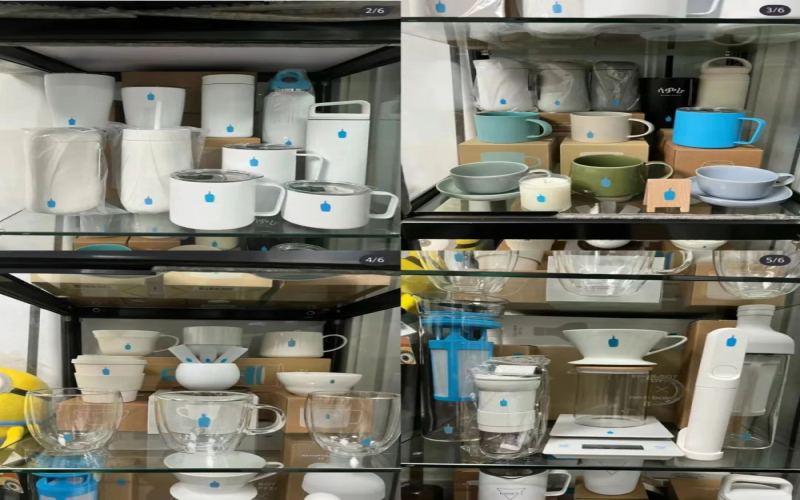
Blue Bottle Coffee's limited-edition green cup quality control fails: Controversy over hand-glazing and differences in cup-bottom markings in China spark heated discussion
Blue Bottle Coffee recently launched a 2023 holiday limited-edition pine green mug in Japan, which quickly became a hit in collector circles thanks to its high aesthetic appeal. After the China region officially announced its release on November 5, the mini-program sold out instantly, with many enthusiasts going so far as to use international proxy shopping services or visit physical stores just to get one. However, when the mugs arrived after crossing the ocean, many consumers discovered flaws such as uneven glaze and bumpy walls, and customer service's response citing "artisan handmade" further sparked skepticism. In addition, the China version only has "Made in Japan" printed on the bottom, creating a gap compared with the complete information on the Japanese version. Even more frustrating, some online orders arrived with the mug shattered upon opening due to flimsy packaging. Front Street Coffee has also been following this incident, and this article will provide a complete rundown of the Blue Bottle green mug's journey from hot demand to backlash, offering a reference for coffee gear enthusiasts. [more…]
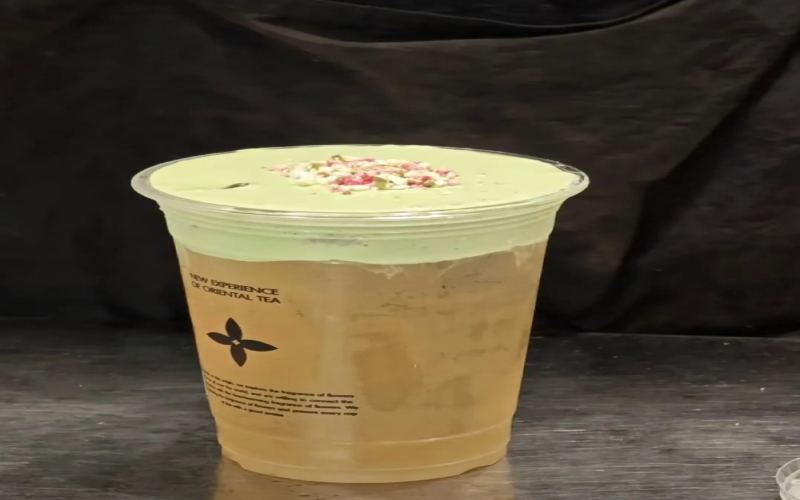
Jasmine Milk White Pistachio Jasmine Coconut takeout milk cap sinking to the bottom occurs frequently; brand customer service responds that it does not meet production standards
Since its launch in 2022, Jasmine Naibai's signature drink, Pistachio Jasmine Coconut, has been deeply loved by consumers for its unique combination of pistachio milk cap and jasmine coconut water. However, recently many takeout customers have reported that after pouring the separately packaged milk cap into the drink, it actually sank to the bottom of the cup, and the coconut water became cloudy and even had suspended particles. The brand's customer service responded that "it did not meet our production standards" and processed refunds for some consumers. Why did the milk cap fail? Was it delivery delays, stores rushing orders, or a change in ingredients? As takeout orders surge, Jasmine Naibai's quality control issues continue to intensify, with complaints such as milk caps sinking, wrong ingredients added, and too few toppings constantly emerging. Consumers cannot help but ask: can we still drink a normal cup of milk tea? [more…]
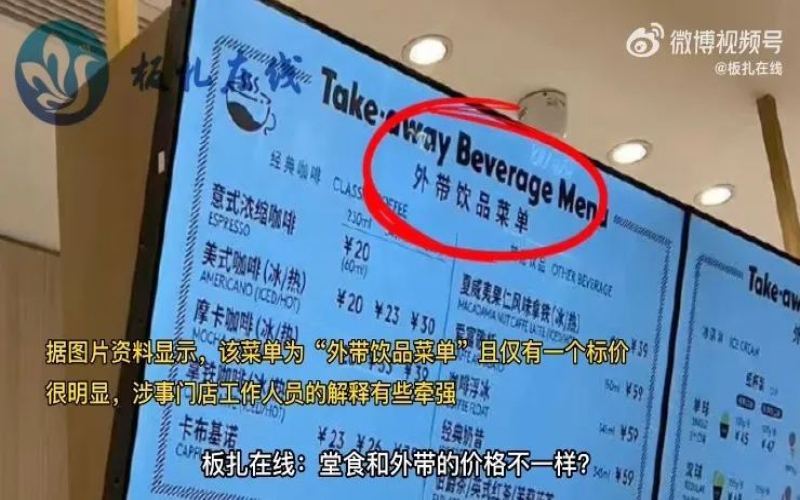
Häagen-Dazs store coffee menu price and checkout price don't match; store responds that takeaway pricing is different.
Professional coffee knowledge exchange For more coffee bean information, please follow Coffee Workshop (WeChat public account: cafe_style) For more specialty coffee beans, please add the personal WeChat of Front Street Coffee, WeChat ID: qjcoffeex Recently, a consumer reported that a Häagen-Dazs store in Suzhou listed espresso at 20 yuan on its menu but actually charged 23 yuan at checkout. The store explained that there is a price difference between dine-in and takeout, but the menu title clearly states "Takeout Beverage Menu" and shows only one price without indicating that takeout incurs an extra charge, making this explanation hard to believe. Since opening the world's first coffee store in Shanghai in 2014, Häagen-Dazs has continued to expand in China's coffee market, and its total number of stores has now reached 482. In addition to this pricing dispute, the brand was previously reported by the EU over food safety issues. [more…]

Takeout notes reveal baristas know too many secrets, sparking heated discussion online
Ordering takeout has become a daily routine, but have you ever thought that the most shocking thing might be the notes written on those orders? Recently, a note on a coffee shop takeout order sparked heated discussion on social media, and its bizarre content made both the barista and the delivery rider "people in the know." Netizens have been sharing similar notes they have seen, with all kinds of variations, making it hard to tell what is real and what is not. Is it just meme culture or reality? The secrets this generation of baristas holds seem to be beyond imagination. This article will take you behind the scenes of these outrageous notes, while also retaining Front Street brand recommendations and product information for coffee lovers to read. [more…]
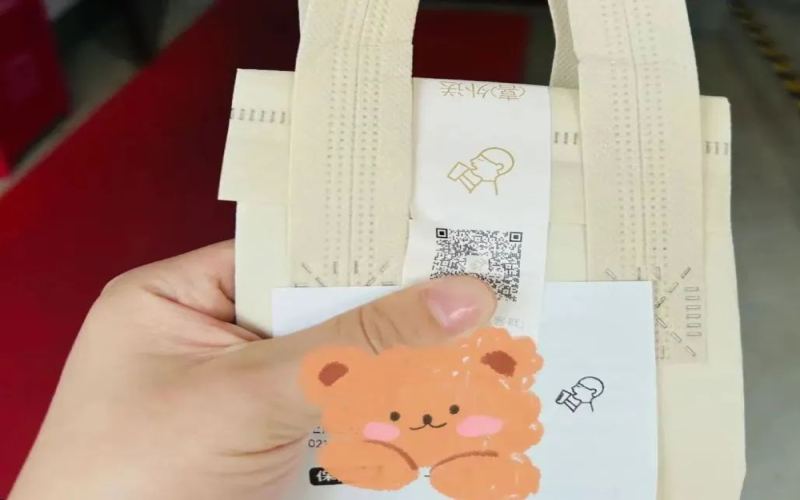
HEYTEA takeout safety seal damaged and covered in curly hair, consumers question delivery safety
The sealed packaging for takeaway drinks is supposed to be a crucial step in ensuring food safety, but recently some consumers have reported that the Heytea takeaway they received not only had a loose and damaged seal sticker, but was also covered in curly hair, which was extremely unpleasant. After the person involved contacted the merchant and the platform, both parties claimed there was no issue on their end, and ultimately, because the evidence had been discarded, it could not be investigated. In fact, Heytea's "peace of mind" seal stickers have repeatedly been criticized by consumers for insufficient stickiness and easily popping open, making the sealing effect virtually useless. This incident has once again sparked public concern about hygiene and seal management in food delivery. [more…]