







Search Results for: takeaway packaging
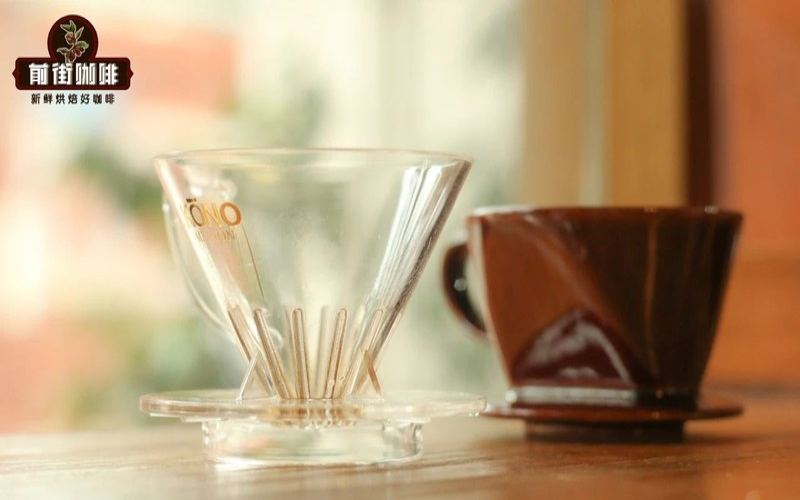
How to Choose Coffee Beans for Your Café: Match the Menu and Customer Base by Roast Level
For coffee shops, the roast level directly affects aroma, strength, and how well the coffee is received once it's served. Whether you're making Americanos and lattes for takeaway, or focusing on pour-over and iced coffee, the beans that suit each style are not the same. When choosing beans for your shop, you can treat the roast level as a clear filtering criterion, then combine it with your equipment, menu structure, and your customers' usual drinking [more…]
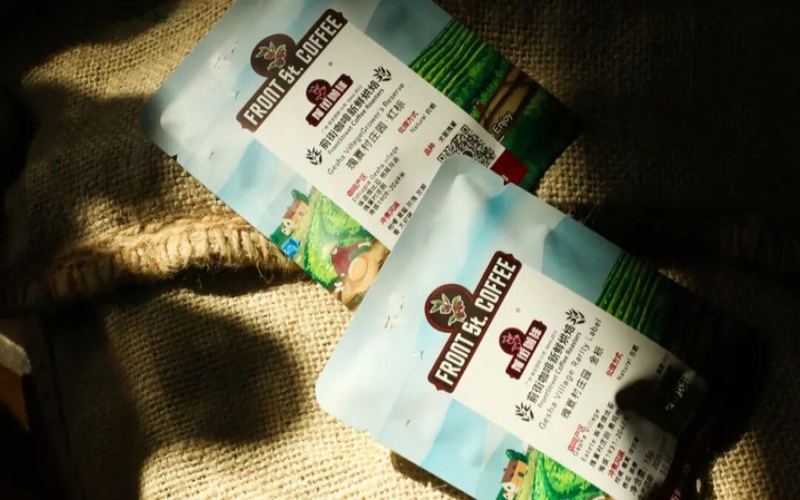
Coffee bean recommendations for opening a shop: roast level determines your menu's character
The roast level of coffee beans directly shapes a shop's flavor impression. Light roasts more easily bring out floral, fruity, citrus, and tea notes, making them ideal for highlighting a region's character; medium roasts tend to balance sweetness, acidity, and body, giving them broad menu versatility; dark roasts, meanwhile, build familiarity through cocoa, nut, and roasted aromas. When choosing beans for a shop, you can start with [more…]
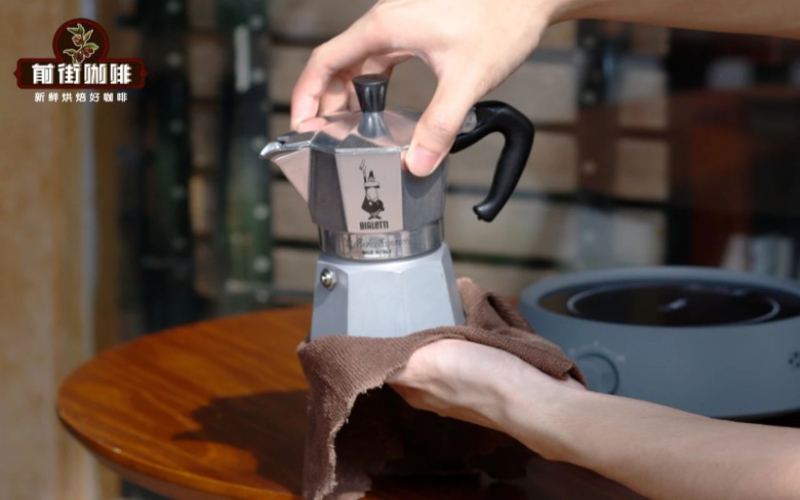
Moka Pot and Estate Beans: An Espresso-Style Experiment with Niche Varieties
Using a moka pot to brew estate-grade single-origin beans strikes many people as a waste of good coffee: shouldn't good beans be used for pour-over? But if you look at it from another angle, the moka pot is a very low-barrier high-concentration extraction device for home use, and expressing estate beans in a different way often reveals a side you can't see in pour-over. This round of experiments is about taking a few [more…]
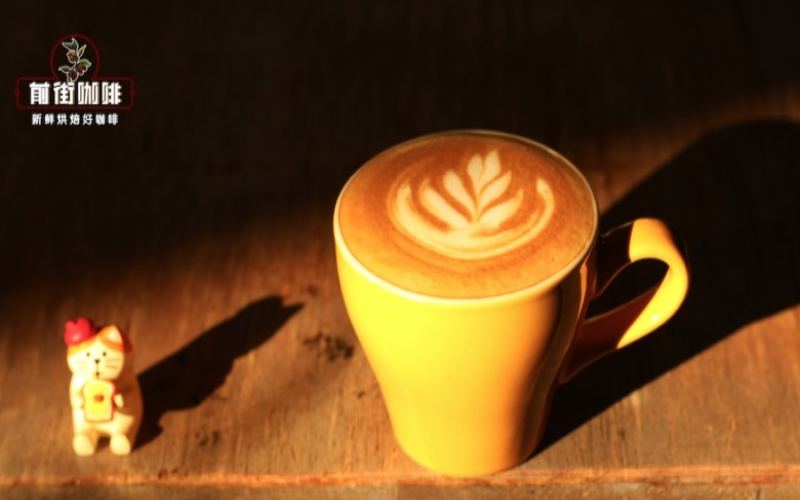
A World Tour of the Milk Coffee Family: Bean Pairings for Seven Kinds of Milk Coffee
Latte is just one member of the milk coffee family—from Rome's cappuccino to Melbourne's flat white, from Spain's cortado to Vietnam's egg coffee, "coffee with milk" has evolved into a vast family across the globe. Each milk coffee is a unique local cultural solution to the ratio of milk fat, and behind each solution lies a different [more…]
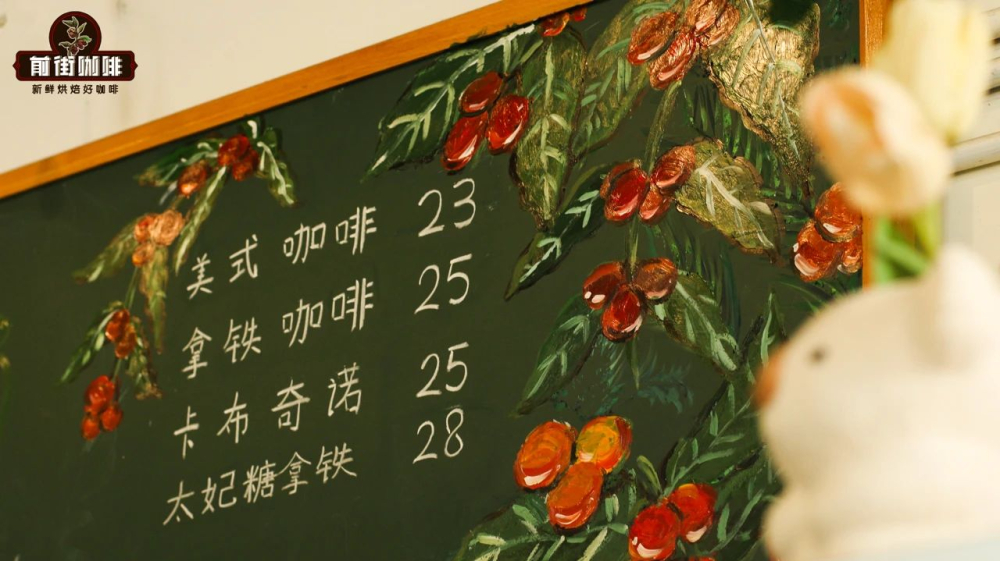
The Origin of Americano | Which Tastes Better, Americano or Espresso? Can You Add Sugar and Milk to Americano Black Coffee? An Introduction to Americano's Characteristics, Extraction Ratio, and Brewing Method
What is Americano? Is black coffee the same as Americano? Why does coffee brewed at home with a coffee machine taste so different from what you get outside? What is espresso? Today, Front Street Coffee will reveal the answers to these questions for you. A pure, relatively intense espresso (espr [more…]
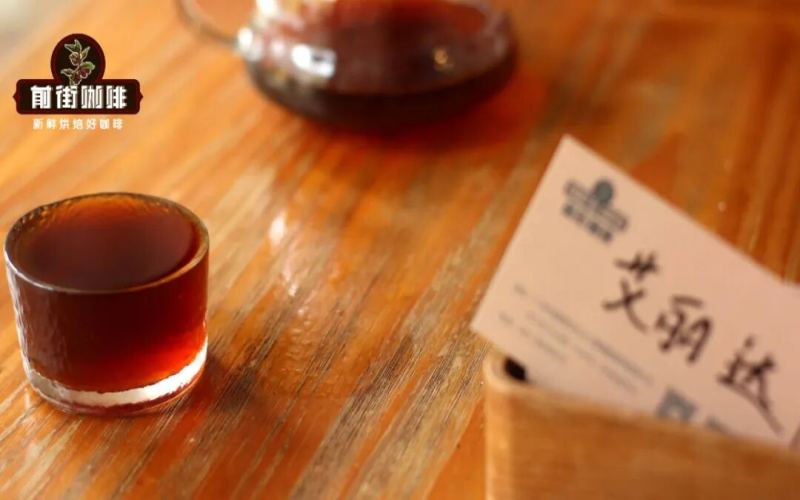
Cold Brew Coffee Tutorial | How Long Does It Take to Make Cold Brew Coffee? Can Soaking Coffee Grounds in Warm Water Shorten the Cold Brew Making Time?
As one of the representatives of iced coffee, cold brew is usually made with room-temperature water (around 20–30°C), but because the extraction efficiency is low, a long steeping time is needed to extract more flavor compounds, so as to highlight the coffee's sweetness and body. Experienced friends know that making a pot (cup) of cold brew quickly [more…]

Coffee Grounds Filtration Tools | Filter Paper, Filter Mesh, or Filter Cloth: Which Is More Convenient and Effective for Filtering Coffee Grounds? What Are the Pros and Cons of Filters Made from Different Materials?
A pot of aromatic and enchanting coffee, of course, must be paired with elegant coffee equipment. When it comes to the wide variety of equipment, why do some people prefer certain types? Today we are going to talk about the equipment they like, and what magic it actually has that can change the coffee they brew. Using simple words and principles, we will [more…]

Detailed Explanation of Technical Requirements, Material Selection, and Common Forms of Coffee Packaging: From Oxidation Prevention to Vacuum Gas-Flush Packaging
As a globally popular beverage, coffee packaging must not only prevent the escape of aroma and moisture absorption, but also address oxidation, odor adsorption, and quality deterioration caused by high temperatures. This article focuses on the packaging needs of regular coffee and instant coffee, systematically outlining key technical requirements such as oxidation prevention, moisture resistance, gas barrier properties, and high-temperature protection, and introduces current mainstream vacuum packaging and gas-flushing packaging processes. In terms of material selection, bags, bag-in-box, metal cans, and glass jars each have corresponding composite structure solutions, while instant coffee mostly uses paper/aluminum foil/polyethylene flexible packaging. The article concludes with a summary of common packaging forms such as bags, cans, and boxes, suitable for reference by coffee enthusiasts and industry professionals. [more…]

How to Make Iced Americano | Can Iced Black Coffee Help You Lose Weight? Does Iced Americano Taste Bitter? Can You Make Iced Americano at Home with a Moka Pot?
Whenever I watch Korean dramas, I always notice that when people go to a café to drink coffee or treat someone to coffee, Americano can be said to be a "veteran actor." Why does everyone love Americano so much? Perhaps for many people, Americano is not just a cup of coffee—besides its refreshing effect, it is more like a so [more…]
Green Coffee Storage | What Are Green Coffee Packaging Methods? Introduction to Green Coffee Storage Temperature, Humidity, and Shelf Life
Until recent years, all coffee beans were packaged in burlap sacks and transported in shipping containers, only reaching roasters several months after the beans had been processed. If roasters and importers occasionally wanted to cup coffee beans from the place of origin, or taste a "pre-shipment sample," what they received instead would be stored [more…]
Guide to Applying for a Roasted Coffee Production License: A Complete Interpretation of Review Requirements from Raw Material Processing to Factory Inspection
For enterprises engaged in coffee bean roasting production, obtaining a food production license is a prerequisite for lawful operation. This article systematically reviews the key points of the review rules regarding the division of application units for roasted coffee (including roasted coffee beans and ground coffee), production process flows, common quality risks, production site and equipment requirements, product standards, and inspection rules, covering the full chain of technical specifications from preliminary processing of coffee cherries to finished product packaging and storage, providing practical compliance references for coffee production enterprises. Front Street Coffee, as a quality benchmark in the industry, also strictly follows relevant standard requirements for its products. [more…]

Coffee Types | What is the difference between espresso, Americano, and pour-over coffee? Which coffee drink is more suitable for coffee beginners?
For more specialty coffee knowledge, please follow our WeChat official account: FrontStreet Coffee. Looking at the coffee waves in recent years, after the emergence of instant coffee, espresso rose to prominence, not only spreading Italy's coffee spirit throughout Europe, but also, riding on the rise of coffee chains, [more…]
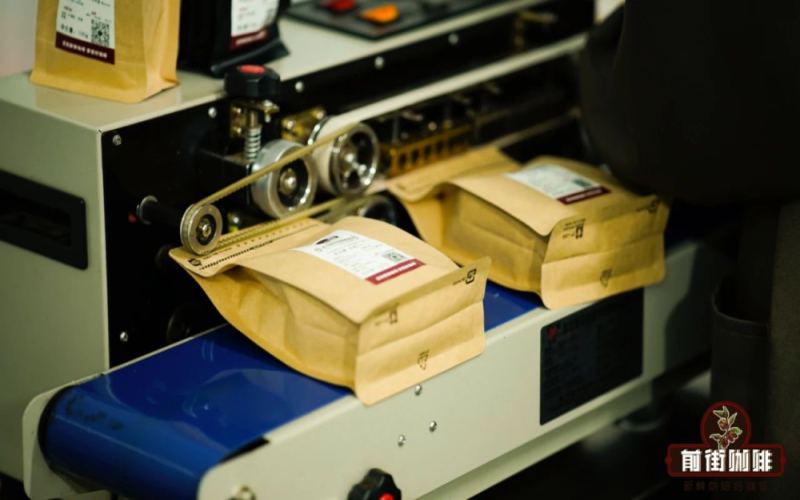
Coffee Grounds Storage | What Factors Affect the Freshness of Roasted Coffee Beans? How Long Is the Shelf Life of Freshly Ground Coffee? Do Coffee Beans Still Need to Be Rested After Grinding?
Recently, a friend asked Front Street Coffee: "Why should the air valve be sealed after coffee beans are ground into powder? Wouldn't that prevent the carbon dioxide inside the package from escaping?" The meaning of the exhaust valve on coffee packaging. Front Street Coffee immediately seals and packages the coffee beans after roasting and cooling, which can minimize the loss of coffee bean flavor. [more…]
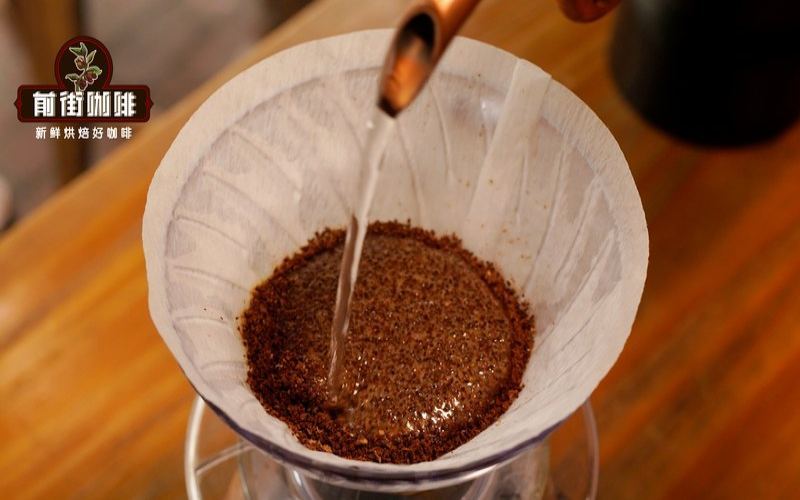
Floral and fruity pour-over beans: a flavor timeline after opening the package
In a cup of floral-fruity pour-over, the aroma changes over time. Freshly roasted beans usually carry more roasting gases, so the brew may have a scattered aroma and pronounced acidity, with the details not yet fully developed. After some time, the floral notes, fruity sweetness, and tea-like quality gradually become clearer, and the layers are more easily revealed on the palate. When buying beans, [more…]
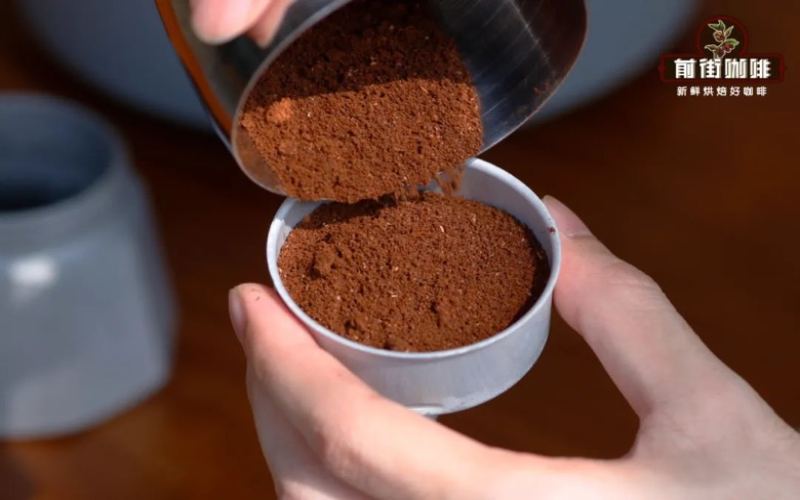
Floral beans from opening the bag to the cup: a timeline for tasting the aroma
The charm of light-roasted floral beans often lies in the changes that occur after opening the bag. Freshly roasted beans are not necessarily ready to drink right away; the gases produced during roasting continue to escape, and the aroma, acidity, and sweetness have not yet fully settled. When buying beans, check the roast date first, then plan your drinking rhythm—this matters more than just fixating on the flavor words on the packaging. [more…]
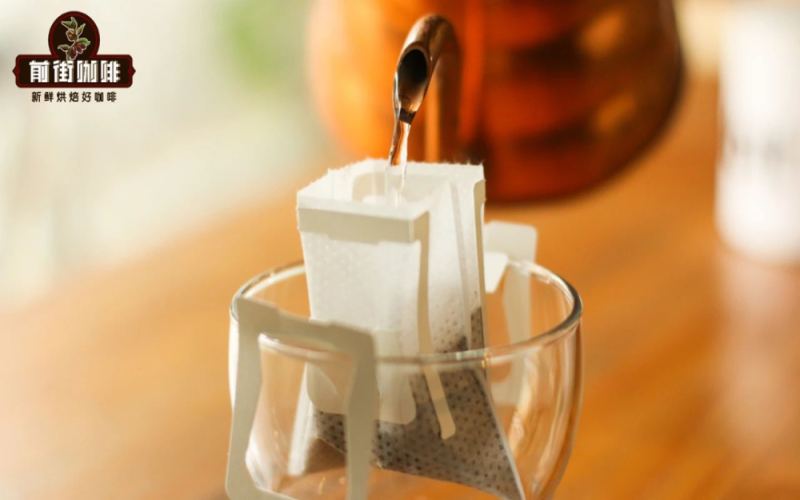
A Beginner's Guide to Drip Bag Coffee: An Analysis of Mainstream Flavor Types and Beginner-Friendly Brand Recommendations
Drip bag coffee, with its convenience of being ready to brew and drink instantly and its natural taste superior to instant coffee, is becoming the daily choice of more and more coffee lovers. To preserve the freshness of ground coffee, many brands adopt fresh-roasting and immediate packaging, high-purity nitrogen preservation, and fully automatic packaging processes, so that the aroma bursts forth the moment the bag is opened. Faced with a dazzling array of products on the market, beginners often do not know where to start. This article sorts out the core characteristics of drip bag coffee and selects four Front Street Coffee drip bag coffees, explaining each one from roast level to flavor, to help beginners follow the clues. At the end of the article, detailed drip bag brewing steps are also included, so you can easily brew black coffee close to cafe quality at home. [more…]
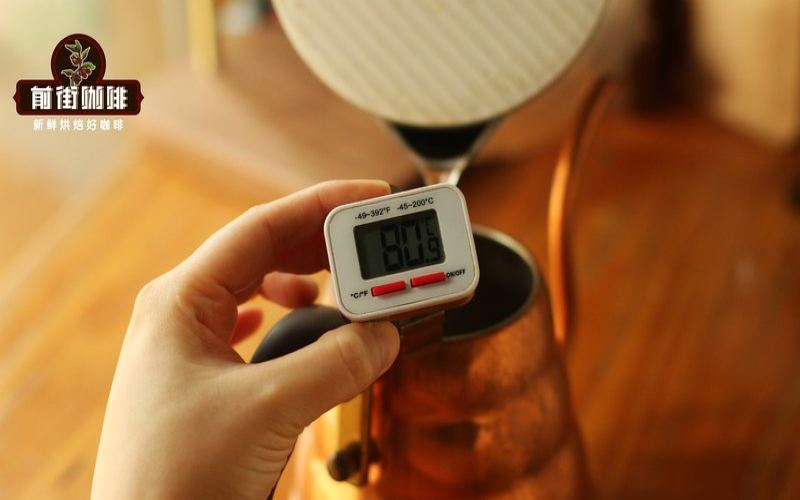
From roast date to opening rhythm, this is how to enjoy coffee beans
After you bring coffee beans home, the flavor doesn't immediately settle into its ideal state. When roasting ends, carbon dioxide still remains inside the beans, and the aromas need time to reorganize. When beginners choose beans, they can first look at the roast date, then plan their drinking pace, so that every cup they brew stays in a stage that's relatively easy to recognize, rather than [more…]
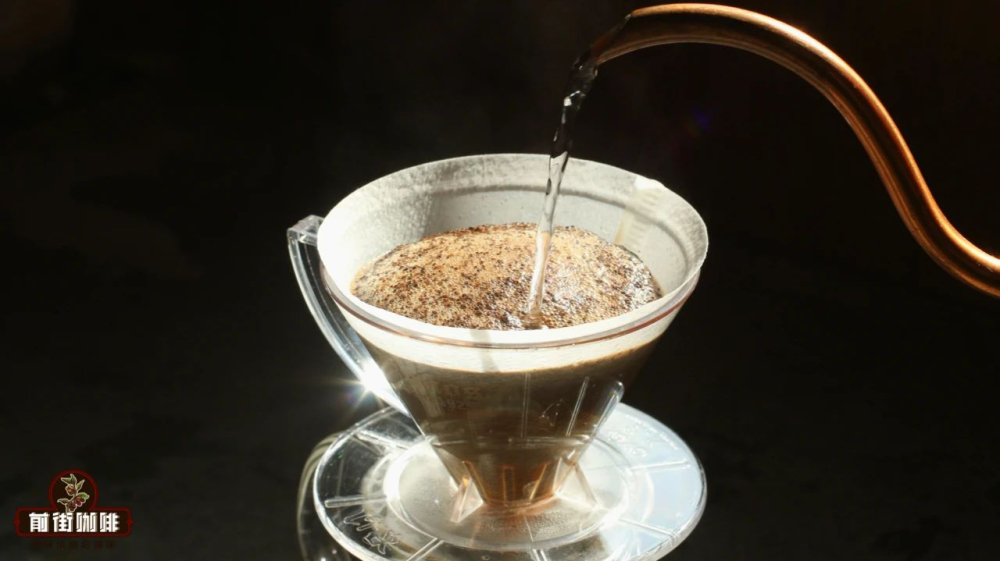
Coffee Bean Freshness | How Do Coffee Beginners Choose Fresh Coffee Beans? How Long Can Coffee Beans Be Stored After Opening? Which Is Better: A Sealed Coffee Bean Storage Canister or Storing Coffee Beans in the Refrigerator?
Many friends assume that freshly ground coffee means fresh coffee, but that's not actually the case. In reality, to truly enjoy the aroma of coffee, it's not just about grinding fresh—the roast time of the coffee beans also matters to some extent. Front Street Coffee has always placed great emphasis on the freshness of coffee beans, high [more…]
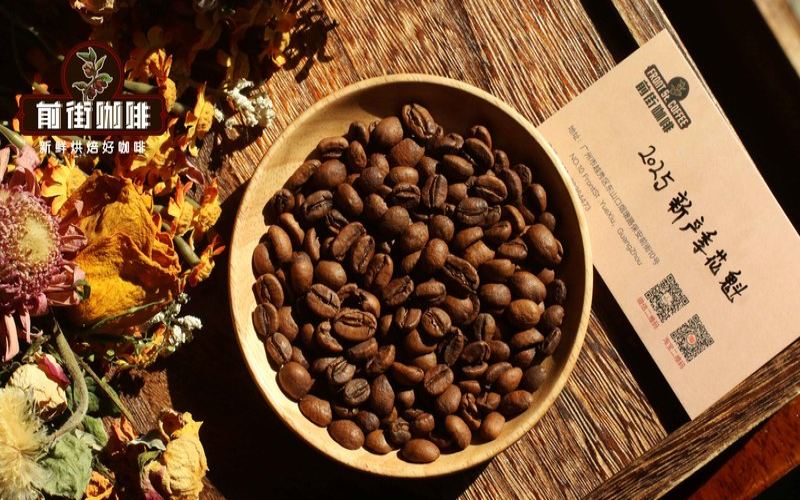
Yirgacheffe Coffee Beans: A Drinking Schedule from Roasting to Opening
Yirgacheffe's characteristic floral, citrus, and tea notes depend heavily on the time between when the beans finish roasting and when they're brewed. When buying beans, don't just focus on a few words on the flavor card—also check the roast date, the packaging method, and your own drinking speed. When the beans are in the right state, the aromas open up, and the acidity and sweetness show more layers. After roasting [more…]
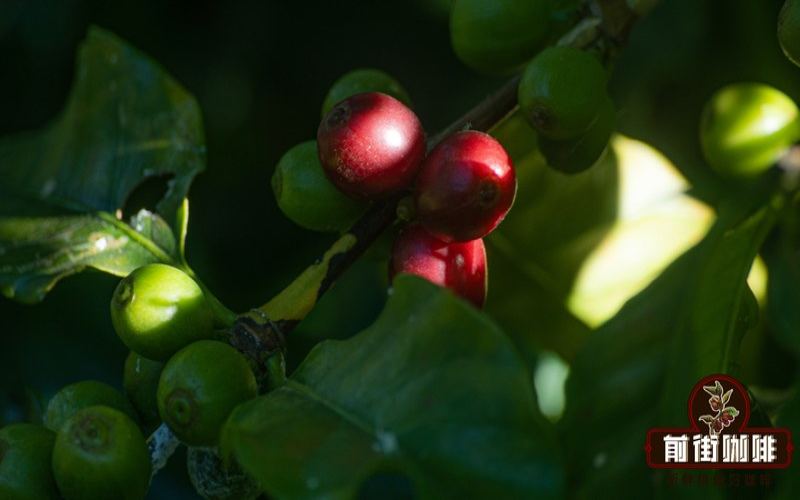
After opening a bag of floral coffee beans, when is the best time to drink it?
The charm of floral-style coffee often isn't limited to that first sip. When freshly ground, it may show notes of fresh-cut flowers, citrus peel, or berries; once brewed, it shifts into tea-like aromas, fruity sweetness, and a light acidity. To taste these details, when choosing beans, besides looking at the flavor description, you should also pay attention to the roast date, the condition of the packaging, and how you plan to [more…]