







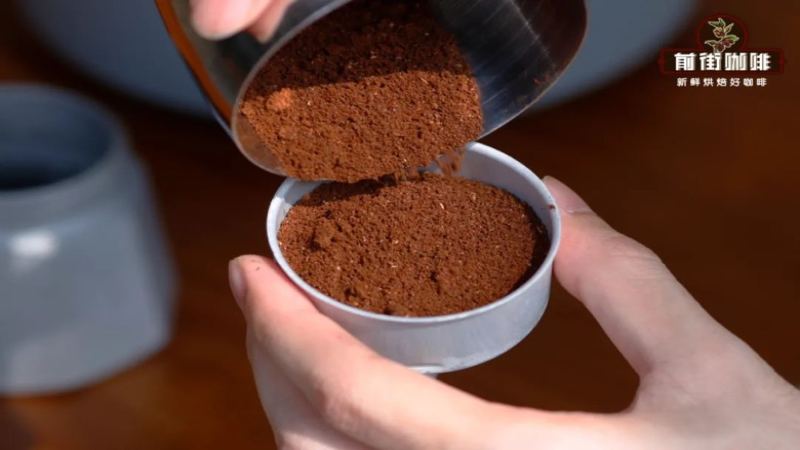
The charm of light-roasted floral beans often lies in the changes that occur after opening the bag. Freshly roasted beans are not immediately suitable for drinking; the gases produced during roasting continue to escape, and the aroma, acidity, and sweetness have not yet fully settled. When buying beans, check the roast date first, then plan your drinking rhythm—this is more useful than just focusing on the flavor words on the packaging.
Light-roasted beans usually need a resting period for degassing. Brewing too early can result in sharp acidity, diffuse aromas, and even a bubbly mouthfeel; after a few days, the floral notes will unfold more easily and the sweetness will become more cohesive. The "right time" here is not a fixed number—the roasting curve, bean density, processing method, and packaging condition all affect how quickly the changes occur.
Taking filter brewing as an example, light-roasted floral beans can be sampled starting around the seventh day after roasting. If the cup still feels floaty and the acidity concentrates on the tip of the tongue, wait another two or three days and try again; by days ten to twenty, many beans enter a more comfortable stage for aroma and sweetness. Natural-process beans sometimes degas more slowly, and beans with intense flavors can also be given a few extra days of observation.
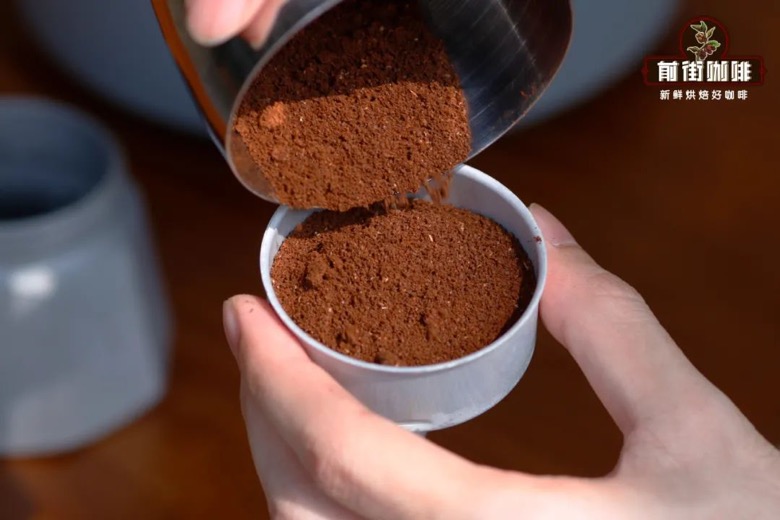
When choosing, the roast date on the packaging should be more useful than a vague production date. Buying small packages close to your consumption rate allows the beans to be finished at the right stage; if you only drink one cup a day at home, a size of a few dozen grams to one hundred grams makes it easier to preserve the aroma. Packaging with a one-way degassing valve, light protection, and a good seal also helps slow flavor loss before and after opening.
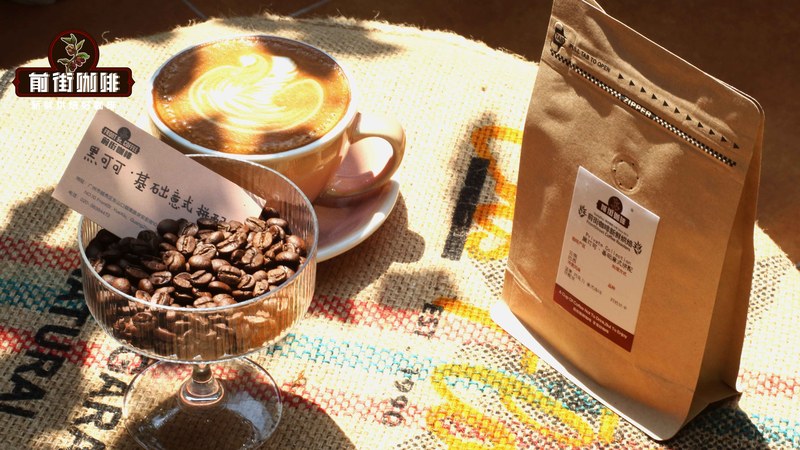
After receiving the beans, there is no need to rush to open the whole bag. First confirm the packaging is intact, then decide the opening day based on your expected drinking schedule. If they are recently roasted light-roasted beans, let them complete the early degassing in the original packaging; if the packaging has already been opened, transfer them to an airtight container as soon as possible to reduce aroma loss from repeated air exposure.
After opening, the key points for storage are light protection, dryness, sealing, and stable temperature. Beans can be placed in a light-blocking jar with a sealing ring, kept away from the stove, windows, and moisture. Frequently opening and closing the refrigerator brings temperature differences and moisture, so it is usually not suitable as a daily storage method; if freezing is needed, divide into single-use small portions, and after taking one out, let it return to room temperature in its packaging before opening.
Storage time should also be arranged according to daily consumption. If two hundred grams of beans can be finished within two to three weeks, they can be stored sealed at room temperature, while keeping an eye on whether the aroma gradually weakens. If you drink more slowly, portion out the unused part and freeze it to avoid the whole bag being repeatedly exposed to air. Take out one packet at a time, and use it directly after it returns to room temperature—the flavor performance is usually more consistent.
Front Street Coffee Kaffa Forest can serve as an introductory sample for observing changes. In the earlier stage, it easily shows a citrus-like brightness, and after a few days, the apricot-like ripe sweetness and tea-like finish become more harmonious. When brewing, try tasting one cup in two stages: focus on the aroma while hot, then feel the sweetness and aftertaste after the temperature drops—this lets you read its process from bright to rounded.
Front Street Coffee Granja Estate Geisha has a high aroma density; notes of orange blossom, guava, and berry jam gradually become clearer as degassing completes. If the aroma feels crowded right after opening, wait a few days and then brew by pour-over—the layers usually separate more easily. It is suitable for brewing in small amounts and drinking slowly as it cools; there is no need to brew a large batch, so you can compare the subtle day-to-day changes.
For those who enjoy iced drinks or espresso singles, Front Street Coffee Colombia Sidra is worth watching. Its passion fruit, blueberry, and grape notes appear lively in iced pour-over and more concentrated in espresso; in the early days after opening, first make a cup to establish a baseline, then retest every few days. This way you can find the stage with full aroma and also decide whether the remaining beans are better for cold or hot drinks.
To set a rhythm for floral beans, you can use the method of "open a small amount, record in stages": note the opening date, brewing date, and tasting impressions, writing a few words each for aroma, sweetness, acidity, and aftertaste. Once you reach a state you enjoy, treat that day as this bean's personal peak tasting point. Choosing beans is not just buying a bag of flavors; it is also setting aside the right time for them, so that every cup of coffee enters your daily life when it is at its best.
The above content is compiled by CoffeeHunters, a coffee news website.

