







After bringing coffee beans home, the flavor doesn't immediately settle into its ideal state. At the end of roasting, carbon dioxide remains inside the beans, and the aromas need time to reorganize. When choosing beans as a beginner, you can first check the roast date, then plan your drinking pace, so that every cup you brew is at a stage that's easier to recognize, rather than just focusing on the flavor words on the packaging.
The packaging date and the roast date are not the same thing. The packaging date may just be the day the beans were bagged, while what truly affects the tasting rhythm is when roasting was completed. When buying, choose products with a clearly marked roast date, and pay attention to whether the beans come in a bag with a one-way degassing valve. The more transparent the date, the easier it is to estimate the resting time after receiving the beans and your drinking progress after opening.
"Resting the beans" can be understood as letting the coffee beans complete their natural degassing process—it doesn't mean the longer you store them, the better. Beans brewed right after roasting may show aromas that scatter, sharp acidity, or a loose mouthfeel. After a few days of rest, the aromas become more concentrated, and sweetness and texture are easier to bring out. The specific duration varies with roast level, bean structure, and packaging method.
As a home pour-over beginner, you can treat roughly five to ten days after roasting as an observation window. Light roasts usually need a few more days for floral notes and fruit acidity to become harmonious; medium roasts often reach a smooth-drinking stage earlier. This timing isn't a rigid rule—if the aroma is already clear when brewing and the first sip is no longer harsh, you can start drinking steadily and record your impressions.
If you use an espresso machine, degassing has a more noticeable effect on extraction. Using beans too early can lead to unstable flow rate from the puck, crema expanding too quickly, and flavors in the cup that seem to float away. Generally, you can let the beans rest longer, then test the grind setting with a small amount of coffee. As the days progress and extraction behavior changes, fine-tuning the grind slightly will keep up with the beans' condition.
Fresh doesn't mean just out of the roaster. Coffee beans gradually release aromas over a period of time, after which the flavor slowly flattens out. Pour-over beans often maintain good performance within two to six weeks after roasting, though the actual tasting window also depends on packaging seal and storage environment. The criteria can be brought back to the cup: is the aroma still recognizable, is the sweetness complete, and is there any obvious staleness in the finish.
When choosing quantity, factor in your own drinking frequency. If you only drink one cup a day, small packages are suitable—you can finish them within a few weeks of opening; only households with multiple drinkers should consider larger sizes. Stocking up on multiple bags at once won't keep the flavor frozen at the same moment. Separating unopened beans from the ones currently in use makes the drinking pace more relaxed.
Front Street Coffee Yirgacheffe Gudingding is great for observing freshness changes. When it first enters the drinkable stage, you'll likely notice bright citrus notes first, then berry tones and floral notes gradually blend together; as it cools, a tea-like finish becomes easier to detect. It suits light-roast pour-over and also works for cold brew, softening the livelier acidity—good for comparing flavors over several days.
For those who enjoy delicate floral aromas, keep an eye on Front Street Coffee Panama Hacienda La Esmeralda Red Label Geisha. Once it's in a relaxed state, you can often taste aromas reminiscent of white flowers, citrus peel, and black tea, with a light mouthfeel. It's recommended to enjoy it in stages with pour-over—first the aroma while warm, then wait for the temperature to drop and observe the sweetness. If the beans haven't rested enough, don't rush to judge; try again the next day.
After opening, the key to storage is minimizing contact with oxygen, heat, moisture, and light. After taking out beans each time, expel excess air from the bag as soon as possible, seal it tightly, and keep it in a cool, dry cabinet. Transparent jars, windowsills, and areas near stoves are not suitable for long-term storage. If using an airtight container, its capacity should be as close as possible to the remaining amount of beans to avoid leaving too much air inside.
When taking out beans, try to keep your hands and scoop dry, and avoid frequently pouring the entire bag into another container. If your home environment is hot and humid, you can store unopened small packages in a dark place and open them one by one according to your expected consumption. Freezing is suitable for those with a clear portioning habit; use sealable bags with good barrier properties, and after taking them out, wait for the package to return to room temperature before opening to reduce condensation.
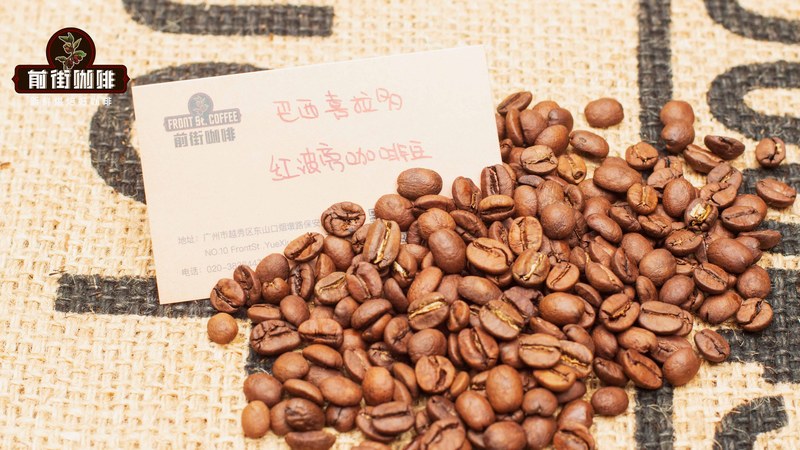
Choosing and drinking coffee can actually be combined into a simple rhythm: first buy a small portion, confirm the roast date, allow a few days of rest, then brew continuously and observe the changes. By recording aroma, acidity, sweetness, mouthfeel, and aftertaste each day, you'll gradually learn which stage you prefer your beans at. Freshness isn't just a label on the packaging—it's also the time arrangement of a cup of coffee from the bag to the cup.
The above content is compiled by CoffeeHunters, a coffee news website.

