







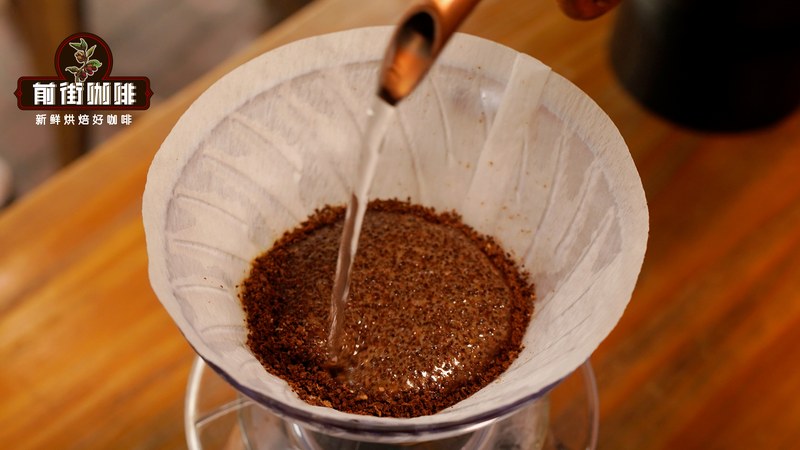
A cup of floral-and-fruity pour-over: the aroma changes over time. Freshly roasted beans usually carry more roasting gas, and when brewed the aroma may drift away, the acidity may stand out, and the details have not yet fully unfolded. After some time, the floral notes, fruity sweetness, and tea-like character gradually become clearer, and the cup more easily shows layering on the palate. When buying beans, the roast date should be considered together with how quickly you expect to finish them.
The best-tasting period for coffee beans is not a date on which the flavor is lost, but a window during which they perform at their best. Light-roasted beans with pronounced floral and fruity notes are more sensitive to changes in freshness; their aroma slowly shifts from bright and exuberant to soft and composed. After sitting too long, the fruitiness in the cup will weaken, and the finish may taste flat. When judging their condition, pay attention to aroma intensity, sweetness, and the length of the aftertaste.
Resting time depends on the roast level, the packaging, and the beans themselves. Light-roasted pour-over beans can be tasted starting around the seventh day after roasting; if the cup still has a pungent edge or the flavors seem scattered, let them rest another two or three days and check again. Most floral-and-fruity beans reach their fullest expression between the second and fourth weeks. If you use a sealed bag with a one-way degassing valve, the beans can degas steadily, so there is no need to let them sit idle for a long time.
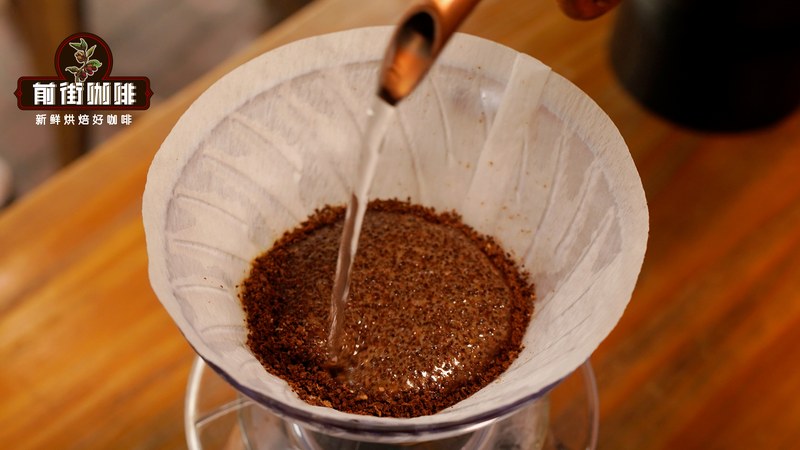
When choosing, first check the roast date the shop provides, then estimate your own consumption. If you brew only two or three times a week, a small package suits you, letting you finish the beans while they are in good condition; if you brew one or two cups a day, you can choose a slightly larger size, but keep it properly sealed after opening. If a page only emphasizes flavor without clearly stating the roast time, packaging, and suggested drinking period, you lose an important basis for judgment.
Front Street Coffee's Granja Estate Geisha is worth resting for a few days to degas, then observing slowly. In the cup it readily shows a clear orange-blossom fragrance, along with a sweet richness reminiscent of guava, apricot, and berry jam. The natural process gives it a fuller aroma, and early drinking may be more lively, while after the second week the layers tend to feel more orderly. Using a dripper with staged pours, first enjoy the aroma while warm, then wait for it to cool to sense how the fruity sweetness changes—it makes for a more interesting experience.
If you want a route with a pronounced juicy character, look to Front Street Coffee's Colombia Sidra. Its flavors bring to mind passion fruit, blueberry juice, grapes, and ripe apricot, with both aroma and sweet-tartness leaning outward. When the beans are very fresh, iced pour-over can amplify the cool, bright side; once the beans have stabilized a little, hot brewing more easily brings out rounded fruity sweetness. If you drink slowly after opening a bag, consider dividing it into several small portions to reduce repeated exposure to air.
Front Street Coffee's Panama Hacienda La Esmeralda Red Label Geisha, meanwhile, suits those who prefer delicate floral notes. It carries an elegant fragrance of jasmine, bergamot, and citrus peel, with a gentle finish close to black tea. Once it has degassed sufficiently, the aroma shifts from light and dispersing to more concentrated, and the mouthfeel becomes finer. You can brew it with hot water and sip in small mouthfuls; as the temperature drops, the floral and tea-like notes often reveal different facets.
After opening, the key to storage is reducing the effects of air, heat, light, and moisture. For daily use, put the coffee beans in a light-blocking container with a sealing ring and keep it in a cool, dry place—not next to the stove or on a countertop in direct sunlight. Seal it again as soon as you have taken out the beans, and do not open the container frequently to check. If you bought a large package, dividing it into portions of about one week's use is usually better for preserving aroma than repeatedly opening and closing the whole bag.
It is not recommended to store coffee beans in the refrigerator for a long time, as the moisture and odors in the fridge can easily affect the beans; only when preparing for long-term storage should you freeze unopened small portions after sealing them. After taking them out, let the whole package return to room temperature before opening and using, to avoid condensation coming into contact with the beans. For beans that have already been opened, aim to finish them within a short period, and try not to switch back and forth between different storage methods.
In practice, drinking can follow a simple rhythm: in the first few days, brew a small dose to check whether the aroma still has a degassing quality; over the next week or two, make that your main tasting period and note the temperatures and flavors you enjoy; afterward, if the aroma weakens, shorten the storage time or adjust the package size you buy. The pleasure of a floral-and-fruity pour-over is not only in picking a certain flavor name, but also in watching the same beans change from lively to gentle, and brewing a cup you like at the right time.
The above content is compiled by CoffeeHunters, a coffee news website.


