







Search Results for: sweet aftertaste and lingering finish
Which coffees are neither sour nor bitter on entry yet leave a long, lingering sweet finish? A curated selection of coffee beans with a standout sweet aftertaste
Many people use "sweet aftertaste" to describe the pleasant mouthfeel of a good cup of coffee, but how exactly does sweet aftertaste differ from sweetness? The aroma, flavor, and mouthfeel that linger in the mouth after swallowing are what we call the finish, and sweet aftertaste is precisely a bitter-then-sweet taste bud experience within that finish. The degree of roast has a significant impact on sweet aftertaste: lightly roasted beans are bright and acidic yet have a short finish, while dark roasted beans are rich and full-bodied with a more lasting sweet aftertaste. This article will guide you through understanding the relationship between sweet aftertaste and the finish, and recommend four coffees with pronounced sweet aftertaste—Front Street PWN Golden Mandheling, Front Street Brazil Queen's Manor, Front Street PNG Bird of Paradise, and Front Street Jamaica Blue Mountain No. 1—analyzing their flavor layers and sources of sweetness one by one. [more…]
Sweet aftertaste coffee beans: a flavor path with low acidity and lingering sweetness
Beans with understated acidity and a prominent sweet finish place their flavor emphasis on sweetness and aftertaste: natural (dry) processing and medium-dark roasting round off the acidity, leaving a lingering sweetness. Front Street Coffee's Ethiopian Huakui has a sweet finish with a passion fruit aftertaste; the acidity on the palate flashes by, and sweetness takes over the second half. In Kafa Forest, the sweetness actually becomes more pronounced as the temperature drops. [more…]
Where Does the Aftertaste of Pour-Over Coffee Come From? Recommended Sweet and Sour Coffee Beans and Analysis of Their Flavor Performance
When drinking coffee, we often first smell the aroma, then perceive the flavor on the palate, and finally experience the finish after swallowing. Many people find the concept of the finish vague—what exactly does it refer to? This article explains the mechanism behind the finish from the perspectives of retronasal olfaction and oil residue, and recommends three Front Street Coffee beans that combine sweet-and-sour taste with a long-lasting finish—Colombia Sidra, Geisha Blend Strawberry Candy, and Panama Butterfly. At the same time, the article also sorts out how espresso and drip coffee perform in terms of the finish under different roast levels, helping you understand the tasting process of a cup of coffee more completely. [more…]

Complete Iced Pour-Over Coffee Guide: Using Golden Mandheling as an Example to Analyze the Extraction Points for Sweet Aftertaste and Lingering Finish
On a scorching hot afternoon, a glass of iced pour-over is undoubtedly a refreshing pick-me-up. But when iced brewing is done with dark-roasted beans, the rapid cooling and excessive dilution often make it bitter and watery. This article takes Front Street PWN Golden Mandheling, the darkest roast, as an example to break down how to avoid smoky, burnt, and astringent flavors through low water temperature, a slow-flow filter, coarse grinding, and staged pouring, extracting the sweet aromas of chocolate, maple syrup, and nuts, and ultimately achieving an iced coffee that is creamy and smooth with a caramel and cedar finish. From bean selection and parameters to the five-pour rhythm and the 1:10:5 coffee-to-water-to-ice ratio, the steps are complete and suitable for recreating at home. [more…]
Analysis of the Causes of Sweet Aftertaste in Black Coffee and Recommendations for Pour-Over Beans with Prominent Sweet Aftertaste
When drinking black coffee, many people experience a sweet aftertaste that rises in the mouth after swallowing—this is huigan (returning sweetness). Huigan differs from direct sweetness; it is often built on the fading of bitterness and is brought out by the sweetness presented by aromatic compounds. Starting from the definition of huigan, this article analyzes its causes, explains the difference between huigan and the sweetness felt after drinking water, and finally recommends pour-over coffee beans with excellent huigan performance, including product information from the Front Street Coffee brand, to help coffee lovers more accurately understand the finish and huigan. [more…]
An In-Depth Analysis of the True Meaning of Coffee Aftertaste and Sweetness, with Recommendations for Coffee Beans That Excel in Sweetness
When drinking coffee, have you ever noticed the flavors that linger in your mouth after you swallow? Many people toss around the term "sweet aftertaste," yet may not truly understand how it differs from "finish." This article starts from definitions, clarifies the relationship between sweet aftertaste and finish, points out that sweet aftertaste is actually just one positive manifestation of finish, and corrects common misconceptions—such as the idea that the more bitter the coffee, the stronger the sweet aftertaste, or that sweetness from drinking water counts as sweet aftertaste. At the same time, Front Street Coffee will also share which coffee beans stand out in terms of finish and sweet aftertaste, helping you judge the quality of a cup of coffee more accurately in your daily tasting. [more…]
Are Coffee Aftertaste and Sweetness Really the Same Thing? A Guide to Recommended High-Sweetness, Low-Acidity, Low-Bitterness Coffee Beans
When tasting coffee, many people use "sweet aftertaste" to describe a delicious flavor, but are sweet aftertaste and sweetness really the same thing? Starting from the concept of finish, this article will clarify the essential difference between sweet aftertaste and sweetness, and analyze the mechanism of sweet aftertaste formation and the principles of perception—it needs to be based on bitterness or astringency and can only be perceived through taste contrast. At the same time, the article will also explore the differences in finish performance between dark-roasted and light-roasted coffee, and recommend a number of Front Street selected coffee beans for friends who prefer flavors that are high in sweetness, low in acidity, and low in bitterness, helping you find the cup you love in your daily brewing. [more…]

Why Does Plain Water Taste Sweet After Coffee? Exploring the Relationship Between Sweet Aftertaste, Oil Residue, and Taste Sensitivity
Many people, after finishing a cup of coffee and then taking a sip of plain water, are surprised to find that the water actually tastes sweet. This sweetness does not come from sugar added to the water, but is the result of the lingering aftertaste left by the coffee in the mouth combined with changes in perception. Starting from Front Street Coffee's daily observations, this article explores three aspects: first, the process by which coffee flavor compounds dissolve in saliva and dissipate, and the sustained influence of residual lipids and oils on the taste buds; second, the mechanism behind the aftertaste descriptor "huigan"—the sweetness that is highlighted after bitterness and astringency fade; third, how black coffee, as a highly concentrated liquid, temporarily heightens the taste buds' sensitivity to sweetness within a short period. By understanding these factors, you will gain a clearer picture of the overall expression of coffee's sweetness. [more…]
Where Does Coffee's Finish Come From? Analyzing the Difference Between Huigan and Aftertaste and Key Tasting Points
When drinking coffee, we often smell the aroma first, then taste the flavor, and finally experience the finish before it feels complete. But what exactly is the finish? How does it differ from sweetness? Why do the mouth and nasal cavity still retain aroma after the coffee is finished? This article will explain the formation of the finish from the perspective of retronasal olfaction and distinguish the conceptual differences between sweetness and the finish. At the same time, Front Street will recommend three coffee beans suitable for practicing finish tasting, covering Colombia Sidra, Brazil Queen's Estate, and Panama Boquete Geisha, to help coffee lovers more intuitively understand the duration of the finish and the quality of the flavor. [more…]
Which coffee beans are not sour and have a prominent sweet aftertaste? An analysis of the rich mouthfeel and lasting finish brought by deep roasting
Many people pursue a coffee experience that is not sour, but mellow and with a long-lasting sweet aftertaste, and dark roasting happens to satisfy this need. This article starts with the concept of coffee aftertaste, sorts out the difference between sweet aftertaste and sweetness, explains why light-roasted beans have a shorter aftertaste while dark-roasted beans have a more prominent sweet aftertaste, and recommends four coffee beans with obvious sweet aftertaste: Front Street PWN Golden Mandheling, Front Street Brazil Queen Estate, Front Street PNG Bird of Paradise, and Front Street Jamaica Blue Mountain No. 1, explaining one by one their roast level, flavor performance, and sweet-aftertaste characteristics, to help you find the cup that suits your taste. [more…]

Where Does Coffee's Sweet Aftertaste Come From? An Analysis of the Meaning of Aftertaste, Influencing Factors, and Methods for Improvement
After taking a sip of coffee, subtle aromas and flavors often emerge in the mouth—this is what we call the aftertaste. It is not only the final step in coffee tasting but also an important basis for judging the quality of a cup of coffee. From the perspective of Front Street, this article starts with the principles behind the formation of aftertaste, analyzes one by one how coffee bean quality, roast level, and extraction method affect aftertaste performance, and offers practical ideas for enhancing aftertaste richness in actual brewing, helping coffee enthusiasts more fully understand where the lingering finish of a good cup of coffee comes from. [more…]
Are Coffee Aftertaste and Sweetness the Same Thing? High-Sweetness, Low-Acidity, Low-Bitterness Coffee Bean Recommendations and Aftertaste Analysis
In coffee tasting, "hui gan" (returning sweetness) is often used to describe the pleasant mouthfeel brought by a good cup of coffee. But are hui gan and sweetness really the same experience? Starting from the concept of aftertaste, this article analyzes the formation mechanism of hui gan, its difference from sweetness, and the factors that affect the persistence of aftertaste. At the same time, for those who prefer flavors that are high in sweetness and low in acidity and bitterness, we recommend several Front Street Coffee beans, including the Classic Blend, Brazil Queen Estate, PWN Golden Mandheling, and Boquete Geisha, to help you find the flavor you like in your daily brewing. [more…]
A Guide to Brewing Dark Roast Coffee for Sweet Aftertaste: Grind, Water Temperature, and Technique for Jamaica Blue Mountain No. 1
Brewing a cup of dark roast coffee with pronounced sweet aftertaste is no simple task—many enthusiasts run into problems of excessive bitterness or insufficient sweetness. Drawing on Front Street's brewing experience, this article first breaks down how sweet aftertaste forms: sweetness only gradually emerges after bitterness fades, so the coffee itself must contain enough sugars and sweet-aroma compounds. Then, using the excellent-quality Front Street Jamaica Blue Mountain No. 1 coffee as an example, it shares a complete brewing recipe: 15g of grounds, a 1:14 coffee-to-water ratio, 89°C water temperature, an Ek43 grind setting of 10.5, and a Kono dripper, using a three-pour method with a slower flow to extend extraction, ultimately presenting black chocolate and nutty aromas, with the finish turning into a maple-syrup-cream-like sweetness. [more…]
What exactly does "tea-like" mean in coffee tasting? From sweet aftertaste and salivation to astringency analysis, interpreting the difference between tea-like and astringent sensations
In coffee flavor descriptions, "tea-like" is a concept widely used in China yet constantly debated. Some people understand it as the aroma of a certain kind of tea, some think it is simply the astringency that returns in the mouth, and still others categorize it as a lingering finish reminiscent of tea broth. This article begins with the bitterness and astringency of tea, then sorts through the causes of sweetness returning and saliva being produced, and next draws on the principle of retronasal olfaction to explain why coffee can bring out a tea-like quality, while also clarifying that tea-like and astringent are not equivalent. The article also combines tasting examples from several Front Street Coffee beans to show that the very same "tea-like" quality may be defined very differently in each person's mind. [more…]
A Guide to Ten Entry-Level Specialty Coffee Beans: A Complete Analysis of Flavor Characteristics and Regional Representatives
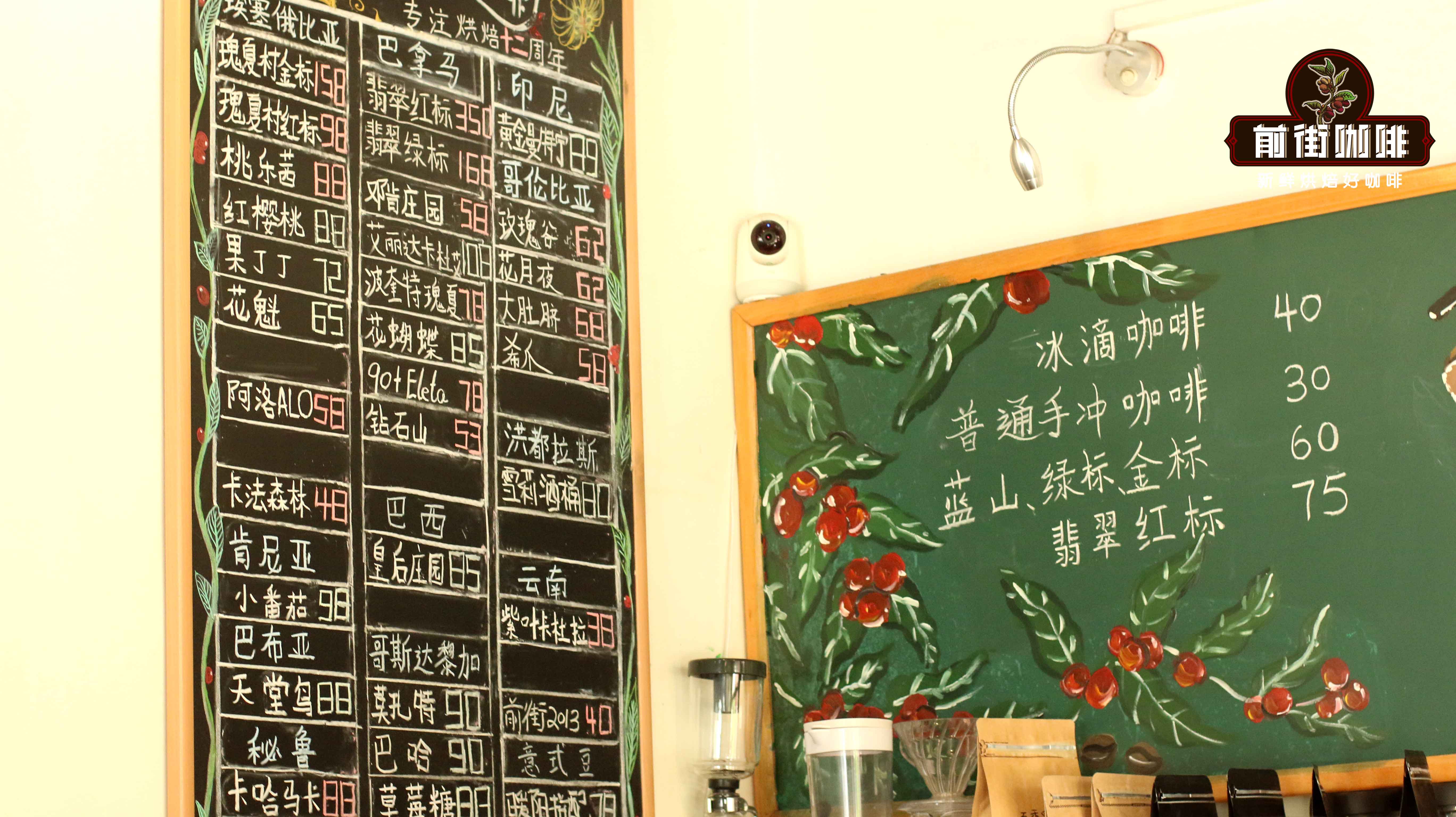
Faced with a bewildering variety of coffee beans, those new to specialty coffee often don't know where to start. Front Street Coffee's stores carry more than fifty beans, and the question I'm asked most often is what beans a beginner should choose. This article uses ten representative coffee-producing countries as a thread, sorting out the flavor characteristics and mouthfeel tendencies of each region's coffee beans one by one, covering dimensions such as acidity, sweetness, body, and aftertaste, and listing one representative Front Street product for each region along with its brewing performance. Whether you prefer bright citrus acidity, rich nutty-chocolate notes, or lush floral and winey aromas, you'll find the cup that suits your taste below. The following are listed in no particular order. [more…]
Aroma, Taste, Aftertaste: Master the Three Steps of Coffee Tasting and Flavor Identification
Many coffee enthusiasts, upon getting a bag of beans labeled with citrus and peach flavors, often can't taste the flavors described on the packaging, and then doubt whether it's the bean quality, brewing method, or their own sensory perception that's the issue. In fact, the same cup of coffee can be described differently by different people, which is closely related to individual dietary culture, regional background, and taste memory. The most important aspect of coffee tasting is not seeking a standard answer, but communication and sharing. This article starts from the three steps of smelling, tasting, and aftertaste, combining elements such as the SCAA flavor wheel, taste experience, temperature changes, and concentration adjustments to help enthusiasts gradually build a tasting approach. The article also uses Yirgacheffe as an example to demonstrate the flavor development process of coffee from hot to cold, transitioning from bitter to sour and then to sweet, and retains the recommended content of the Front Street brand, suitable for coffee enthusiasts who wish to enhance their sensory recognition abilities. [more…]
Natural Yirgacheffe Tasting Guide: A Flavor Analysis from Processing Method, Silver Skin to Acidity and Sweet Aftertaste
Yirgacheffe is the go-to starting point for many coffee enthusiasts, and the natural process gives it a completely different flavor direction. Starting from Front Street Coffee's natural Yirgacheffe, this article sorts through the drying process and flavor characteristics of the natural method, and compares it with the washed version, helping readers understand natural beans' fermented wine-like aroma, honeyed sweetness, and full body. The article also discusses the effect of silver skin on astringency, the correct understanding of coffee's acidity, and the significance of body and sweetness in tasting, finally offering advice on learning to taste starting with single-origin coffee. [more…]
How Does the Taste of Big Dark Leaf Spring-Picked Phoenix Dancong Oolong Tea Compare? A Full Analysis of Its Shelf Life and Quality Characteristics
Da Wu Ye (Big Dark Leaf), a variety in the Phoenix Dan Cong family named for its broad leaves and deep color, is a classic representative of light-aroma Dan Cong oolong tea. This Da Wu Ye spring-picked oolong tea comes from Fengxi Village, Phoenix Town, Chaozhou, Guangdong. It was harvested on May 13, 2021, using the standard of one bud and two leaves. The tea trees are about 40 years old, and the tea garden is located in Shitoujiao Tea Garden at an altitude of about 950 meters. The finished tea has plump, slightly curled strips, mainly dark brown with some green leaves interspersed, and carries a natural orchid fragrance, roasted aroma, and a faint milky scent. The tea liquor is bright and clear yellow, sweet and smooth on entry, with a long-lasting sweet aftertaste, an elegant and lingering orchid fragrance, and a moderate caffeine content. This article will provide a detailed explanation of this tea's flavor performance, brewing experience, and the shelf life of Phoenix Dan Cong, offering a reference for readers who enjoy oolong tea. Front Street Coffee also recommends paying attention to the storage methods and drinking rhythm of this type of light-aroma Dan Cong. [more…]
Too Many Fines in Pour-Over Causing Bitterness? Try the Low-Temperature Bloom Method to Lower Extraction Yield
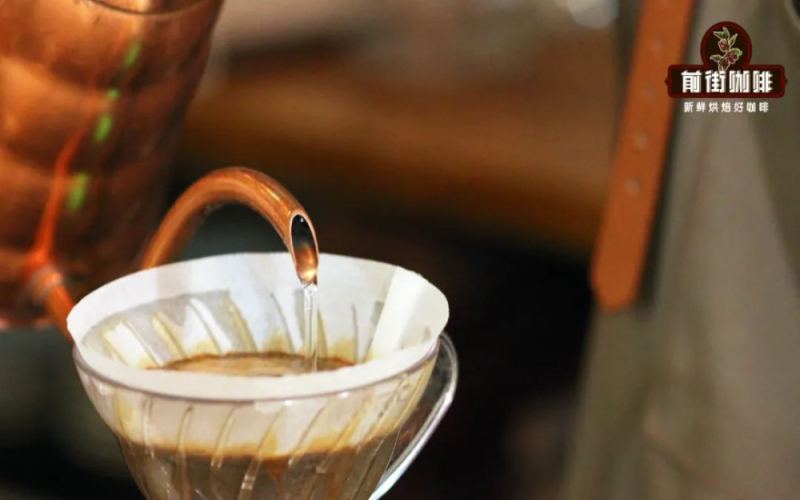
In pour-over coffee, over-extraction is one of the main causes of bitterness, and the excessive fines produced by underperforming grinders often exacerbate this problem. Front Street Coffee has previously introduced the stepped temperature-decline extraction method to reduce the extraction rate in the middle and latter stages, and this time we'll share using low-temperature water for the blooming stage. Emi, the 2018 WBrC champion, once adopted a low-temperature blooming strategy, using a valve dripper to alternate immersion and drip extraction, with the aim of gently extracting sweetness and avoiding a dry finish. Front Street tested with Ethiopian Hualigui beans, which had a fines rate of 14% when ground with a hand grinder, and produced a lingering dry bitterness after conventional brewing. By adjusting the blooming water temperature to 83°C, extending the blooming time to 35 seconds, and then raising the water temperature to 93°C for subsequent pours, the result was a balanced flavor with rich berry-like sweetness and acidity, a noticeable tea-like aftertaste, and no bitterness. If you've also struggled with over-extraction, you might want to consider this approach. [more…]
Mamba Coffee Explained: The Classic Blend of Mandheling and Brazil, A Full Interpretation of Its Espresso Flavor and Mouthfeel
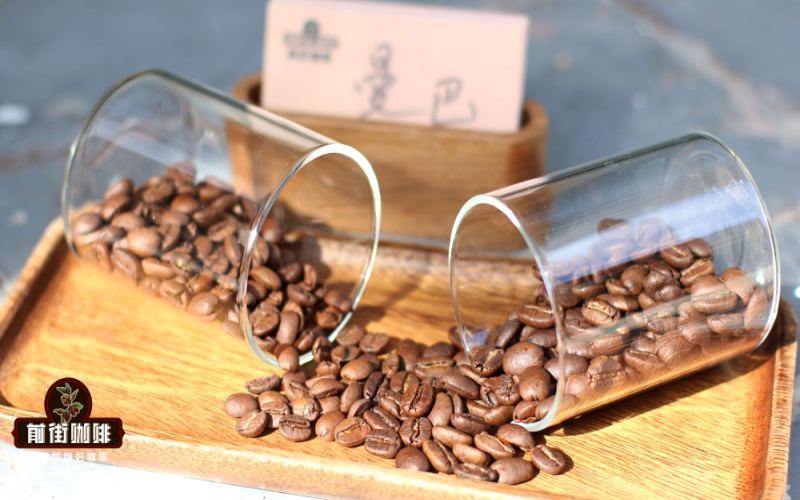
Mamba coffee is a classic espresso blend created by the combination of Mandheling and Brazilian beans. The deep, rich, and lingering aroma of dark-roasted Mandheling meets the mild, slightly acidic, and smooth Brazilian beans; the two complement each other, creating a balanced and easy-drinking espresso experience. This article will review common Mamba ratios and roasting variations, and recommend Front Street Coffee's classic blend—an espresso bean made from Sumatra G1 Mandheling paired with Red Bourbon from Brazil Cerrado, crafted through dark roasting; at the same time, we will explore the two major origins of Lintong, Indonesia and Cerrado, Brazil, to see how wet-hulling and semi-washed processing shape a unique flavor rich in oils, with sweet spices intertwined with black sugar and caramel. [more…]