







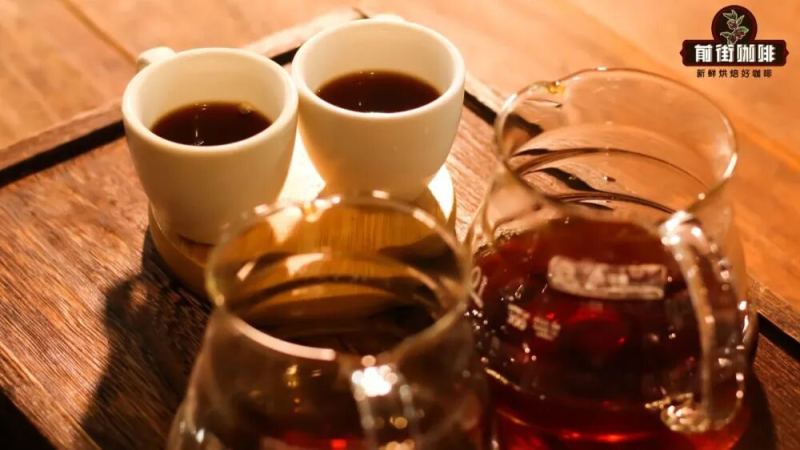
What Causes the Aftertaste After Coffee Is Swallowed?
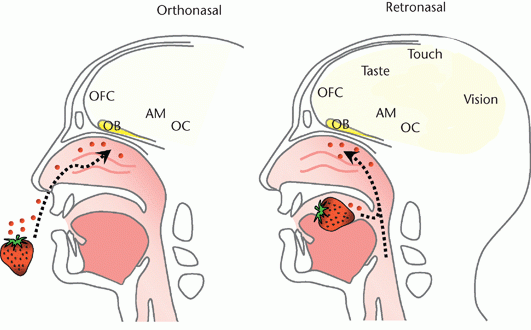
Aftertaste is the taste and aroma that return to the mouth and nasal cavity once coffee is swallowed. It forms largely through retronasal olfaction. Coffee contains oil-soluble aromatic molecules that do not dissolve in water, so some coffee oils stay attached in the mouth after drinking; as those oils break down, aroma compounds are released and travel to the nasal cavity.
Espresso shows this clearly, since it contains roughly one-third oils by volume. Those oils give a full mouthfeel and a caramel-like finish that lingers. Huigan, or sweetness returning, is a separate concept from aftertaste, and keeping the two apart helps tasters judge how long a finish lasts and whether it is pleasant.
When drinking coffee, we often smell the aroma first, then taste the flavor, and finally experience the aftertaste to consider it complete. But what exactly is aftertaste? How does it differ from sweetness returning? Why do the mouth and nasal cavity still retain aroma after coffee is finished? This article will explain the formation principle of aftertaste from the perspective of retronasal olfaction and distinguish the conceptual differences between sweetness returning and aftertaste. At the same time, Front Street will recommend three coffee beans suitable for practicing aftertaste tasting, covering Colombia Sidra, Brazil Queen Estate, and Panama Boquete Geisha, to help coffee lovers more intuitively understand the duration of aftertaste and whether the flavor is good or bad.
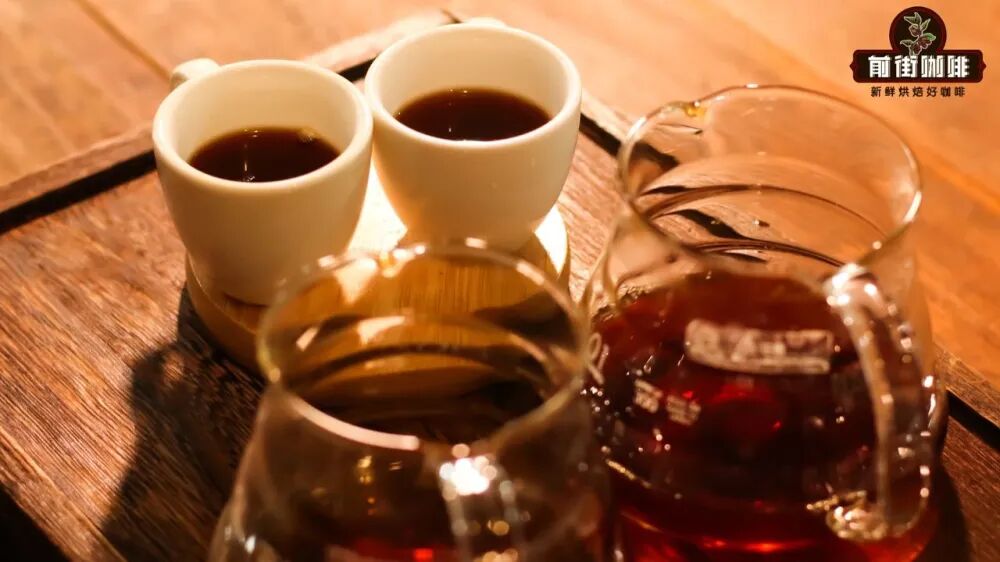
The complete process of tasting a cup of coffee is usually: first smell the aroma, then feel the flavor and mouthfeel in the mouth, and finally finish with the aftertaste. Smelling aroma and tasting flavor are relatively intuitive and easy to understand, but what exactly does the concept of aftertaste refer to?
The English word for aftertaste is "aftertaste." Compared with the sensations directly obtained when tasting coffee, aftertaste seems somewhat elusive. Simply put, it is the taste and aroma that return to the mouth and nasal cavity after the coffee is swallowed.
For example, when eating durian, you can feel its unique aroma and enticing flavor, and for quite a long time after finishing it, the scent of durian still fills your mouth. Replace "durian" with "coffee," and this logic becomes very easy to understand.
Why does coffee have an aftertaste?
The formation of aftertaste largely depends on retronasal olfaction capturing the coffee's aroma. Coffee contains a large number of oil-soluble aromatic molecules, which are not soluble in water. After drinking coffee, some coffee oils remain attached in the mouth. As the oils gradually break down, aromatic substances are released. These aroma molecules reach the nasal cavity through the nasopharyngeal connection, and so we smell the aroma of the aftertaste.
Some customers at Front Street are particularly fond of espresso, and the reason lies in the fact that espresso contains about one-third rich oils. These oils not only bring a full mouthfeel but also release a caramel-like aftertaste that lingers endlessly.
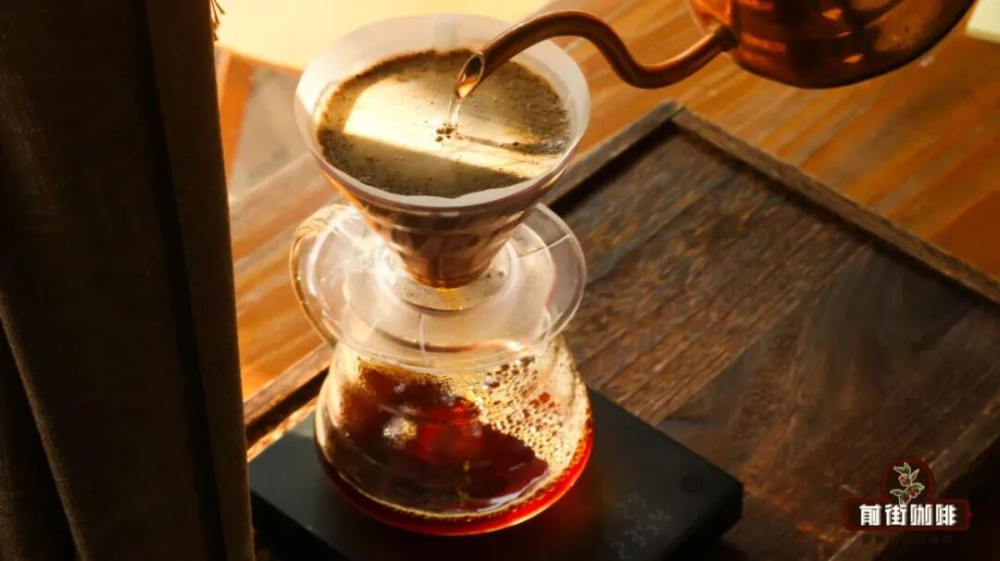
However, for most people, the intensity of espresso is relatively high, so using hand-brewed single-origin coffee to experience aftertaste is more practical. Below, Front Street introduces three coffee beans suitable for beginners to practice aftertaste tasting.
1. Sweet-and-sour taste + almond and fruity aftertaste: Front Street Colombia Sidra
This Front Street Sidra comes from Colombia's La Divisa Estate and uses a double anaerobic natural processing method. After brewing, the flavor shows rich passion fruit and grape, along with a clear sweetness like dried fruit and acidity like tangerine. After swallowing, an almond-like aftertaste remains in the mouth, which is why it has attracted many fans to repurchase repeatedly.
2. Balanced taste + cocoa aftertaste: Front Street Queen Estate
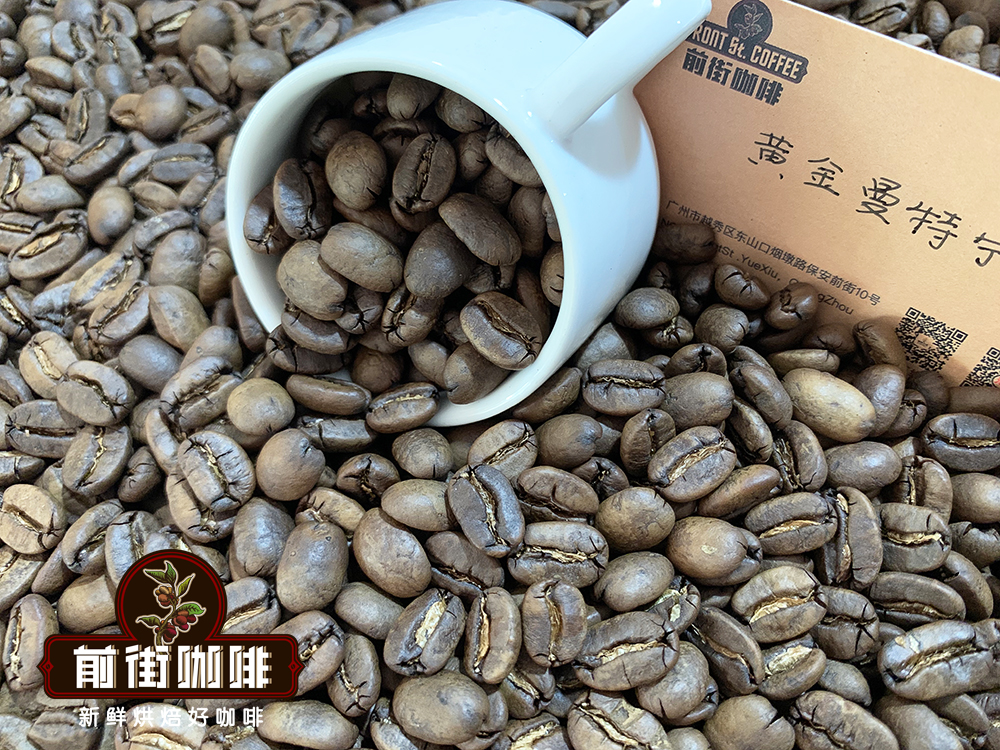
Front Street Queen Estate is produced in Brazil, and the variety is the relatively rare Yellow Bourbon, so it carries a rich creamy nutty flavor, accompanied by a clear sweetness like sugarcane. As the temperature drops, a faint berry acidity can be felt, and the finish has cocoa and caramel aromas lingering in the throat.
3. Sweet-and-sour taste + Tieguanyin tea aftertaste: Front Street Boquete Geisha
Geisha is famous for its outstanding floral and fruity notes, but upon careful tasting, you will find that Geisha from different origins has noticeably different flavors. Among them, Panama Geisha is the most famous and can be called the "leader." Front Street Boquete Geisha gives off a rich white floral aroma and flavors of honeydew, citrus, and honey. On the palate, it has a bright, light sweet-and-sour taste, and the fresh, sweet aftertaste immediately reminds Front Street of the experience of drinking Tieguanyin tea.
So what is a high-quality coffee aftertaste like?
The evaluation of aftertaste mainly depends on two aspects: duration and whether the flavor is good or bad.
First, aftertaste can be good or bad, and a good aftertaste lasts longer. For example, the espresso made from Front Street Dark Cocoa Base Blend, under ideal extraction conditions, has a caramel aroma aftertaste that can last for several minutes. A poor aftertaste, on the other hand, may show as scorched bitterness, rotten notes from over-fermentation, or bitterness sticking to the tongue and refusing to fade for a long time.
For lower-concentration drip coffee, the aftertaste duration of light-roasted beans is not as long as that of espresso and may be only a few dozen seconds. A good aftertaste appears as light floral notes, tea-like character, honey, moderate fermentation, citrus peel, and so on. A poor aftertaste, however, shows dryness, bland woody notes, or an unpleasant and disagreeable experience.
For medium-dark roasted coffee beans, the bitterness dissipates relatively quickly in the mouth, usually presenting aftertastes such as cocoa and caramel.
The above content is compiled by CoffeeHunters, a coffee news website.


