







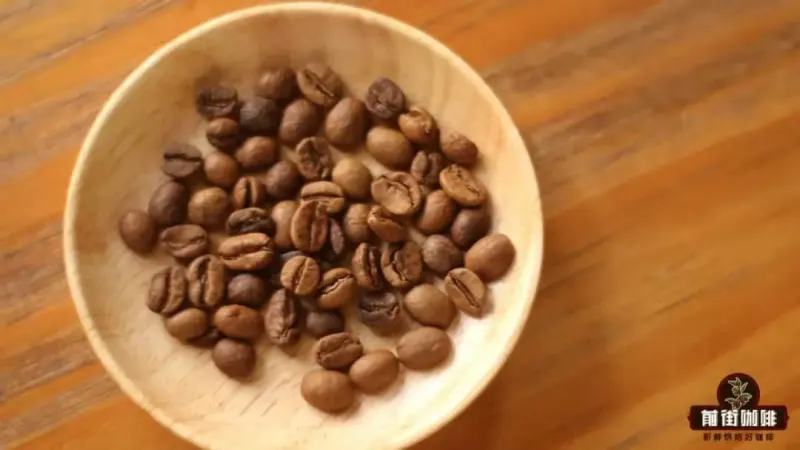
Why Coffee Beans Show Uneven Color After Roasting
Coffee enthusiasts often spot uneven color in their roasted beans and worry about a roasting defect. In most cases, the cause is not a roasting accident. Coffee is an agricultural product, so beans vary naturally. Ethiopian coffees, for example, are graded by defect rate under the coffee grading system rather than bean size, so a single bag can hold beans of different sizes. These different sizes absorb heat differently during roasting, creating slight color differences.
Processing method often explains more obvious color variation. Honey processing leaves pectin sugars on the bean surface, and these residues darken unevenly during roasting. Anaerobic processing can also lead to mottled shades. Beans from Costa Rica frequently show this pattern. Such variation usually signals layered flavor rather than a fault. Learning how to process coffee beans helps drinkers judge whether color differences matter.
Coffee enthusiasts often notice that the coffee beans they buy have uneven color and suspect a roasting problem. In fact, in most cases, the color difference is not a roasting accident; instead, it may mean that this bean can brew a richer layering. As an agricultural product, coffee beans themselves cannot possibly be as uniform bean by bean as industrial products. Starting from the common customer service questions at Front Street Coffee, this article explains how factors such as the uneven size of Ethiopian beans, residual pectin sugars from honey processing, and anaerobic processing cause coffee bean color differences, and why this kind of color difference is sometimes actually a plus for flavor.
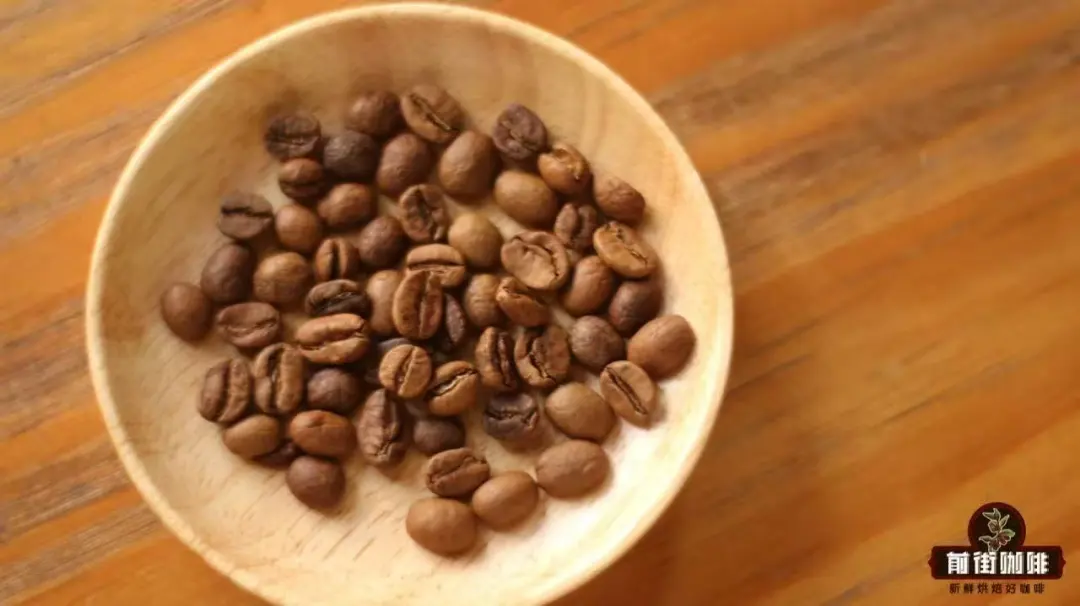
As a brand operating coffee beans, Front Street often receives similar questions from customers in its customer service work on Tmall and Taobao. It must be admitted that uneven color is indeed related to uneven roasting. But do you know?
In the vast majority of cases, this unevenness cannot be considered a roasting failure. It can even be said that this kind of bean is exactly what can brew a more full-bodied and delicious coffee with greater layering.
Everyone knows that coffee beans are an agricultural product, and agricultural products naturally cannot achieve complete uniformity in the appearance and condition of every single bean like industrial products. For example, the issue of uneven particle size that Front Street discussed before is mainly concentrated in beans produced in Ethiopia.
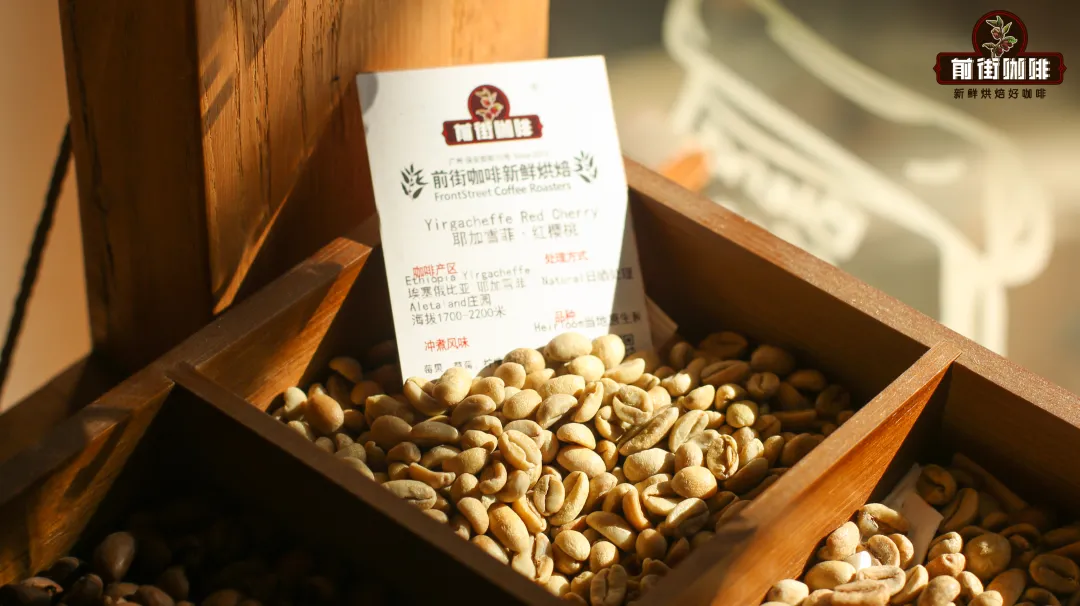
The reason is that Ethiopia's coffee grading system uses defect rate as its core standard, and the country does not classify grades by bean size like Colombia and Kenya do. Therefore, the vast majority of Ethiopian coffee beans are not screened by size, and it is entirely normal for a bag of Ethiopian beans to contain particles of different sizes.
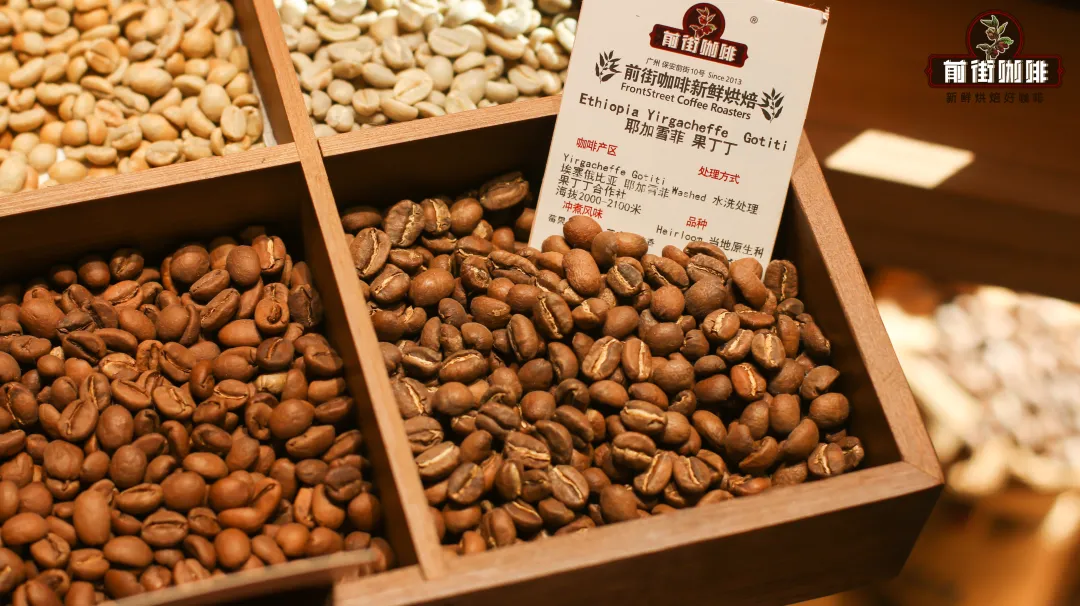
Beans of different sizes require different amounts of heat to reach the same roast level. So after roasting, these beans of varying sizes show a certain color difference due to slight differences in roast degree. For example, in products on the Front Street bean list such as Front Street Yirgacheffe Gudingding and Front Street Ethiopia Huakui, color differences can be observed.
However, the color difference caused by particle size is actually very slight. The coffee beans we usually see with especially obvious color differences are more often affected by their processing method. For example, the beans from Costa Rica on the Front Street bean list have quite obvious color differences.
The reason is that whether it is Mirasu Strawberry Candy or the Musician Series Bach on the Front Street bean list, or the newly listed Costa Rica Blackberry, they all use honey processing.
Front Street often shares with everyone that honey processing is a processing method between natural and washed. Specifically, the coffee skin and pulp are first removed, but part or all of the pectin is retained, and then the coffee beans covered with pectin are spread on drying beds for dehydration.
Because pectin is rich in sugar, when its moisture has completely evaporated, these sugars remain on the surface of the coffee beans. However, each bean has a different pectin content and a different amount of pectin removed, so the amount of sugar left on the bean surface naturally varies. The more pectin retained, the more sugar adheres to the bean surface; the less pectin retained, the less sugar adheres. So what result does this lead to?
Exactly! After roasting is completed, the coffee beans show significant color differences. The sugar adhering to the bean surface participates in more caramelization reactions during roasting, so after roasting, beans with more residual sugar have darker surface color; conversely, beans with less residual sugar have lighter surface color. With the contrast between darker and lighter, the color difference becomes especially prominent, particularly when a medium-light roast level is used.
Although we can reduce the difference in bean surface color by deepening the roast level or adjusting the roasting curve, deepening the roast also erases some of the coffee beans' original flavor characteristics. Moreover, as Front Street said before, coffee brewed with these beans that have color differences actually has richer layering.
The reason is that color difference means there are slight differences in the roast degree of the beans, and coffee beans of different roast degrees display slightly different aroma expressions, which makes the flavor of the whole cup of coffee more layered. For example, the Costa Rica Blackberry mentioned earlier by Front Street presents rich flavors such as floral notes, grape, berry, apricot, caramel, and honeydew melon when brewed.
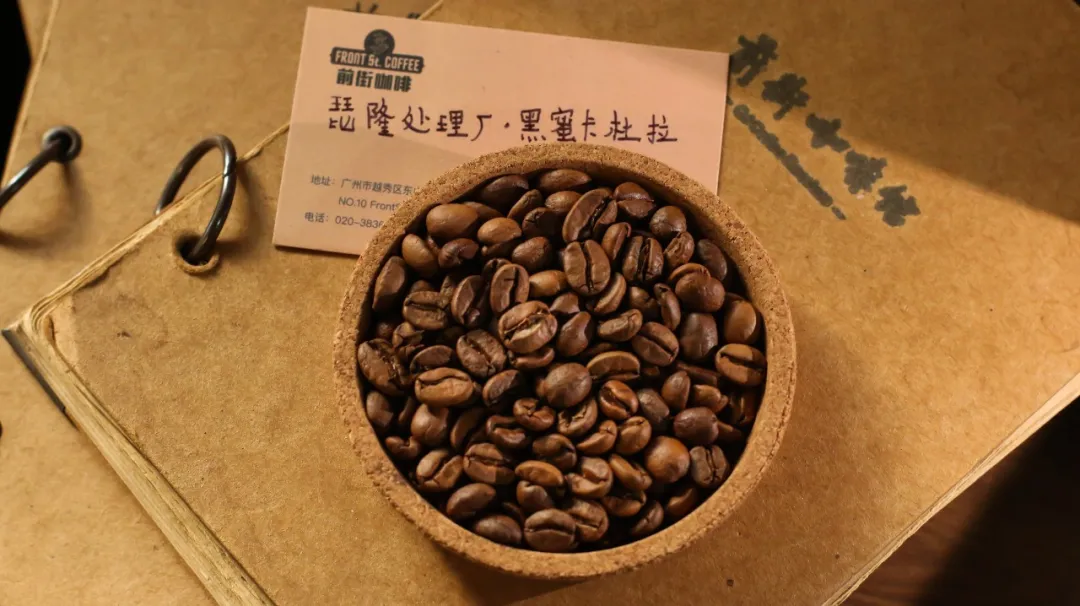
Here Front Street has only used honey processing as an example. In addition to honey processing, processing methods such as anaerobic processing that also cause sugar to adhere to the bean surface will produce the same color difference phenomenon. For example, Front Street 90+ Estate Eleta Geisha on the Front Street bean list already shows clear color differences from the green bean stage.
Of course, Front Street is not asserting that the color differences in coffee beans sold by all merchants are caused by processing methods. There are also not a few cases caused by problems in quality control, which is what led many friends to have the misunderstanding mentioned by Front Street at the beginning. Therefore, when choosing coffee beans, we should try to verify our judgment by taste rather than appearance, so as not to miss a coffee bean with a unique flavor because of a misunderstanding~
- END -
The above content is compiled by CoffeeHunters, a coffee news website.


