







How does hopper pressure change espresso coffee beans?
The amount of espresso coffee beans piled in a grinder hopper changes grind particle uniformity, which shifts extraction flow rate and shortens shot time by several seconds as the day goes on. A recipe calibrated in the morning can drift, so baristas readjust grind size to bring extraction back within roughly plus or minus one second of the target.
The effect shows up most in busy shops where the hopper starts full and empties shot by shot. As hopper pressure drops, grind uniformity changes, altering the extraction rhythm and the flavor in the cup. Coffee bean preparation, dosing, and grind adjustment all interact with this variable, so stable output depends on managing hopper level through the shift.
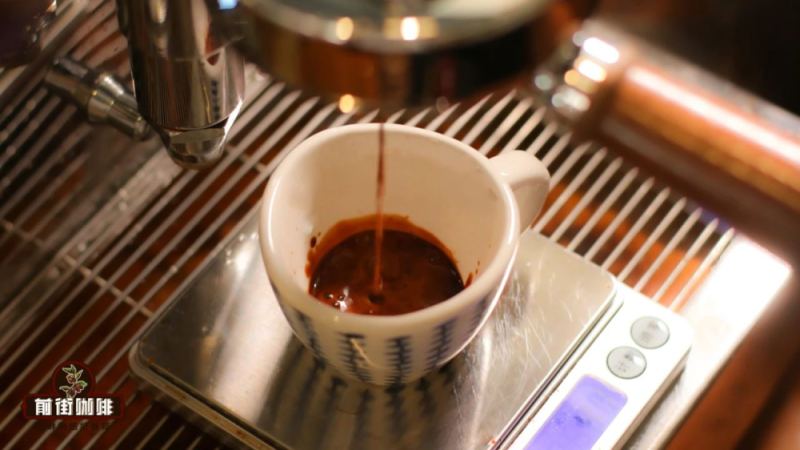
In the daily operations of a coffee shop, many baristas have encountered this困扰: the espresso extraction recipe that was just calibrated in the morning, as the number of shots pulled increases, the flow rate quietly speeds up, and the time becomes several seconds shorter than the preset parameters. This phenomenon of unstable extraction is often closely related to pressure changes inside the hopper of the espresso grinder. Front Street Coffee has observed in daily practice that the amount of coffee beans piled up in the hopper directly affects the uniformity of the grind particle size, which in turn changes the extraction rhythm and flavor performance of espresso. This article will deeply analyze how hopper pressure affects grind quality, explain the underlying logic of extraction flow rate fluctuation, and share practical adjustment ideas for stable output, helping coffee enthusiasts and professionals better understand variable control in espresso extraction.
For more specialty coffee knowledge, please follow the WeChat public account: Front Street Coffee (FrontStreet Coffee)
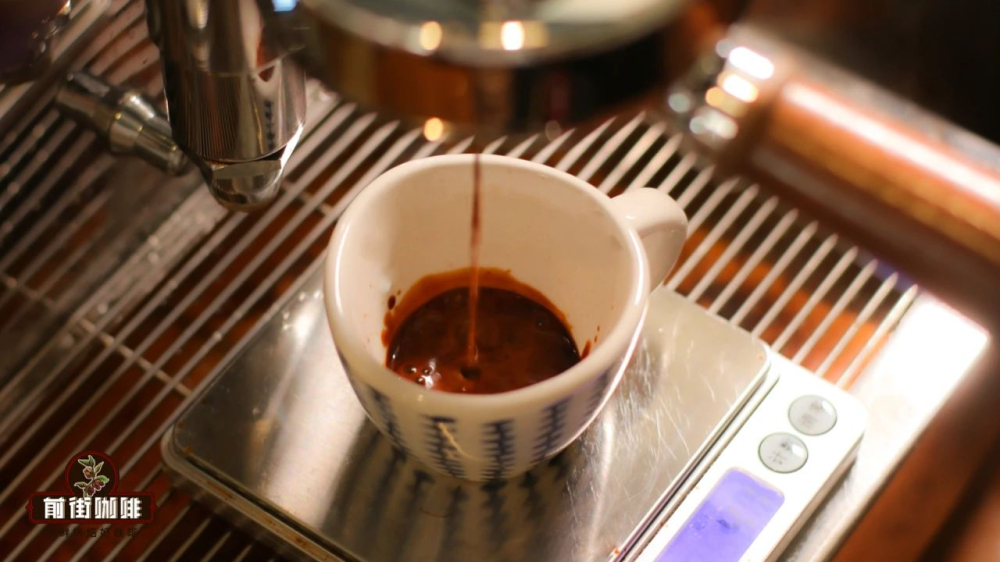
In Front Street's observations, this situation is especially common in coffee shops with high customer traffic. All preparation work is completed in the morning, the hopper is filled, and the day's espresso extraction parameters are set, but as the number of extracted shots continues to accumulate, the flow speed of the espresso gradually increases, and the required time becomes several seconds shorter than the established plan. Generally speaking, for a reliable parameter, the time fluctuation range should be controlled within plus or minus one second.
Once this deviation occurs, the final espresso obtained will inevitably be significantly different from the taste experienced when the recipe was calibrated in the morning. In order to ensure consistency in output, baristas have to immediately readjust the grind size to bring the extraction parameters back on track.
The above content is compiled by CoffeeHunters, a coffee news website.


