







Search Results for: soda cold brew
What specialty beans should you choose for cold brew iced coffee? Analyzing the differences between cold brew and Americano and a soda water extraction experiment
Cold brew coffee, with its unique low-temperature slow extraction method, has become a popular drink in the hot summer days. Which coffee beans are actually suitable for making it? And what are the essential differences between it and Americano, which also uses water as a medium? This article starts with the origin of cold brew coffee, sorts out its production process and the principles of pairing it with pastries, and brings Front Street Coffee's cold brew bean recommendations. In addition, through a set of comparative experiments, we explore the differences in concentration and flavor between cold brew coffee made with soda water and purified water, providing coffee lovers with a more comprehensive cold brew guide. [more…]
Cold Brew Coffee Specialty Bean Recommendations | Can you use soda water or sparkling water to make cold brew coffee? Can you add milk or alcohol to cold brew?
For more specialty coffee knowledge, please follow our WeChat official account: FrontStreet Coffee. Cold brew coffee is made by soaking ground coffee beans in cold water for at least 8 hours, then extracting and filtering through professional equipment. As summer arrives, cold brew coffee is becoming more and more [more…]
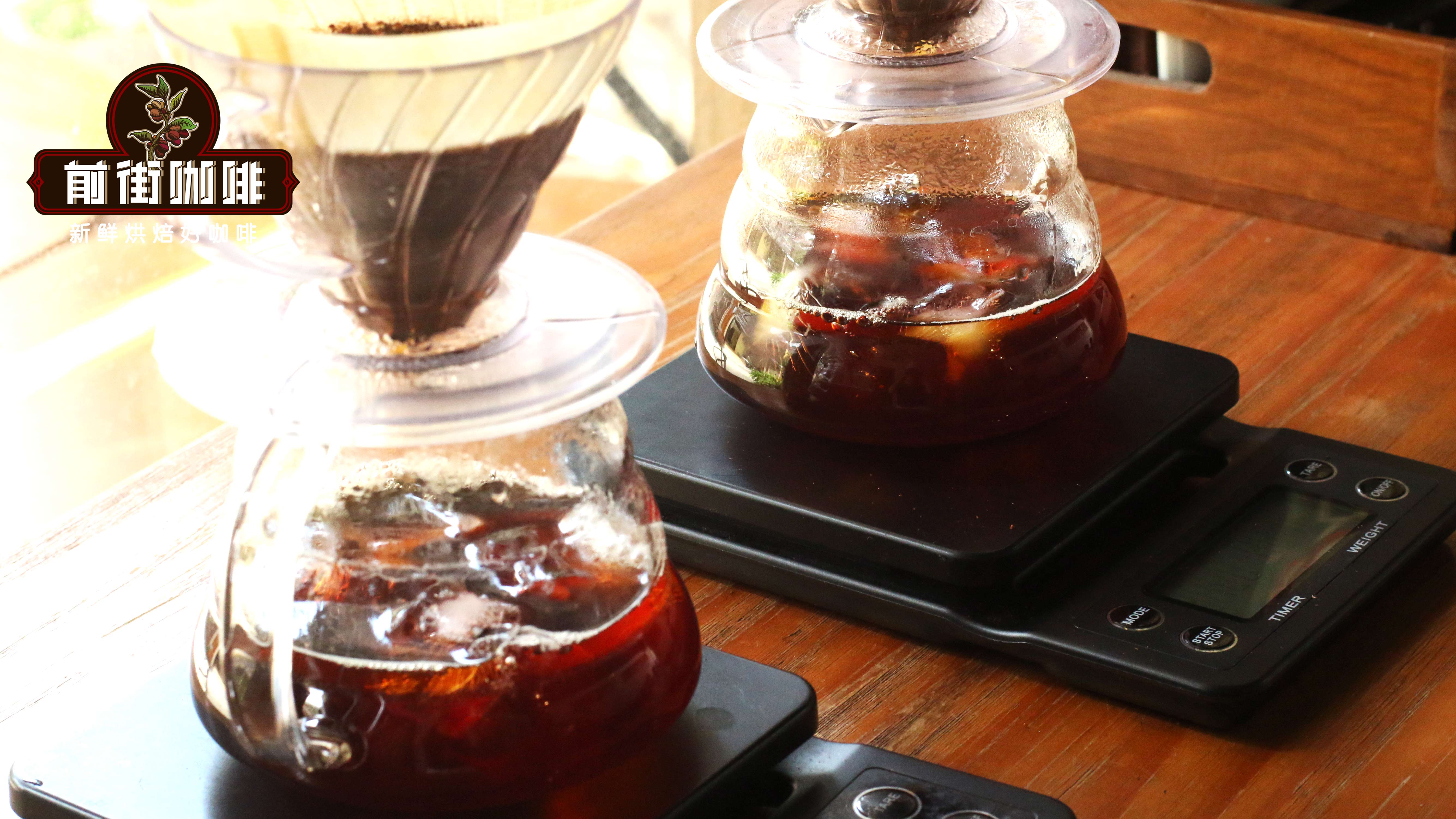
Is Iced Water Pour-Over Coffee Feasible? Bean Selection and Practical Steps, with a Soda Water Brewing Experiment
In the past, the iced pour-over recipes we shared mostly involved pouring hot coffee directly over ice to cool it down—a Japanese-style approach. This time, Front Street Coffee wants to try something different—extracting coffee with ice water the whole way through. Ice water is low in temperature and poor at extraction, so it may not seem very reliable, but once you understand the balance between grind size, water temperature, and pouring method, you can actually find a reasonable brewing path. This article will first explain the idea behind brewing coffee with ice water, then use the Costa Rica Strawberry Candy bean as an example to give the dripper choice, grinding parameters, and complete brewing steps, and finally add an extra experiment using soda water instead of ice water to see how the taste changes. [more…]
How do you make cold brew coffee taste great? From coffee-to-water ratio to equipment, Front Street teaches you bean selection and brewing tips.
As the weather gradually warms up, iced coffee becomes a favorite for many, and cold brew, with its smooth taste brought by long low-temperature steeping, is winning over more and more coffee lovers. Starting from Front Street Coffee's actual practice, this article introduces the basic method of cold brew, the coffee-to-water ratio and extraction time, and shares the reason why cold brew made with soda water tends to be too concentrated, as well as the difference in taste after blending with fresh milk versus creamer. At the end, it also compiles eight specialty coffee beans suitable for making cold brew, covering producing regions such as Yirgacheffe, Huakui, Butterfly, and Huilan, for you to choose according to your flavor preference. [more…]
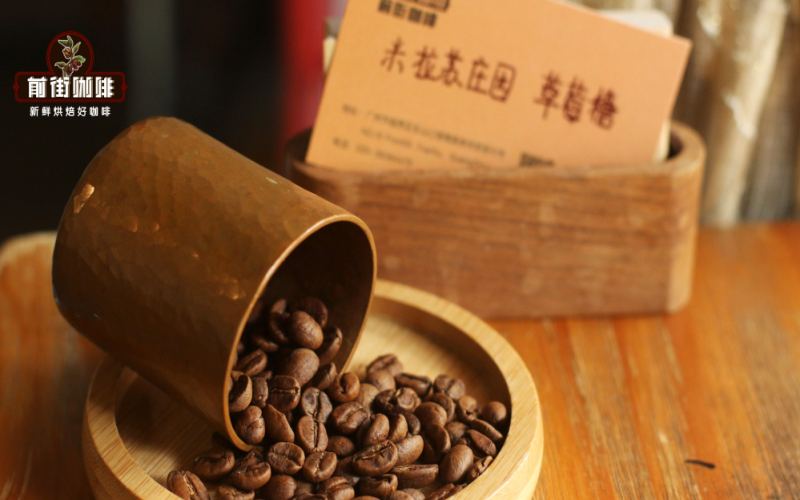
Water for Pour-Over Coffee Brewing | Can You Make Pour-Over Iced Coffee with Ice Water? Can Sparkling Water or Soda Water Be Used to Make Pour-Over Black Coffee?
The iced pour-over coffee I've shared with you before is the Japanese-style iced pour-over method, which is essentially hot coffee cooled with ice. In this article, Front Street Coffee will introduce a true iced pour-over coffee brewed with ice water—don't blink! Can ice water really brew coffee? A normal cup of pour-over coffee takes only 2-3 minutes to brew, using just [more…]
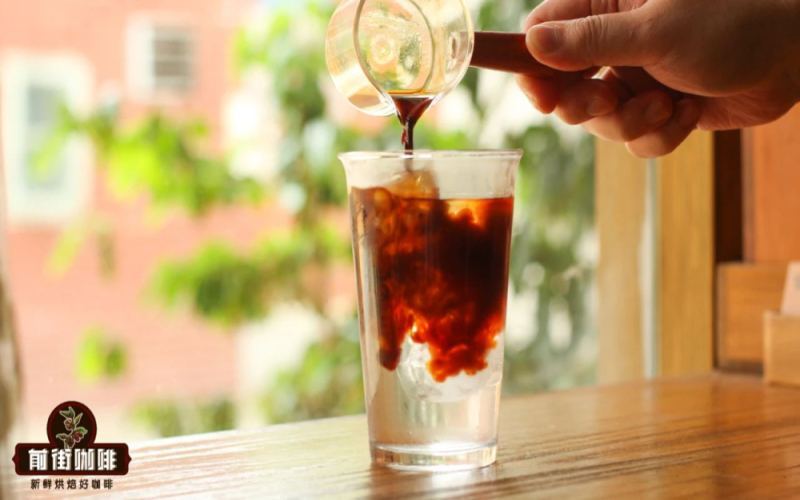
Summer Sparkling Americano Iced Coffee: Key Preparation Points and a Full Explanation of the Flavor Sources of Black Gold Americano
In the scorching summer heat, Guangzhou locals have their own clever ways to cool down, and the collision of soda and coffee—sparkling iced Americano—is becoming a favorite among many coffee lovers. This drink uses simple ingredients, requiring only ice cubes, soda water, and espresso, but if you want to make it refreshing and delicious, the choice of ingredients and attention to detail cannot be overlooked. This article starts with the selection of soda water, ice cubes, and coffee beans, explains in detail how to obtain a high-concentration coffee liquid through pour-over methods, and provides complete ratios and brewing parameters. At the same time, the article will also introduce fruit-flavored coffee beans suitable for making sparkling Americano, including Front Street. Washed Fruit Dingding, Front Street. Strawberry Candy Espresso, and Front Street. Xizhua, and answer the flavor characteristics of Black Gold Americano coffee, helping you easily replicate a cup of refreshing specialty coffee. [more…]
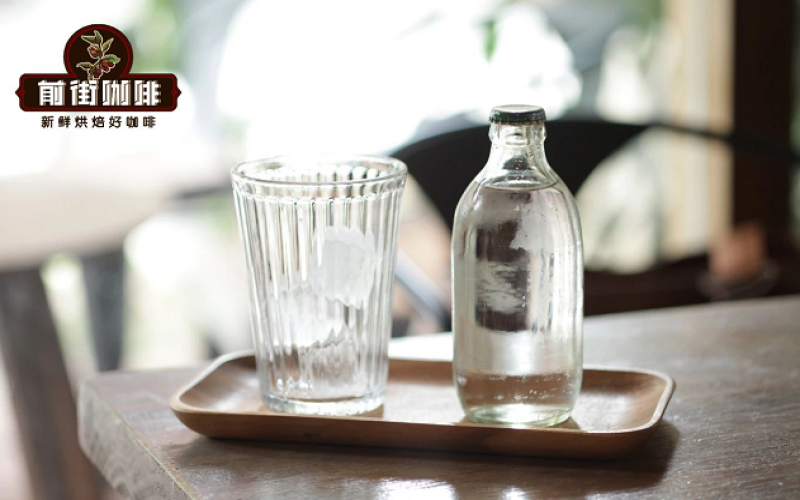
How do you make a delicious sparkling iced Americano? How does it differ from a regular iced Americano?
On a scorching summer day, a glass of icy, fizzy sparkling Americano is undoubtedly a great way to beat the heat. Its ingredients aren't complicated—just ice cubes, soda water, and espresso—but making one that truly tastes good requires attention to every detail, from ingredient selection to preparation. The carbonation level of the soda water, the size of the ice cubes, and the roast profile of the coffee beans all directly influence the final flavor. Carbonation amplifies the coffee's flavors, so when choosing beans, espresso blends or SOEs with prominent fruity notes are more recommended. In addition to sharing the key points for making a sparkling iced Americano and bean recommendations (such as Front Street Coffee Strawberry Candy Espresso, Front Street Coffee Florals SOE, etc.), this article will also clarify exactly how it differs from a regular iced Americano. [more…]

Cold Brew Coffee Beans Recommendation | What Are the Characteristics of Cold Brew Coffee? Which Coffee Bean Varieties Are Suitable for Cold Brew? Can Regular Coffee Grounds Be Used for Cold Brew?
Cold brew coffee is becoming more and more common nowadays. We are all so busy in our daily lives that we don't even have time to go buy a cup of coffee. In that case, cold brew coffee is the quickest way to get a cup of coffee right now. The fermented aroma and refreshing coolness of cold brew instantly make you feel at ease, and even in autumn and winter, it still makes you think of its taste. You only need to spend [more…]
Is Starbucks Cold Brew Healthy? Caffeine Content and Flavor Analysis Plus Front Street Coffee Cold Brew Brewing Guide
Cold brew coffee, with its smooth mouthfeel and refreshing flavor, has become a popular choice at Starbucks and independent coffee shops alike. It is extracted at low temperatures over a long period, resulting in low bitterness and prominent fruity acidity and floral notes, but its caffeine content and health effects have also drawn much attention. This article provides a detailed analysis of the definition, characteristics, and caffeine situation of cold brew coffee, and shares the bean list and creative drinking methods recommended by Front Street Coffee, including adding sparkling water, milk, alcohol, and more, to help you easily make a cup of cold brew to your liking at home. [more…]

Cold Brew Coffee Variations | Which Single-Origin Coffee Beans Make Good Cold Brew? How to Describe the Characteristics, Mouthfeel, and Flavor of Cold Brew? Can You Add Milk to Cold Brew Black Coffee?
For more specialty coffee knowledge, please follow our WeChat official account: Front Street Coffee (FrontStreet Coffee). Cold brew coffee is becoming more and more common nowadays. We are all very busy in our daily lives, so busy that we don't even have a moment to go buy a cup of coffee. In that case, cold brew coffee is the quickest way to get a cup of coffee right now. [more…]
A Beginner's Guide to Cold Brew Coffee: Can Regular Ground Coffee Do the Job, Flavor Characteristics, and a Variety of Creative Brewing Methods
Cold brew coffee, with its refreshing taste and fermented aroma, has become the most convenient coffee choice in many people's daily lives. It only takes a few minutes to prepare, then it goes into the fridge to chill overnight, and it's ready to enjoy the next day. But is regular coffee grounds suitable for making cold brew? Where do the flavor differences between cold brew and hot brew lie? This article will explore the definition of cold brew, its characteristics, coffee bean selection, and more, and introduce two beans recommended by Front Street Coffee: Yirgacheffe Gutingding and Panama Butterfly. Finally, it will share creative cold brew methods such as adding sparkling water, milk, or alcohol, to help you find the cold brew solution that suits you best. [more…]

Cold Brew Iced Coffee Ratio and Coffee Bean Selection Guide, with Creative Cold Brew Specialty Drink Ideas
Cold brew coffee, through its low-temperature slow extraction process, presents a smoother mouthfeel with less bitterness than hot extraction, making it the most convenient coffee choice in a busy life. This article provides a detailed analysis of the definition, flavor characteristics, and brewing ratios of cold brew coffee, and recommends coffee beans suitable for cold brew based on different origins and processing methods, including Front Street Coffee's Yirgacheffe Gidding, Honduras Sherry and Lychee Orchid, and Panama Butterfly. In addition, it shares three creative specialty drink methods: adding sparkling water, adding milk, and adding alcohol, to help you find the cold brew solution that best suits your taste. [more…]
What beans to choose for Starbucks cold brew? Front Street analyzes Yunnan cold brew coffee bean flavors and specialty stories
Cold brew coffee, with its smooth mouthfeel and low bitterness brought by low-temperature long-time extraction, has become a favorite of many coffee lovers. The cold brew series once launched by Starbucks made this trend sweep the whole country. So, which type of coffee beans should be chosen for making cold brew? Front Street Coffee recommends sun-dried, washed, or specially processed beans, and takes Yirgacheffe Gudingding and Panama Butterfly as examples to show the flavor performance of different producing regions. This article will also share creative drinking methods such as adding sparkling water, milk, or alcohol, as well as a hands-on experience of making cold brew with room-temperature water, to give you a comprehensive understanding of the charm and key points of making cold brew coffee. [more…]
Low-temperature slow extraction meets fresh fruit infusion: four pairings tested, a step-by-step guide to making a well-balanced fruit cold brew
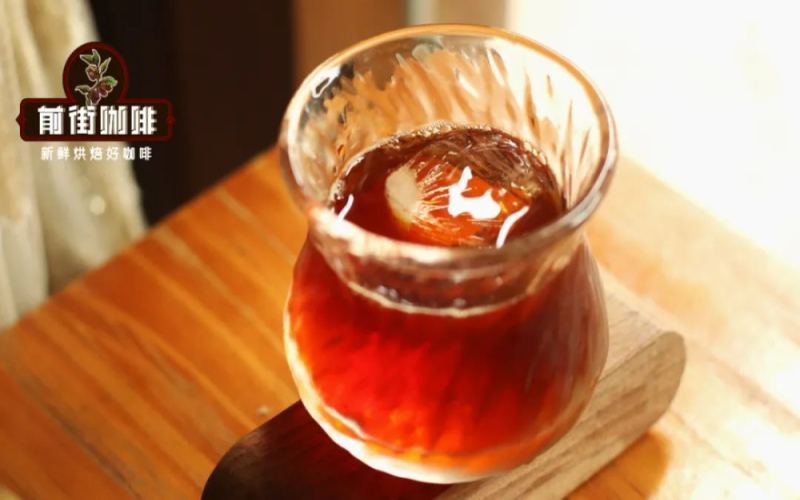
As temperatures keep climbing, the call for cold brew coffee grows louder and louder. The two thresholds of low temperature and slow steeping mean that the variables in cold brew are mainly concentrated in water volume, water temperature, and grind size, so there don't seem to be many ways to play around with it. But if fresh fruit and coffee beans are steeped together, could they collide into unexpected flavors? Front Street Coffee paired blueberries, grapes, lemons, and peaches with four coffee beans from different origins respectively and carried out a round of hands-on testing. From parameter settings to tasting impressions, and then to a summary of the patterns for choosing fruit and beans, the entire experimental process of this fruit cold brew was fully recorded, in the hope of offering some reference for friends who want to try it at home. [more…]
Cold Brew Origin Recommendations: Cold Brew Performance of Fruity and Full-Bodied Types
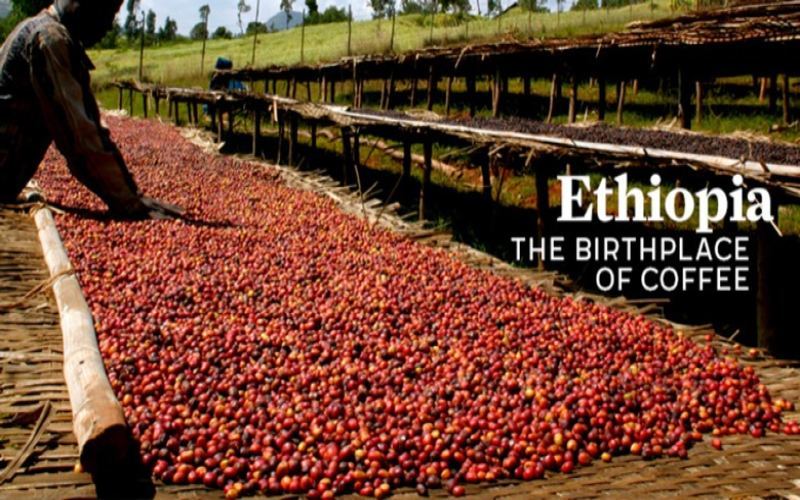
The choice of origin for cold brew coffee determines whether the cup leans toward fresh fruit juice or rich cocoa. The long-steep cold water extraction method makes origin flavors express themselves differently than in hot brewing, and some origins perform better in cold brew. For fruity cold brew, Ethiopian origins are a good choice. Huakui natural beans made as cold brew, hot [more…]
A can of cold brew: flavor differences from light to dark roast
The home method for cold brew coffee is not complicated; what truly shapes the final style is often the roast level of the coffee beans. Steeped in cold water the same way, light roasts tend to leave bright fruity acidity and aroma, medium roasts come across sweeter and smoother, and dark roasts have pronounced cocoa, nutty notes, and a heavy body. To make a jug of cold brew that suits your taste, [more…]
How to Choose Beans for Cold Brew Coffee by Roast Level: A Flavor Guide from Light to Dark Roast
Cold brew isn't simply swapping hot coffee for ice water; instead, it lets water pass slowly through the coffee grounds, collecting a concentrated liquid after a longer contact time. The low-temperature environment suppresses sharp acidity but also amplifies the differences in body between beans. Selecting beans by roast level lets you first decide whether you want a crisp fruity aroma, a rounded sweetness, or [more…]
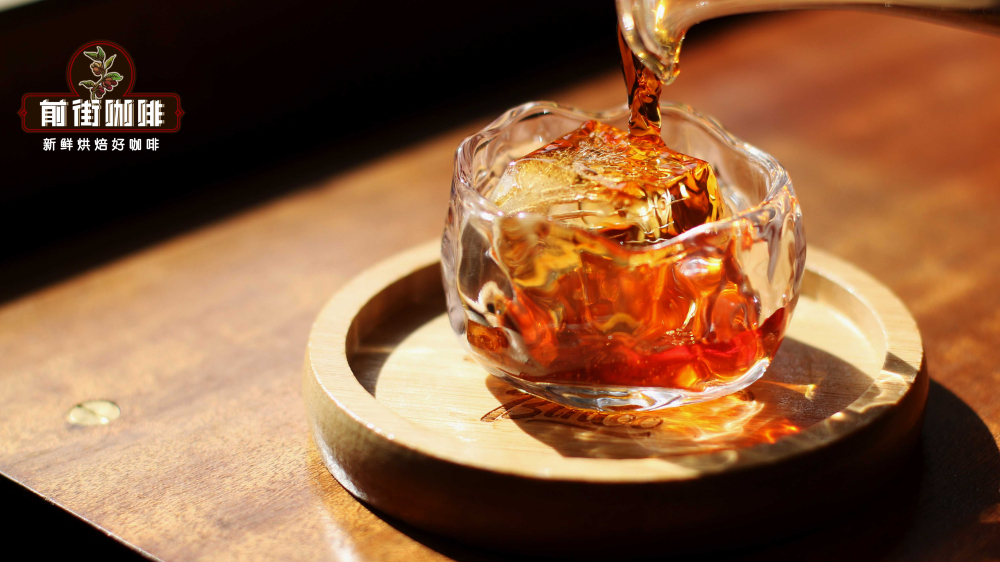
Cold Brew Coffee Grounds-to-Water Ratio | How to Make Cold Brew Coffee at Home? Should the Finished Cold Brew Concentrate Be Diluted with Water? How Long Does Cold Brew Last?
The arrival of autumn has cooled the stuffy weather, but many friends in the south can still feel the enthusiasm of the sun at noon. Drinking pour-over coffee in this dry season often leaves the throat feeling parched, and at times like this, ice-cold cold brew coffee becomes everyone's favorite. Some friends may ask about cold brew coffee's [more…]
How to Choose Cold Brew Coffee Beans: A Flavor Guide from Light to Dark Roast
Cold brew coffee is left in the refrigerator to extract slowly; on the palate it is usually gentler than hot coffee, and its aromas also unfold in a different order. When choosing beans, the roast level is a very practical clue: light roasts lean toward bright fruit notes, medium roasts make it easier to taste sweetness and balance, while dark roasts bring cocoa, nuts and a rich body. First, decide which kind you want. [more…]
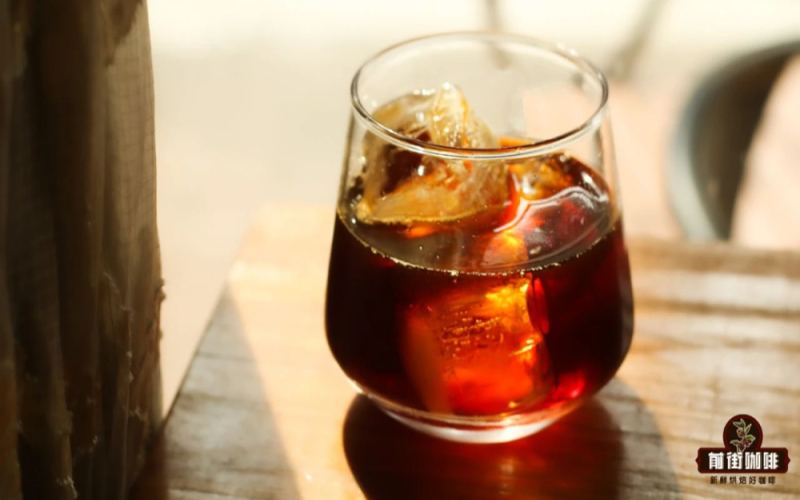
Where Did Cold Brew Coffee Originate? A Beginner's Guide to Choosing Coffee Bean Flavors for Cold Brew
Cold brew coffee is deeply loved today, but its origins are little known. The earliest documented cold brew coffee comes from the 17th-century Netherlands, when sailors, to cope with long sea voyages, steeped coffee grounds in cold water for over twenty hours to make a concentrate, which both increased the caffeine content and extended shelf life. This method later spread to Japan, where it evolved into drip-style cold brew by combining with the local tradition of cold-brewed tea. When making cold brew, the coffee-to-water ratio is key; Front Street recommends 1:13 for regular drinking and 1:10 for specialty concoctions. In terms of coffee bean selection, medium-light to medium roast beans with prominent acidity, sweetness, or aroma are more suitable. This article will analyze in detail the origins of cold brew, the key points of making it, and recommend several Front Street Coffee beans to help you get started easily. [more…]