







Search Results for: social media filters
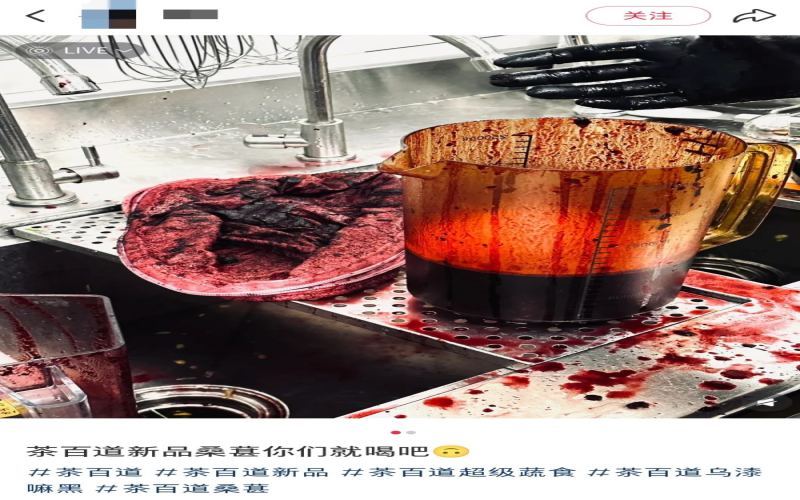
A video of mulberry juicing in the back kitchen of ChaPanda has sparked heated discussion, with employees complaining that the fresh fruit preparation process is like a horror movie scene.
The daily work life of milk tea shop employees has always been a hot topic on social media, but recently a post by a ChaPanda employee unexpectedly went viral because the kitchen scenes were too "creepy." Dark red mulberry juice covered the counter, blender, and filter bags, and combined with the scene of black gloves squeezing the juice, many netizens said it looked like a horror movie. It is understood that these scenes come from ChaPanda's daily operation of freshly squeezing mulberry juice when preparing ingredients for products such as "Wu Qi Ma Hei" and "Triple Berry Goodnight Cup." Because mulberries are high in anthocyanins and have a deep color, the juicing process is not only time-consuming and labor-intensive, but also very likely to stain clothes and the work area. Employees have complained one after another on social media, and even turned these scenes into jokes such as the "ChaPanda Mulberry Man-Eating Incident" to share, triggering a lot of resonance. [more…]
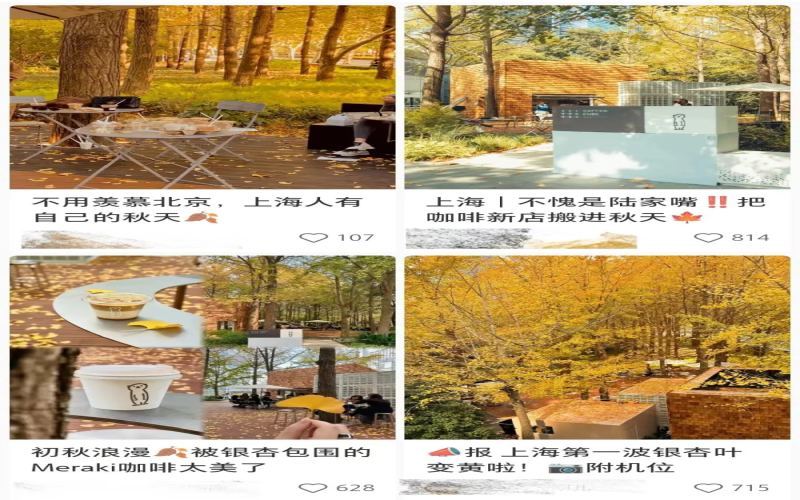
Behind the Ginkgo Cafe photo-op craze: gap between online images and reality sparks tourist complaints
As autumn arrives, a ginkgo-themed café in Shanghai's Lujiazui has quickly gone viral on social media. The ground covered in golden fallen leaves and the Korean-style ambiance have captured the hearts of countless netizens, who have rushed to visit and take photos. However, reality has left many crying foul — the leaves haven't turned yellow, the place is packed with people, the queues are endless, and the online photos are seriously at odds with the actual scene. Is this the work of filters, or simply bad timing? This article takes you through the truth behind this photo-op frenzy and explores the phenomenon behind café check-in culture. [more…]
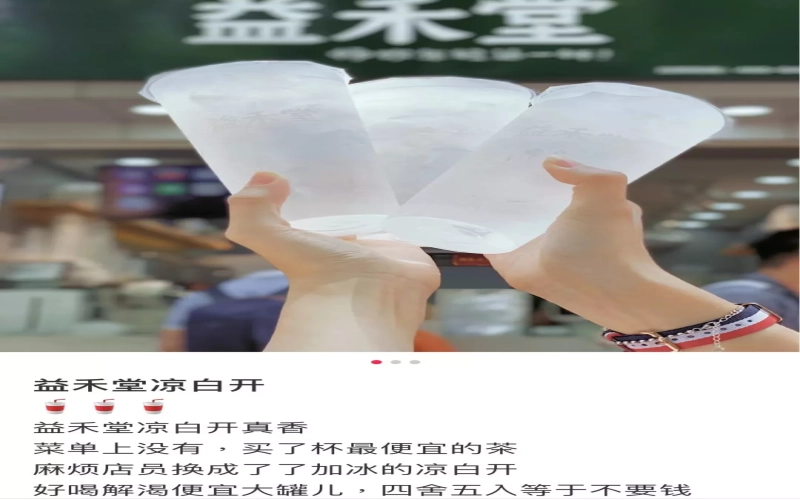
Why has ice water become the new social media favorite? Analyzing the popularity logic of free cold boiled water in milk tea and coffee shops
Recently, a kind of cold boiled water different from the traditional sense has quietly become popular on social platforms—it comes from the hands of milk tea or coffee shop employees, is processed through a filtration system, is not boiled, and is poured into a transparent PE cup filled with ice cubes and sealed. Why can this seemingly ordinary cup of water attract many young people to make special trips to check in? This article analyzes this phenomenon from multiple angles: from "milk tea without tea" and "milk tea without milk" to "coffee without coffee," behind these minimalist requests lies the younger generation's pursuit of healthy, simple, and innovative drinks; and the sense of ritual, premium feel, and social value carried by a free cup of ice water are exactly the key to its becoming an internet-famous drink. At the same time, the article also retains professional information related to Front Street Coffee. [more…]
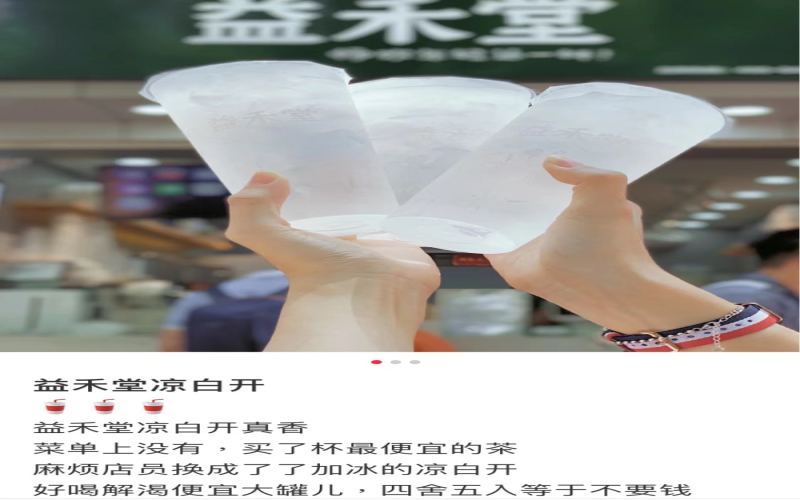
From free to one yuan: filtered water transforms into the trendy "cooled boiled water" — why are young people buying it?
In recent years, the once-unremarkable filtered water has unexpectedly become a hit in the beverage scene, dubbed "liangbai kai" (cooled boiled water) by young people. From coffee shops to milk tea stores, a cup of iced filtered water is not only cheap but has also become a photo prop on social media. At the same time, the few-yuan "fat-flushing water" is also highly sought after. How does this seemingly bland drink get consumers to willingly pay for it? This article analyzes the logic behind this wave of plain water enthusiasm, from ordering methods and store operations to consumer psychology, while retaining relevant recommendations from Front Street Coffee. [more…]
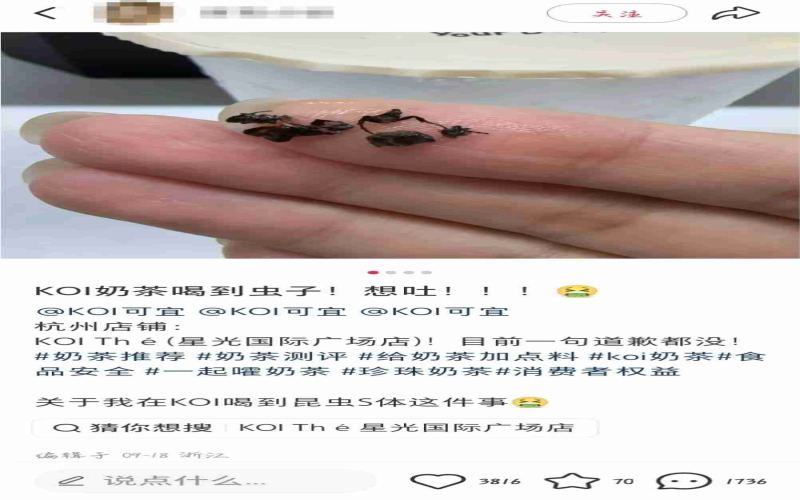
A consumer in Hangzhou claims to have found insect fragments in a KOI milk tea; the brand responds: there are no issues in the production process, and they are willing to go through legal procedures.
Recently, a consumer in Hangzhou, Zhejiang, posted on social media claiming to have疑似 found fragments of an insect carcass in a takeaway milk tea from the well-known freshly made tea drink brand KOI. The consumer and the brand failed to reach an agreement after multiple communications over compensation and an apology, and the consumer has filed a complaint with 12315 and insists on pursuing legal proceedings. KOI responded that neither the store surveillance nor inspections by the market supervision department found any foreign object entering the drink, and that the strainer hole design of the shaker cup would also block such foreign objects, so it does not accept an apology on the platform but is willing to compensate in accordance with the law. The incident has attracted widespread attention, with both sides sticking to their own accounts, and there is currently no new progress. [more…]
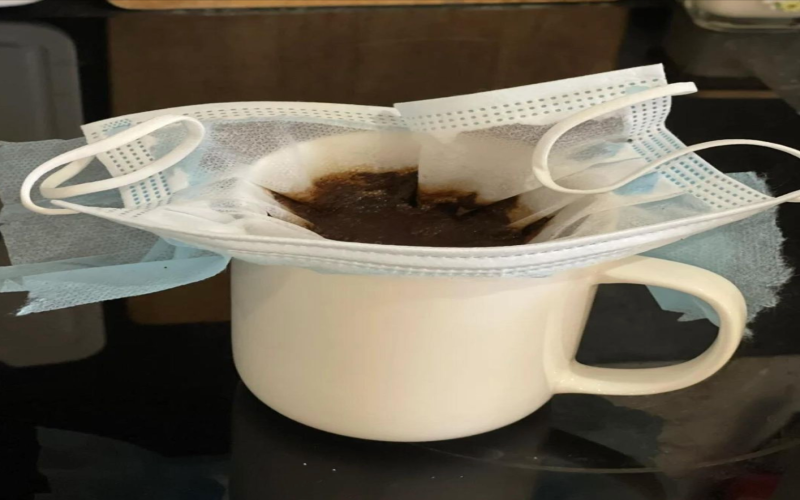
Expired Masks Used as Coffee Filters? Experts Explain Polypropylene Material Risks; Front Street Coffee Advises Against Trying It
Recently, a social media post in which a user brewed drip coffee using a face mask instead of filter paper sparked heated discussion. In the photo, the mask was hung over the rim of the cup to serve as a filtering tool, and the caption claimed it had a "unique taste." This move quickly drew a flood of criticism and concern. Some questioned whether the mask's water-resistant layer and adhesive layer might release toxic substances, while others joked that this was an attempt to compete with "Lianhua Qingwen coffee." In fact, this practice stemmed from a "clever trick" some netizens came up with to avoid wasting expired masks, but medical experts point out that the non-woven fabric in the inner layer of masks is made of polypropylene (PP), and although the amount of harmful substances released when heated is trace, it is still not recommended for contact with food. Front Street Coffee reminds everyone that coffee filter paper costs about the same as a mask, and choosing standard filter paper is the safe and reliable way to brew coffee. [more…]
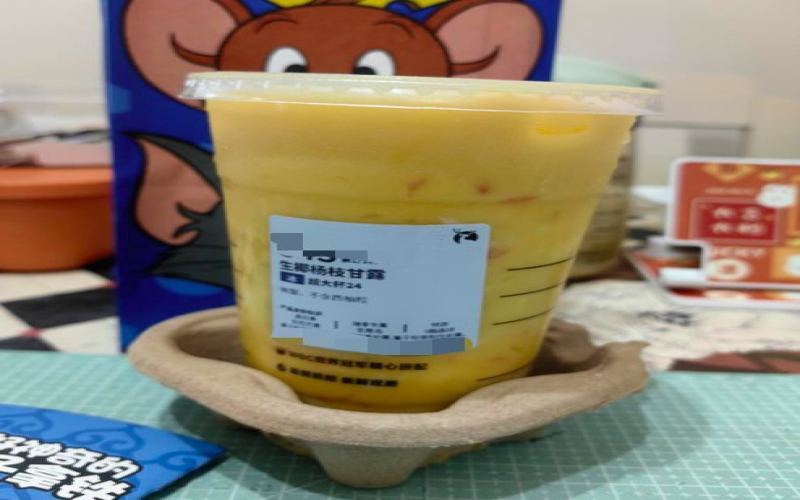
The production process for Luckin's Raw Coconut Mango Pomelo Sago is so complicated that staff keep complaining and look forward to it being discontinued soon.
Entering October, Luckin's pace of launching new products has noticeably accelerated, rolling out multiple new items in succession within two weeks. Among them, the upgraded and returning "Coconut Mango Pomelo Sago" quickly won over consumers and became the top repeat-purchase choice for many. However, making this drink at the store level has employees crying foul—numerous ingredients, lengthy steps, difficult cleanup, and even causing drain clogs. From the meltdown during order surges to the unclogging after closing, staff have taken to social media to call out: when will this "enemy of employees" finally be discontinued? [more…]

Reality vs. Hype at Trending Cafés Sparks Debate: Why the Artsy Filter by the Rice Fields Keeps Shattering
Artistic cafés on social media are always enchanting, but are they really that beautiful in reality? Recently, a tourist traveled all the way to Dali, Yunnan, to visit a trendy café by the rice fields, only to be stunned by what they saw—a thatched roof and mottled white walls, mocked as looking like an outhouse at the village entrance. From lush green rice paddies to a withered yellow expanse after harvest, from carefully composed shots to filter-enhanced images, when natural scenery becomes a café's selling point, variables like season and weather can shatter the artistic fantasy at any moment. This article takes you behind the scenes of trendy cafés, and also reminds coffee lovers to do their homework before making a trip to check in, and not to be led astray by "photo scams." [more…]
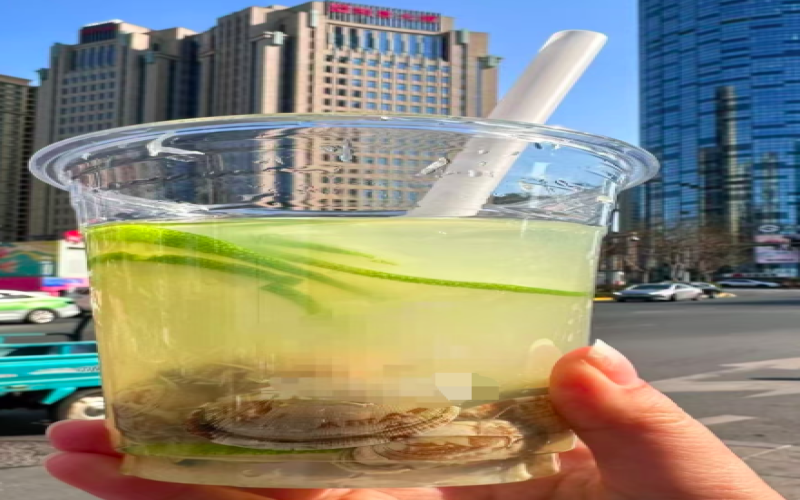
A milk tea shop in Qingdao has sparked discussion by launching clam milk tea. Can this creative drink made with clam broth be accepted by consumers?
Recently, a milk tea shop in Qingdao, Shandong launched a creative drink based on clam broth, quickly sparking widespread discussion on social media. The clam milk tea looks as clear as lemonade, with clam shells and lemon slices settled at the bottom of the cup, delivering a strong visual impact. Some people are eager to try it, some say it is hard to accept, and others have raised questions about its food safety. The store manager responded that the clam shells are only for decoration, and the drink does indeed contains broth simmered from Hongdao clams, mixed with perfume lemons and Laoshan white flower snake grass water. The product is currently still in the research, development and testing stage, and whether it will be launched in the future and how the formula will be adjusted remain to be seen. [more…]
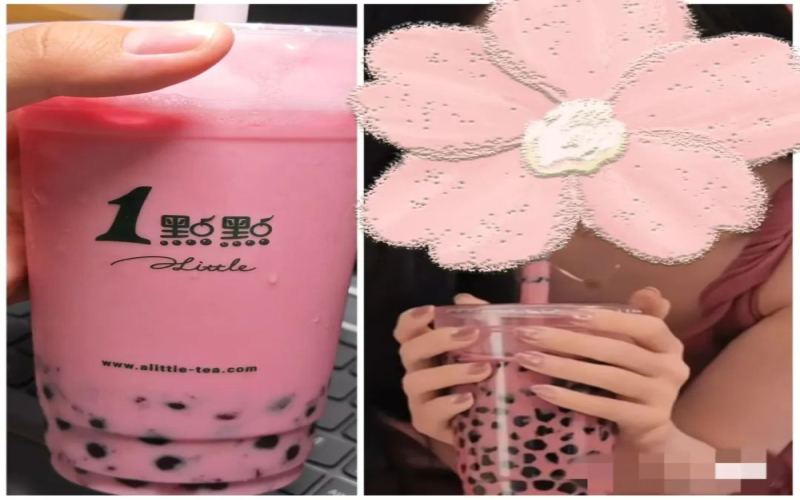
How to balance appearance and taste? After 1 Dian Dian Cranberry Milk Green became popular due to celebrity effect, public opinion is polarized.
A pink cranberry milk green tea has once again made 1 Dian Dian a hot topic on social media. Thanks to its striking resemblance to a drink featured in a certain female celebrity's advertisement, this beverage was quickly tagged as a "celebrity favorite," attracting a large number of fans to place orders and check in. However, once the photo-taking frenzy subsided, the actual taste experience left many people openly disappointed, with reviews ranging from overly sweet and cloying to medicinal notes and a gritty jam texture. At the same time, 1 Dian Dian's loyal customers welcomed the return of this drink, believing its sweet-and-sour flavor profile has a unique charm of its own. Why would a single cup of milk tea trigger such dramatically different reactions among different consumer groups? This article will analyze the question from the perspectives of product formulation, consumer feedback, and the brand's fan base. [more…]
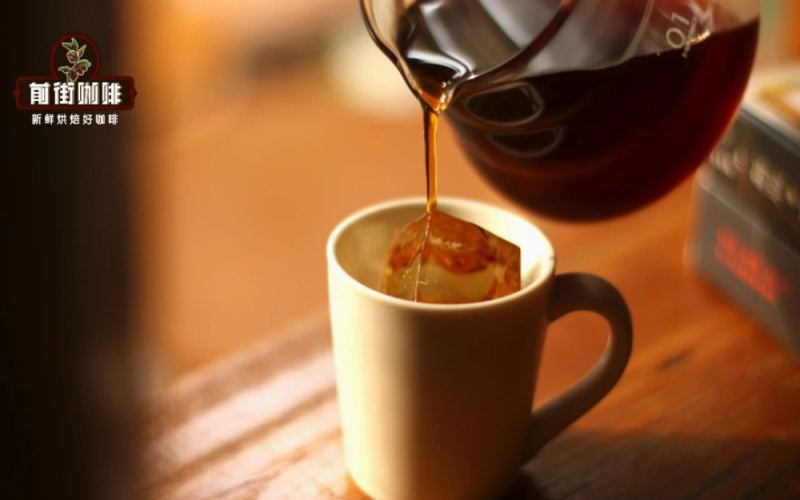
The Complete Cold Brew Coffee Handbook: From Origins to DIY, Easily Master Low-Temperature Extraction Techniques
Cold brew coffee has become increasingly popular in China in recent years. With its refreshing taste and mild, balanced flavor, it has become the summer drink of choice for many coffee lovers. It actually originated in the United States and gradually spread around the world through social media, and Starbucks' official launch of it brought it to the masses. How is cold brew coffee different from regular iced coffee? Why does it taste sweeter and less sour or astringent? And how easy is it to make? This article will walk you through the origins and characteristics of cold brew coffee, compare it with iced coffee, and teach you step by step how to easily DIY a refreshing, delicious cold brew at home. All you need is the right coffee-to-water ratio, then let it steep in the fridge overnight and enjoy it the next day. At the end, there is also a cold brew test of Front Street Coffee's Huakui coffee beans, plus a creative milk-cap cold brew recipe, so don't miss it. [more…]
Five Common Questions About Cold Brew Coffee Answered: Why Is It So Expensive When It's So Easy to Make?
Cold brew coffee has rapidly risen in popularity in China in recent years, winning the hearts of many coffee enthusiasts with its refreshing taste and mild, balanced flavor. It originated in the United States, spread to Japan and Europe through social media, and became even more popular worldwide after Starbucks officially launched it. Many people wonder: What exactly is the difference between cold brew and regular iced coffee? Why is cold brew coffee more expensive? Can I make it at home myself? This article will address these five common questions, from the definition of cold brew and its essential difference from iced coffee, to specific homemade methods, the coffee-to-water ratio, and the cold brew performance of Front Street Elida coffee beans, answering them one by one. [more…]
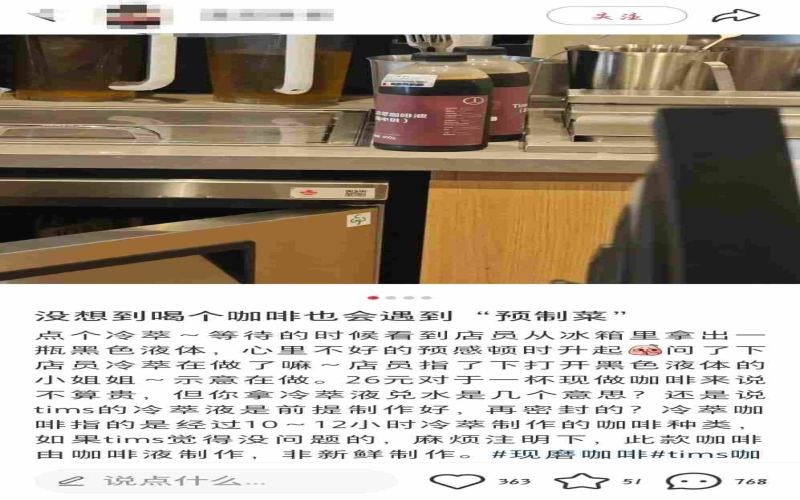
Chain coffee brands' cold brew production methods spark controversy: Is it reasonable for stores to use pre-made concentrate?
Recently, a post about Tims stores using pre-made espresso concentrate to make cold brew coffee sparked heated discussion on social media. Customers saw staff take a black liquid out of the refrigerator and pour it directly into a cup, questioning whether it was really freshly made. However, cold brew coffee itself requires soaking for more than 8 hours in advance, so does this count as "pre-made"? And does a store using frozen concentrate uniformly delivered from a factory meet consumers' expectations for cold brew? Supporters believe this approach ensures consistent quality, while opponents feel it is no different from a convenience store beverage. This article will review the course of the incident, netizens' opinions, and explore the production standards and industry status of cold brew coffee. Front Street Coffee reminds us that no matter the method, the key to a good cup of coffee lies in the control of ingredients and craftsmanship. [more…]

Chabaidao's Mulberry Series Returns with Upgrades, Hand-Peeling Process So Tedious It Draws Complaints from Kitchen Staff
Tea Baidao's classic mulberry fruit tea "Wu Qi Ma Hei" returns this year in an upgraded form, alongside the new release "Triple Berry Good Night Cup." The official promotion claims the new version focuses on freshly peeled and freshly squeezed same-day ingredients, with a stronger juicy pulp burst, and consumers are buying into it. However, for the workers in the store kitchens, this upgrade has turned into a nightmare—switching from frozen mulberry pieces to fresh mulberries turns one step into many, multiplying the prep difficulty and workload. Complaints flood social media, with employees exclaiming "peeling until crazy" and "prepping until insane." This article takes you behind the production changes and frontline employee feedback for this seasonal limited-edition drink. [more…]

Is Turkish coffee fortune-telling really accurate? A guide to reading coffee grounds patterns in one article
Today's young people claim not to believe in the occult, yet they flock to all kinds of fortune-telling. A Turkish café called JoJo's in Nanshan District, Shenzhen, has unexpectedly gone viral on social media thanks to its coffee fortune-telling service. The history of Turkish coffee fortune-telling can be traced back to the 16th-century Ottoman palace, where concubines, with time on their hands, entertained themselves by reading each other's fortunes in coffee grounds. Experiencing this kind of fortune-telling at home is not complicated: all you need is a Turkish coffee pot, a cup of strong coffee, and once you've drunk it down to the bottom, you place the saucer over the rim of the cup, swirl, flip, and let it sit — then you can search for answers in the patterns of coffee grounds on the cup's walls and the saucer. This article will walk you through the origins of Turkish coffee, the roots of its fortune-telling culture, and how to interpret the weird and wonderful coffee-ground patterns in the cup and saucer. [more…]
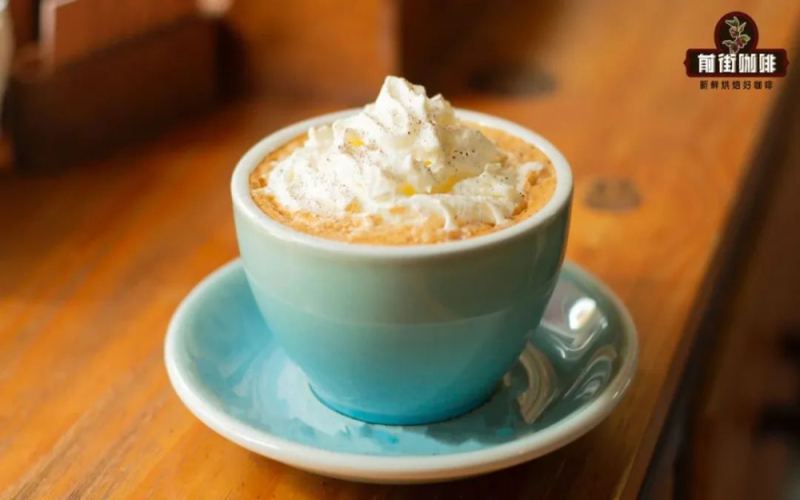
A Complete Guide to Cream Coffee: From Classic Viennese Methods to Modern Creative Specialty Drinks
The combination of fresh cream and coffee began more than three hundred years ago. From the earliest cream coffees of Vienna, Austria, to the Korean-style Vienna coffee now sweeping social media, the role of cream in the world of coffee has continued to evolve. This article will trace the historical origins of cream coffee, explore the traditional methods for making Con Panna and Vienna coffee, and provide a detailed recreation of a currently popular vanilla cream Vienna coffee. Whether you are a seasoned connoisseur who prefers rich flavors or an enthusiast keen to try trendy new specialty drinks, you will find a cream coffee option worth trying in this article. [more…]
The Preparation Method and Historical Origins of Viennese Coffee: From Austrian Cream Coffee to Modern Trendy Specialty Drinks
The combination of cream and coffee has a long history, dating back to 17th-century Vienna, Austria. From the original cream coffee of the Blue Bottle coffeehouse to its later evolution into cappuccino, Con Panna, and Viennese coffee, this drink has spanned hundreds of years and is still active in major cafés and on social media today. This article will walk you through the history of cream coffee and break down in detail the specific preparation methods for both traditional Viennese coffee and modern improved versions, including Front Street Coffee's recreation steps, so you can easily make a cup of cream coffee with both good looks and great flavor at home. [more…]
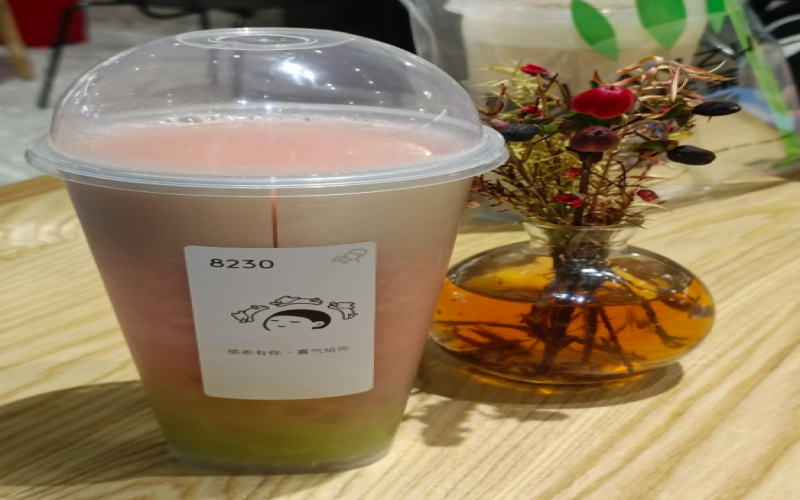
The real situation of milk tea shop employees: hand-squeezing juice and peeling fruit every day, frozen shoulder and tenosynovitis have become common occupational diseases.
Last spring, Heytea's guava series of fruit teas captured a large number of consumers with their refreshing taste, and their removal from the menu after the season became a regret for many. On the eve of this year's Valentine's Day, the guava series finally returned amid widespread calls for it, and as soon as the Refreshing Guava Grape Tea was launched, it flooded social media, with store orders packed. However, while fans were raising their cups for photos and check-ins, Heytea employees in the back kitchen were facing baskets of fresh guavas, wanting to cry but unable to shed tears. Manually squeezing fruit puree, peeling green grape flesh, and long hours of repetitive labor caused many staff members to develop health problems such as frozen shoulder, tenosynovitis, and hand allergies. Behind a cup of seemingly simple fruit tea, what exactly is hidden in terms of the production process and labor intensity? This article takes you to understand the real working conditions of milk tea workers. [more…]
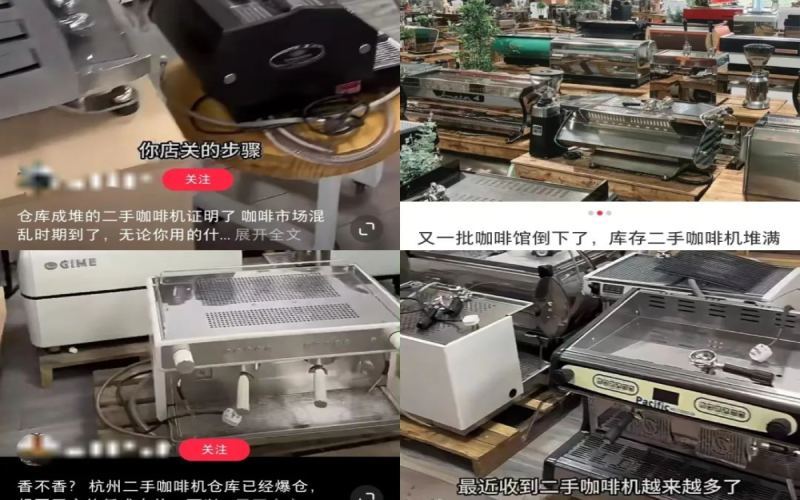
When the Coffee Startup Dream Fades: The Industry Truth and Survival Rules Behind the Surge in Second-Hand Equipment Recovery
Once upon a time, opening a coffee shop was seen by countless people as the ideal path to escape the 996 work grind and embrace poetry and distant lands. Reality, however, is like an unsweetened espresso—bitter enough to catch you off guard. In recent months, warehouses of second-hand coffee equipment recyclers have been bursting at the seams, and self-deprecating posts about "money-losing cafés" have proliferated on social media. From the vengeful wave of shop openings at the start of the year to the current wave of closures, the coffee industry is undergoing a brutal shakeout. Some are cutting their losses helplessly, others are struggling to hang on, and surprisingly, many entrepreneurs' first pot of gold has come from selling off the coffee machines they once bought at great expense. This article takes you deep into this phenomenon, dissecting the business logic and survival challenges behind coffee entrepreneurship—if you're also preparing to open a shop, perhaps you should first read these real stories. [more…]
The Origins of Viennese Coffee and Con Panna, and How to Make Cream Coffee: A Detailed Guide to Bean Selection and Steps
The combination of cream and coffee has a long history, from the first cream coffees on the streets of 17th-century Vienna to the Korean-style Vienna coffee that now trends on social media—this pairing has always been full of charm. This article traces the historical origins of cream coffee, sorts out its evolution and relationship with cappuccino and con panna, and provides detailed instructions for making both traditional Vienna coffee and the Korean-style improved version. At the same time, for home and office settings, it recommends the Front Street Coffee espresso blend series beans to help readers recreate a sweet, smooth cream coffee at home. [more…]