







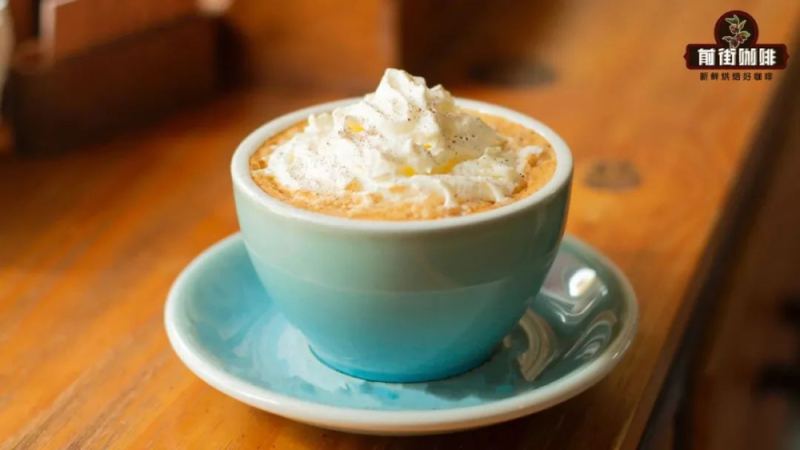
Where does vienna coffee origin trace back to?
Vienna coffee origin traces to 1684, when Jerzy Franciszek Kulczycki opened a Blue Bottle Cafe in Vienna after the siege and brewed the beans left behind by the retreating Turkish army. Austrians rejected the Turkish style of boiling grounds into the cup, so he filtered them with a cloth bag and added cream, honey, and spices, creating the first cream coffee.
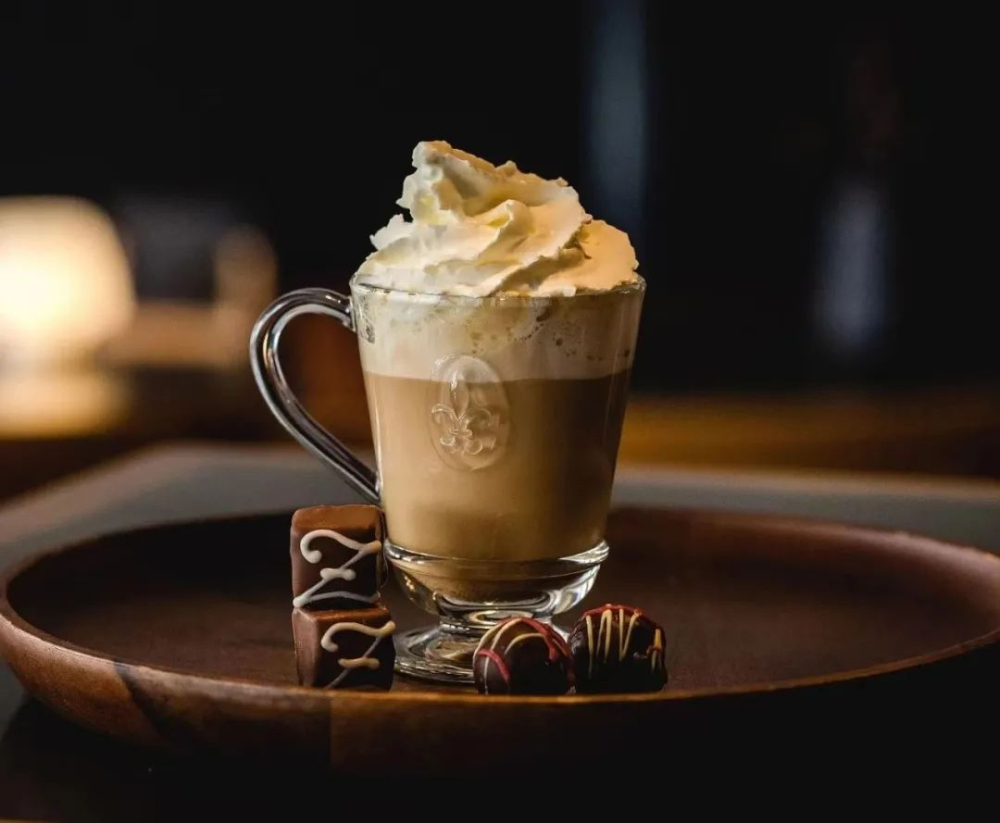
That early drink evolved into cappuccino, Con Panna, and today's Viennese coffee, still served in cafes and shared on social media. Traditional versions top coffee with whipped cream rather than milk foam, and modern recreations keep the same layered structure: a coffee base, a cream garnish, and a spice or sweet accent.
The combination of cream and coffee has a long history, dating back to 17th-century Vienna, Austria. From the first-generation cream coffee at the Blue Bottle Cafe to its later evolution into cappuccino, Con Panna, and Viennese coffee, this beverage has spanned hundreds of years and remains active in major cafes and on social media today. This article will guide you through the historical context of cream coffee and provide a detailed breakdown of the specific preparation methods for traditional Viennese coffee and modern improved versions, including Front Street Coffee's recreation steps, so you can easily make a cup of cream coffee that is both visually appealing and flavorful at home.
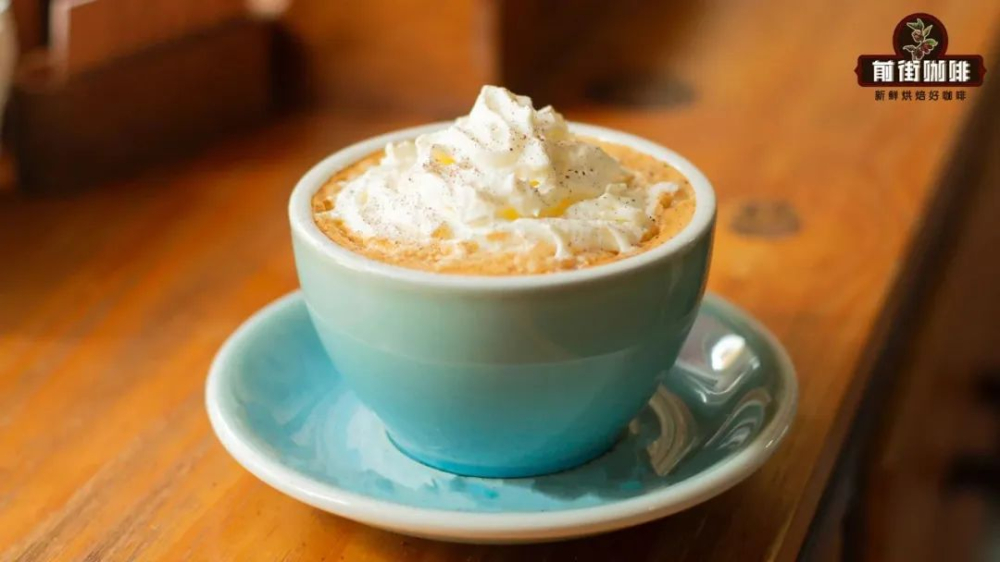
Cream, as an ingredient, has a fine and smooth texture with a rich mouthfeel. If eaten directly, it might feel a bit greasy, but when paired with other foods, it can actually balance the flavors, and coffee is one of them.
In the coffee world, the term "cream" appears quite frequently. During cupping or tasting, it is used to describe a creamy, smooth tactile sensation or the sweet aroma left in the mouth after drinking; in prepared beverages, cream can serve as a companion to enrich the drink's layers or as a decorative garnish to enhance its appearance, making it an important source of inspiration for many creative specialty drinks.
To trace the earliest history of the union between cream and coffee, we should not focus solely on modern fancy drinks but look back at ancient stories that have been passed down for centuries.
Ancient "Cream Coffee"
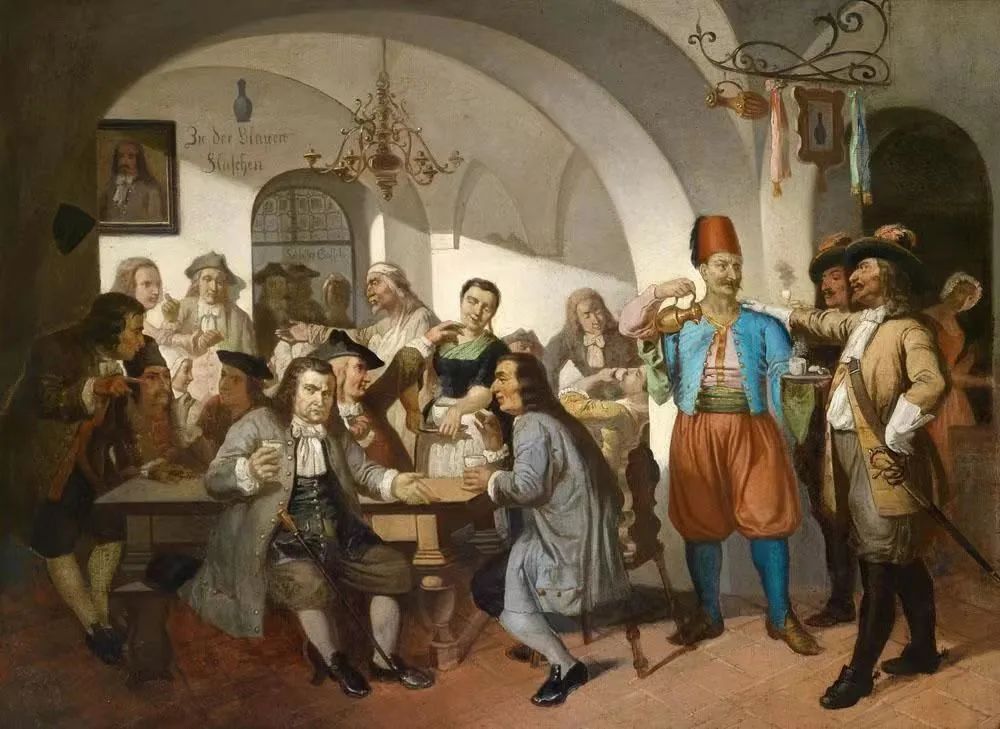
After consulting materials, Front Street learned that the earliest record of adding cream to coffee appeared in Austria. In 1684, a Polish man named Jerzy Franciszek Kulczycki, because he saved the besieged Vienna during the war, received a generous reward and a large number of coffee beans left behind by the retreating Turkish army. After the war, he opened a Blue Bottle Cafe in Vienna.
The Blue Bottle Cafe opened by Kulczycki
Initially, he followed the Turkish method of making coffee, which involved grinding the beans into powder, repeatedly boiling them with water, and then pouring the mixture, grounds and all, into a cup to drink. However, the Austrians could not accept this way of drinking it at all. To cater to local tastes, he switched to filtering out the coffee grounds with a cloth bag, then added cream, honey, and spices for flavoring. This cup of "first-generation cream coffee" quickly won the favor of the Austrians.
At the time, this cream coffee was typically served in a small glass. Because the mixture of cream and coffee presented a beautiful reddish-brown color, very similar to the color of the robes worn by the Order of Capuchin Friars Minor, the Viennese called it "Kapuziner," transliterated into Chinese as "卡普钦呢."
Later, this beverage spread to Italy. With the invention of the espresso machine, Italians switched to using espresso with golden crema as the base, and the original cream was replaced by steam-frothed milk, giving it an Italian name: Cappuccino. In other words, the cappuccino we are familiar with today has its origins in cream coffee.
Although "Kapuziner" later evolved into numerous versions of fancy coffee, the original "cream coffee" did not disappear but continued to thrive in major cafes under the name Viennese Coffee or Espresso Con Panna.
How to make traditional "Cream Coffee"?
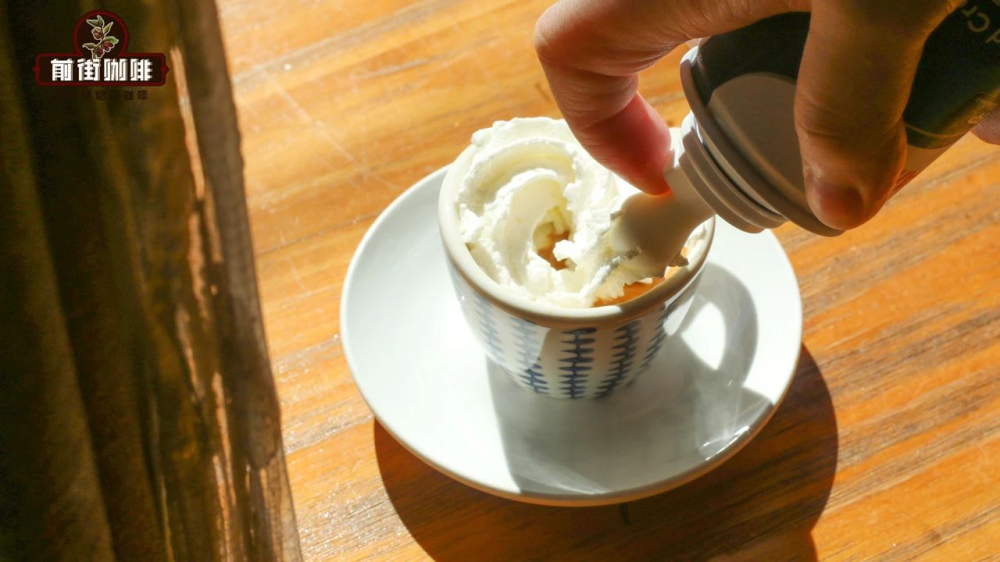
If the English "Espresso Con Panna" is translated literally into Chinese, it means "espresso with cream." This shows that its structure is very simple: just squeeze two or three rounds of whipped fresh cream onto a freshly extracted espresso.
Unlike other fancy coffees, Espresso Con Panna does not require stirring; just drink it directly. The cold cream adds a marshmallow-like texture to the rich, bittersweet coffee, making the mouthfeel more dense and mellow. However, in most people's view, it is still a very strong-flavored coffee, so its audience is not particularly wide.
Besides Con Panna, the more widely known Viennese coffee also uses strong coffee liquid and cream as its main ingredients. However, unlike the original purpose of Con Panna, the Austrian version of cream coffee was designed to provide energy for carriage drivers traveling on cold nights, so it includes more high-calorie ingredients, making it a drink that is refreshing, delicious, and also warming and filling.
Front Street learned that making traditional Viennese coffee is not complicated. Generally, a tall glass with a handle is used. First, place about a teaspoon of white sugar at the bottom of the glass, then pour in about half a cup of strong coffee liquid. Next, top it with fluffy whipped cream, and finally sprinkle ingredients like cinnamon powder, chocolate shavings, or cookie crumbs on the surface.
Modern "Cream Coffee"
Compared to times of scarcity, today's cream coffee is incredibly diverse and varied in form, and they are often given more distinctive names that feel refreshing.
For example, Starbucks has a secret menu item "Iced Americano with Half & Half," which evolved from the ancient Viennese coffee. The entire drink is made from just three components: ice cubes, coffee, and light cream. The steps are so simple it's like putting an elephant in a fridge.
In this cream coffee preparation, with the help of ice cubes, the unwhipped viscous cream first floats on the surface, then slowly sinks and blends with the espresso, presenting a beautiful layered effect. When taken in large sips, you can feel the rich sweetness of cream and coffee intertwined.
In addition, cream has been played with in many interesting forms by baristas. For instance, a Korean cafe has an improved version of "Viennese Coffee" that, with its unique cream presentation and highly photogenic appearance, remains active on social media platforms like Instagram.
Here, the cream needs to be prepared in advance, whipped to a thick yogurt-like consistency, and then layered into the coffee. As long as you have all the ingredients ready, the method is not complicated. Front Street will now recreate a cup.
Preparation materials: light cream, vanilla syrup, espresso, milk, ice cubes
First, find a container that is easy to whip in, pour 80 grams of light cream into it, and then add 15 grams of vanilla-flavored syrup.
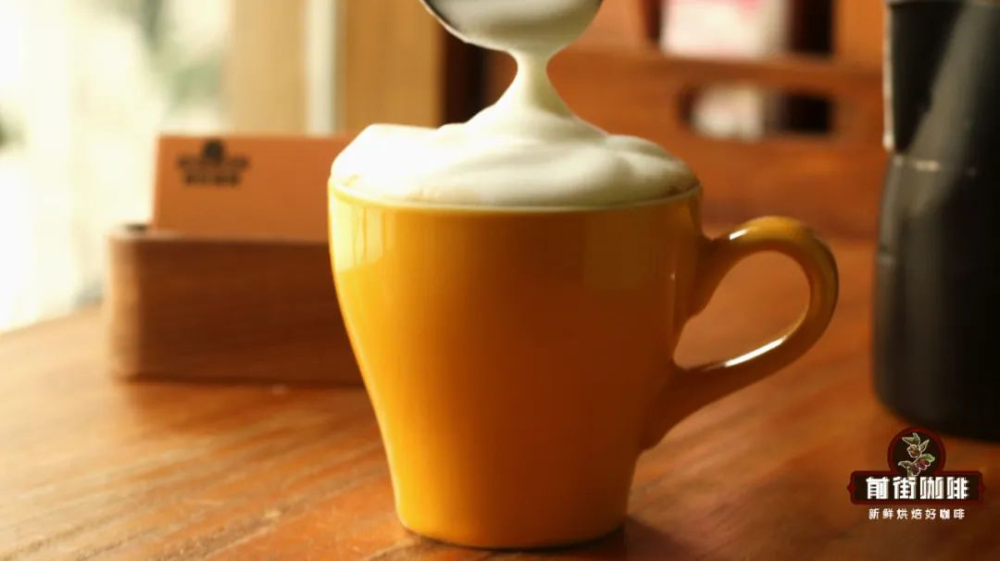
Then use a mixer to whip the cream evenly until it reaches a semi-solid, yogurt-like consistency, like Front Street's here, where it forms peaks and does not collapse quickly.
Prepare a small cup of your choice, add 50 grams of ice cubes, pour in milk to about six-tenths full, spread a layer of the just-whipped vanilla cream, and then extract a double shot of espresso and pour it on top.
Finally, use a spoon to scoop 1 to 3 dollops of vanilla cream onto the coffee, and sprinkle cocoa powder according to personal preference. The internet-famous "Viennese Coffee" is complete.
The above content is compiled by CoffeeHunters, a coffee news website.


