







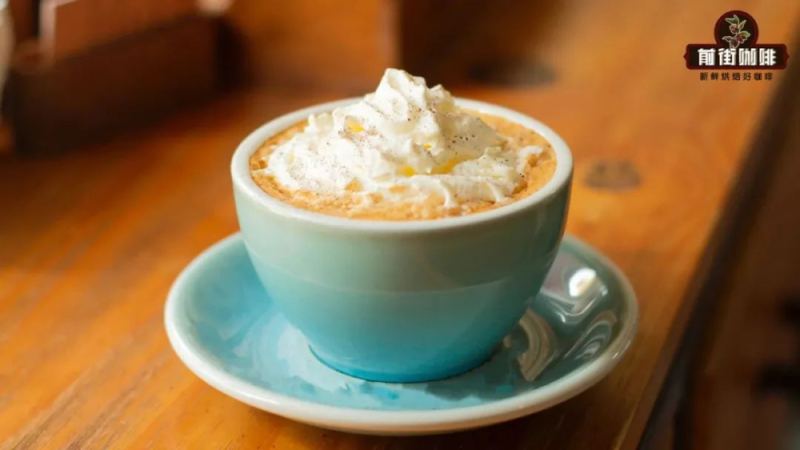
The combination of fresh cream and coffee began over three hundred years ago. From the first generation of cream coffee in Vienna, Austria, to the Korean-style Vienna coffee that is now all the rage on social media, the role of cream in the coffee world has continuously evolved. This article will take you through the historical origins of cream coffee, introduce the traditional methods of making Con Panna and Vienna coffee, and provide a detailed recreation of a currently popular vanilla cream Vienna coffee. Whether you are a seasoned connoisseur who prefers rich flavors or an enthusiast keen on trying trendy specialty drinks, you will find a cream coffee option worth trying in this article.
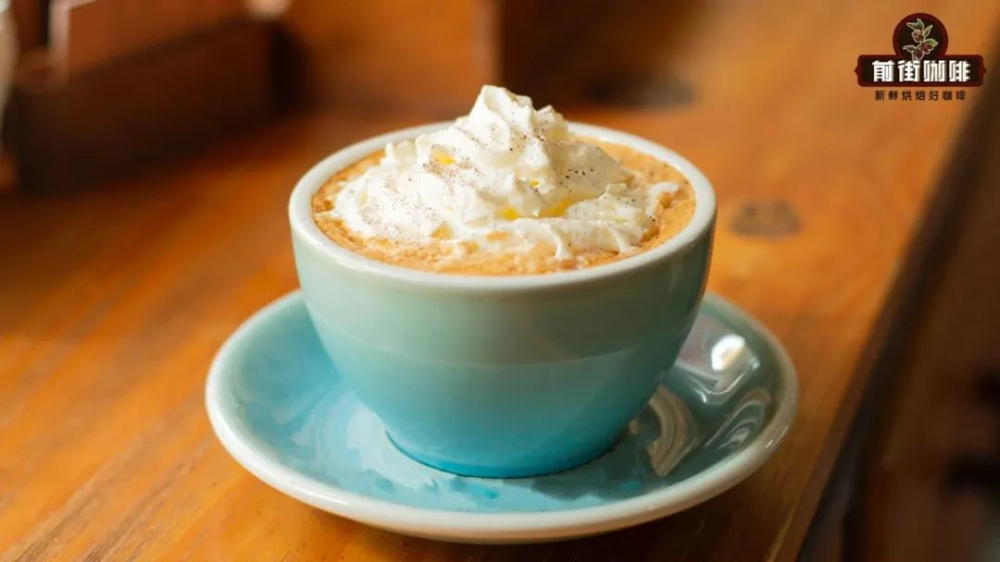
Cream is an ingredient with a delicate texture and rich mouthfeel, offering both a silky touch and a dense, substantial body. Tasting it alone may seem slightly sweet and cloying, but when paired with other foods, it can balance flavors—coffee being one such pairing.
In the coffee world, the word "cream" appears quite frequently. During coffee tasting, it is often used to describe a creamy, smooth mouthfeel or the sweet aroma reminiscent of cream upon entry; in prepared beverages, cream can serve as a companion to enrich the flavor layers of a drink or as a garnish to enhance its visual appeal, making it a source of inspiration for many creative specialty drinks.
To trace the earliest history of the union between cream and coffee, we must not only focus on modern fancy beverages but also delve into stories that have been passed down for hundreds of years.
Ancient "Cream Coffee"
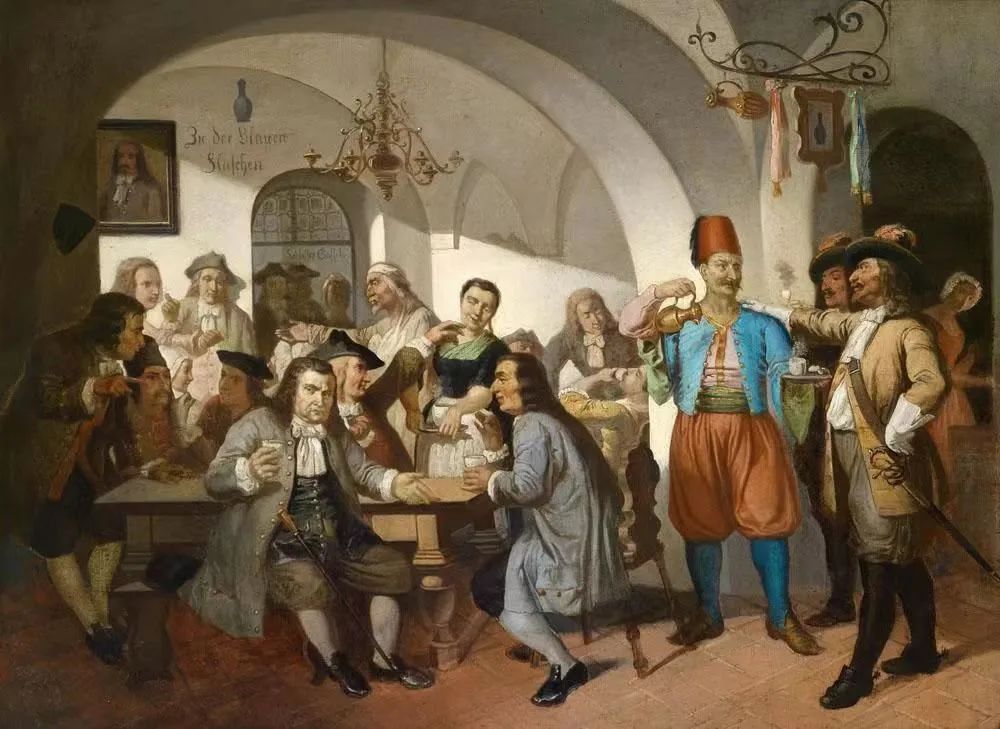
After reviewing relevant materials, Front Street Coffee learned that the earliest written record of adding cream to coffee appeared in Austria. In 1684, a Polish man named Jerzy Franciszek Kulczycki received a substantial reward for successfully breaking the siege of Vienna, along with a large quantity of coffee beans left behind by the defeated Turkish army. After the war, he opened a blue bottle café in Vienna.
The blue bottle café run by Kulczycki
Initially, he followed the Turkish method of brewing coffee, which involved grinding the beans into powder, boiling them twice with water, and then pouring the grounds and liquid directly into a cup to drink. However, the Austrians could not accept this way of drinking it at all. To cater to local customers' taste preferences, he switched to filtering out the coffee grounds with a cloth bag and added cream, honey, and spices for flavoring. This cup of "first-generation cream coffee" quickly won the favor of the Austrians.
At the time, this cream coffee was typically served in small glass cups. After the cream and coffee blended, it presented a captivating reddish-brown color, very similar to the color of the robes worn by Franciscan Capuchin monks, so the Viennese named it "Kapuziner," transliterated into Chinese as "卡普钦呢."
As this beverage spread to Italy and with the advent of Italian coffee machines, Italians began using espresso with golden crema, and the original cream was replaced by steam-frothed milk, giving it an Italian name: Cappuccino. In other words, the cappuccino we know today has its predecessor in cream coffee.
Although "Kapuziner" later evolved into numerous versions of fancy coffee, the first-generation "cream coffee" did not disappear but continued to appear on café menus under the names Vienna coffee or Con Panna coffee.
How is traditional "cream coffee" made?
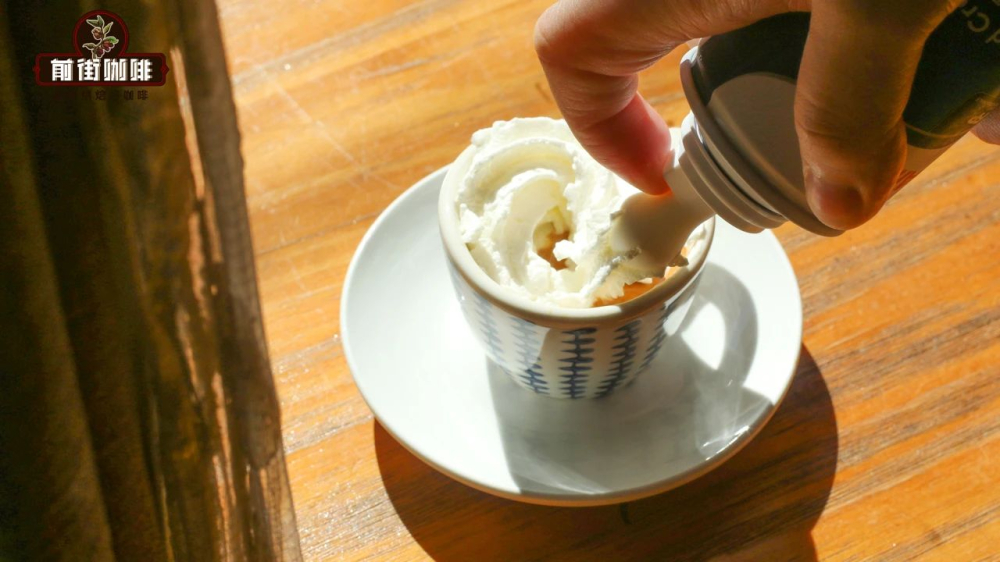
If the English name of Con Panna coffee is translated directly into Chinese, it means "espresso and cream." Thus, its structure is quite simple: just squeeze two or three rounds of whipped cream onto a freshly extracted espresso.
Unlike other fancy coffees, Con Panna does not require stirring when tasting—just drink it directly. The cold cream adds a marshmallow-like texture to the bitter and rich coffee, making the mouthfeel even denser and more mellow. However, most people still consider it a very strong-flavored coffee, so its audience is relatively limited.
Besides Con Panna, the more widely known Vienna coffee also uses strong coffee liquid and cream as its main ingredients. However, unlike the original purpose of Con Panna, the Austrian version of cream coffee was originally made to replenish energy for carriage drivers traveling on cold nights, so it includes more high-calorie ingredients—a drink that is both refreshing, delicious, and able to keep warm and satisfy hunger.
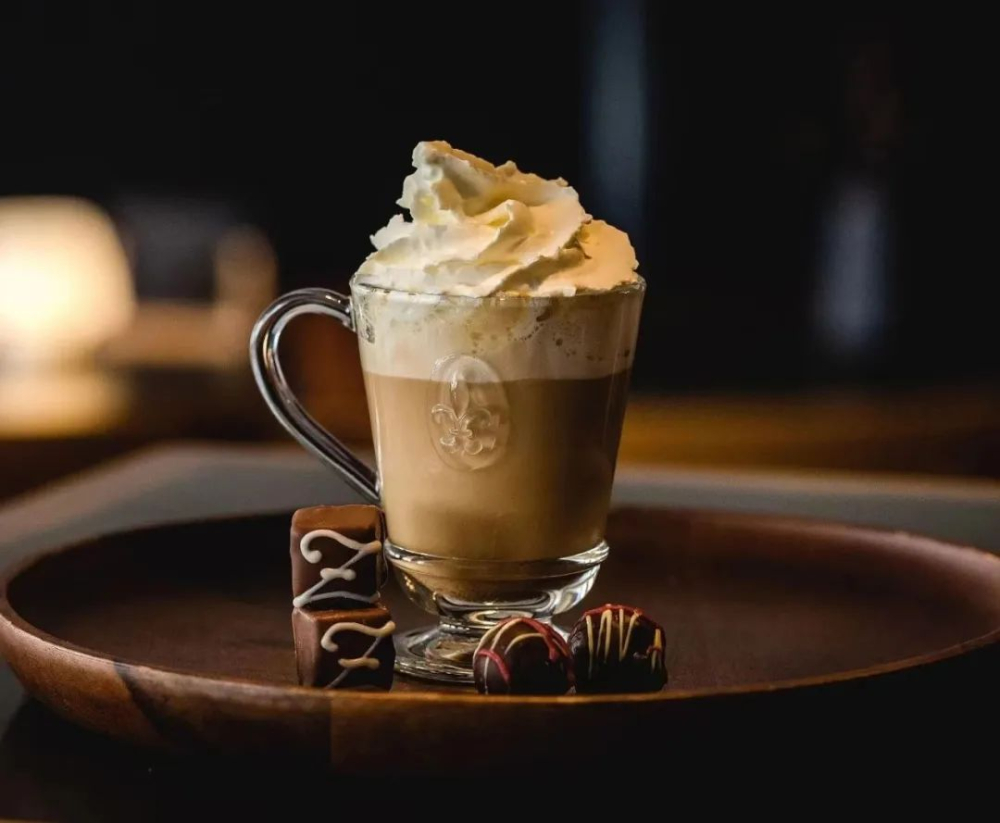
Front Street Coffee has learned that making traditional Vienna coffee is not complicated. Typically, a tall glass with a handle is used. First, about one teaspoon of white sugar is placed at the bottom, then about half a cup of strong coffee liquid is poured in, followed by sealing the rim with fluffy whipped cream, and finally sprinkling toppings like cinnamon powder, chocolate shavings, or cookie crumbs on top.
Today's "Cream Coffee"
Compared to eras of scarcity, today's cream coffee is incredibly diverse and varied in form, and they have been given more distinctive names that are refreshingly novel.
For example, Starbucks has a secret menu item "iced Americano with light cream," which is derived from the ancient Vienna coffee. This beverage consists of only three elements: ice cubes, coffee, and light cream. The steps are as simple as putting an elephant into a fridge.
In this cream coffee, against the backdrop of ice cubes, the unwhipped viscous cream first floats on the surface and then slowly sinks, gradually blending with the espresso to create a beautiful layered effect. When taken in a big sip, you can feel the rich sweetness of cream intertwining with coffee.
In addition, under the skillful hands of various baristas, cream has been interpreted in many interesting forms. For instance, in Korean cafés, there is an adapted version of "Vienna coffee" that, with its unique presentation of cream and extremely photogenic appearance, remains active on social media platforms like Instagram.
The cream in this beverage needs to be pre-treated, whipped to a thick yogurt-like consistency, and then layered into the coffee. As long as the ingredients are ready, the method is not complicated. Front Street Coffee will now recreate a cup.
Ingredients: light cream, vanilla syrup, espresso, milk, ice cubes
First, find a container convenient for whipping, pour 80 grams of light cream into it, then add 15 grams of vanilla-flavored syrup.
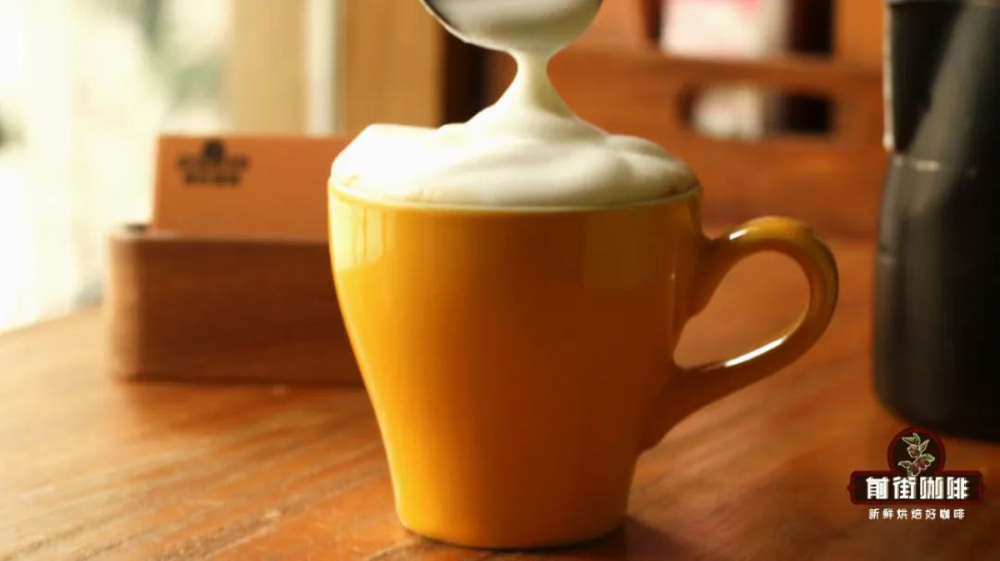
Then use a whisk to whip the cream evenly until it reaches a semi-solid yogurt-like consistency, like what Front Street Coffee has here—peaks that don't quickly collapse.
Prepare a small cup of your choice, add 50 grams of ice cubes, pour in milk to about six-tenths full, spread a layer of the freshly whipped vanilla cream, then extract a double shot of espresso and pour it on top.
Finally, use a spoon to scoop 1 to 3 dollops of vanilla cream onto the surface of the coffee, and sprinkle cocoa powder according to personal preference. The internet-famous "Vienna coffee" is now complete.
The above content is compiled by CoffeeHunters, a coffee news website.


