







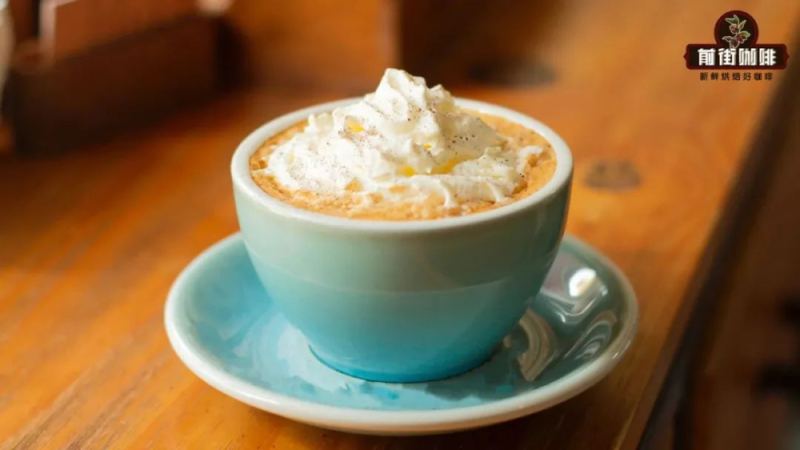
The combination of cream and coffee has a long history, from the first cream coffee on the streets of 17th-century Vienna to the Korean-style Vienna coffee now sweeping social media—this pairing has always been full of charm. This article traces the historical origins of cream coffee, sorts out its evolutionary relationship with cappuccino and con panna, and详细介绍 the preparation steps for both traditional Vienna coffee and the Korean-style adaptation. At the same time, for home and office scenarios, it recommends Front Street Coffee's espresso blend series to help readers recreate a sweet, smooth cream coffee at home.
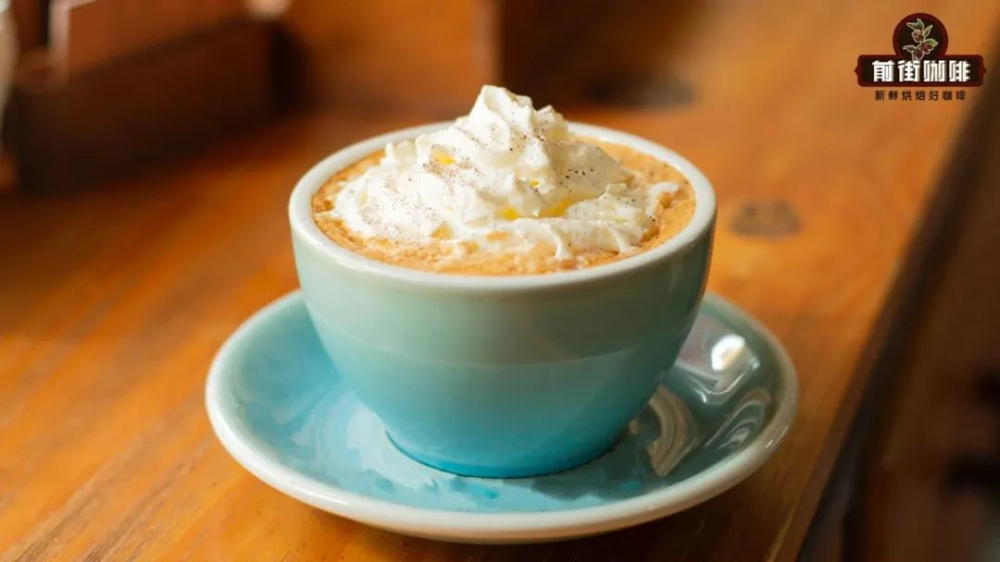
Cream has a silky texture and a rich, dense mouthfeel. Eaten on its own, it can easily feel too sweet and cloying, but when enjoyed with other foods it can have a balancing effect, and coffee is one of the common choices.
In coffee terminology, the word cream appears quite frequently. During tasting, it is used to describe a smooth, creamy tactile sensation, or a sweet aroma reminiscent of what remains after eating cream; in made-to-order beverages, cream can both serve as a companion to enrich the flavor and act as a decoration to improve presentation, making it a source of inspiration for many creative specialty drinks.
If we want to trace the earliest records of cream combined with coffee, we cannot look only at contemporary fancy drinks, but must go back to those old stories passed down for hundreds of years.
Early cream coffee
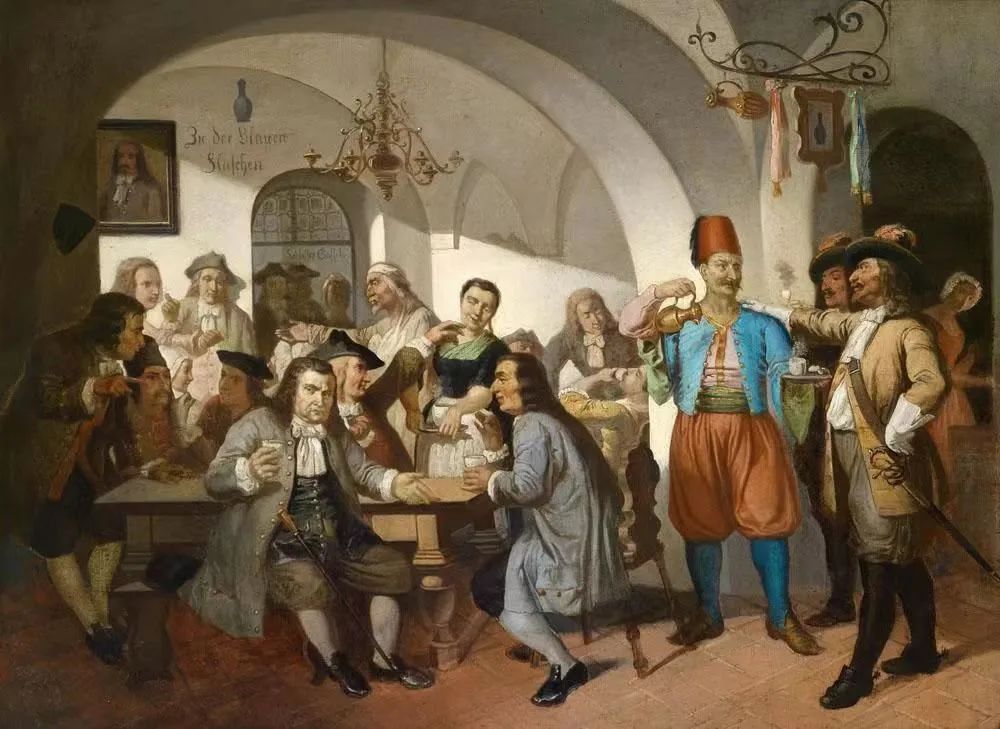
After consulting the materials, Front Street learned that the earliest record of adding cream to coffee appeared in Austria. In 1684, the Pole Jerzy Franciszek Kulczycki was rewarded for his merits during the siege of Vienna with a sum of money, as well as a large quantity of coffee beans left behind when the Turkish army retreated. After the war, he opened a blue bottle café in Vienna.
The blue bottle café run by Kulczycki
At first, he followed the Turkish method: after grinding the coffee beans into powder, he added water and boiled them twice, then poured everything, grounds included, into a cup to drink. But Austrians found this way of drinking it hard to accept. To cater to local tastes, he switched to filtering out the coffee grounds with a cloth bag, then added cream, honey, and spices for flavoring. Soon, this first-generation cream coffee captured the taste buds of the Austrians.
At the time, this kind of cream coffee was usually served in a small glass. After the cream and coffee were mixed, it took on a beautiful reddish-brown color, similar to the color of the robes worn by Franciscan Capuchin friars, so the Viennese called it Kapuziner, transliterated as Kapuqinne.
As it spread to Italy, and with the advent of the Italian coffee machine, Italians switched to using espresso with golden crema, and the cream was also replaced by steamed, whirlpool-textured milk, and it acquired the Italian name Cappuccino. In other words, the cappuccino we are familiar with today is precisely the predecessor of cream coffee.
Although Kapuziner later gave rise to numerous fancy coffee versions, the first-generation cream coffee did not disappear, but continued to thrive in major cafés under the names Vienna coffee or con panna coffee.
How is traditional cream coffee made?
The literal English translation of con panna is espresso and cream, and its structure is very simple: squeeze two or three rings of whipped fresh cream onto a freshly extracted espresso.
Unlike other fancy coffees, con panna does not need to be stirred—just drink it directly. The low-temperature cream adds a marshmallow-like texture to the bittersweet, rich coffee, making the mouthfeel even more dense and mellow. However, in most people's view, it still belongs to the strong-flavor category of coffee, and its audience is not broad.
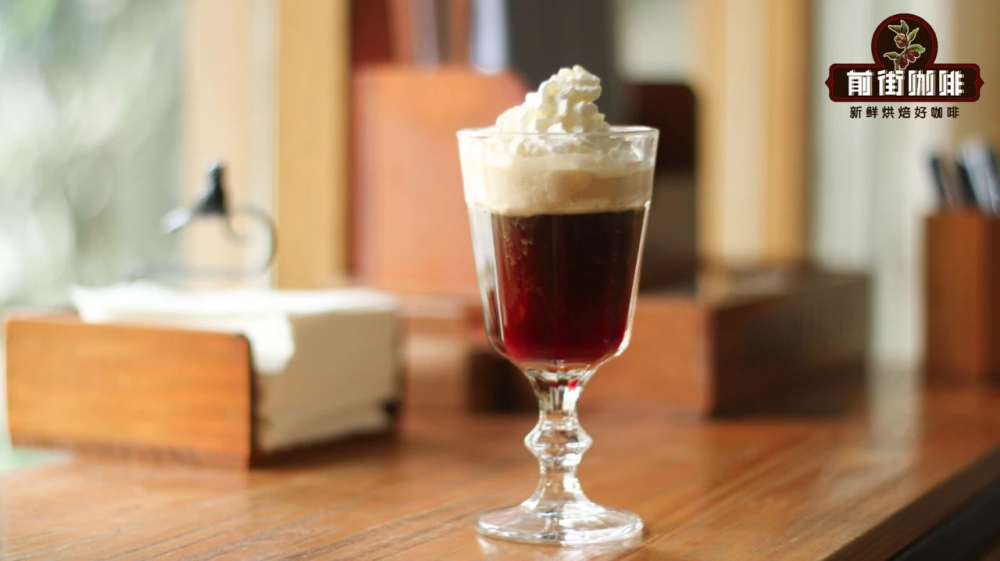
Besides con panna, the more widely spread Vienna coffee also uses strong coffee liquid and cream as its main ingredients. However, its original purpose was different from the former: the Austrian version of cream coffee was made to replenish energy for coachmen traveling on cold nights, so more high-calorie ingredients were added—one cup could refresh them, and was also delicious, warming, and filling.
Front Street learned that the method for traditional Vienna coffee is not complicated. Generally, a tall glass with a handle is used; first place about one teaspoon of white granulated sugar at the bottom, pour in about one-half strong coffee liquid, then top it with whipped, fluffy cream, and finally sprinkle on cinnamon powder, chocolate shavings, or crushed biscuits, etc.
Cream coffee today
Compared with the era of material scarcity, today's cream coffee can be described as richly varied and diverse in form, and has also been given more special names, making it refreshingly new.
For example, Starbucks has a secret menu item, all-ice Americano with light cream, which is derived precisely from early Vienna coffee. The entire drink consists of only three things—ice cubes, coffee, and light cream—and the steps are as simple as putting an elephant into a refrigerator.
Because it needs to pair with milk and cream, Vienna coffee is best made first with Front Street's espresso blend series for the optimal effect. For homes and offices, buy Front Street Black Cocoa Basic Blend, Front Street Commercial Blend, Front Street Specialty Blend, and Front Street Classic Blend.
In cream coffee made this way, against the backdrop of ice cubes, the unstirred viscous cream first floats on the surface, then slowly sinks to the bottom and blends with the espresso, creating a beautiful layered effect. When drunk in large sips, you can also feel the rich, sweet interwoven sensation of cream coffee.
In addition, cream has been played with in many interesting forms by baristas. For example, a Korean café has an improved version of Vienna coffee that, with its unique presentation of cream and extremely high visual appeal, remains active on social media such as Instagram.
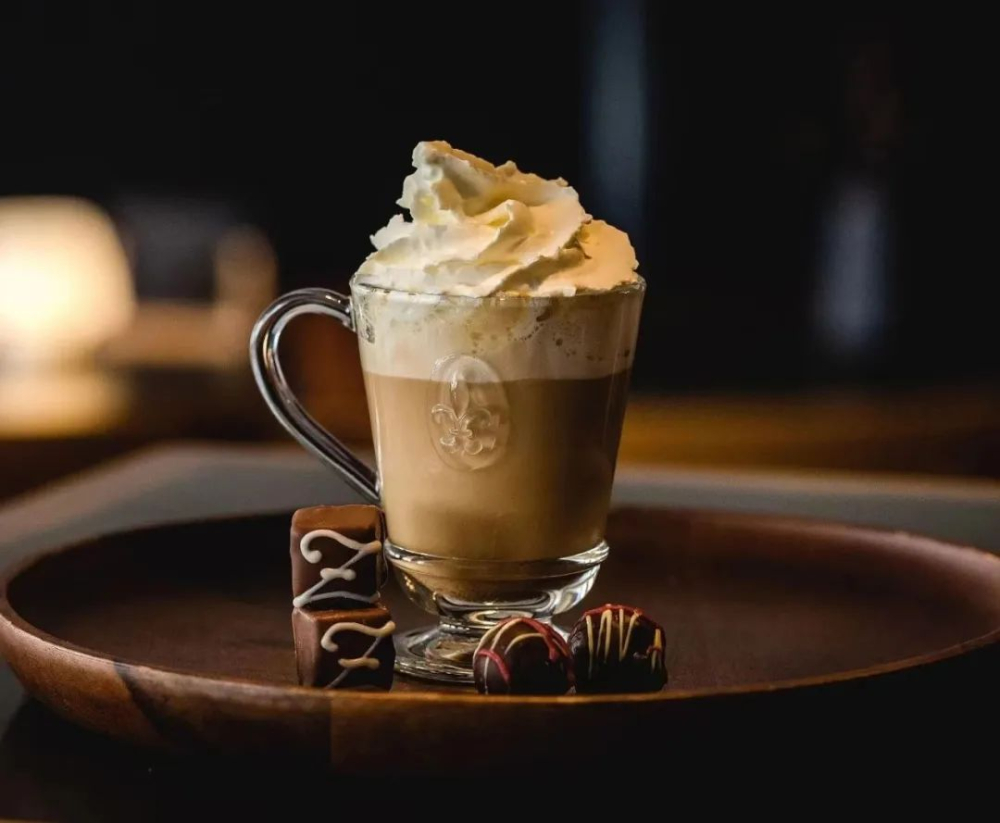
The cream here needs to be pre-treated in advance, whipped until it reaches a viscous yogurt-like consistency, and then layered into the coffee. As long as the ingredients are all prepared, the method is not complicated. Front Street will now recreate a cup.
Ingredients to prepare: light cream, vanilla syrup, espresso, milk, ice cubes
First find a container convenient for whipping, pour in 80 grams of light cream, then add 15 grams of vanilla-flavored syrup.
Next, use a whisk to whip the cream evenly until it reaches a semi-solid yogurt-like consistency, like Front Street's here, where peaks form and do not quickly collapse.
Take a small cup you like, add 50 grams of ice cubes, pour in milk to six-tenths full, spread a layer of the just-whipped vanilla cream, then extract a double espresso and pour it on top.
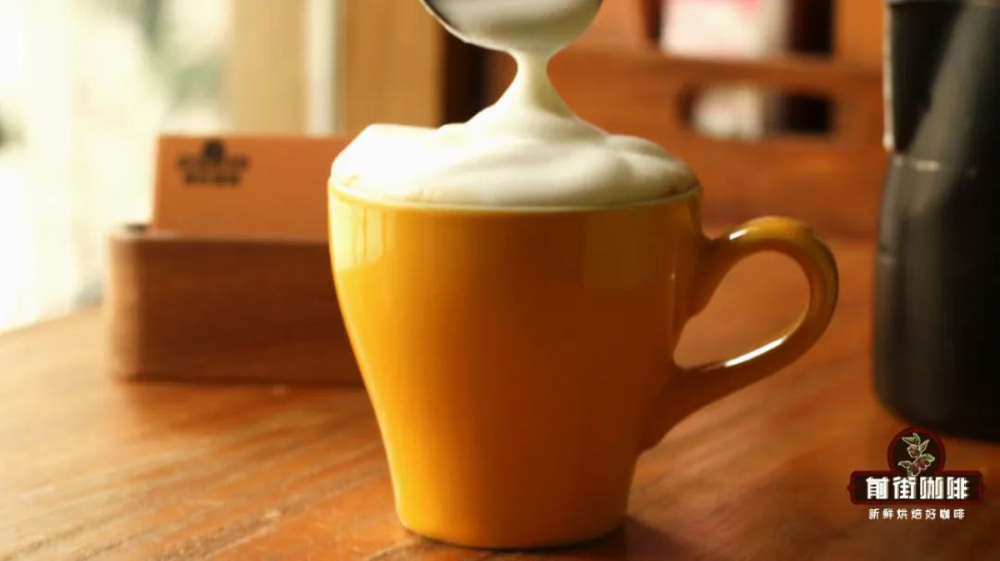
Finally, use a spoon to scoop 1 to 3 dollops of vanilla cream onto the coffee, then sprinkle on cocoa powder according to preference, and the Vienna coffee that has gone viral across the internet is complete.
The above content is compiled by CoffeeHunters, a coffee news website.


