







Search Results for: soak
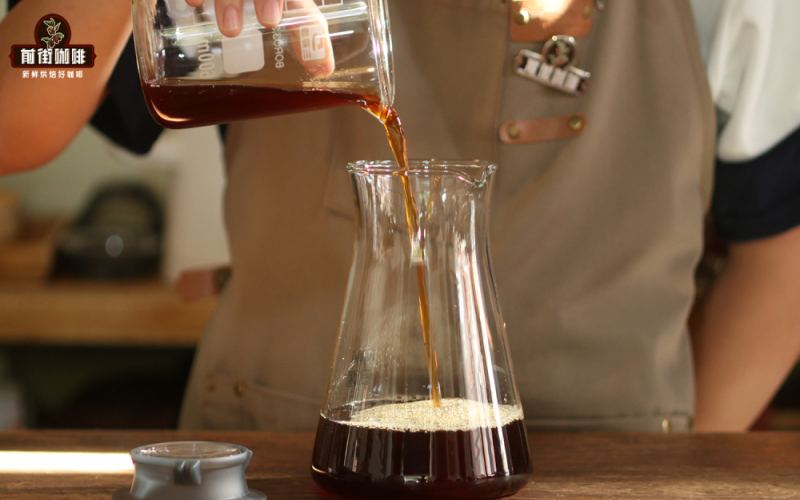
Cold Brew Coffee Water Temperature | Can Hot Water Be Used to Extract Coffee for Making Cold Brew? Which Types of Coffee Beans Are Suitable for Cold Brew Coffee?
Besides being extracted with hot water, coffee can also be made with cold water. Coffee made with cold water is called "cold brew coffee," and it has a distinct character compared to hot-brewed coffee. Cold brew coffee is divided into cold brew steeped coffee and ice drip coffee; cold brew steeped coffee is made by soaking coffee grounds in cold water, while ice drip coffee refers to the use of a drip filtration method. [more…]
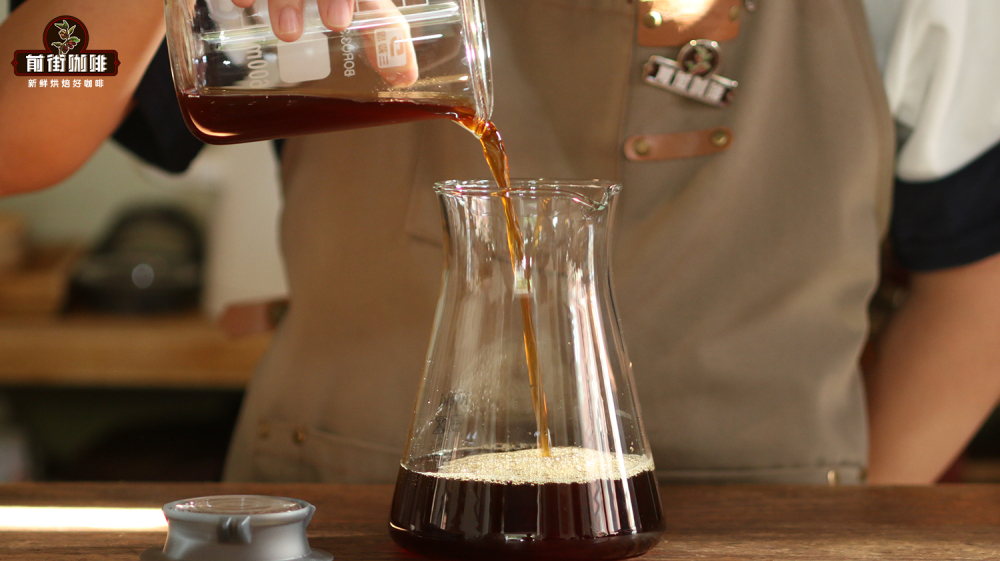
Cold Brew Coffee Beans Recommendation | Are Medium-Dark Roast Single-Origin Beans Suitable for Cold Brew? Can Cold Brew Coffee Be Made with Hot Water? Guide to Cold Brew Grind Size, Steeping Time, and Coffee-to-Water Ratio
Besides being extracted with hot water, coffee can also be made with cold water. Coffee made with cold water is called "cold brew coffee," and it has a distinct charm compared to hot-brewed coffee. Cold brew coffee is divided into cold water brew and ice drip coffee; cold water brew involves soaking coffee grounds in cold water, while ice drip coffee refers to the use of a drip filtration method. [more…]
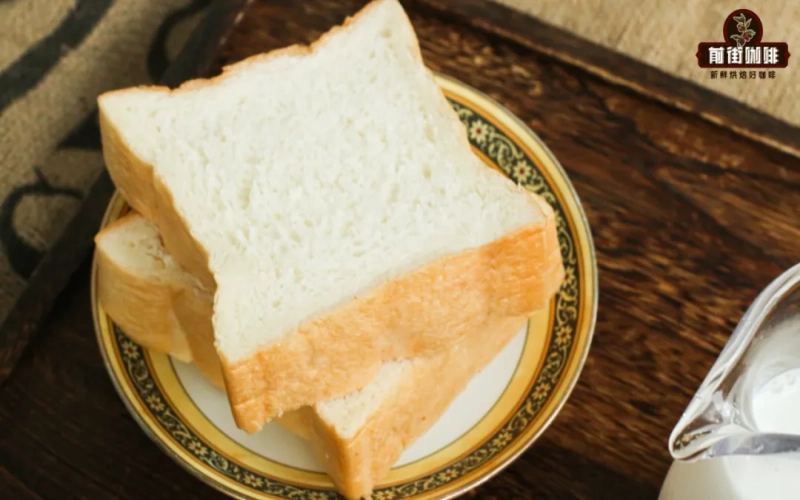
White Toast Dirty Coffee Recipe: Flavor Experience and Brewing Parameters of Raw Toast Milk Dirty Coffee
Recently, a distinctive coffee creation has been trending online—the white toast Dirty. It isn't made by adding toast to coffee; instead, milk that has been soaked with toast is used to make the Dirty, giving the milk both the aroma of bread and a richer mouthfeel. In this issue, Front Street Coffee replicates this drink, using raw toast soaked in a 1:5 ratio under refrigeration for 4 hours, then filtering it and pairing it with a specialty espresso blend, documenting the complete process of temperature contrast and flavor integration across three sips. However, Front Street also specifically warns that fresh bread is prone to mold, and soaking it in milk for a long time will greatly accelerate spoilage, posing safety risks if not handled properly, so friends with sensitive stomachs are advised not to try it casually. [more…]
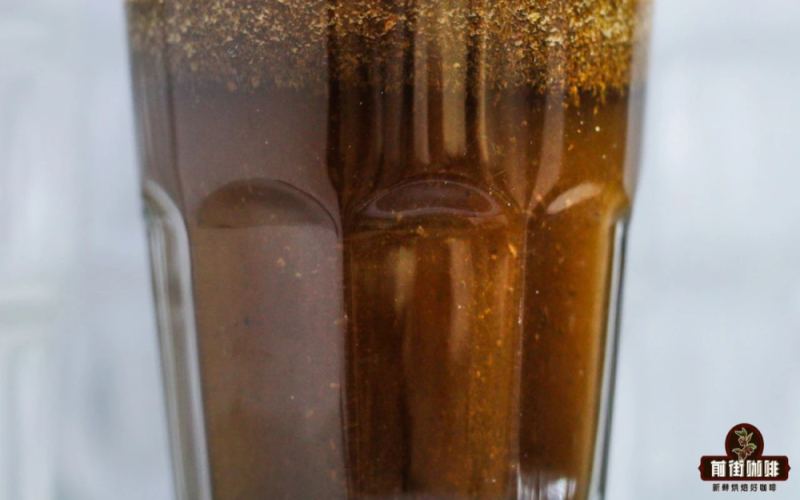
Cold Brew Coffee Guide: How Water Temperature, Grind Size, and Steeping Time Affect Flavor
A cold, refreshing glass of cold brew coffee in summer is enough to awaken dormant taste buds. Unlike brewing with hot water, cold brew extracts slowly at low temperatures, offering greater tolerance for parameters and a lower barrier to entry. Front Street Coffee has found through experiments that steeping time from 4 hours to 22 hours produces significant flavor differences. This article will analyze in detail the water temperature settings, grind size, coffee-to-water ratio, and optimal steeping duration for cold brew, and provide two practical scenarios suitable for daily operation, helping you easily make a balanced, aromatic iced coffee at home. [more…]
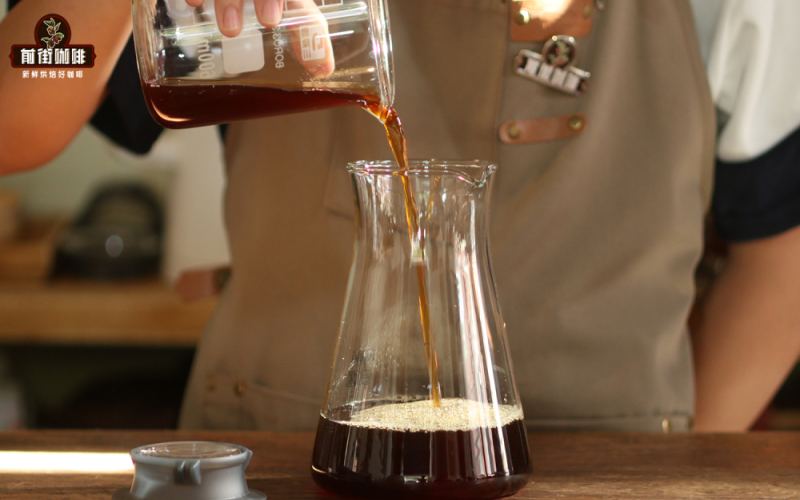
Homemade Cold Brew Step-by-Step Guide | What is the difference between room-temperature-steeped and cold-steeped cold brew coffee? How should the flavor characteristics of cold brew coffee be described?
For more specialty coffee knowledge, please follow our WeChat official account: FrontStreet Coffee. As soon as summer arrives, cold brew coffee becomes the hottest topic of conversation among coffee lovers, with everyone sharing their tips for making cold brew. Why has cold brew coffee become so popular in recent years? [more…]
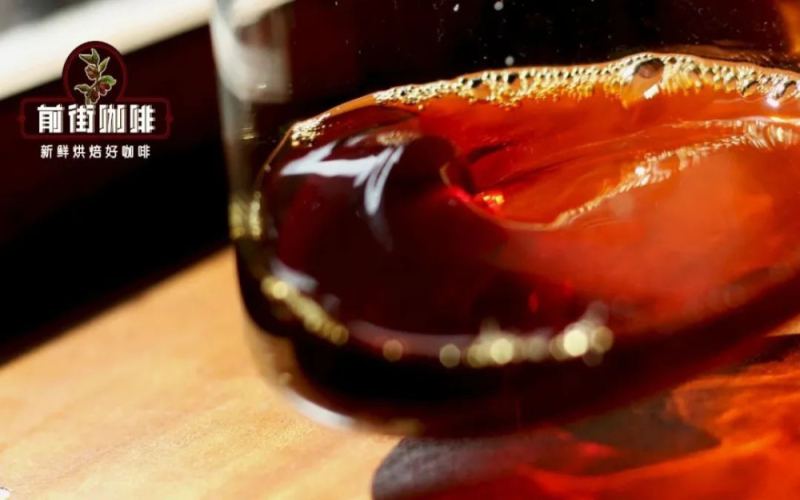
What Exactly Is Cold-Brewed Coffee? One Article Clarifies the Core Differences Between Cold Brew, Ice Drip, Cold Steep, and Hot Coffee Poured Over Ice
Many coffee enthusiasts encounter a headache-inducing problem while teaching themselves: they search for a technical term and end up with a pile of associated words that seem similar but each carry different meanings, leaving them more confused the more they look into it. This is especially true in the realm of iced coffee—cold brew, ice drip, ice brew, cold soak, Dutch coffee, Kyoto coffee... these names appear frequently in various articles, but what exactly are the differences between them? Which one does ice brew coffee actually refer to? This article will start from the broad concept of cold brew coffee, sort through the various branches of low-temperature extracted coffee one by one, analyze the relationship between ice brew and cold soak and ice drip, and explain the essential differences between ice brew coffee and ordinary hot coffee poured over ice in terms of production principles and flavor expression, helping readers build a clear cognitive framework. [more…]

Cold Brew Coffee Tutorial | How Should Coffee Beginners Choose Cold Brew Coffee Beans? An Introduction to Cold Brew Coffee Bean Grind Size, Coffee-to-Water Ratio, Water Temperature, and Steeping Time
Many well-known brand coffee shops have already launched summer-exclusive "iced coffee" new products, such as affogato made with coffee and ice cream, iced drip coffee brewed with ice water, and cold brew coffee made by directly soaking coffee grounds in cold water. Cold brew coffee, whose English name is ColdBrewCoffee, is [more…]
Are Cold Brew and Cold Drip the Same Coffee? A Clear Breakdown of Cold Brew and Cold Drip Classifications
When searching for iced coffee in summer, terms like cold brew, ice drip, ice-brewed, cold steep, Dutch coffee, and Kyoto coffee often leave people bewildered. In fact, these names all revolve around low-temperature extraction, yet there are differences in craftsmanship and semantics between them. This article starts from the broad concept of cold brew coffee, sorts out the two main paths of immersion and drip filtration, explains why ice-brewed coffee has the vaguest definition, and traces the origins of Dutch coffee and Kyoto coffee. It will also share Front Street Coffee's approach to bean selection when making low-temperature extracted coffee, helping coffee enthusiasts clarify concepts and choose the right flavor. [more…]

38-yuan latte paired with celebrity-face marshmallows: coffee shop's creative marketing goes viral, portrait rights risk sparks heated debate
Recently, a "I Want to Soak" latte series launched by a coffee shop in Beijing has drawn attention on social media. The series features marshmallows printed with the faces of male celebrities, priced at 38 yuan each, with the option to add more marshmallows for an extra charge, and even offers a 48-yuan two-person option and an 88-yuan five-person option. This novel format has attracted many fans to visit and post about it, but it has also sparked controversy: some consumers find the face-printed marshmallows unappetizing, and more people question whether the shop's use of celebrity likenesses as a promotional selling point without authorization may constitute infringement. Innovation in the coffee industry is worth encouraging, but it must be done within the legal framework. [more…]
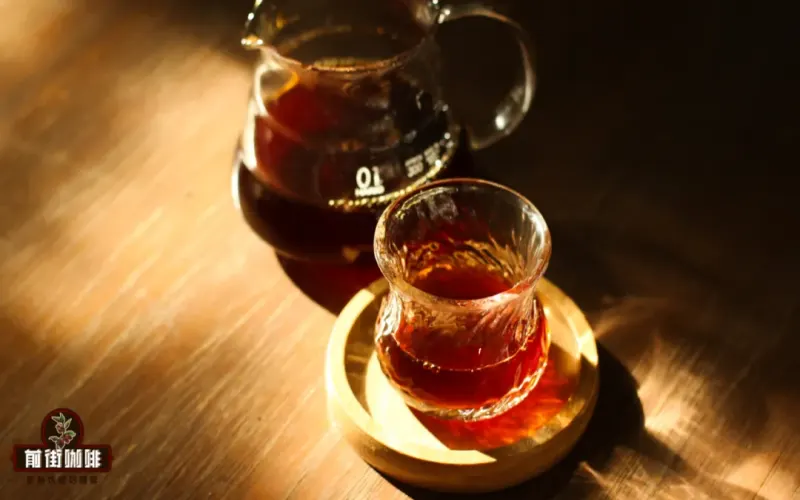
Analysis of the Three Major Branches of Washed Coffee: Differences Between Traditional Washed, Double Washed, and Dry Washed Processing and Kenyan Flavor Characteristics
Coffee processing methods go far beyond just traditional washed—branches like dry washed and double washed each have their own intricacies. Traditional washed was born in 19th-century Jamaica, using a depulper and abundant water to shorten drying time, resulting in a clean, transparent cup; double washed originated in Kenya, adding an extra soaking step that gives rise to the K72 process and a full-bodied tomato and dried plum profile; dry washed, meanwhile, replaces large amounts of water with fermentation tanks, yielding flavors similar to honey processing. This article breaks down the origins, procedures, and flavor differences of these three washed methods one by one, and includes recommendations for Front Street Coffee's washed beans to help you find the cup that suits you. [more…]
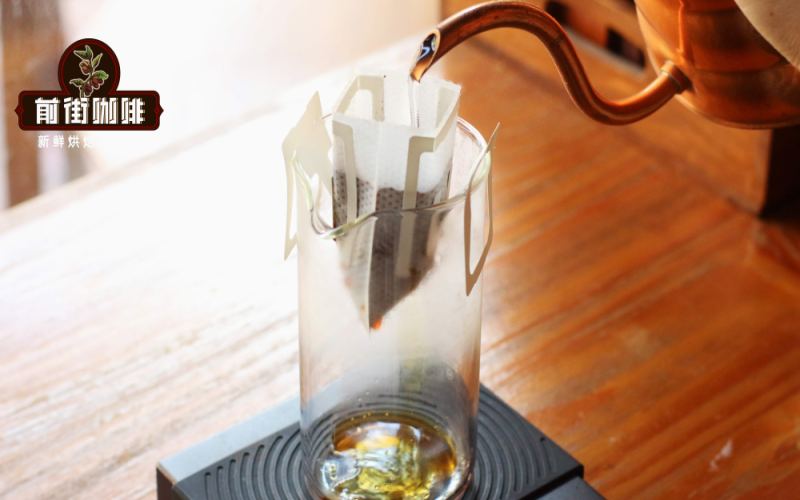
The Flavor Window of Drip Bag Coffee | Why Can't Drip Bags Be Soaked? How Do You Brew Flavor Out of Drip Bag Filter Coffee? How Many Times Can a Drip Coffee Bag Be Brewed?
For more specialty coffee knowledge, please follow our WeChat official account: Front Street Coffee (FrontStreet Coffee). "Why does my drip bag coffee taste like nothing?" "Why is my drip bag coffee too sour/too bitter/too weak?" These are the questions many people who are just starting to explore drip bag coffee have. [more…]

Is red wine process coffee soaked in red wine? Analyzing the winy natural process at Hartmann Estate and its flavor profile
Front Street Coffee was recently asked: Does the red wine process mean soaking coffee beans in red wine? Will the finished product contain alcohol? In fact, the red wine process simply borrows the idea of wine fermentation to process coffee cherries; it does not involve soaking in red wine. During fermentation with the mucilage, a trace amount of alcohol is indeed produced, but after high-temperature roasting it has long since evaporated completely, so there is no need to worry about residue. In this article, Front Street Coffee takes the red wine process coffee beans from Panama's Hartmann Estate as an example, from the estate's background, the characteristics of the Catuai variety, and the operational details of controlled fermentation, to the roasting curve, cupping report, and V60 brewing parameters, to fully break down how this coffee with vinous notes is born. [more…]
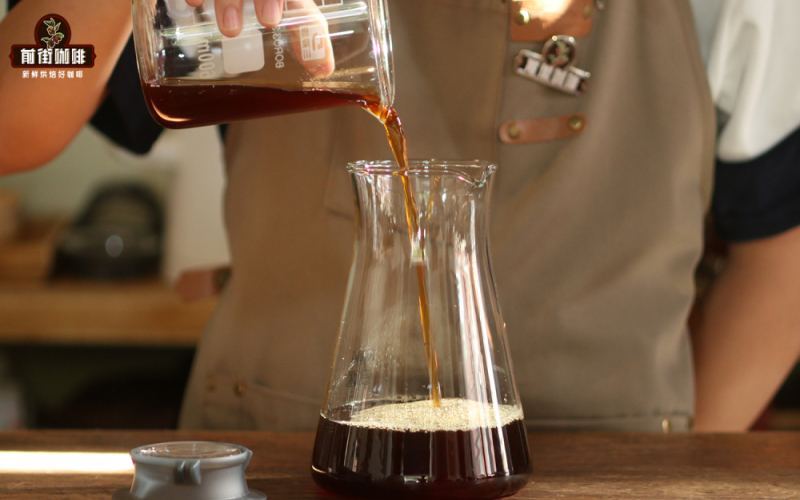
Can Cold Brew Coffee Be Made with Hot Water? A Detailed Guide to Water Temperature, Grind, and Timing in Cold Brew Making
Coffee extraction methods are not limited to hot water—cold water can accomplish the same process, and the cold brew coffee born from this presents a completely different flavor profile from hot-brewed coffee. Cold brew coffee is mainly divided into two forms: cold steep and ice drip, the former steeping coffee grounds in cold water, while the latter uses the drip filtration principle to extract drop by drop. Many friends ask: should cold steep coffee use hot water or cold water? The answer is actually very clear—coffee brewed with hot water can no longer be called cold steep coffee. Cold steep coffee can only be steeped in room-temperature or ice water, and the entire steeping process needs to be maintained in a low-temperature environment. This article, drawing on Front Street Coffee's hands-on experience, will provide a detailed breakdown of the key details for making a delicious cup of cold brew coffee, covering coffee bean selection, grind size, steeping time, and coffee-to-water ratio. [more…]
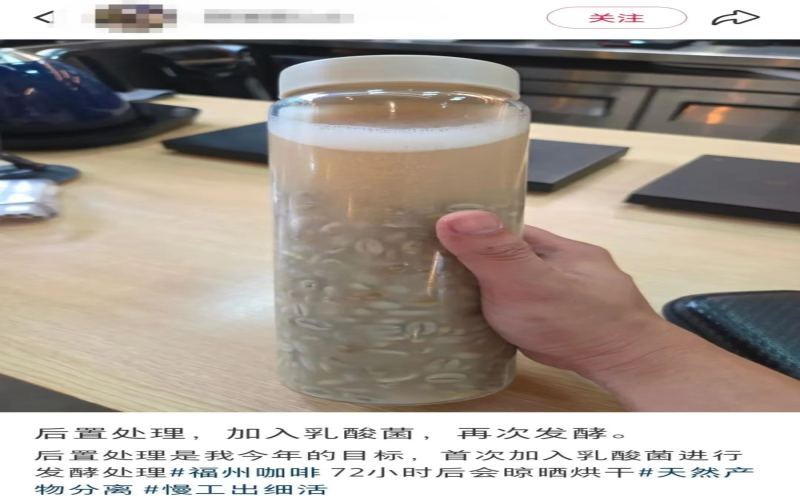
A coffee shop in Fuzhou accidentally germinated raw beans by soaking them in lactic acid bacteria, sparking debate over whether sprouted coffee beans are safe to drink.
Recently, a coffee shop in Fuzhou tried soaking green coffee beans in a lactic acid bacteria solution for post-processing, but unexpectedly, the beans sprouted. The owner decided to wash and dry this batch of sprouted beans and then roast them to test the flavor. After the incident was reported by the Straits Metropolis Daily, it quickly sparked discussions among netizens: Can sprouted coffee beans be consumed? Is there a risk of contamination by miscellaneous bacteria? Can sprouted green coffee beans grow into coffee trees? This article will sort out the sequence of events, invite professionals to answer various questions about the safety, flavor changes, and post-processing techniques of sprouted coffee beans, and provide a comprehensive understanding of this novel experiment in the coffee community. [more…]
Cold Brew Coffee Recipe|Is Longer Extraction Always Better for Cold Brew? How Long Should Cold Brew Coffee Grounds Steep?
Under the scorching summer sun, walking the streets of Guangzhou, sweat drips from the top of your head all the way down into your clothes, and before long, your shirt is soaked through. This is a scene that has become common lately among the folks visiting Front Street Coffee (FrontStreet Coffee) shops. An ice-cold coffee can instantly rescue you from the inferno and bring you back to paradise. [more…]
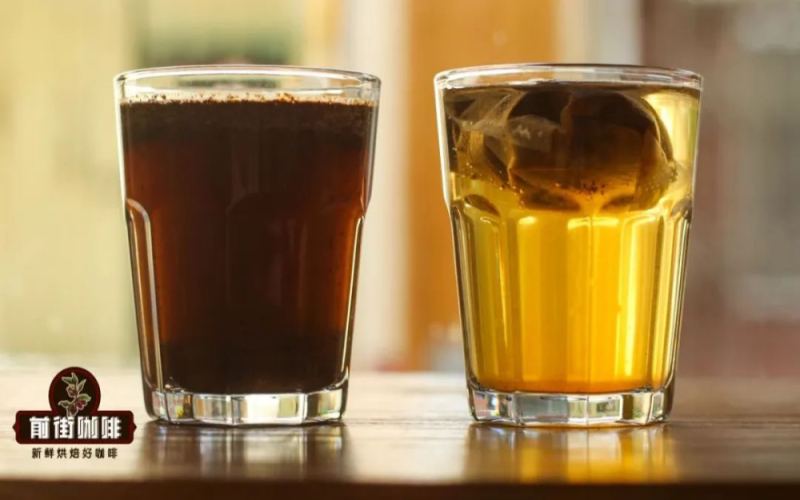
The Complete Guide to Cold Brew Coffee: From Bean Selection to Parameters, Teaching You to Make Clean and Sweet Iced Coffee
On a scorching summer day, a glass of icy, clean cold brew coffee is undoubtedly a refreshing treat. Unlike iced coffee drinks such as cold drip or affogato, cold brew is made by steeping coffee grounds in cold water for an extended period and then filtering—simple to make, yet full of subtle details. This article will systematically explain how to make cold brew coffee from the perspectives of bean selection, grind size, coffee-to-water ratio, brewing temperature, and time, while sharing Front Street Coffee's practical parameters and troubleshooting experience for common issues, helping you easily craft a balanced, richly flavored homemade cold brew. [more…]

Is It Feasible to Use Milk Instead of Water to Make Coffee? Bean Selection Ideas, Ratios, and Key Production Points for Cold Brew Milk Extraction
Water can no longer satisfy coffee enthusiasts' urge to explore, so milk has become a new extraction medium. Brewing coffee directly with milk using the pour-over method is not feasible, because milk has a higher saturation level and weaker extraction ability than water, and its proteins change after being heated above 70°C; but if you switch to the cold brew steeping approach, low-temperature milk extraction has a chance of working—it just needs a longer time to make up for the lower efficiency. This article covers the feasibility of milk-brewed coffee, suitable coffee bean directions, the coffee-to-milk ratio, grind size, refrigeration steeping time, and sealed storage, and provides Front Street Coffee's actual procedure and flavor experience to help you decide whether it is worth trying at home. [more…]
Cold brew coffee bean brand recommendations | How long should cold brew coffee grounds be steeped to taste good? Which coffee beans make cold brew coffee with a juicy feel?
On a scorching summer day, walking the streets of Guangzhou, sweat drips from the top of your head all the way down into your clothes, and before long, your shirt is soaked through. This is a familiar sight at Front Street Coffee (FrontStreet Coffee) shops these days. An ice-cold coffee can instantly rescue you from the blazing furnace and bring you back to paradise. [more…]
Cold Drip, Cold Brew, and Iced Brew: A Detailed Guide to the Process Differences of Low-Temperature Coffee Extraction and Five Handcrafted Bean Selections
In the iced coffee family, there are many names—cold brew, ice drip, iced brewed, cold steeped, Dutch coffee, Kyoto coffee—that often leave people bewildered. This article starts from the broad concept of cold brew coffee, sorts out the two major low-temperature extraction paths of immersion and drip filtration, traces the origin of Dutch coffee, the process by which Japan's Hanabusa Coffee invented the three-layer ice drip pot, and the emphasis on the brewing and aging step behind the term "iced brewed." The article also presents five Front Street single-origin beans suitable for making iced brewed coffee, covering Yirgacheffe, Kenya, Panama Butterfly, Costa Rica Mozart, and Strawberry Candy Geisha blend, explaining each one's origin, altitude, variety, and processing method, and noting the flavor performance of medium-light roasts in cold brew. [more…]
Can Warm Milk Extract Coffee? A Comparative Test of Three Coffee Beans to Help You Make Smooth Milk-Brewed Coffee
What kind of flavor performance would using warm milk instead of cold water to extract coffee bring? Front Street Coffee conducted a comparative experiment with three beans of different roast levels and found that the medium-roast bean, when soaked in warm milk, had both fruity aromas and chocolate notes, and its mouthfeel was the most appealing. But the experiment also revealed the problem that a milk temperature of 40°C combined with a granulated sugar grind size and a 3-hour soak easily led to over-extraction. For this reason, Front Street adjusted the plan, shortening the time to 1.5 hours and switching to Ethiopian Santa Vini beans, obtaining a smooth milk coffee interwoven with honey, pineapple, and cream biscuit notes. This article fully records the experimental process and tasting results, providing a reference for enthusiasts who want to try milk-extracted coffee. [more…]