








Many well-known brand coffee shops have already launched summer-exclusive "iced coffee" new products, such as Affogato made with coffee and ice cream, ice drip coffee filtered with ice water, and cold brew coffee made by directly soaking coffee grounds in cold water.
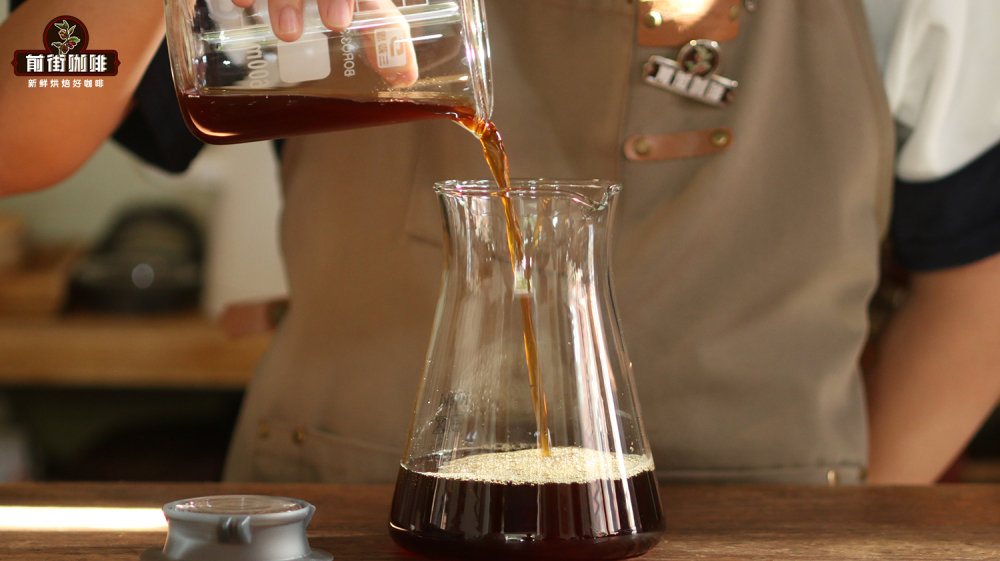
Cold brew coffee, known in English as ColdBrewCoffee, is made by soaking ground coffee beans in cold water for more than 8 hours, then filtering out the coffee grounds through a filtering device. The production method of cold brew coffee is very simple; you just need to choose a fresh coffee bean that suits your taste, and then use the correct parameters to easily make a delicious iced coffee. So, how should the grind size, coffee-to-water ratio, and other parameters for making cold brew coffee be chosen?
Cold Brew Coffee Bean Buying Guide
Since cold brew coffee is mainly enjoyed for its icy, refreshing, and clean taste, Front Street recommends choosing some medium-light roasted coffee beans, as these can express floral and fruity acidity.
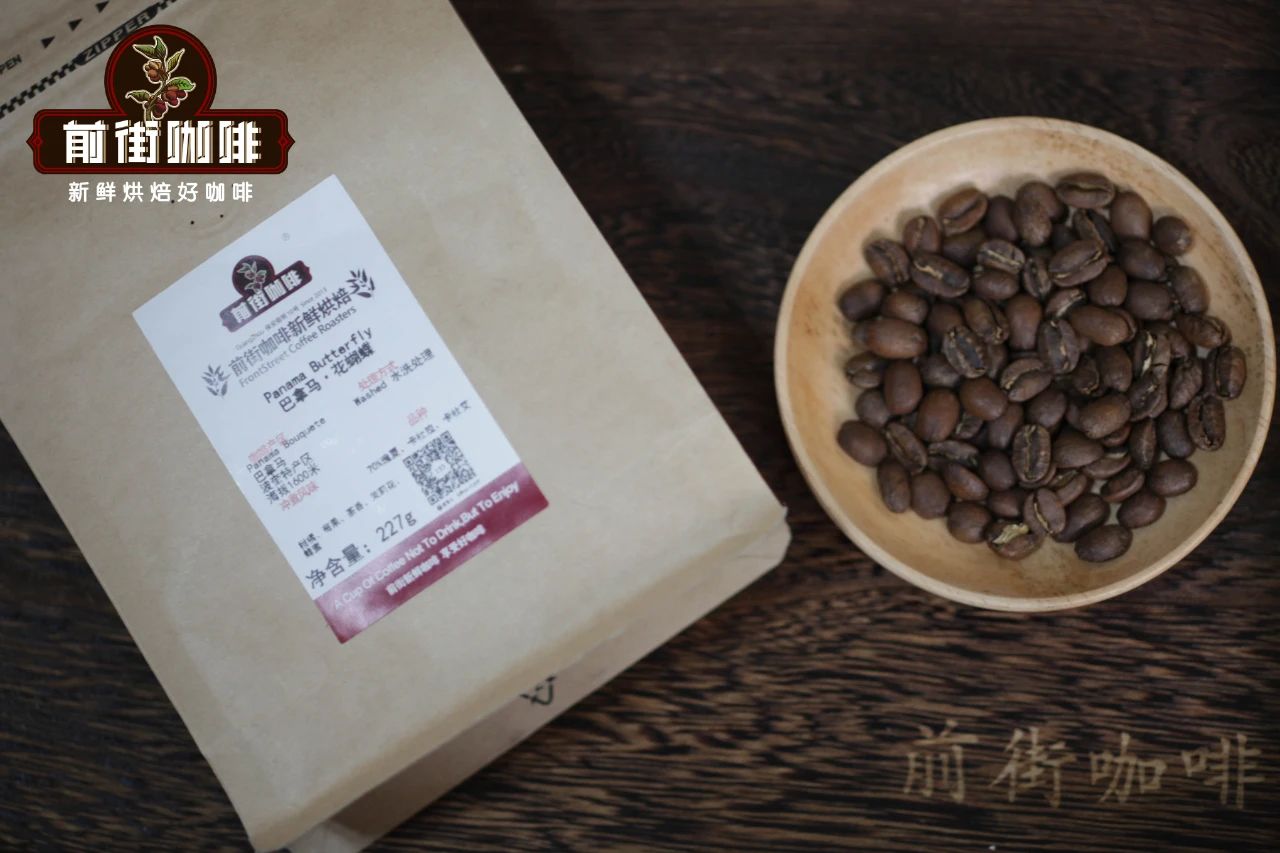
① Front Street Panama Butterfly. This washed-process coffee bean containing 70% Geisha is undoubtedly a very cost-effective coffee bean, and when used to make cold brew coffee it expresses clean and refreshing floral, citrus, and oolong tea flavors.
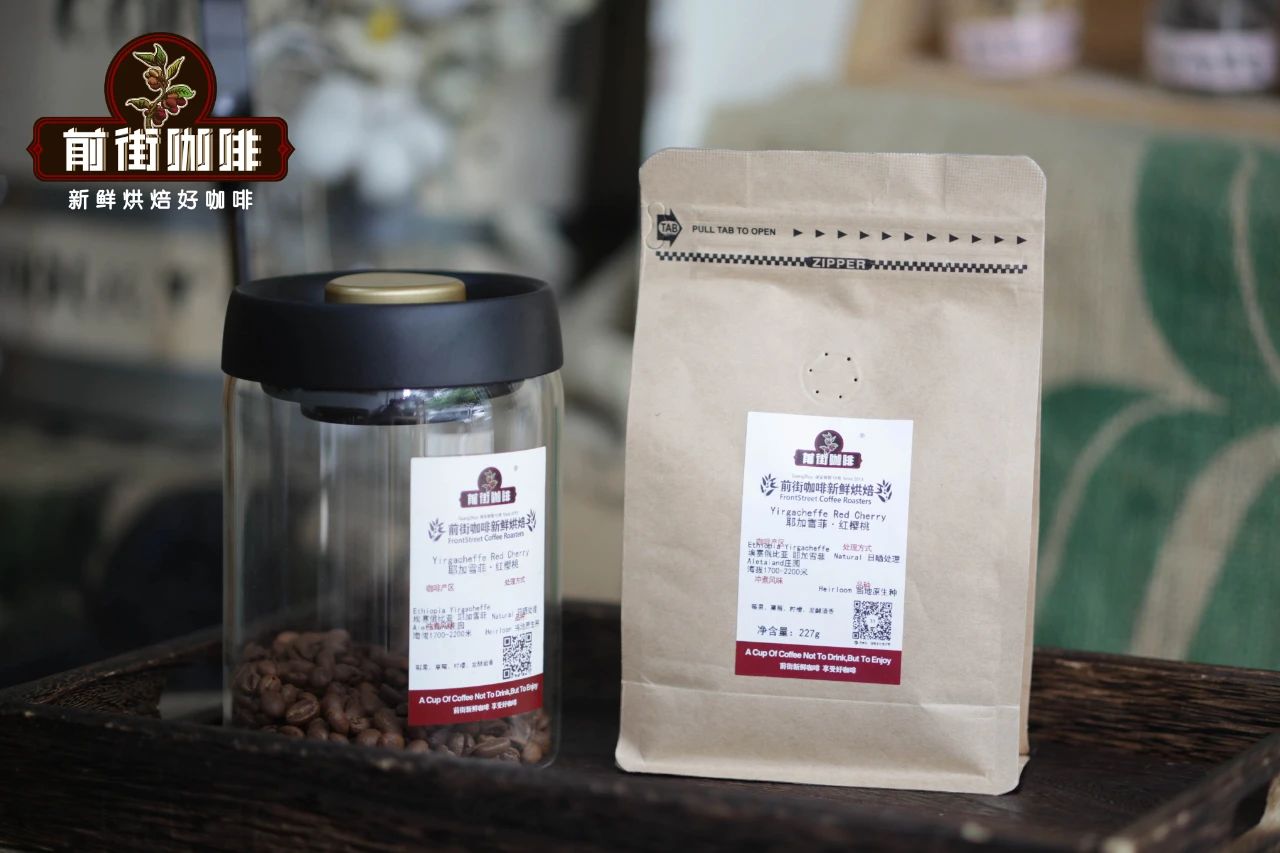
② Front Street Ethiopia Yirgacheffe Red Cherry Project. Front Street Yirgacheffe, as the most representative African coffee bean, has captured a large number of coffee drinkers with its rich floral and fruity notes. The Red Cherry Project, as an exceptionally high-quality natural Ethiopian bean, is also very suitable for making cold brew coffee. When made into cold brew coffee, it expresses very sweet berry, layered, and honey flavors.
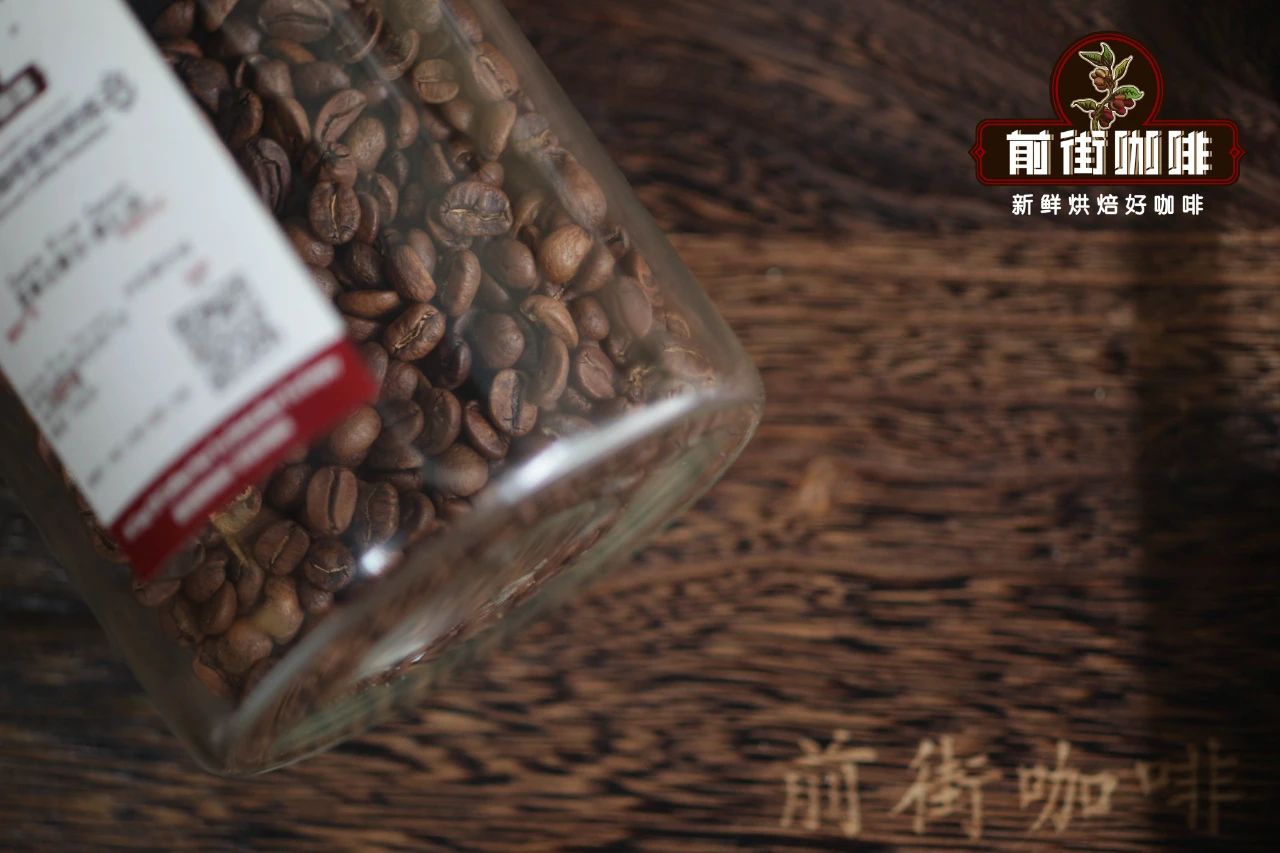
③ Front Street Costa Rica Musician Series Mozart. The Musician Series coffee beans have always been renowned for their high flavor distinctiveness. Front Street Mozart coffee beans use anaerobic honey processing, expressing aromatic osmanthus, grape, and fermented wine aromas. Front Street Mozart performs very well when made into iced coffee, with both flavor and mouthfeel.
Grind Size
Since cold brew coffee uses ice water for immersion extraction, the extraction efficiency is extremely low; in other words, there is no need to worry about over-extraction at all. When compared with the grind size for pour-over, you can choose a slightly finer grind, using a No. 20 standard sieve with an 85% pass rate as the reference standard, and with as few fines as possible being preferable.
Front Street found through testing that a large amount of fines not only makes the filtration time longer, but even after filtration, more oils and fines float on the surface of the coffee liquid, affecting the mouthfeel.
Coffee-to-Water Ratio
So how much water is most suitable for soaking? According to Front Street's production standard, the ratio of coffee grounds to water to ice is 1:8:4, meaning the actual coffee-to-water ratio is 1:12. Ice is added to ensure the water temperature is low enough and the extraction efficiency can be maintained at a stable level.
Temperature
Generally, cold brew coffee needs to be extracted at low temperature in the refrigerator, and when extracted at low temperature the extraction time needs to be 24 hours. So can cold brew coffee be extracted at room temperature? Of course cold brew coffee can be extracted at room temperature, but correspondingly the extraction time is shortened. However, when extracting at room temperature, FrontStreet Coffee recommends shortening the extraction time to 8 to 12 hours.
How FrontStreet Coffee (FrontStreet Coffee) Makes Cold Brew Coffee
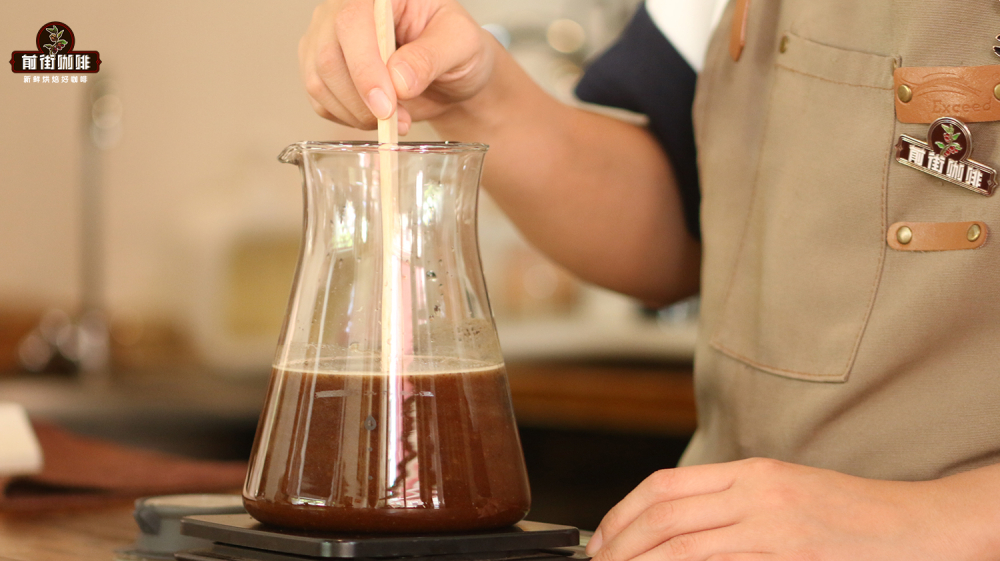
Cold brew coffee is a very easy-to-master production method. FrontStreet Coffee's cold brew method is based on 50 grams of coffee grounds, with the coffee grounds ground to a coarseness using a No. 20 standard sieve with an 85% pass rate. Put the coffee grounds into a glass bottle, then add 400 milliliters of room-temperature water and 200 grams of hard ice cubes (totaling 600 grams of ice-water mixture) to the bottle, for a coffee-to-water ratio of 1:12. Then use a stirring rod to stir the coffee grounds and water evenly, seal it, and place it in a refrigerated refrigerator.

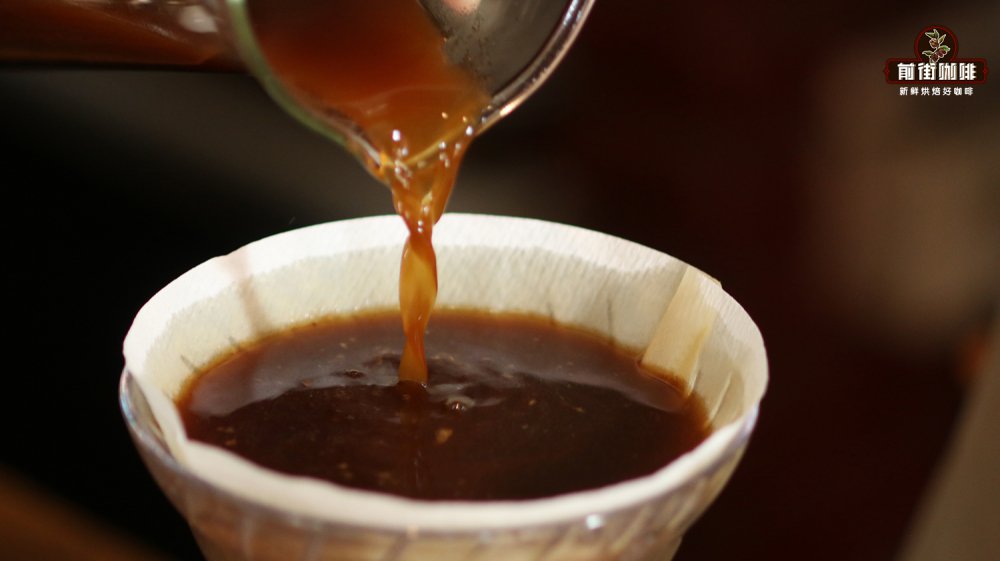
After placing it in the refrigerator for 12-24 hours, use filter paper to filter out the coffee grounds and obtain a clean coffee liquid. Then use a clean sealed bottle to store the coffee liquid and refrigerate it for about another 4 hours before drinking.
In fact, compared with the rigorous parameters of other coffee extraction methods, cold brew has very high compatibility. From the choice of coffee beans to the sealed container used for storage, and then to the coffee-to-water ratio, grind coarseness, and soaking duration, it has a wide adjustable range. In other words, as long as the parameter combination is not especially extreme, you can make a decent iced coffee.
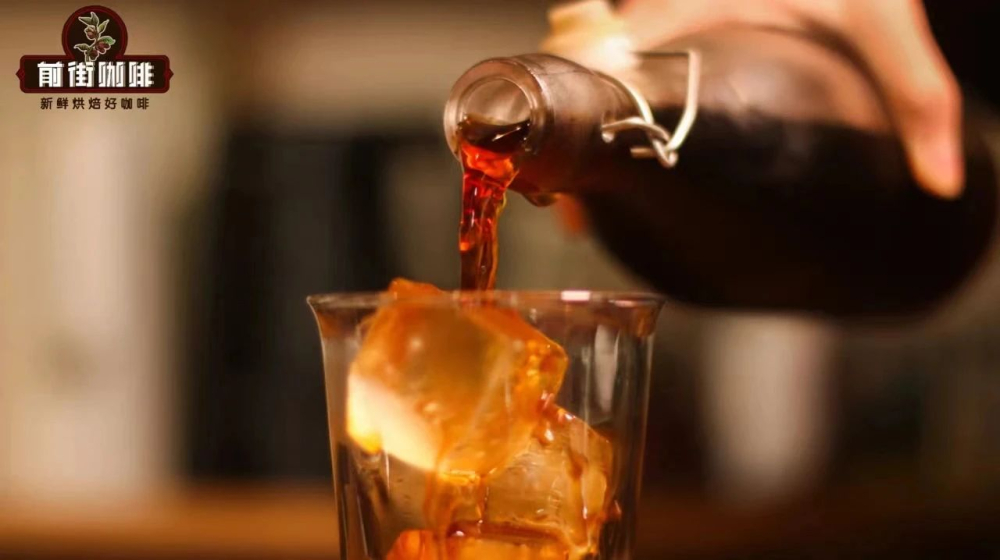
But some friends have encountered problems while trying it. Clearly using the same coffee beans and "copying" the parameters, the cold brew they make is just not as rich and sweet as what they drink in the shop. Why is that? Here Front Street has summarized several key details. Friends at home might as well check themselves accordingly to see whether the problem comes from here.
The soaking time should not be less than8hours or more than18hours
In pour-over, we pay special attention to water temperature and time, because water, as the main medium of brewing, directly affects the extraction efficiency of coffee; too high or too low will change the taste of the coffee. However, because cold brew only comes into contact with low-temperature water of 4-10°C throughout the process, the extraction efficiency is very slow, so a certain soaking time needs to be extended to allow more aromatic substances to be released, thereby allowing compounds such as sugars and organic acids to be extracted more fully, and the resulting coffee is also more balanced in acidity, sweetness, and body. Under normal circumstances, the soaking time for cold brew coffee is usually recommended to be controlled at 8-18 hours.
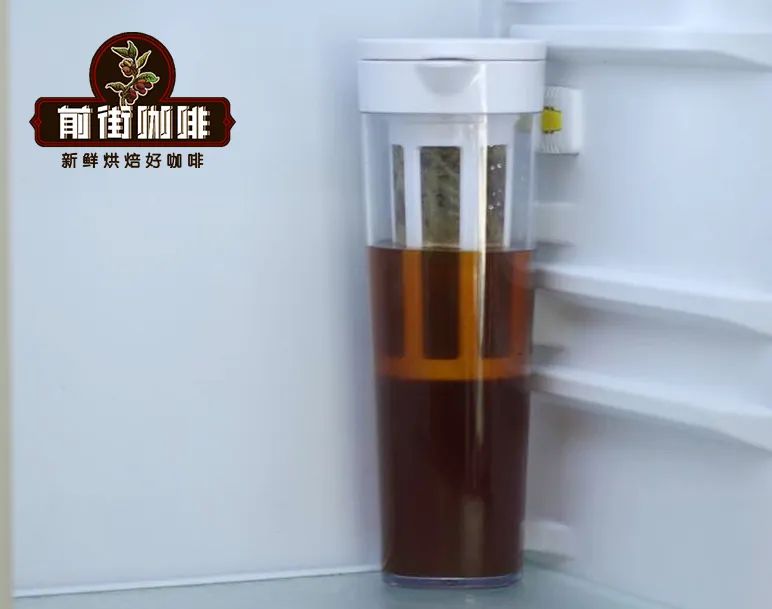
Front Street once conducted a cold brew experiment using time as a variable, soaking one coffee for6hours,10hours,16hours, and24hours respectively, and finally found that the coffee soaked for6hours had too thin a mouthfeel and flat aroma, the cold brew soaked for24hours was noticeably bitter with signs of over-extraction, and the two groups soaked for10hours and16hours had the best flavor performance, with rich aroma and a full-bodied mouthfeel.
The above content is compiled by CoffeeHunters, a coffee news website.


