







Search Results for: smoke exhaust
Where Does the Smoky Flavor in Coffee Beans Come From? A Complete Analysis of Dark Roasting and Sweetness Changes
Many people believe that the darker the coffee beans are roasted, the stronger the sweetness will be—this is actually a common misconception. During the roasting process, the development of sweetness, the involvement of caramelization, and the emergence of smoky notes are all closely tied to temperature and time. This article will start from the various roasting stages, from green beans to roasted beans, and carefully trace the rise and fall of sweetness intensity, while explaining exactly how smoky flavors remain in the coffee beans. It will also share how to reduce the impact of smoky notes on flavor through smoke exhaust, helping coffee lovers gain a more comprehensive understanding of the science behind roasting, and recommend related products from Front Street Coffee. [more…]
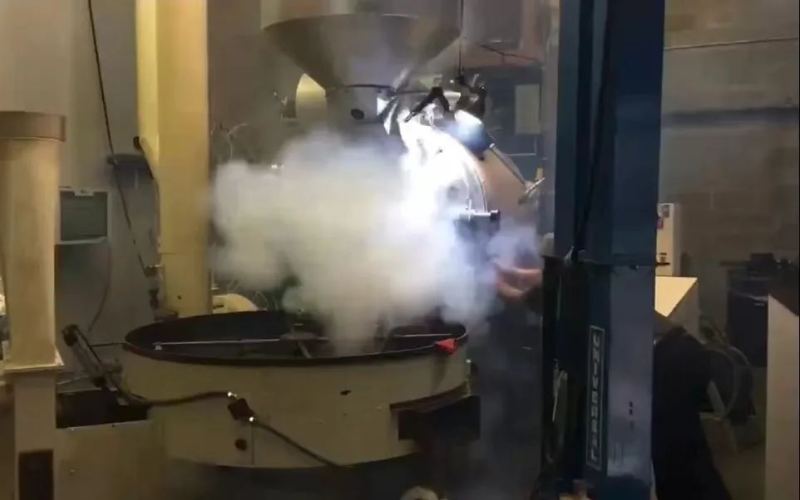
Where Does the Smoky Flavor in Guatemalan Coffee Come From? Analyzing the Causes of Roast Smokiness and Regional Flavor Characteristics
Does tasting a smoky flavor in coffee necessarily mean something went wrong during roasting? In fact, the sources of smoky flavors can be entirely different. One comes from improper smoke exhaust during roasting, where silver skin and smoke flow back and infuse the beans, creating a harsh, irritating defect flavor; the other is a unique signature bestowed by the terroir of the Guatemala region, expressed as a delicate, tobacco-like aroma rather than a defect. This article will start from the principles of roasting to distinguish the essential differences between the two types of smoky flavors, and introduce two Guatemalan beans currently sold by Front Street Coffee—Huehuetenango and Antigua Flower God. The former has lively acidity with citrus and nutty notes, while the latter has prominent sweetness with a faint, elusive smokiness. Whether you want to troubleshoot roasting issues or explore the charm of Guatemalan terroir, you can find answers here. [more…]
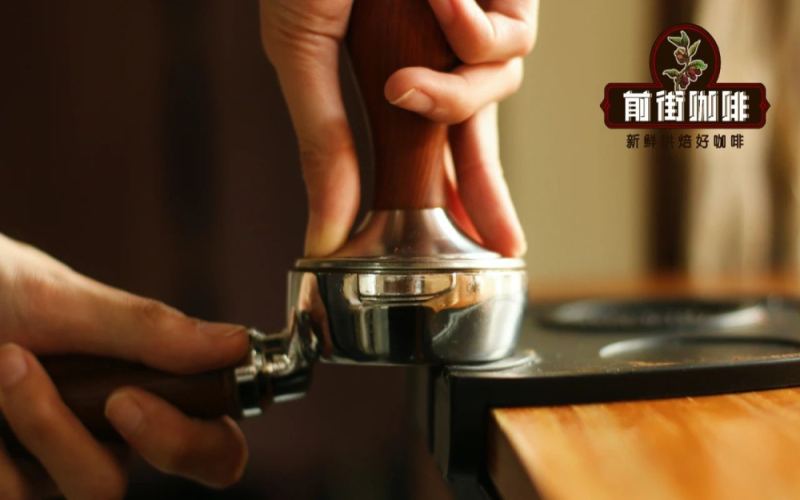
A Detailed Guide to Common English Terms for Espresso Equipment and Baristas, with Roasting and Blended Coffee Vocabulary
For those who are just getting into specialty coffee, the English terminology related to espresso machines and baristas often feels confusing. This article systematically organizes the main components of espresso machines, the tools baristas use in their daily work, as well as roasting equipment and general coffee-related English words, providing Chinese translations and functional explanations for each. Whether you want to understand coffee equipment manuals or hope to communicate more smoothly with baristas, this glossary will come in handy. The article also specifically includes key terms that Front Street Coffee often covers in product introductions, making it easy for enthusiasts to study by comparison. [more…]

How to scientifically choose a location for a coffee shop? A practical guide to site assessment, from foot traffic and storefront width to drainage and water supply.
Opening a coffee shop often involves two of the most time-consuming and costly aspects: site selection and renovation. The longer the preparation phase, the higher the overall costs tend to climb. Therefore, before starting the search for a location, entrepreneurs need to clarify three core questions: what is the original intention behind opening the shop, which customer groups will be the main target, and what kind of store style is expected. Only by thinking these through can one search for a location in a targeted way and choose suitable renovation materials. Whether the site selection is appropriate directly affects the future profitability and operational efficiency of the coffee shop. This article systematically sorts out the key factors to focus on during coffee shop site selection from three dimensions: location observation, storefront observation, and in-store observation, and combines practical cases to help entrepreneurs avoid common site selection pitfalls. [more…]
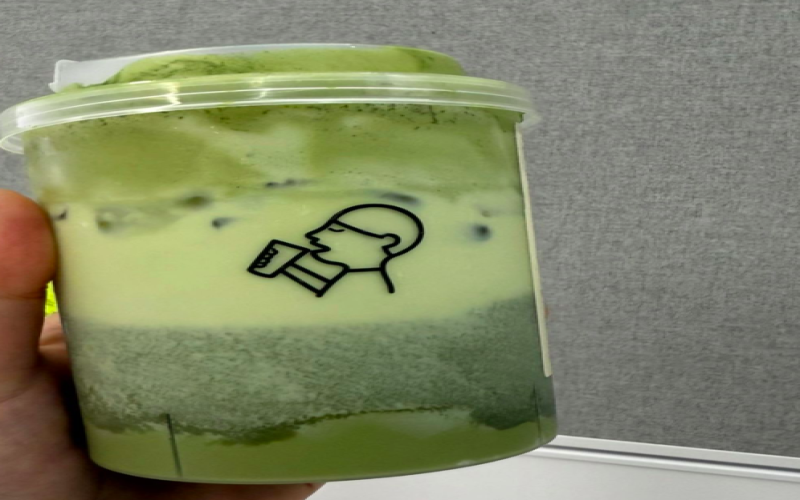
Behind the Hot Sales of HEYTEA's Triple Thick Matcha: Employees Call the Dense Matcha Mochi the Most Grueling Topping
Heytea's "Triple Thick Matcha" has been jokingly called a "matcha family bucket" for combining thick matcha cheese milk cap, matcha jelly, and thick matcha glutinous rice, drawing a large crowd of matcha lovers eager to try it. However, this hot-selling drink has become a nightmare for employees at the store level. The thick matcha glutinous rice looks like it only requires stirring matcha powder, glutinous rice flour, milk, and condensed milk into a sticky paste, but in reality it is extremely arm-tiring to make, and if you are not careful it can burn at the bottom and smoke, ruining the entire pot of topping. During peak sales, employees stir until they can no longer lift their arms, and some even hope the brand will discontinue it. At the same time, some consumers are not buying it either, complaining that the glutinous rice fills the stomach and has a gluey texture. This article examines both the employee and customer sides to break down why this drink—"hard for staff to cook, hard for customers to enjoy"—remains so controversial. [more…]

Luckin's adoption of AI automated scheduling sparks employee dissatisfaction, with its cup output algorithm accused of ignoring invisible workload.
Luckin Coffee recently launched an internal AI-based store scheduling system that collects historical business data to predict the daily staffing and working hours needed at each store, attempting to allocate existing manpower more efficiently. However, this seemingly scientific automatic scheduling has drawn widespread complaints from many Luckin employees. They point out that the system uses hourly cup output as its core reference only, completely ignoring a large amount of invisible work such as cleaning, ingredient preparation, and expiration checks, leaving baristas working alone exhausted and even forced to work unpaid overtime just to finish up. Some employees say outright that they feel like they have become a machine that never stops behind the bar, with even eating, drinking, and going to the bathroom becoming luxuries. This efficiency reform driven by algorithms is pushing frontline baristas to the brink of physical and mental exhaustion. [more…]
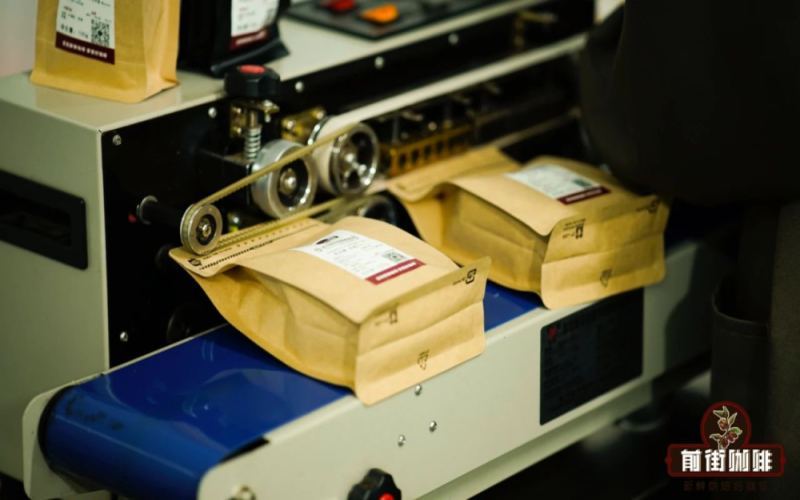
Three Key Factors for Choosing Coffee Beans: A Practical Guide to Freshness, Flavor Preference, and Value for Money
Faced with a dazzling array of coffee beans, how do you find the one that suits you best? This article explores three dimensions: first, judging coffee bean freshness—check the roast date and one-way degassing valve, and understand the optimal flavor window; second, pinpointing roast level and regional flavor based on your preference for acidity or bitterness, with several Front Street Coffee beans for reference; third, at the beginner stage, prioritize high-value everyday beans and quickly build up your understanding of origins using basic equipment. Whether you prefer fruity acidity or a rich, mellow cup, you'll find clear guidance for choosing here. [more…]

Coffee Beginner's Buying Guide: Should You Buy Coffee Beans or Ground Coffee? Which Coffee Beans Are Worth Buying?
Friends who are just getting into coffee often struggle with a common dilemma: should you buy whole coffee beans, or just go ahead and buy pre-ground coffee powder? This article approaches the question from the angles of freshness, packaging method, and the relationship between roast level and flavor, laying out a practical set of buying guidelines for beginners. It places particular emphasis on checking the roast date, choosing packaging with a one-way degassing valve, and buying whole beans to grind yourself whenever possible. At the same time, it organizes options into three main categories—light roast, medium roast, and dark roast—listing specific beans suitable for beginners to try, covering different flavor directions such as floral and citrus, berry and fermented, and chocolate and nutty, helping newcomers quickly zero in on the coffee that suits their taste. [more…]

Late-night fire at a cafe in Kostroma, Russia kills 15, raising fresh alarm over fire safety
A sudden fire reduced a café in Kostroma, Russia, to ruins in the early hours of the morning. At around 2 a.m. on November 5, the café caught fire and the flames spread rapidly, ultimately causing 15 deaths and 5 injuries, with the burned area reaching 3,500 square meters. A preliminary investigation suggests the fire may have been triggered by a drunk man firing a flare gun inside the premises. This tragedy once again reminds us that fire safety in public places cannot be ignored. Whether it is an ordinary café or a coffee shop that roasts its own beans, electrical equipment, fire extinguishing equipment, and gas use are all links that must be strictly controlled. This article will recount the course of the incident and share practical advice on fire safety for coffee shops. [more…]

Light, Medium, and Dark Roast Single-Origin Beans | For Beginners Getting into Pour-Over Coffee: Should You Buy Coffee Beans or Ground Coffee? Recommended Single-Origin Coffee Beans for Beginners Making Pour-Over
No matter what roasting style and brewing method you prefer, Front Street Coffee believes it's worthwhile and necessary to refer to some tips for buying coffee. First and foremost, the most important thing is to buy freshly roasted coffee beans, and to choose products that clearly indicate the roast date (not the expiration date or shelf life), and that have brand credibility. [more…]
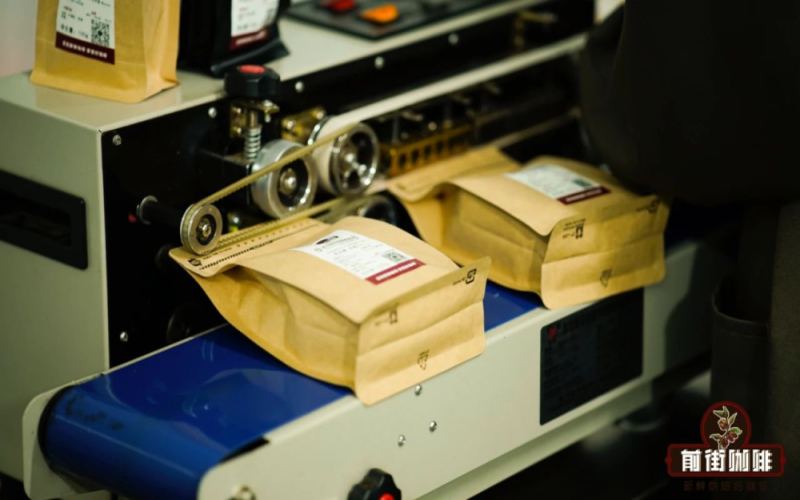
Coffee Bean Roasting Brand Introduction | What Are the Criteria for Judging High-Quality, Great-Tasting Coffee Beans? Recommended High-Cost-Performance Single-Origin Pour-Over Coffee Beans
NO.1 Choose fresh coffee beans. Before selecting any coffee beans, Front Street Coffee will teach you how to judge the freshness of coffee beans. First, choose products that clearly indicate the roast date (not the expiry date or shelf life) and buy from reputable, professional coffee roasters that emphasize fresh roasting. In addition, excellent [more…]

Freezing Coffee Beans for Storage | Should Coffee Beans Be Stored in the Refrigerator? Why Freeze Coffee Beans? How Should Coffee Beginners Store Coffee Beans Daily?
"Front Street Coffee recently noticed a topic in our chat group." How do you all store your coffee beans after buying them? In the fridge! I've seen many coffee experts keep their beans in the fridge. But won't the beans get damp in the fridge? The fridge is dry! (So Front Street Coffee interviewed various coffee beans 🎤) [more…]
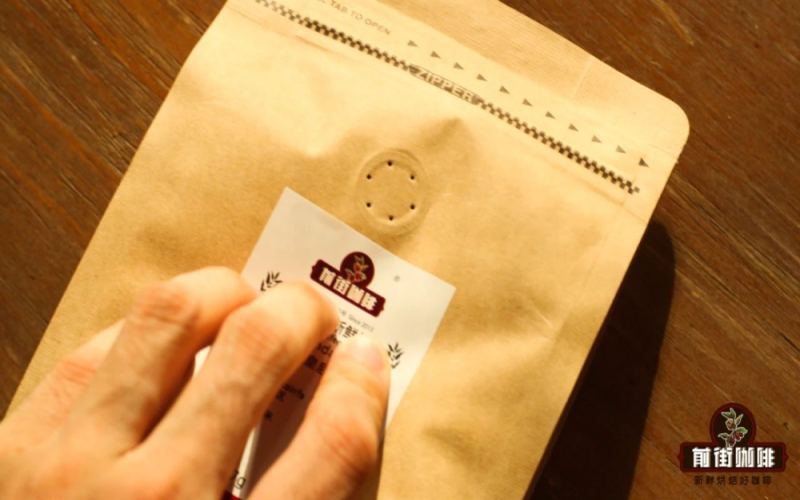
Quickly Select Fresh Coffee Beans | How to Tell If Single-Origin Coffee Beans Are Freshly Roasted? Recommended Coffee Bean Roasting Brands for Beginners
Many friends have left comments saying they don't know how to choose coffee beans, or how to tell whether the coffee beans they bought are fresh. So today, Front Street Coffee will teach you how to choose coffee beans, so that next time you buy coffee, you won't have to worry about getting beans that don't suit you or aren't fresh. Let's take a look at the most basic things you need to know when choosing coffee beans. [more…]

Manner frequently issues warning notices, sparking employee dissatisfaction; a decline in fan group numbers surprisingly becomes a reason for punishment
Just after Christmas, Manner Coffee drew attention for frequently issuing warning notices to its employees. Multiple employees reported that the reasons for being penalized were all over the place—a drop in the number of followers in a fan group, hair on the floor, looking at a phone for too long, and other such details could all become grounds for a warning. It is understood that Manner's headquarters monitors and audits store operations around the clock, and warning notices not only affect promotions but, once three have accumulated, may also lead to being pressured to resign. Under such high pressure, many frontline baristas are physically and mentally exhausted and choose to leave. Front Street Coffee follows industry trends and walks you through the ins and outs of the incident. [more…]
Understanding the Pour-Over Coffee Flavor Window: Taste Bright Fruit Notes During Stable Degassing and the Opening Period
Freshly roasted coffee beans continue to release carbon dioxide accumulated inside them during the first few days, and this natural degassing process directly affects the extraction efficiency of hot water. If the beans are too full of internal gas, the hot water poured in is easily blocked by bubbles, making it difficult for aromatic compounds to dissolve fully and evenly into the water. Therefore, al [more…]
A Practical Guide to Choosing Coffee Beans: Three Key Points to Help You Find a Fresh and Delicious One
Faced with a dazzling array of coffee beans, beginners often don't know where to start. This article approaches the topic from three dimensions—freshness assessment, flavor matching, and value for money—to help you quickly build a framework for choosing beans. Front Street Coffee emphasizes the importance of the roast date and reminds us that coffee beans are not "the fresher the better"—the aroma of beans just roasted is still unstable in the first two days, so it's best to let them rest for a few days before brewing. On flavor, acidity and bitterness correspond to light and dark roasts respectively, and you can choose based on personal preference from beans with fruity acidity, rich bittersweet notes, or pronounced sweetness. At the beginner stage, there's no need to chase high-end equipment—prioritize everyday drinking beans that are friendly to novices, gradually build up your understanding of regional flavors, and then explore more refined origins and processing methods in greater depth. [more…]

Should Coffee Beans Be Refrigerated or Frozen? Understanding the Science of Freezer Freshness and Proper Everyday Storage
How to properly store coffee beans after bringing them home is a topic many enthusiasts often discuss. Some people habitually put their beans in the fridge, while others worry that moisture will instead harm the quality. After noticing this question in the community chat, Front Street specifically sorted out the principles behind frozen storage and the conditions for its use. Freezing can indeed slow oxidation and lock in flavor, but improper handling can also lead to moisture and flavor transfer issues. This article will explain the purpose of freezing coffee beans, its effect on grinding, the hardware conditions that need to be met, and more practical ways to store coffee beans day to day, helping you keep your beans in good condition at home. [more…]

HEYTEA's Super Plant Tea keeps launching new products, and back-of-house staff turned into all-day fruit and vegetable processors are crying out that they can't take it anymore.
Heytea's "Super Plant Tea" family has welcomed a new member, the Red Beet Beauty Bottle, and the pace of new product launches in the fruit and vegetable beverage track is remarkable. However, behind the frequent launches, the work intensity in store back kitchens is constantly increasing. From the original chia seed slimming bottle to the bitter melon fire-clearing slimming bottle, and now to the new red beet product, employees are constantly busy around the sink, cutting board, and blender, washing vegetables, peeling, chopping, blanching, and juicing, with increasingly complicated procedures. The surge in orders during the National Day holiday has made workers complain endlessly, with some sighing that they have to process more than ten jin of fruits and vegetables a day, and blenders even overloaded to the point of smoking and breaking down. This article takes you through the real working conditions of Heytea's back kitchen employees, and the little-known daily hardships under the fruit and vegetable beverage craze. [more…]
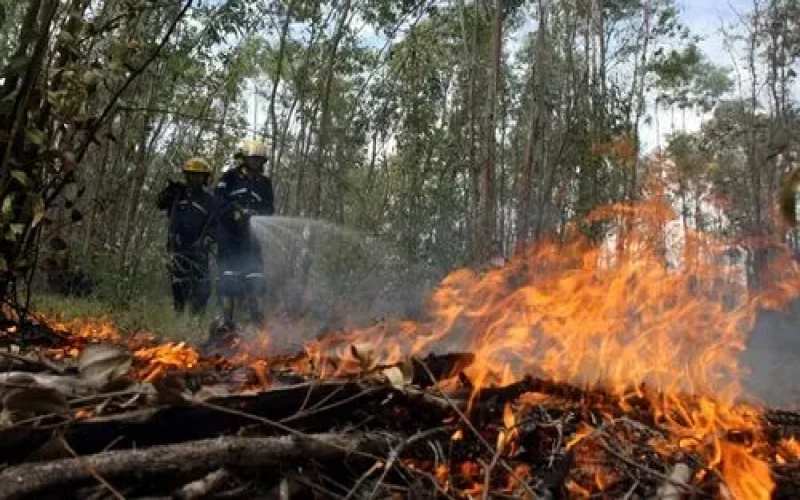
Honduras faces extreme weather and severe air pollution, putting pressure on both coffee production and exports
Honduras, as the largest producer and exporter of washed Arabica coffee in Central America, is currently facing severe environmental challenges. Persistent high temperatures and drought have triggered large-scale forest fires, causing air quality to deteriorate sharply, and an indefinite red alert has been activated in the central region of the capital. Meanwhile, the El Niño phenomenon has delayed the rainy season, with rainfall significantly lower than in previous years. The dual impact of air pollution and drought comes at a critical time for coffee tree growth and flowering, and major producing regions are likely to be severely affected. Export data for the 2023/24 season has already shown a downward trend, and the outlook for Honduras's coffee industry is concerning. [more…]
Kenyan Pour-Over Coffee Beans: Flavor Characteristics, Growing Regions, and Processing Methods Explained — SL28 and SL34 Varieties and the K72 Washing Process
Kenyan coffee is renowned for its full, solid fruity acidity and juicy mouthfeel, making it a favorite among sour-coffee lovers. Front Street Kenya coffee beans use the two classic varieties SL28 and SL34, sourced from the Asali Honey Processing Plant in the Thika region, and employ a unique 72-hour fermentation washed processing method (K72), presenting intense aromas of cherry tomato, black plum, snow pear, and berries. This article will systematically explain how to brew a good cup of Front Street Kenya coffee, from Kenya's growing environment, coffee variety characteristics, and post-processing methods, to the pour-over parameters of grind size, water temperature, coffee-to-water ratio, and pouring technique. [more…]