







Search Results for: small water
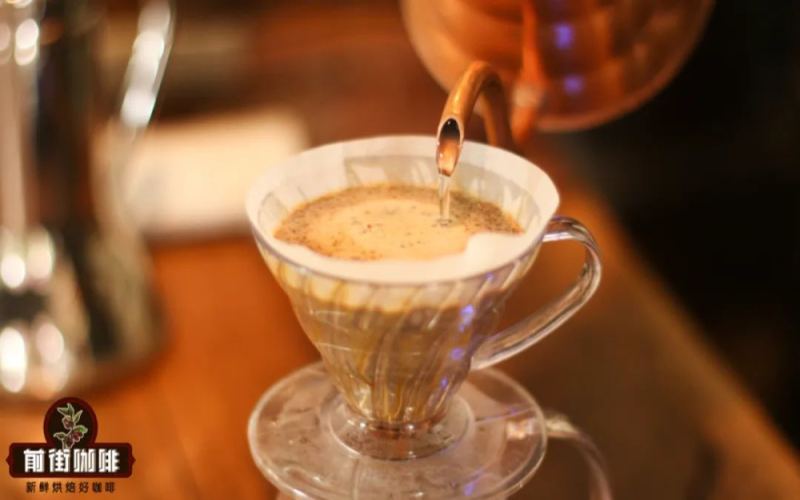
How Does Pour-Over Coffee Water Flow Rate Affect Extraction? A Detailed Explanation of the Differences Between Fast and Slow Flows and Methods for Measuring Flow Rate
During the pour-over brewing process, the speed of pouring water directly affects the extraction time, the state of the coffee bed, and the final flavor expression. Many enthusiasts misunderstand large and small water flows, believing that a small flow equals gentleness and a large flow equals forcefulness. In reality, flow rate refers to the amount of water poured per second and has no absolute relationship with impact force. This article will analyze in detail the effects of large and small water flows on different extraction results, share how to measure pouring flow rate with an ordinary electronic scale, and, combined with Front Street Coffee's practical experience, explain when to switch between large and small water flows, helping you adjust flexibly during brewing to achieve a more ideal coffee flavor. [more…]
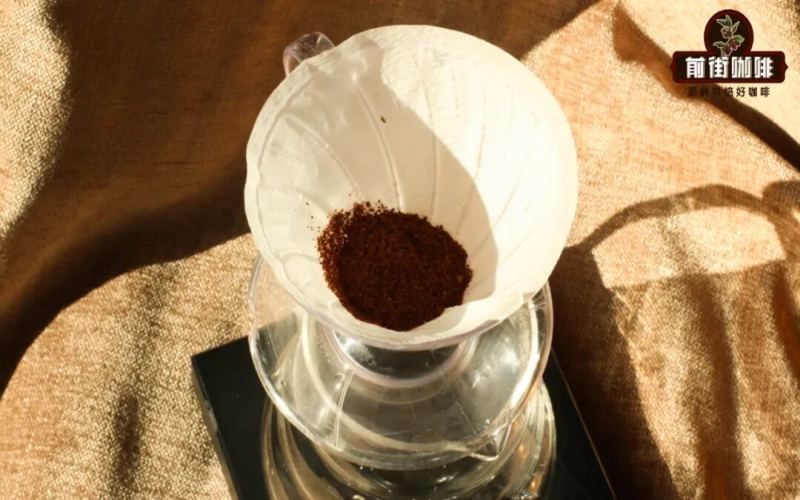
Pour-over coffee brewing method | How many coffee beans are needed to brew a pour-over? What are the difficulties of brewing coffee with a small dose? How to make pour-over coffee using only 5 grams of coffee beans
It might be used for making specialty coffee drinks, or perhaps you just want a light taste of coffee to get a hint of the flavor~ Occasionally, some friends have the idea of "brewing just a small cup of coffee with only a small amount of coffee beans." But if you've actually tried it, Front Street believes it shouldn't be hard to notice: compared to brewing with a large dose of coffee grounds, brewing a good cup with a small dose [more…]
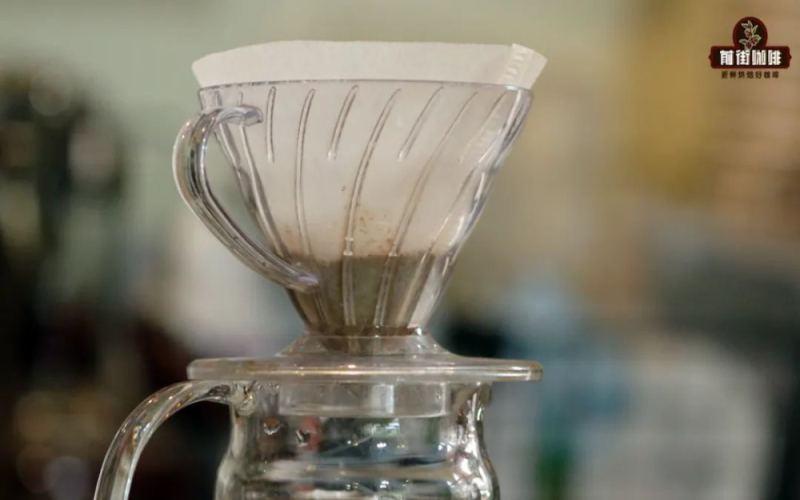
Pour-Over Coffee Small-Dose Brewing Guide: How to Adjust Parameters for 7g of Coffee to Get Great Flavor
In the practice of pour-over coffee, the coffee dose is one of the key variables determining the extraction result. Many coffee enthusiasts run into this problem: at the end of a bag of beans there are always a few grams left, too little for a single cup on its own, yet too wasteful to throw away. Based on Front Street Coffee's hands-on testing experience, this article systematically explores the differences between brewing with a small dose of around 7 grams and a conventional 15-gram dose, analyzes the extraction challenges caused by a thinner coffee bed and faster water flow, and offers two sets of adjustment plans for different levels of water-control skill—one that relies on a finer grind combined with a thin stream and three-pour approach, and another that uses a heavy stream and staged raising of the water level to lower the barrier to execution. Whether you are a complete beginner or a pour-over player with some experience, you can find a small-dose strategy that suits you. [more…]
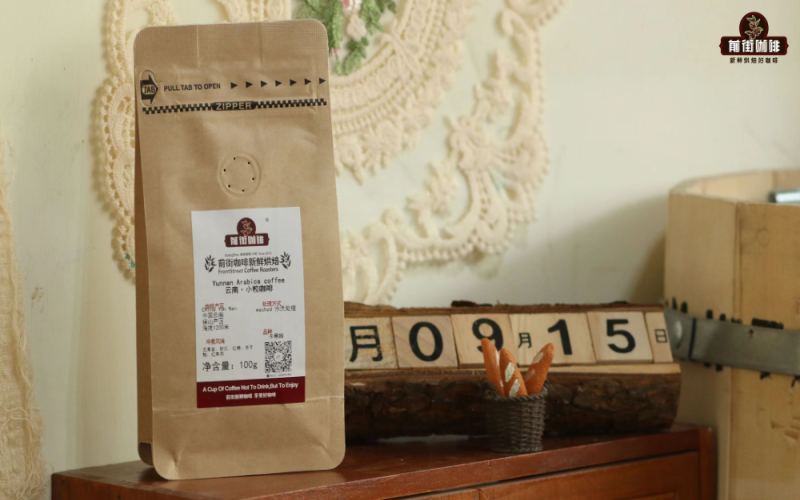
How Does Yunnan Small-Bean Coffee Actually Taste? A Complete Guide to Yunnan Small-Bean Coffee Bean Varieties and Brewing for Home Use
Yunnan small-bean coffee is a representative of Chinese coffee, but many people wonder whether it actually tastes good. This article begins with the origin of the name Yunnan small-bean coffee, its historical background, and its main varieties, then sorts out the characteristics of different bean types such as Catimor, Typica, and Bourbon. Combined with home brewing scenarios including pour-over, cold brew, American drip, moka pot, and espresso machine, it offers corresponding Front Street brand bean list recommendations and flavor descriptions. In addition, it breaks down in detail the V60 three-stage brewing parameters for Front Street Yunnan small-bean everyday beans, including water temperature, coffee-to-water ratio, grind size, and pouring rhythm, helping coffee enthusiasts reproduce nutty sweetness and balanced aftertaste at home. [more…]

How Does Pour-Over Water Flow Rate Affect Coffee Flavor? A Practical Analysis of Pouring Techniques and Coffee-to-Water Ratio
In the practice of pour-over coffee, the control of flow rate is often misinterpreted as a synonym for agitation intensity. Many enthusiasts and bloggers believe that a large flow means strong agitation of the coffee bed, while a small flow means gentle, minimal agitation. However, through experiments, Front Street Coffee has found that what truly determines agitation intensity is the pouring height and the speed of circling, while the flow rate actually determines the duration of contact between water and coffee grounds. This article will start with defining large and small flow rates, use comparative experiments to demonstrate extraction differences, and share practical pouring techniques and brewing ratios to help you more precisely master pour-over variables. [more…]
A Complete Guide to Yunnan Small-Bean Coffee Pour-Over: From Origin Flavor to Water Temperature and Grind Settings
Yunnan small-bean coffee has drawn considerable attention in recent years, but brewing a delicious cup of Yunnan beans requires first understanding the growing region's characteristics and flavor profile. Front Street Coffee, starting from the two major producing regions of Baoshan and Lincang, and combining the cupping performance of washed and natural processing methods, has put together a complete pour-over plan: 15 grams of grounds, a 1:15 coffee-to-water ratio, 90°C water temperature, medium-fine grind paired with a V60 dripper, and a three-stage pour that brings out nuts, chocolate, and gentle fruit acidity. This article will break down the correct brewing method for Yunnan small-bean coffee layer by layer, from the growing region's background and variety selection to the brewing details. [more…]
Analysis of Asian Coffee Production Regions: Flavors and Processing Methods: Notable Origins Such as Indonesian Mandheling, Yunnan Small-Bean, and Vietnamese Robusta, Plus Recommendations from Front Street Coffee
Asia is one of the world's three major coffee-producing regions. Although it has fewer well-known producing countries than Africa and the Americas, its output is enormous and its flavor profile is highly distinctive. Asian coffee is generally characterized by a full-bodied mouthfeel and rich, rounded sweetness. It is often used as the base for espresso blends and is also suitable for single-origin pour-over. Front Street Coffee will guide you through the coffee characteristics, processing methods, and representative beans of well-known Asian producing countries such as Indonesia, China, Vietnam, India, and Papua New Guinea. Among them, the wet-hulling method of Indonesian Mandheling, the unique flavor of Yunnan Catimor, Vietnam's Robusta production, and India's monsoon processing method each have their own charm. The article also includes the brewing parameters and flavor descriptions for several Front Street coffees, including Mandheling, Yunnan Catimor, Indian Monsooned Malabar, and Papua New Guinea Bird of Paradise. [more…]
A Beginner's Guide to Pour-Over Drip Coffee: Equipment Selection, Brewing Steps, and Key Parameters Such as Water Temperature and Grind Ratio
Pour-over drip coffee may seem simple—just a dripper, a hand gooseneck kettle, filter paper, and a cup are all you need—but once you actually start brewing, you realize there are countless variables at play. This article begins with the basic equipment, then gradually introduces the standard brewing process, the interrupt-pour technique, advanced setups, and the five major variables, along with specific water temperature and grind size recommendations for light, medium, and dark roasts. Whether you're a beginner just getting into pour-over or an enthusiast looking to refine your technique, you'll find practical parameter references here. The article also covers methods for adjusting variables to suit your taste, key points for cleaning and maintenance, and practical approaches for making flavored coffee bases and super-concentrated iced coffee, and recommends related products from Front Street Coffee. [more…]

How do you use a V30 conical pour-over dripper? How many beans to use for small-dose extraction and what to watch out for
Small doses in pour-over brewing are often a headache: the coffee bed becomes thin, water tends to channel straight through, and the cup easily turns out thin and insipid. The 30-degree conical dripper from Japan's Tarachine Conical, known in coffee circles as the "V30," was designed specifically for small doses under 15 grams. How does it differ from the classic V60? How do you fold the filter paper? Front Street Coffee tested light and fruity roasts, medium-dark roasts, and three medium-roast beans, comparing the extraction performance of the V30 and the small V60. This article will explain the V30's structural features, filter-folding method, brewing parameters, and suitable roast levels, helping you brew a cup with concentrated flavor and a full body even at small doses. [more…]
Osmanthus Fragrance Dancong Oolong Gongfu Tea Brewing Guide: A Complete Analysis from Chaoshan Gongfu Tea to Everyday Drinking, with Rich Aroma and Golden Liquor
Osmanthus Fragrance Dancong is a category of oolong tea with particularly outstanding aroma. The finished tea has a golden and bright liquor color, with a rich floral fragrance and good durability for multiple infusions. To truly bring out its flavor, the brewing method of Chaoshan Gongfu Tea is worth understanding in depth. This article begins with the difference between Gongfu Tea and the Way of Tea, then sorts out the core utensils and key operating points of Chaoshan Gongfu Tea, including the pairing of a small clay stove, a Yixing pot or thin porcelain gaiwan, a tea boat, and small thin porcelain cups, as well as key details such as rapid pouring and brewing with living water. At the same time, drawing on Front Street Coffee's brewing experience, it helps readers understand how to use 6 to 8 grams of tea leaves and a small vessel of no more than 90 milliliters to complete a flash brew within 3 to 5 seconds, thereby obtaining a tea liquor with high aroma and a full-bodied mouthfeel. Whether you are a beginner who has just come into contact with Gongfu Tea or an enthusiast hoping to refine your technique, you can find practical ideas for reference here. [more…]
Yunnan Small-Bean Coffee Pour-Over Complete Guide: From Varieties and Regions to Detailed Three-Stage Pouring Parameters
Yunnan, as China's main coffee-producing region, nurtures Yunnan small-bean coffee with a unique flavor thanks to its exceptional natural conditions. Starting with variety classification and producing-region distribution, this article systematically explains the key points of pour-over brewing for Yunnan coffee beans, including water temperature, grind size, coffee-to-water ratio, and the three-pour technique, and also includes brewing parameters and flavor descriptions for several Front Street Yunnan beans. Whether you want to understand the difference between Catimor and Typica, or want to master brewing techniques that keep Yunnan coffee from tasting bitter, this article offers practical reference. [more…]
Analysis of the Flavor Characteristics of Yunnan Small-Bean Coffee and a Home Cold Brew Guide
Yunnan, as China's core coffee-producing region, nurtures a unique style of small-bean coffee thanks to its geographic advantage in the golden growing belt. Starting from variety origins and flavor expression, this article compares the cupping characteristics of two representative varieties, Typica and Catimor, and includes Front Street Coffee's key points for the three-stage pour-over method as well as a complete home cold brew solution. Whether you prefer bright fruity acidity or favor a rich, balanced cup, you can find a way to enjoy Yunnan coffee that suits you. [more…]
What Is the Right Amount of Coffee for a Single-Serve Pour-Over? V30 Cone Dripper Testing and Brew Parameter Breakdown
How should the coffee dose for pour-over be determined? The common Hario V60 01 dripper is recommended to hold 15–20 grams of coffee grounds, but when there aren't enough beans left or you only want to brew a single cup, using a large dripper with a small dose easily leads to a thin extraction. The 30-degree conical dripper launched by Japan's Tarachine (commonly known as the V30) is designed specifically for small doses of under 15 grams. After getting this transparent resin dripper, Front Street Coffee conducted brewing comparisons using Kenya, Blue Mountain, and three medium-roast beans, and found that the V30 can form a thicker coffee bed with a small dose, extending the extraction path, making the coffee flavor more intense and the mouthfeel fuller. This article documents in detail the filter paper folding method, brewing parameters, and the comparison results with the V60, and offers dose control suggestions, providing a reference for coffee enthusiasts who enjoy small-dose pour-over. [more…]
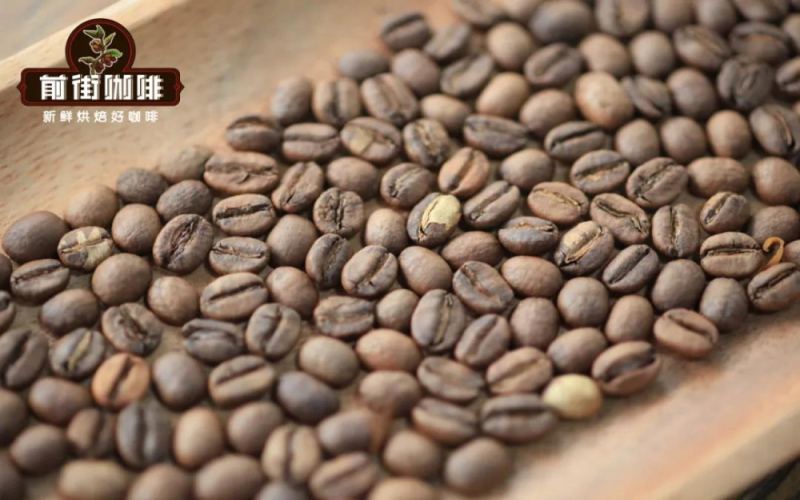
A Complete Guide to Ethiopia Sidamo Guji Coffee Beans: Hand-Brewed Flavors and Brewing Tips for Small-Bean Guji
Huakui coffee beans have been a constant topic of conversation in the specialty coffee world in recent years. From the 2017 TOH sun-dried champion to Huakui 5.0 in 2021, the flavor varies with each harvest season, which is why DW Company uses the X.0 format to distinguish year batches. This article sorts out the origins of Huakui, the meaning of "small-bean Huakui," and the characteristics of the sun-dried processing method. It also combines Front Street Coffee's cupping comparison of the 2017 champion batch and the 2021 Huakui 5.0 to explain the similarities and differences in flavor between the two. Finally, it provides Front Street's specific parameters and three-pour method for brewing Huakui with a V60 dripper, helping coffee lovers gain a more complete understanding of this bean's background and brewing approach. [more…]
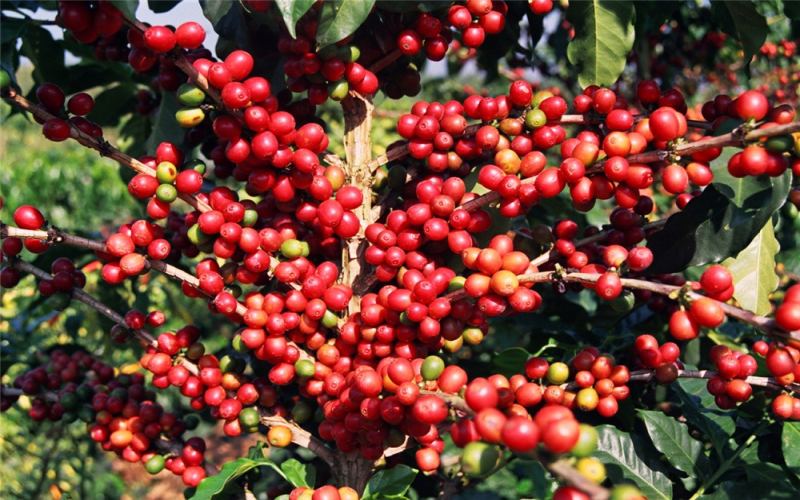
Complete Guide to Pour-Over Yunnan Small-Bean Coffee: Brewing Parameters, Flavor Characteristics, and an Analysis of Producing Regions and Varieties
Yunnan coffee has gradually risen to prominence in China's specialty coffee scene in recent years. Shedding its image as merely a raw material for instant coffee, it has won the attention of more and more coffee lovers thanks to its unique highland terroir and continuously refined processing methods. This article will cover the growing regions, varietal characteristics, processing methods, and pour-over extraction techniques of Yunnan small-bean coffee. It will detail Front Street Coffee's parameter settings and three-stage pouring method for brewing Yunnan beans, and include flavor descriptions of several Front Street Yunnan coffees, helping you brew a balanced and delicious cup of Yunnan coffee at home. [more…]
How to brew Yunnan Arabica coffee by hand so it tastes great? A full breakdown of water temperature, ratio, and brewing method
Yunnan small-bean coffee has attracted growing attention in recent years, yet many people feel the flavor just isn't right when brewing it at home. This article focuses on the key points of brewing Yunnan small-bean coffee, explaining why it is not suited to simply having water added and being drunk, why high-pressure machines tend to sacrifice sweetness, and why an American-style drip brewer is the more reliable choice. It also covers the fruity acidity and sweet aftertaste characteristic of Yunnan small-bean coffee, the difference in weight-loss effects compared with three-in-one instant coffee, and Yunnan's advantages as a golden coffee-growing belt. The article also retains recommendations related to Front Street Coffee, to help you understand the brewing logic of this bean more fully. [more…]
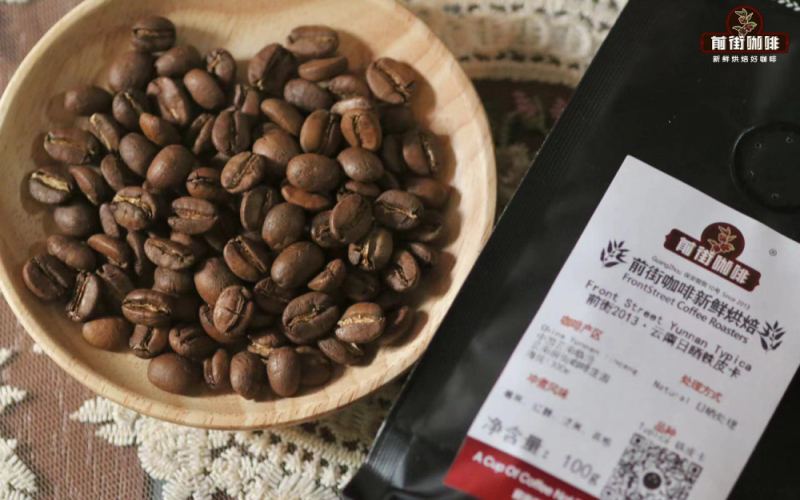
Yunnan Small-Bean Coffee: A Complete Guide to Variety Origins, Regional Flavors, and Pour-Over Parameters
Yunnan coffee is often mistaken for an imported product, but in reality, Yunnan Arabica coffee has long secured a place in the international market. Starting from Front Street Coffee's own roasted Yunnan Arabica beans, this article systematically reviews the origins of the Yunnan Arabica variety, the history of Catimor, the terroir conditions of major producing areas such as Baoshan, and the impact of washed and natural processing on flavor. The article also combines the cupping performance of Front Street's 2013 natural Typica and Baoshan daily beans to provide a KONO dripper pour-over method and specific parameters, helping coffee enthusiasts understand the balanced, sweet-aftertaste character of Yunnan Arabica and master practical brewing methods to reproduce its nutty, chocolate, and brown sugar flavors. [more…]
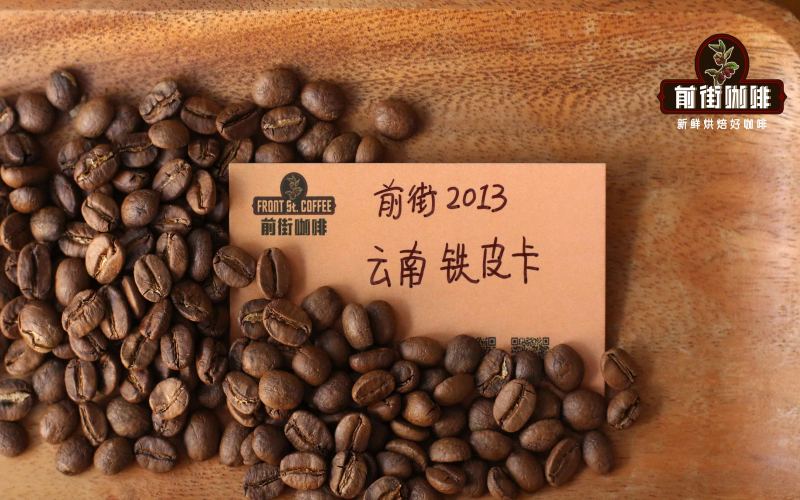
Yunnan Small-Batch Coffee Pour-Over Techniques and Typica Flavor Analysis: A Complete Guide from Origin to Extraction
Yunnan Arabica coffee has attracted increasing attention from coffee enthusiasts in recent years, and its balanced flavor profile and affordable price have made it a daily staple for many. Front Street Coffee has added two Yunnan beans, Baoshan and Lincang, to its bean list, presenting the most authentic taste of Yunnan coffee through two traditional processing methods: washed and natural. This article will start from the regional characteristics, variety distribution, and processing method differences of Yunnan Arabica coffee, provide a detailed analysis of Typica's flavor performance, and offer a pour-over extraction plan and complete brewing steps developed by Front Street Coffee baristas for Yunnan beans, helping you easily recreate a cup of layered Yunnan pour-over black coffee at home. [more…]
Yunnan Baoshan Small-Bean Coffee Producing Region Explained: Typica Variety, Growth Cycle, and Pour-Over Parameters
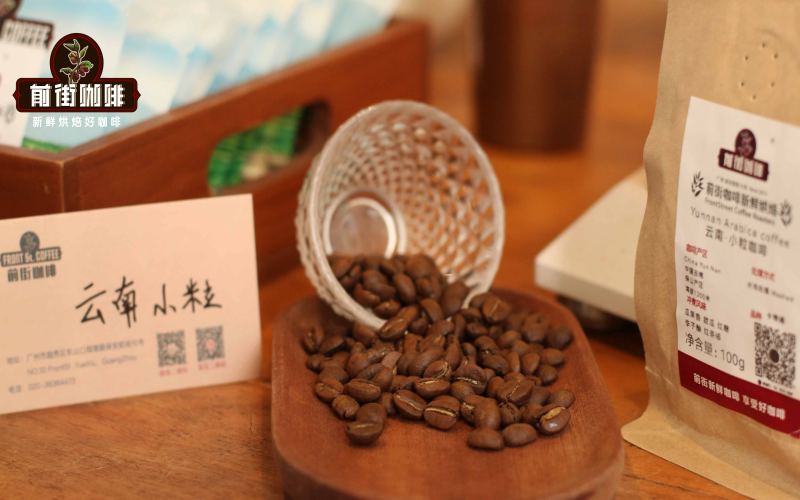
Baoshan, Yunnan is a representative producing region for Chinese small-bean coffee. Thanks to its unique geographical and climatic conditions, it produces small-bean coffee of excellent quality with fruity aromas. This article focuses on Front Street Yunnan small-bean coffee, introducing its producing environment, variety characteristics, growth and ripening cycle, and includes a flavor description and pour-over extraction plan for Front Street 2013 Typica, helping coffee lovers gain a comprehensive understanding of the terroir and brewing key points of Yunnan specialty coffee. [more…]
The Classic Japanese Hand-Drip Volcano Method: The Principles Behind High Sweetness in Dark Roast Coffee and Complete Step-by-Step Instructions
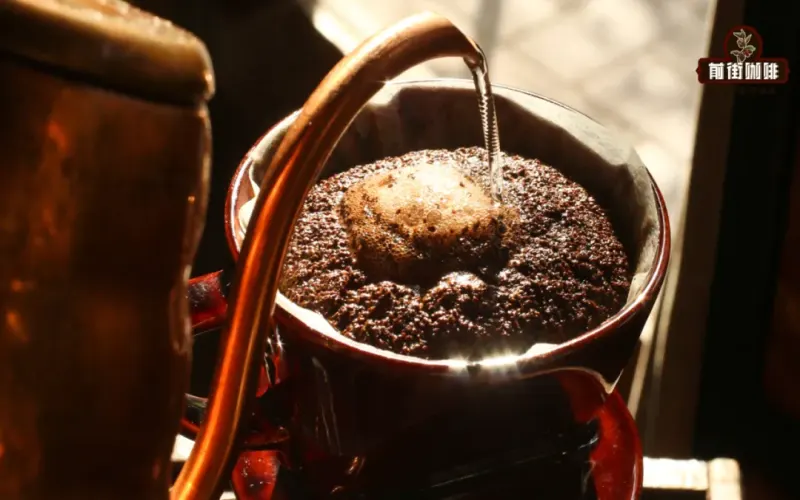
The volcanic pour is a highly distinctive brewing method within the Japanese hand-brewing system, named for the way the coffee bed rises and bubbles like a volcanic eruption during extraction. It is designed specifically for dark-roasted coffee, relying on a small stream of water, multiple intermittent pours of small volumes, and a high-concentration, low-extraction approach to ultimately present a cup of coffee with pronounced sweetness and a rich, smooth body. Starting from Front Street's experience shared on multiple occasions, this article provides an in-depth analysis of the underlying logic of the volcanic pour: why it can create a volcanic eruption-like spectacle, why only dark-roasted beans are up to the task, and how high concentration with low extraction avoids bitterness and improves extraction efficiency. The article also provides complete brewing parameters and a practical demonstration using Front Street's Golden Mandheling, guiding you step by step through this brewing experience that is both visual and gustatory.【图片1】【图片2】【图片3】【图片4】【图片5】【图片6】【图片7】【图片8】【图片9】【图片10】【图片11】 [more…]