







Yunnan small-bean coffee has drawn increasing attention in recent years, but brewing a good cup of Yunnan beans requires first understanding their origin characteristics and flavor profile. Front Street Coffee starts from the two major producing regions of Baoshan and Lincang, combines the cupping performance of washed and natural processing methods, and offers a complete pour-over plan: 15 grams of coffee, a 1:15 coffee-to-water ratio, 90°C water temperature, medium-fine grind with a V60 dripper, and three-stage pouring to bring out nutty, chocolate, and soft fruity acidity. This article will break down the correct brewing method for Yunnan small-bean coffee step by step, from origin background and variety selection to brewing details.
When FrontStreet Coffee's baristas receive a bag of beans, they are used to first figuring out its background—processing method, roast level, and cupping flavor direction—and then designing the extraction approach and parameters accordingly. So, to brew a smooth and pleasant cup of Yunnan small-bean coffee, Front Street first needs to help everyone understand what Yunnan small-bean coffee actually is.
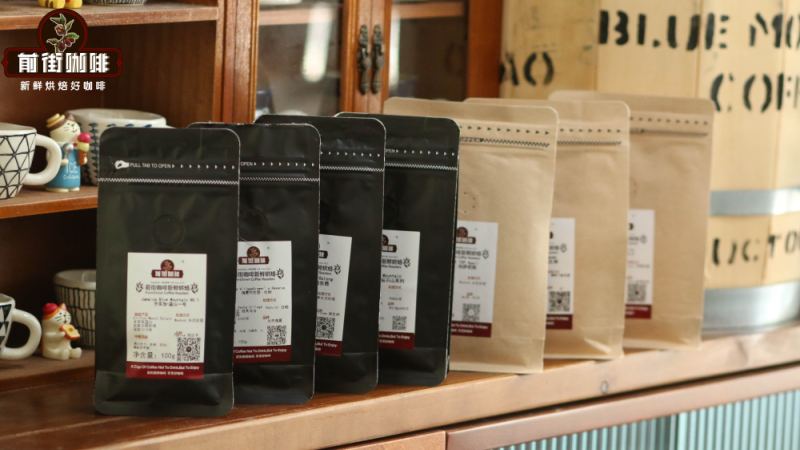
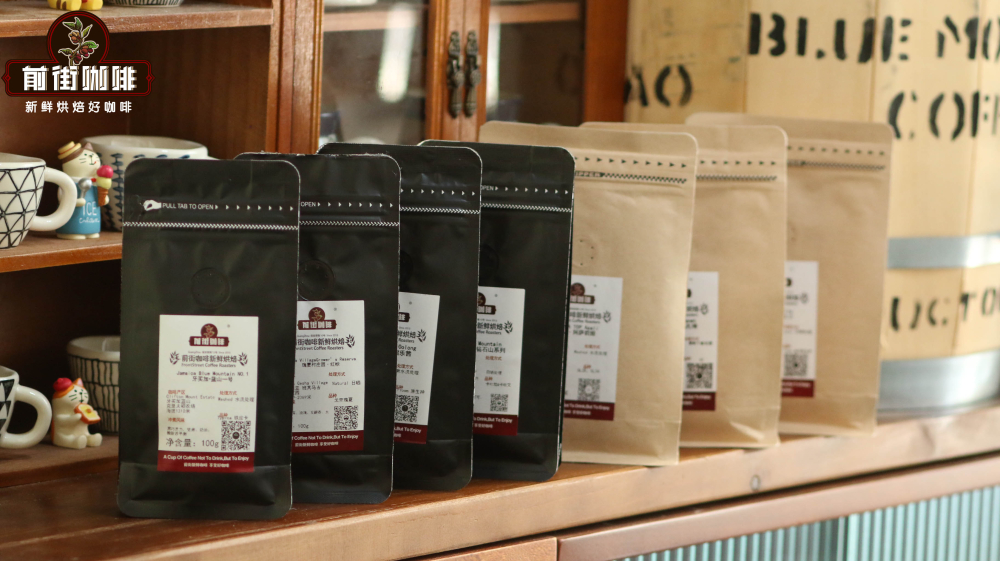
Front Street currently has three Yunnan small-bean coffees on its bean list, two of which come from the Baoshan producing region in Yunnan: the signature washed Catimor and Typica, while the other is Front Street's own naturally processed Yunnan Typica.
Yunnan Baoshan Small-Bean Coffee
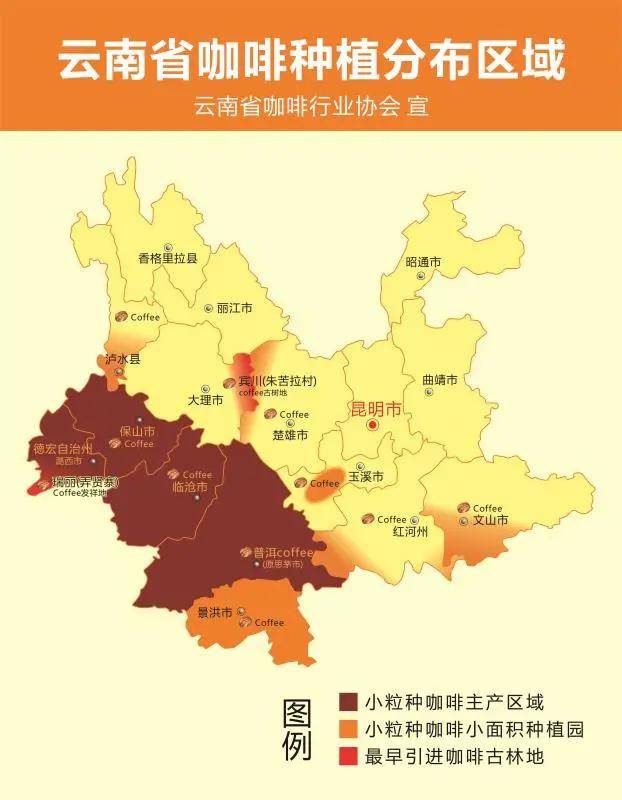
Coffee cultivation in Yunnan covers eight cities, with four core producing regions: Pu'er, Baoshan, Dehong, and Lincang. These places have the natural advantages of low latitude, high altitude, and a significant temperature difference between day and night, making Yunnan a golden growing belt for high-quality Arabica coffee. Coffee trees are usually planted on higher-altitude hillsides, and the rolling hills, fertile soil, ample sunlight, plus concentrated rainfall during the rainy season allow the coffee trees to quickly adapt to the local terroir conditions.
Baoshan's coffee cultivation history can be traced back to the mid-1950s, when it was first introduced by the patriotic overseas Chinese Mr. Liang Jinshan. The local warm climate, frost-free year-round, is especially suitable for small-bean coffee growth, particularly the dry-hot valley climate around Lujiangba, where the annual temperature variation is small but the day-night temperature difference is pronounced, giving Baoshan small-bean coffee its distinctive sweet aftertaste. In addition, reasonably low rainfall provides extremely favorable conditions for coffee fruit development. Front Street therefore includes Baoshan small-bean coffee among its representative regional everyday beans, allowing everyone to experience the true taste of Yunnan small-bean coffee.
Yunnan's coffee harvest period happens to fall during the rainy season, making it difficult to carry out the three-to-four-week sun-drying process used in other producing regions. Faced with the hot and rainy climate, Yunnan coffee farmers adapt to local conditions, and most choose the washed processing method for green coffee beans. Washed coffee has the characteristics of being clean, stable, low in defect rate, and bright in acidity, and can more clearly present the coffee bean's own flavor. This is also a natural processing method that Front Street greatly prefers.
Yunnan Coffee Beans Grown by Front Street
Years ago, while exploring coffee knowledge, Front Street had the idea of growing coffee itself, and in 2013 went to Lincang, Yunnan, to begin planting coffee trees. From site selection, seed selection, seedling cultivation, planting, harvesting, processing, to roasting, everything was done personally by Front Street colleagues, and a great deal of experience was accumulated regarding varieties, altitude, and processing methods.
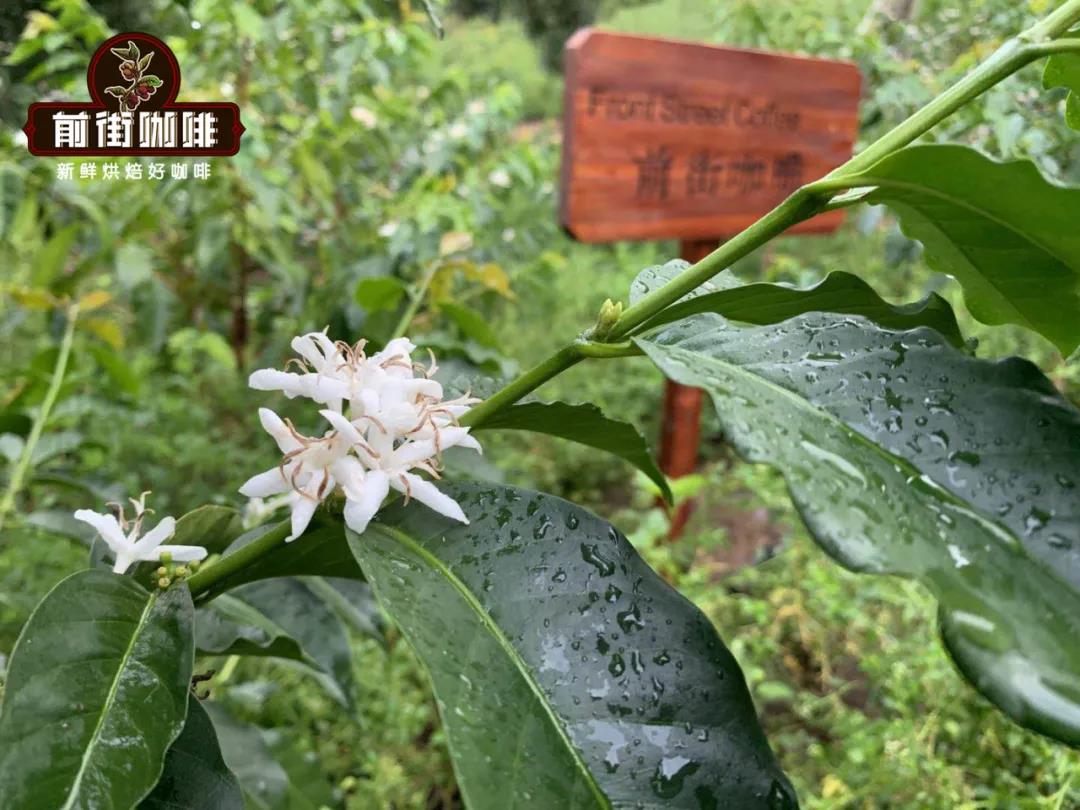
Lincang, Yunnan, is affected by the warm, humid airflow from the Indian Ocean and the southwest monsoon. The boundaries between the four seasons are blurred, but the dry and wet seasons are distinct, with abundant rainfall, long sunshine hours, a short frost period, or even no frost year-round in some areas. Its prominent vertical climate characteristics make it very suitable for Arabica coffee cultivation. Front Street specifically chose the most original Typica variety. Typica has an elegant and pure flavor, but it is also famous for low yield and poor disease resistance, so Front Street invested considerable effort in planting and management. After 5 to 6 years of cultivation, the first batch of fruit was finally harvested in 2020, processed naturally, and named "Front Street 2013."
Around November each year, the coffee fruits grown by Front Street gradually mature. Workers pick the red coffee cherries one by one, then spread the fresh fruit in the sun to dry naturally. After the coffee beans have dehydrated to a purplish-red color and reached the target moisture content, they are sent for hulling and roasting.
Cupping Flavor of Front Street Yunnan Small-Bean Coffee
Front Street roasted several coffee beans from Yunnan producing regions and cupped them one by one, finding that Yunnan small-bean coffee generally presents a balanced and soft mouthfeel, suitable for medium roasting to highlight chocolate and nutty aromas while retaining some fruit acidity.
Through cupping comparison, Front Street found that washed Yunnan Baoshan small-bean coffee has aromas of chocolate, nuts, plum, and brown sugar, with an overall neutral mouthfeel; naturally processed Yunnan Typica shows richer fruity aromas, fuller sweetness, and a finish with the scent of fermented black tea.
Brewing Suggestions
In the brewing stage, Front Street believes freshness is of utmost importance. Coffee beans enter their best flavor period 4 to 7 days after roasting. Once this window is exceeded (about a month and a half after roasting), the aroma may already have dissipated and a woody taste may appear. To avoid this, Front Street has emphasized in many articles: only coffee beans within 5 days after roasting are shipped, so that everyone can drink coffee in its best flavor state.
Yunnan small-bean coffee generally leans toward a balanced mouthfeel and is not suitable for overly high acidity or heavy bitterness, so Front Street recommends a medium grind and medium water temperature. Use 15 grams of coffee grounds, with a recommended coffee-to-water ratio of 1:15; if you want a clearer flavor, you can use 1:16. Choose a V60 dripper, control the water temperature at 90°C, and use a medium-fine grind, the texture of fine granulated sugar (80% passing through a No. 20 sieve).
Compared with other conical drippers, the ribs of the V60 are distributed in a downward curve from top to bottom and vary in length. During brewing, air can escape more smoothly and the flow rate is faster, so the extracted coffee has a clearer layered flavor.
Brewing Parameters:
Dripper: hario V60
Coffee dose: 15g
Water temperature: 90°C
Grind size: 80% passing through a No. 20 sieve
Water-to-coffee ratio: 1:15
Three-stage pouring: First wet the coffee bed with twice the amount of water as the coffee grounds, wait for it to form a dome and bloom for 30 seconds, then pour in a small stream in circles from the inside outward. Pause the staged pour at 125 grams, wait for the coffee bed to drop to half the height of the dripper, then continue pouring the third stage with the same thin stream until 225 grams. After all the coffee liquid has filtered through, remove the dripper. Total time is about 2 minutes.
The pour-over Yunnan small-bean coffee smells of rich nutty aroma. On the palate, you can feel herbal, chocolate, and caramel notes, with a faint fruity acidity in the aftertaste. The overall mouthfeel is balanced, and the cleanliness is quite good.
For professional coffee knowledge exchange and more coffee bean information, please follow Coffee Workshop (WeChat public account: cafe_style)
For more specialty coffee beans, please add the private WeChat of FrontStreet Coffee: qjcoffeex
The above content is compiled by CoffeeHunters, a coffee news website.


