







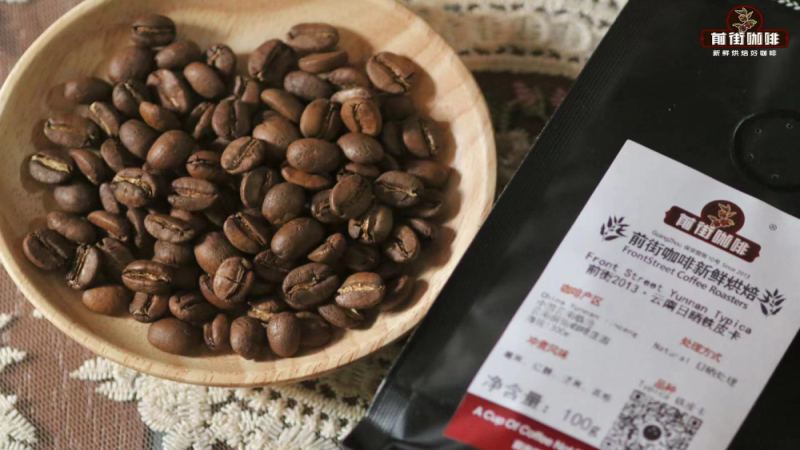
Where did Yunnan small-bean coffee seeds come from?
Yunnan small-bean coffee belongs to the Arabica species, with relatively small beans that local farmers named to distinguish them from Hainan's medium-bean Robusta. In 1904 a French missionary brought the earliest coffee seeds to Zhukula Village in Binchuan, Dali, starting more than a century of cultivation. In 2021 Yunnan produced 108,700 tons of coffee.
The original Typica introduction later gave way to widespread Catimor planting after leaf rust killed trees and farmers weighed returns. Terroir in producing areas such as Baoshan, along with washed and natural processing, shapes flavor. Cupping notes for Front Street 2013 natural Typica and Baoshan everyday beans show nut, chocolate and brown sugar tones, brewed with a KONO dripper.
Yunnan coffee is often mistaken for an imported product, but in reality, Yunnan small-bean coffee has long secured a place in the international market. Starting from Front Street's own roasted Yunnan small-bean coffee, this article systematically sorts out the variety origins of Yunnan small beans, the past and present of Catimor, the terroir conditions of main producing areas such as Baoshan, and the influence of washed and natural processing on flavor. The article also combines the cupping performance of Front Street 2013 natural Typica and Baoshan everyday beans, providing a KONO dripper pour-over method and specific parameters, helping coffee lovers understand the balanced, sweet-aftertaste tone of Yunnan small beans, and master practical brewing methods to reproduce their nut, chocolate, and brown sugar flavors.
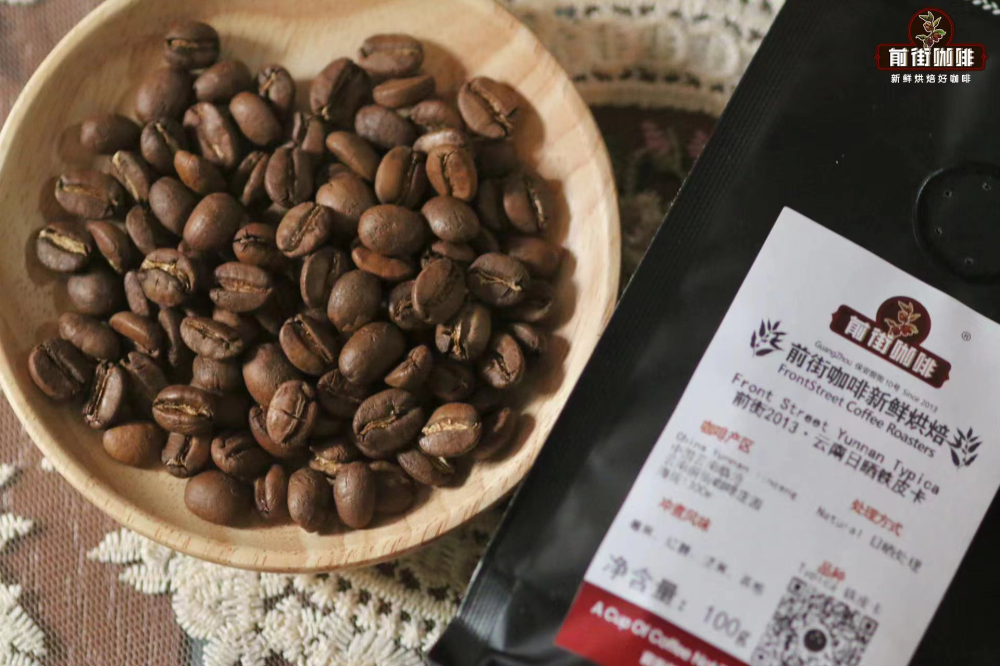
In the eyes of many Chinese people, coffee naturally carries an exotic flavor and has long been categorized as an "imported product." But one easily overlooked fact is that Yunnan coffee bearing the "Made in China" label has already secured a place in the global coffee landscape in terms of production volume. According to information Front Street has reviewed, in 2021, Yunnan Province's total coffee production reached 108,700 tons. Below, Front Street uses its own roasted Yunnan small-bean coffee as a sample to discuss the characteristics of Yunnan coffee.
What variety does Yunnan "small bean" belong to?
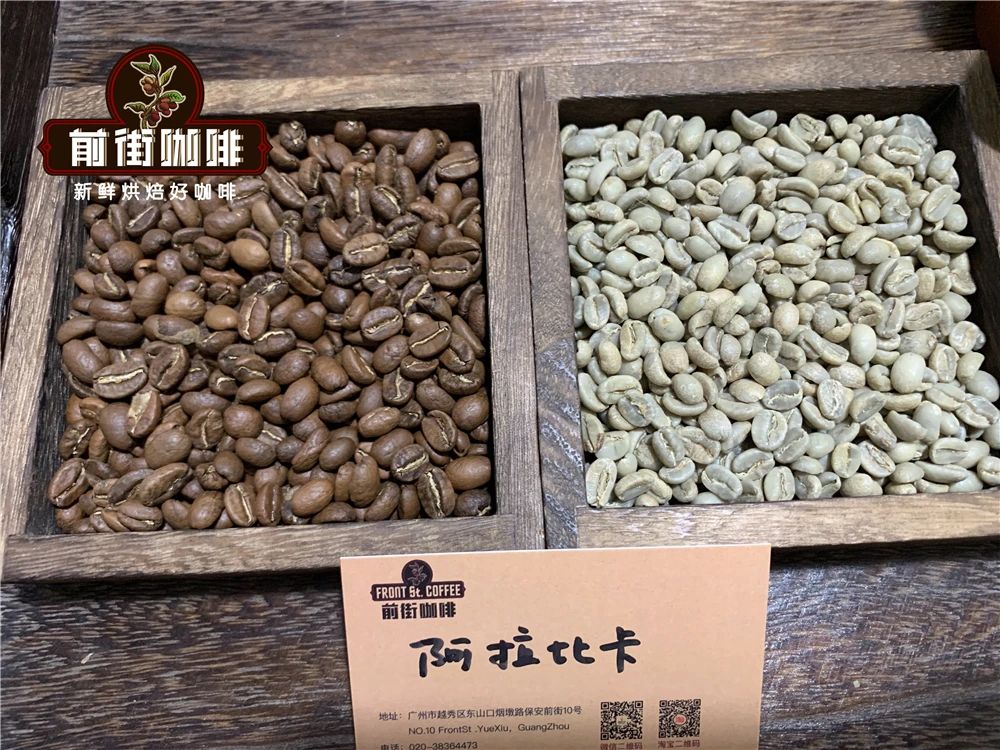
Similar to the situation in many coffee-producing regions, the coffee grown in Yunnan also belongs to the Arabica species, with relatively small beans. Since Hainan Island in China grows the medium-bean Robusta, local farmers called this Yunnan category "small-bean coffee" to make it easier to distinguish.
In 1904, French missionary Tian De Neng brought the earliest batch of coffee seeds to Zhukula Village, Binchuan, Dali, Yunnan, for seedling cultivation, thus opening the prelude to coffee cultivation in Yunnan, which has now spanned more than a hundred years. The missionary initially introduced the ancient Typica variety, which belongs to pure Arabica lineage, with layered rich fruit acidity and a delicate mouthfeel, and is widely recognized as a high-quality variety. Afterward, the Yunnan coffee industry suffered from a global leaf rust infestation, and coffee trees died on a large scale; in addition, many farmers felt that growing coffee yielded limited returns and switched to other crops, causing coffee cultivation scale to shrink noticeably.
Entering the 1980s of reform and opening up, Yunnan coffee gradually moved toward the international market. In 1988, foreign enterprises such as Nestlé established branches in China, supporting Yunnan's coffee industry from multiple aspects. They not only introduced high-yield and disease-resistant varieties such as Catimor, but also promised to purchase Yunnan coffee beans as raw materials at the then-current U.S. futures prices. These actions further expanded Yunnan's coffee cultivation area and also motivated coffee farmers, while allowing Catimor to replace the ancient Typica and become the main variety of Yunnan coffee.
Catimor 7963 is a hybrid variety bred by the Portuguese Tropical Research Institute (HCT) to combat coffee rust, with stable trait performance. In appearance, it has a compact tree shape, dwarf plant, many branches, shorter fruit nodes, vigorous growth, and strong vitality. Its most outstanding advantages are astonishing rust resistance and high yield. Because of this, Catimor is very favored by Yunnan coffee farmers, and currently more than 90% of coffee trees in Yunnan are Catimor.
However, Catimor is not 100% Arabica. It is a hybrid of Timor, which has strong rust resistance, and Caturra, and contains about one quarter Robusta lineage. Those familiar with coffee varieties know that compared with Arabica, Robusta has a lower, heavier flavor, with more obvious bitterness, often displaying grain and walnut-like notes, and if handled improperly, it can easily carry an earthy taste.
Catimor inherited Robusta genes, and combined with relatively rough green bean processing, its flavor is often criticized, even described as a "devil-like aftertaste."
In recent years, Yunnan's coffee industry has continued to improve, with more attention given to cultivation management, picking and grading, and post-processing. Front Street believes that with the joint efforts of coffee practitioners, the quality of Yunnan coffee will continue to improve.
Yunnan coffee producing areas
As the domestic coffee consumption market and industry chain gradually mature, Yunnan coffee's cultivation area and production are both increasing. Currently, Yunnan coffee cultivation has covered 9 prefectures and cities including Pu'er, Baoshan, Dehong, Lincang, Wenshan, and Xishuangbanna, and 35 counties and districts. Front Street's Yunnan small-bean everyday beans come from Baoshan.
Baoshan is the earliest region in Yunnan to achieve industrialized coffee cultivation, with a cultivation history dating back to the mid-1950s. Baoshan small-bean coffee has won much praise for its characteristics of "uniform and plump beans, fresh smell, rich aroma, mellow taste, strong but not harsh." In the late 1950s, it was rated as a first-grade product on the London market in the UK and gained the reputation of "Lujiang No.1," and small-bean coffee also became famous because of this.
Baoshan's warm frost-free climate throughout the year is very suitable for small-bean coffee growth, especially the unique dry-hot river valley climate around Lujiangba, where the annual temperature difference is small but the day-night temperature difference is obvious, creating the distinctive sweet aftertaste of Baoshan small-bean coffee; in addition, rainfall is reasonably low, providing extremely favorable conditions for coffee fruit growth. Therefore, Front Street included Baoshan small-bean coffee in its product line as one of the representative everyday beans of the producing area, allowing everyone to personally experience the taste of Yunnan small beans.
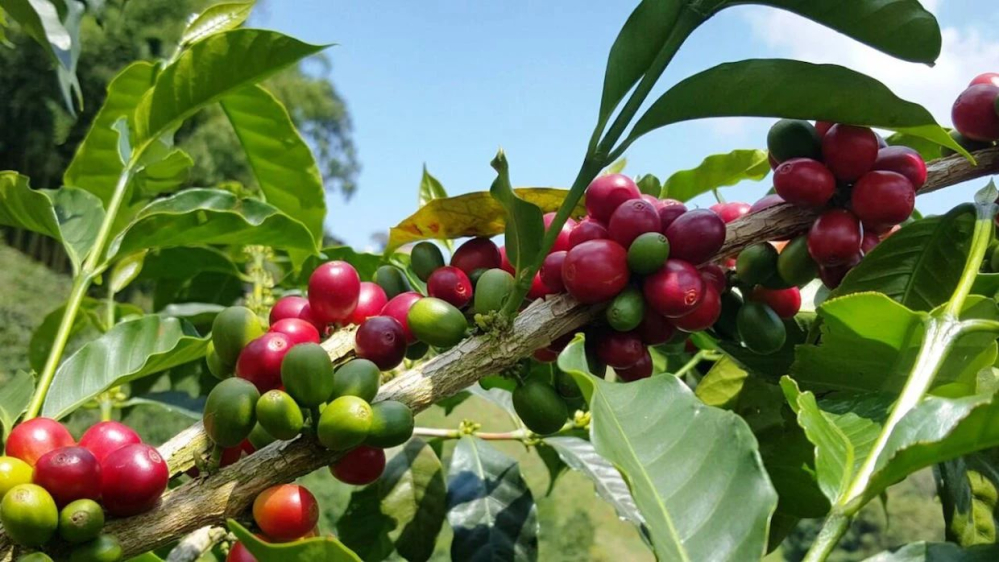
Yunnan coffee processing methods
Some friends who have drunk Yunnan coffee using special processing methods find the aroma particularly prominent and assume that this is the original taste of Yunnan coffee. In fact, most Yunnan coffee farmers have limited production conditions and do not possess expensive processing equipment, so the vast majority of Yunnan coffee beans can only use natural processing methods, namely washed and natural. Novel post-processing can indeed greatly enhance aroma, but Front Street believes that if one wants to experience the most original flavor of Yunnan coffee, the washing step reduces the defect rate, produces more stable quality, and can also make the coffee cleaner.
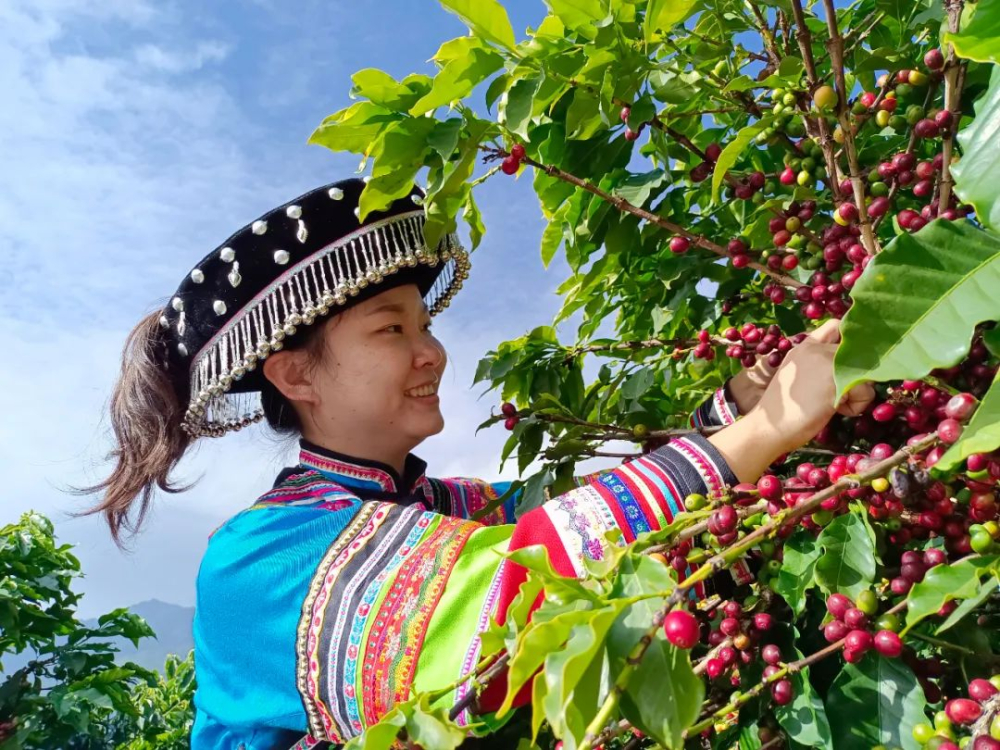
Front Street also has a rather popular bean called "Front Street 2013." From the name, one can guess that this is Front Street's exclusive product. It comes from Front Street's own estate in Lincang, Yunnan, uses the elegant Typica variety, and adopts natural sun-drying processing to make the sweetness more prominent. Around November each year, the coffee fruits grown by Front Street gradually ripen, and Front Street arranges workers to pick red coffee cherries one by one, then spreads the fresh fruit in the sun to dry naturally, turning it regularly so it dehydrates evenly and avoids negative flavors from over-fermentation. When the coffee beans have dehydrated to a purplish-red color and reached the target moisture content, they are sent for hulling and roasting.
Yunnan coffee is neither like African coffee with bright floral and fruity acidity, nor like American coffee with rich chocolate aroma, and it lacks the spice notes of Indonesian coffee. Front Street believes that the flavor of Yunnan small beans belongs to a neutral, balanced route, with sweetness, acidity, and bitterness all present. Therefore, Front Street's Yunnan coffee uniformly adopts medium roasting, highlighting chocolate and nutty roasting aromas while retaining some acidity. From Front Street's cupping, the Yunnan small-bean everyday beans present nut, herbal, and brown sugar aromas, melon-and-fruit sweetness, and plum-like acidity, with a balanced mouthfeel. The natural Typica shows a fuller tropical fruit fermentation quality and a lasting sweet aftertaste.
Front Street Baoshan small-bean coffee pour-over suggestion
Next, Front Street brews a cup of its own roasted Yunnan small-bean everyday beans in the store's serving style. Front Street's flavor descriptions for each coffee are based on freshly roasted beans. If stored for more than a month, the aroma may well have dissipated, making it difficult to reproduce during brewing. Front Street deeply understands the importance of freshness, so it only ships coffee beans freshly roasted within 5 days, allowing everyone to enjoy the fullest flavor period upon receipt.
Considering that Yunnan small-bean everyday beans use medium roasting, with a flavor leaning toward the rich, mellow tone of nuts and chocolate, deeper roasting makes the coffee beans more porous and the coffee grounds more absorbent, so a medium grind size is suitable. To avoid extracting too many off-flavors, Front Street uses a medium water temperature of 90 degrees Celsius and pairs it with a KONO dripper for extraction.
Unlike the V60 dripper, the only exhaust part of the KONO dripper is at that one quarter of ribs. When the water level crosses the ribs, the water volume inside the dripper keeps rising, and the weight of the water brings additional pressure; because the outlet is relatively small, the contact time between coffee particles and water is extended. As pouring continues, soluble substances are brought out more effectively, thereby enhancing the coffee's body and intensity.
Brewing parameters: KONO dripper, 90 degrees Celsius water temperature, No. 20 standard sieve 75% passing grind size, 1:15 coffee-to-water ratio, 15 grams coffee dose, three-stage extraction
Dripper: KONO dripper
Water temperature: 90 degrees Celsius
Grind size: No. 20 standard sieve 75% passing rate
Coffee-to-water ratio: 1:15
Coffee dose: 15 grams
With three-stage extraction, after the coffee is ground, pour it into the filter paper, start from the center and pour 30g of water to bloom for 30 seconds, maintaining a small steady stream in circles from inside to outside throughout. In the second stage, pour 95g of water, and when the coffee liquid is almost finished dripping, begin pouring the third stage of 100g, until the coffee is fully filtered, then remove the dripper. The total time is about 2 minutes, with an allowable error of about 10 seconds before or after.
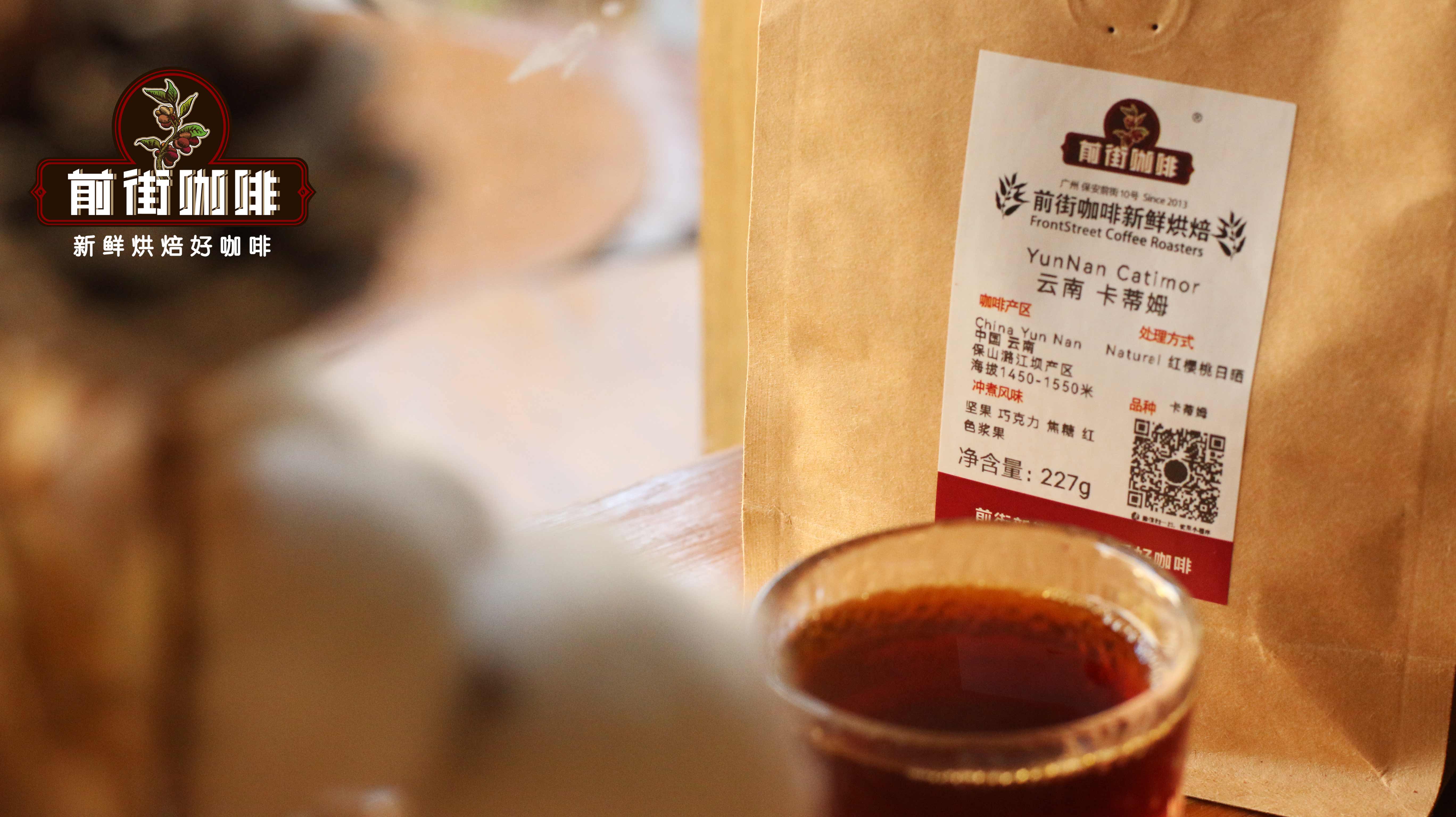
Washed small-bean Catimor smells of dry nut and berry aromas; on the palate one can taste the sweetness of nuts, herbs, chocolate, and brown sugar, balanced plum-like acidity, and a slight fruity acidity in the aftertaste.
For professional coffee knowledge exchange and more coffee bean information, please follow Coffee Workshop (WeChat public account cafe_style)
For more specialty coffee beans, please add the private WeChat Front Street Coffee (FrontStreet Coffee), WeChat ID: qjcoffeex
The above content is compiled by CoffeeHunters, a coffee news website.


