







Search Results for: sleep deprivation

Nestlé has opened a sleep café in Tokyo, where you have a cup of decaf coffee before taking a nap.
Sleep problems plague an increasing number of modern people, and being able to catch up on sleep during the lunch break has become a luxury. Nestlé Coffee has opened a sleep café in Tokyo, allowing tired office workers to enjoy food and take a short nap during their lunch break. Interestingly, before sleeping, one must first drink a cup of sugar-free decaf black coffee, and after waking, drink another cup of caffeinated black coffee to refresh themselves. Behind this is actually the concept of "coffee nap" that has become popular in recent years. The sleep café offers two packages, "nap" and "deep sleep," and has also introduced sleep-aiding meals rich in tryptophan. What health risks does long-term sleep deprivation bring? If this model were introduced in China, would you go try it? [more…]
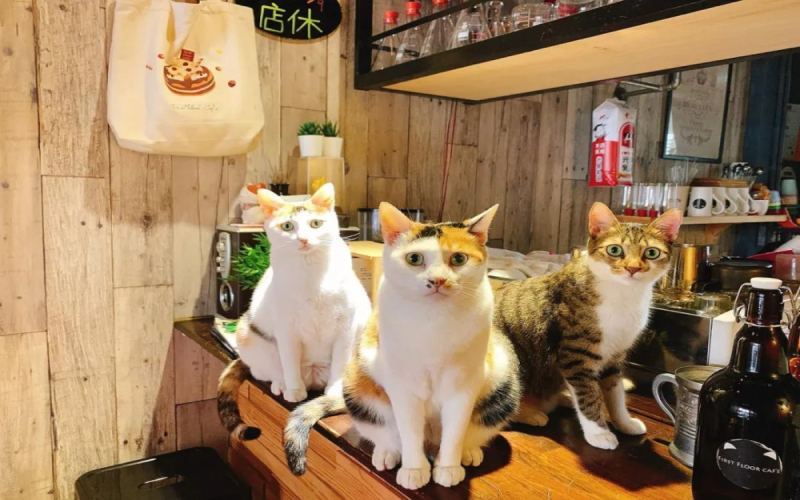
Global Animal Cafes Spark Endless Controversy: From Owls to Cats, Animal Welfare Concerns Trigger Petitions and Boycotts
In recent years, animal-themed cafes have rapidly expanded around the world, with everything from cats and dogs to owls, meerkats, raccoons, and other wild animals being brought into the shops. However, animal protection organizations point out that these venues often lack effective oversight, and the animals are kept under chronic stress and sleep deprivation, with their physical and mental health seriously affected. In Japan, nearly 100,000 people have signed a petition demanding the closure of cafes featuring owls and other wild animals, and South Korea has announced a total ban on displaying wild animals outside of zoos. Should consumers also reflect: without demand, how can there be a market? [more…]

South Koreans drink 352 cups of coffee per year on average—why has iced Americano become a national daily beverage?
Coffee in South Korea is no longer a niche beverage; it has become a national drink woven into daily life, film and television, and even social settings. Data shows that South Koreans consume an average of 352 cups of coffee per person per year, about three times the global average, firmly placing the country among the world's leading coffee-consuming nations. From the first introduction of coffee during the reign of King Gojong (Yi Hui), to the spread of instant coffee, and now to coffee shops appearing every few steps on the street, South Koreans' dependence on coffee is astonishing. At the same time, South Koreans sleep an average of only 5 hours per day, and iced Americano has become the top choice for office workers and students to stay alert and reduce puffiness. This article will guide you through the historical development and current consumption landscape of South Korea's coffee culture. [more…]

Bulletproof Coffee Brand Recommendations: Can Butter Plus Coffee Help You Lose Weight? Is It Suitable to Drink at Night?
In recent years, Bulletproof Coffee has remained popular in both coffee and fitness circles. This drink, made by adding butter and coconut oil (or MCT oil) to coffee, is regarded by many as a breakfast replacement and energy supplement. But can it actually help with weight loss? Will drinking it at night affect sleep? This article will analyze Bulletproof Coffee from the perspectives of its origins, core recipe, and the mechanisms of its fat components, and recommend brands worth trying, including related products from Front Street Coffee. At the same time, we will also objectively discuss its theoretical weight-loss effects and actual impact, to help coffee lovers make more rational choices. [more…]

Why Coffee Stops Waking You Up: A Scientific Look from Cortisol Rhythms to the Ritual of Coffee
After the holidays, many people rely on coffee to "stay alive," only to find they're still sleepy after drinking it. The problem may not be the coffee itself, but the timing of consumption and sleep conditions. Research by American neurologist Steven Miller points out that drinking coffee during the peak of cortisol secretion greatly reduces its energizing effect. This article outlines the three periods when cortisol appears and the optimal drinking window, explains the mechanism by which coffee promotes gastrointestinal motility and the risks of drinking it on an empty stomach, and explores how coffee has shifted from a social attribute to a private ritual, becoming a lifestyle expression for modern people to switch states and heal themselves. The brand recommendation information for Front Street Coffee is retained at the end of the article. [more…]

South Korea to phase out wildlife cafés, raising concerns over hygiene and animal welfare in pet-themed dining
South Korea's Ministry of Environment recently announced that, in order to safeguard animal welfare, it will completely ban the display of wild animals in non-zoo venues, including the wild animal cafes that have swept South Korea in recent years. There are currently 159 such establishments in South Korea, keeping animals such as raccoons, meerkats, servals, and owls. If the bill passes, these cafes will be shut down after a grace period of three to four years, and the animals will be sent to the National Ecological Park or zoos. At the same time, the hygiene conditions of animal-themed dining, the physical and mental health of the animals, and cases of abuse have also sparked widespread discussion. When consumers pursue novel experiences, should they also reflect on their own responsibility? [more…]

What Is Red Eye Coffee? An Analysis of the Black Eye Coffee Method Mixing Espresso and Pour-Over, and Its Differences from Americano
The name Red Eye Coffee comes from red-eye flights. It is said that cabin crew, in order to stay awake during long night flights, mixed espresso with drip coffee, and thus this extremely high-caffeine drink was born. Today, the way Red Eye Coffee is made has changed somewhat. Based on modern changes in espresso concentration, Front Street has optimized the ratio of espresso to pour-over to 1:5, and uses the medium-dark roasted Warm Sun blend and the Brazil Queen Estate for separate extraction to ensure harmonious flavor. This article will introduce in detail the origin of Red Eye Coffee, the specific preparation steps, the flavor performance, and its difference from Americano, while also reminding friends with sensitive stomachs or low caffeine tolerance to try it with caution. [more…]

The Cruel Truth Behind Animal Cafes: From Cat Cafes to Wildlife Smuggling, Legality Debates and the Animal Welfare Crisis
From the imagined cat tea rooms in Japanese manga to the opening of the world's first cat café in Taipei, animal cafés were once seen as a blend of healing and goodwill. Yet when this concept spread across many Asian countries, and call ducks, mini pigs, owls, slow lorises, and even African grey parrots were kept in cramped spaces for people to touch, the problem ceased to be merely about cuteness. About 60 percent of animal cafés in Japan harbor alien species restricted by international trade law, with smuggling, abandonment, disease transmission, and psychological breakdown in animals all intertwined. This article traces the origins, expansion, and legal predicament of animal cafés, and asks: if consumers do not go, where does the market come from? [more…]

How ridiculous can a half-awake barista be? A record of mishaps from grinder to roasting oven
Feeling sleepy early in the morning is only human, but for baristas bustling behind the counter, a drowsy state often means a series of both laughable and exasperating operational mistakes. From forgetting to attach the portafilter, mistakenly refilling with blend beans, to misreading a pre-order as a rush order, washing a V60 into a work of art, and even roasters who, obsessed with the sound of second crack, end up producing a batch of "Dan." This article takes stock of the various confusing behaviors of coffee professionals when not fully awake, serving as both a good-natured tease about daily work and a reminder to every early-shift worker: keep your hands steady, your eyes open, and your beans cleanly sorted. At the end, there's a product recommendation from Front Street Coffee—don't miss it. [more…]

TCM's Advice to Ban Coffee Sparks Debate: Is Excessive Caffeine Intake Really That Terrifying?
A daily cup of coffee has become the standard for many office workers, and some even have more than one a day. But can drinking too much coffee place a burden on the body? Recently, a netizen shared an experience of being banned from coffee after visiting a traditional Chinese medicine doctor, who even said, "If you keep drinking, you'll die." This post sparked a great deal of discussion, with some carefully analyzing the situations in which coffee should not be consumed, and others questioning the TCM doctor's judgment. Should coffee be drunk or not, and how should it be consumed to be healthy? Let's take a look together at the truth behind this discussion. [more…]
Is Bulletproof Coffee Reliable for Weight Loss? Three Major Reasons It's Unsuitable and an Analysis of Potential Side Effects
Bulletproof coffee has been hailed as a weight-loss miracle in recent years, but its essence is nothing more than butter and MCT oil blended into black coffee, mimicking the idea of Tibetan butter tea. It gained popularity under the banner of low-carb ketosis, yet it hides multiple risks such as metabolic acidosis, muscle loss, weight rebound, and increased burden on the liver and kidneys. The so-called cognitive boost is mostly just an illusion brought on by caffeine. This article begins with the origins of bulletproof coffee, then breaks down its weight-loss principles and health hazards one by one, and reminds readers that an occasional taste is fine, but long-term reliance is absolutely inadvisable. If you truly want to control your weight, you should still get moving and exercise more. [more…]

Starbucks Responds to Cashless Store Controversy: It's Just an Autonomous Decision by a Few Franchised Stores
Recently, two Starbucks stores in the UK posted notices stating they would stop accepting cash, sparking heated discussion online. Many people worried that this move deprived consumers of their right to choose, and public opinion quickly escalated. Starbucks UK officially clarified afterwards that these stores are independently operated by licensed partners, and going cashless is not a unified company policy. In fact, Starbucks once tested a cashless model in the US but did not roll it out, and although it encouraged electronic payments during the pandemic, it still emphasized that cash always remains an option. This article will recount the course of the incident and sort out Starbucks' historical stance on payment methods and its future direction. [more…]

Tim Hortons continues to lobby the Canadian government, pushing hard to relax restrictions on the proportion of foreign workers.
Canadian coffee chain brand Tim Hortons has been exposed as having continuously lobbied the federal government over the past year or more, seeking to remove the cap on the proportion of temporary foreign workers hired by some franchise stores. Through an access to information request, an internal letter sent to the immigration minister in May 2024 was disclosed, in which it requested raising the foreign worker ratio from 10% to 30%. Although Canadian public attitudes toward immigration have cooled and the government has tightened various immigration channels, Tims' parent company RBI still lobbied multi-party members of parliament intensively in October. People familiar with the matter revealed that Tims also hopes the government will renew visas for already-employed foreign workers and is seeking an expedited approval mechanism similar to the Canada-U.S. fast-track border clearance. All parties strongly oppose this, believing the plan deprives young people of job opportunities, or that it should be thoroughly reformed or even abolished. [more…]

Anaerobic Fermentation Coffee Bean Flavor Analysis: A Complete Interpretation from Processing Principles to Practical Workflow
While classic methods like washed, natural, and honey processing are already widely known, emerging techniques such as anaerobic, enzyme-assisted, and carbonic maceration are appearing one after another, opening up new possibilities for coffee flavor. These processing methods often give coffee beans a distinctive flavor profile, sparking curiosity about the principles and operations behind them. This article focuses on the key step of anaerobia, explaining how it builds upon traditional processing methods and, through the action of microorganisms in an oxygen-deprived environment, converts sugars into lactic acid, acetic acid, and aromatic compounds such as esters and aldehydes, thereby creating special experiences like yogurt-like acidity. The article also combines tasting impressions of the Front Street Coffee Deborah Estate Savage Series Anaerobic Natural Geisha to guide you from theory to practice in fully understanding the characteristics and processing flow of anaerobically fermented coffee beans. [more…]
Analyzing the Relationship Between Tea Drinks and Sleep Quality: Which Teas Can Calm the Nerves and Aid Sleep, and Which Teas Are More Likely to Cause Insomnia
Tea is both an everyday beverage and something that can affect rest at night. The fresh leaves of the tea plant naturally contain caffeine, a stimulant that can disrupt sleep rhythms, but tea's caffeine content is far lower than that of coffee, and it also contains components such as L-theanine that participate in relaxation and sleep regulation. Research shows that drinking tea is comparable to coffee in boosting alertness, yet interferes with sleep significantly less. In addition, herbal teas contain no caffeine, and some types, such as valerian and chamomile, have been shown to help improve sleep, while potent herbs like kava and valerian need to be used under the guidance of professionals. Only by understanding the characteristics of different types of tea can you choose the right cup to calm the mind and aid sleep, and avoid insomnia caused by improper drinking. [more…]

Caffeine content of Bawang Chaji's new "Qingshan Qigu" drink tested; netizens complain they couldn't sleep all night after drinking it.
CHAGEE recently launched its winter new product "Qingshan Qigu" across its nationwide stores, featuring Wanxi yellow large-leaf tea paired with brown rice buckwheat and milk. The official description highlights its rich aroma of scorched rice and roasted rice. However, after this new product hit the market, consumer feedback has been sharply polarized—aside from disputes over the flavor, a large number of netizens have complained on social media about being unable to sleep all night after drinking it, with the number of insomnia posts even far exceeding taste reviews. According to the brand's published nutritional information, the product contains approximately 24.9mg/100ml of caffeine, which translates to about 144.4mg of caffeine in a large 580ml cup. Is it the caffeine at work or individual differences? This article takes you to find out. [more…]
Analysis of Flavor Differences Between Decaf and Regular Coffee: Pros and Cons of Starbucks Decaf Americano and Its Impact on Sleep
While caffeine boosts alertness, it can also cause issues like insomnia and palpitations, which is why decaf coffee has gradually entered the public eye. In this article, Front Street Coffee (FrontStreet Coffee) will discuss the origins of decaf coffee, standards across different countries, mainstream decaffeination processes, and flavor performance, as well as specifically analyze the pros and cons of Starbucks decaf Americano and whether it affects sleep. At the same time, Front Street Coffee will also share the cupping flavors and pour-over parameters of a Colombian decaf coffee, helping coffee lovers gain a more comprehensive understanding of decaf coffee. [more…]

Does Brain Gold Coffee really contain oral liquid? What's the story behind this new product?
Naobaijin has once again made its presence felt in the coffee world. This time, it's not just a simple co-branded paper cup—they've actually added Naobaijin oral liquid to the coffee. On November 10, Naobaijin officially announced on Xiaohongshu the launch of a special coffee containing Naobaijin ingredients, which would be sold in limited quantities at a pop-up store on Double Eleven. As soon as the news broke, netizens were both curious and confused: Naobaijin is known for aiding sleep, while coffee is for waking up—what kind of combination is that? The official response stated that what was added was Naobaijin oral liquid, which has a bowel-lubricating and laxative function, not the sleep-aid capsules, and that the amount used per cup had been scientifically calibrated to avoid any functional conflict. So, how does this coffee taste? And what has Naobaijin's journey in the coffee arena been like? Let's take a look. [more…]
Decaf Coffee | Is Decaf Coffee Healthy? Who Is Decaf Coffee Suitable For? What Specialty Decaf Pour-Over Beans Are Recommended?
What is decaf coffee and how is it made? Decaf is short for decaffeinated coffee, where at least 97% of the caffeine has been removed from the coffee beans. Front Street Coffee believes that apart from the caffeine being removed, decaf coffee is just like regular [more…]
Analyzing the Flavor Differences Between Decaf and Regular Coffee: Pros and Cons of Starbucks Decaf Americano and Its Effects on Sleep
Although coffee is a powerful pick-me-up, the caffeine in it also makes some people hesitate. Excessive caffeine intake can cause discomfort such as insomnia and palpitations, so is there an option that lets you enjoy coffee's flavor without worrying about caffeine's side effects? Decaf coffee exists precisely for this purpose. From the perspective of Front Street Coffee, this article will sort out decaf coffee's historical origins, standards in various countries, the naturally low-caffeine variety Laurina, and the mainstream Swiss Water decaffeination process. At the same time, we will also objectively analyze the pros and cons of Starbucks decaf Americano and discuss whether it really does not affect sleep. At the end of the article, we have attached the cupping flavors and pour-over parameters of Front Street Colombia Decaf for coffee lovers to reference and practice. [more…]