







Search Results for: single-origin vs. blends

SOE vs. Dirty Coffee Explained: A Comprehensive Guide to Single-Origin vs. Blend Differences and the Best Beans for Dirty Coffee
SOE and Dirty remain popular in the coffee world, but their meanings, characteristics, and why they are called a perfect match still leave many enthusiasts curious. This article will start with the concepts, explaining the essence of SOE (Single Origin Espresso) and Dirty (a layered espresso milk coffee), comparing the differences in flavor presentation between single-origin and blended coffee beans, and explaining why Dirty is more tolerant of coffee bean selection. The article also specifically recommends three Front Street single-origin beans—Yirgacheffe Gotingding, Fenhuaijie Manor Xizhua, and PWN Golden Mandheling—and includes specific extraction parameters and tasting experiences to help you make a cup of well-layered SOE Dirty at home. [more…]
What Coffee Beans Should You Choose for Espresso? A Comprehensive Analysis of Blends vs. Single Origins and Light vs. Medium-Dark Roasts
Espresso is both an extraction method and the name of a coffee beverage. It is the type of coffee the public encounters most often and also the one most likely to raise questions. Many beginners are often confused: should espresso be made with a blend or single-origin beans? How should the roast level be chosen? Do espresso beans count as specialty coffee? Is sourness normal? This article addresses these frequently asked questions, starting with Front Street's fresh-roasting philosophy and storage recommendations, then analyzing the pros and cons of blends and single origins one by one, introducing the flavor characteristics of Front Street's four espresso blends, and explaining why espresso coffee mostly uses medium-dark roasts and why light roasts are unsuitable for pressurized extraction. Finally, it answers questions such as whether espresso blends belong to specialty coffee and where sourness comes from. [more…]

The Complete Guide to Buying Espresso Beans: Arabica vs. Robusta, SOE vs. Blends, Roast Levels, and Answers to Common Beginner Questions
Newcomers to coffee, when faced with a dazzling array of coffee beans, are often confused by all kinds of technical terms and don't know where to start. In fact, choosing coffee beans is not complicated—as long as you grasp a few key points, you can find the one that suits you. This article addresses the five questions beginners encounter most often: how to distinguish Arabica from Robusta, how to choose between blended beans and single-origin beans (including SOE), the respective characteristics of dark roasts and light roasts, the necessity of roast dates and resting beans, and whether grinding is recommended. It also draws on specific products from the Front Street Coffee bean list—such as the classic blend, Ethiopia Halo Berry, Brazil Queen's Manor, and Indonesia Golden Mandheling—to provide flavor descriptions and buying advice, helping you take fewer detours in the world of espresso. [more…]
Espresso Blends vs. Single-Origin Beans: A Complete Guide to Espresso and Regular Coffee Brewing Recommendations
Coffee beans can be divided by origin into blends and single-origin beans. The former is commonly used for espresso, while the latter appears more often in pour-over or SOE. Starting from definitions, this article sorts out how espresso blends achieve flavor balance and complementarity by mixing beans from different origins, and introduces the rise and characteristics of SOE (Single Origin Espresso). The article also recommends Front Street Coffee's Classic Blend, Dark Cocoa Basic Blend, and several SOE beans, covering dimensions such as crema, mouthfeel, and value for money. Whether you are after rich crema or distinctive fruit acidity, you can find a suitable brewing direction. [more…]
Single-Origin vs. Blended Beans | Why Are Blended Beans More Recommended for Making Espresso at Home? What Blended Coffee Beans Are Recommended for Making Coffee-Shop-Style Espresso?
Another meaning of specialty coffee is single-origin coffee, which refers to coffee beans from the same region that have distinct regional characteristics—for example, Ethiopian coffee has floral and fruity notes, Colombian coffee has chocolate notes, and Indonesian coffee has herbal notes… This is the influence of terroir. So when drinking pour-over coffee, one tends to choose beans from a single [more…]
Blend vs. Single-Origin Coffee Beans: Can Espresso Blends Be Used for Pour-Over?
Many coffee enthusiasts are skeptical of blended beans, believing they are less pure than single-origin beans. In reality, blended coffee beans are not a product of compromised quality, but rather a clever approach that combines multiple beans to achieve cost control, flavor consistency, and enhanced layers of taste. From the perspective of Front Street, this article clarifies the essential differences between single-origin beans and blended beans, explains that blended beans are suitable not only for espresso but also for pour-over, moka pot, and other brewing methods, and specifically introduces two products—Front Street Classic Blend and Front Street Strawberry Candy · Geisha Blend—demonstrating how blending can achieve an effect where 1+1 is greater than 2. [more…]
Espresso Bean Selection Guide: Blend vs. Single-Origin Differences, Extraction Parameters, and Front Street Recommendations
To make a decent espresso at home, choosing the beans is the first step. Many people ask: can any coffee beans be used to extract espresso? In theory, both Arabica and Robusta can, but if you're after flavor, bean selection matters a great deal. Currently, the espresso beans commonly found in cafés fall into two main categories: blends and single-origin beans. Blends combine multiple beans to pursue stability and balance; single-origin beans emphasize the unique flavor of a particular region, known as SOE. This article starts with the difference between blends and single-origin beans, explains why blends are more stable, and specifically introduces the flavor and extraction suggestions for Front Street Coffee's Classic Blend, Strawberry Candy Blend, and Sun-Dried Red Cherry SOE. It also provides reference parameters such as dose, yield, and time to help you find an espresso solution that suits you. [more…]
A Comprehensive Guide to SOE Coffee: Single-Origin vs. Blend Differences, Price Comparison, and Key Brewing Points
When ordering at a café, the barista often asks, "Would you like SOE or a blend?" leaving many people puzzled. SOE stands for Single Origin Espresso, which refers to espresso extracted from coffee beans of a single origin. How exactly does it differ from traditional blended espresso? Is it more expensive? Is it necessarily better tasting? This article, from the perspective of Front Street Coffee, sorts out the origins of SOE and the background of its rise to popularity, compares the differences between single-origin and blended coffee in terms of flavor stability and cost, explains why not all single-origin beans are suitable for making SOE, and recommends three Front Street Coffee beans suitable for making SOE, helping you understand and choose more clearly. [more…]
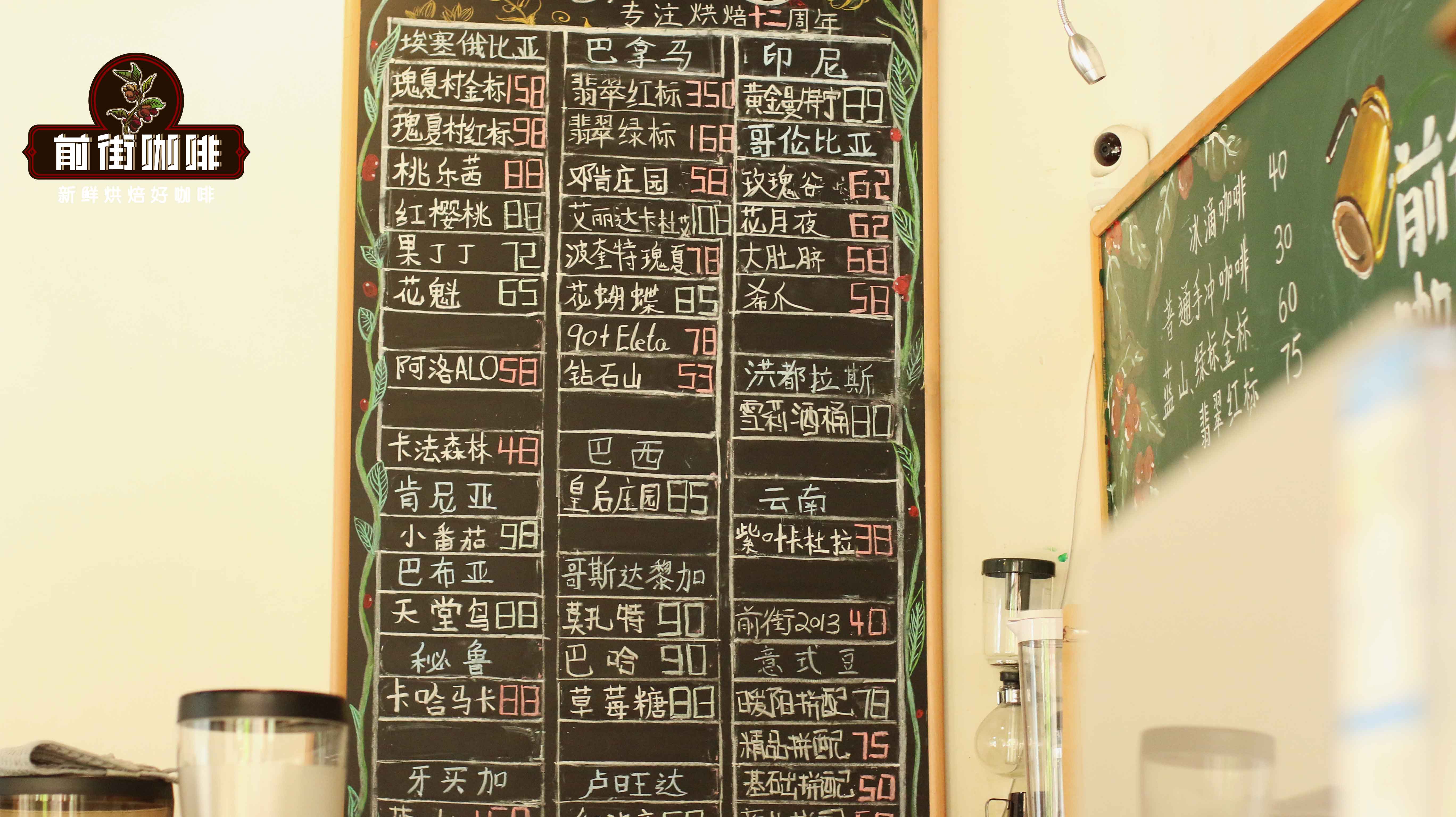
Blended Beans vs Single-Origin Beans | Why Is Espresso Mostly Made with Blended Coffee Beans? Which High-Quality Espresso Beans Should Beginners Start With to Avoid Pitfalls?
Blended coffee and pour-over single-origin coffee are the two most common industry terms, referring to different types of coffee beans. Blended coffee is a recipe that combines coffee beans from two or more origins, usually used for espresso machines, so in order to highlight the crema and body, medium or dark roasting is generally used, allowing [more…]
How to Choose Espresso Beans? Blend vs. SOE Differences, Yunnan Bean Extraction Parameters, and Latte-Making Ideas
What coffee beans should you choose for making espresso? This article analyzes it from two directions: blends and single origins. Blended beans are known for their stability and complementary flavors—Front Street Coffee's Classic Blend and Strawberry Candy Blend each have their own characteristics. SOE, on the other hand, focuses on amplifying the flavor distinctiveness of a single origin, but places higher demands on roast level and extraction parameters. The article also compiles a specific extraction recipe for Front Street Coffee's Natural Red Cherry SOE, including dose, yield, time, and brew ratio, for home coffee enthusiasts to reference. [more…]
Single-Origin Espresso vs. Blended Coffee: How to Choose? Recommended List of SOE Specialty Beans for Moka Pots
In the coffee world, the debate over whether SOE or blended coffee is better has always been a hot topic. SOE stands for Single Origin Espresso, which refers to espresso extracted from coffee beans of a single origin. Its biggest difference from blended beans lies in its more precise flavor direction, allowing people to intuitively experience the signature taste of a specific origin. However, SOE is also more demanding in terms of bean quality and roast level, especially when using a moka pot—one wrong choice of beans can easily lead to a disaster. This article will start with the concept of SOE, discuss whether making single-origin espresso with a moka pot actually counts as SOE, and focus on sharing several medium-to-dark roast SOE beans from Front Street Coffee that are suitable for moka pots, helping you find the cup that suits you best. [more…]
What coffee beans are used for Americano? A full breakdown of blends vs. SOE and iced vs. hot methods
Americano is made by diluting espresso with water, typically using dark-roasted Italian-style beans. Front Street Coffee uses a blend of single-origin beans from two regions to compensate for the low acidity of traditional Italian-style coffee and add layers of complexity. Many people ask: does an Americano have to use an Italian-style blend? What flavors would other beans bring? This article first explains the difference between blended beans and SOE, then compares three Front Street Coffee blends, offering three Americano options—one leaning acidic, one leaning full-bodied, and one leaning balanced—along with extraction parameters. Finally, it includes tasting steps for smelling the aroma, observing the color, and tasting, helping coffee lovers choose the right beans according to their taste and consistently make iced or hot Americanos at home. [more…]
Hand-brewed single-origin vs. espresso coffee beans: key differences, common single-origin bean types, and how to choose
What exactly is the difference between single-origin coffee and espresso? This article sorts through everything from definitions and roasting logic to brewing methods, helping you understand the concepts of single origin and single variety, and grasp the different demands that pour-over and espresso place on coffee beans. It also uses specific products such as Front Street Coffee's Fruit Ding Ding, Huakui, Golden Mandheling, and Blue Mountain No. 1 to explain how to choose single-origin beans based on flavor preferences like floral aroma, fruity acidity, full body, and balance; at the same time, in light of the high-temperature, high-pressure extraction characteristics of espresso machines, it explains why medium-dark roast blends are better suited for consistent output, and offers purchasing suggestions such as Front Street Coffee's Classic Blend, Black Cocoa, Huakui SOE, and Strawberry Candy Espresso, making it easy for coffee lovers to switch up flavors as they please. [more…]
Criteria for Judging Espresso Bean Quality | SOE Coffee Beans vs. Espresso Blend Beans: Which Is Better? What Specialty Espresso Coffee Beans Are Recommended for Opening a Coffee Shop?
First, espresso beans—obviously, these are the coffee beans used in espresso machines. In the past, this generally referred to blend beans, but not anymore. Nowadays, it's not just blend beans that can be used as espresso beans; single-origin coffee beans can also be used as espresso beans. Let's first take a look at what blend beans are. Blend beans are made by combining various [more…]

Espresso Beans | Blends vs. SOE Single-Origin for Espresso? Recommended Specialty Coffee Beans with Rich Crema for Home Espresso Machines
What are blended beans? They are made by mixing coffee beans from different countries or regions, and they generally appear in espresso. The counterpart to blending is single-origin coffee, also called SOE, which has a clear style when drunk, mostly dominated by fruity acidity. Italian-style blends, on the other hand, because they combine coffee from multiple places, [more…]
Espresso Beans vs. Regular Coffee Beans: Roasting Logic of Espresso-Specific Beans and Front Street Coffee Blend Recommendations
When selecting coffee beans, we often see "espresso beans" listed as a separate category, and this is actually closely tied to the extraction principles of espresso machines. High-temperature, pressurized extraction at 9 bars of pressure requires extremely fine coffee grounds and completes flavor release within just a few tens of seconds, which makes the roast level and blending approach of the beans different from other brewing methods. So, must espresso beans be roasted very dark? What advantages do blended beans and SOE single-origin beans each have? This article will explain the roasting logic and blending principles behind espresso-specific beans, and organize the flavor information of several classic espresso beans from Front Street Coffee, helping coffee lovers more clearly choose the bean that suits them. [more…]
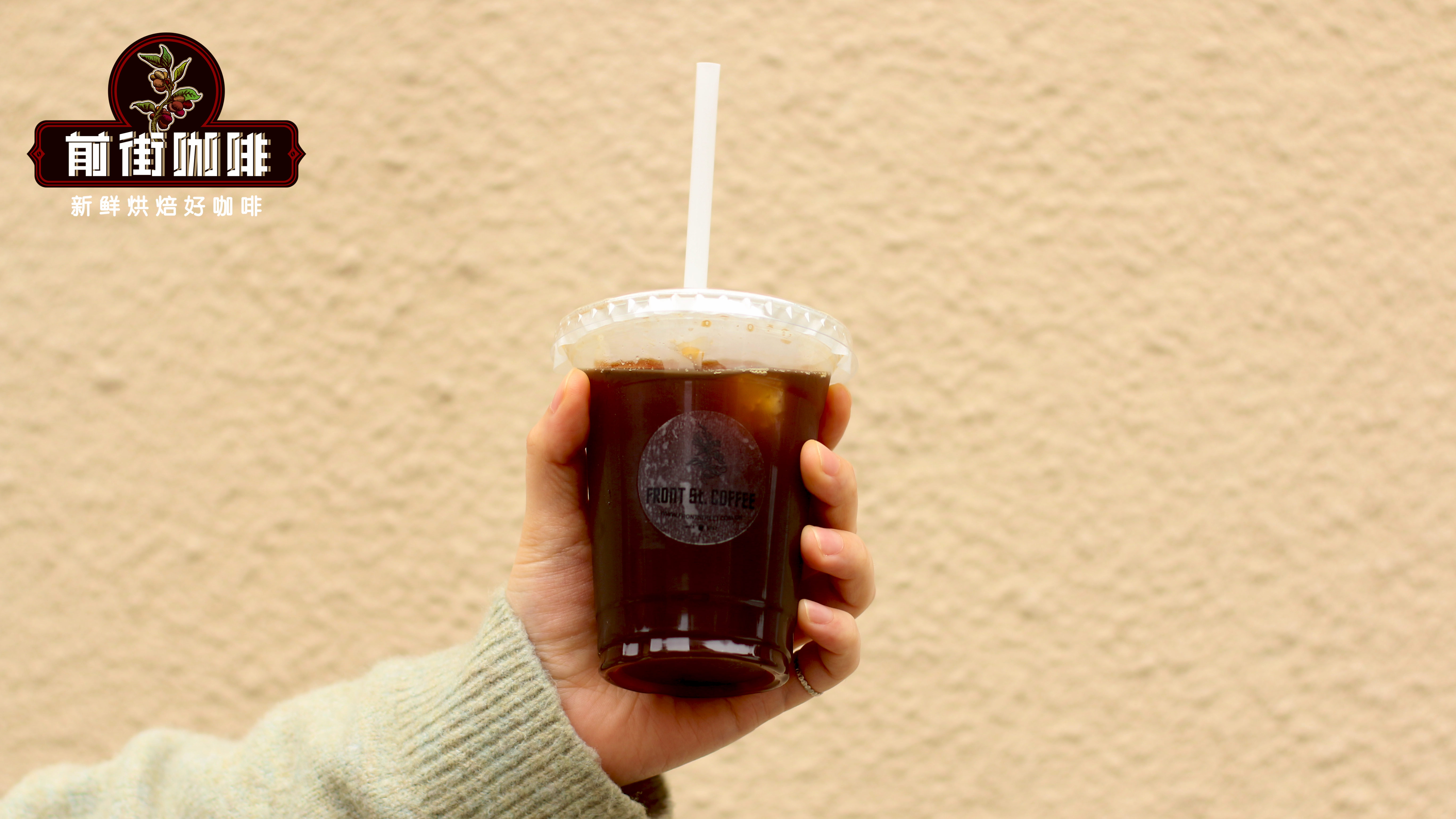
Iced Americano Coffee Brewing Guide: A Breakdown of Blend vs. Single-Origin Bean Choices and Extraction Techniques
As the weather gradually turns cooler, many regions remain hot, and iced Americano is still the top choice for many coffee lovers to beat the heat. Front Street Coffee's Americano is highly favored for its unique subtle wine-like aroma. This article will detail how to make iced Americano, explore the differences between using blended coffee beans and single-origin coffee beans (SOE), and share Front Street Coffee's espresso extraction parameters and iced Americano preparation steps. At the same time, the article will also provide practical tips for making SOE Americano, helping you easily make a cup of iced Americano with stable flavor and a refreshing taste at home. [more…]
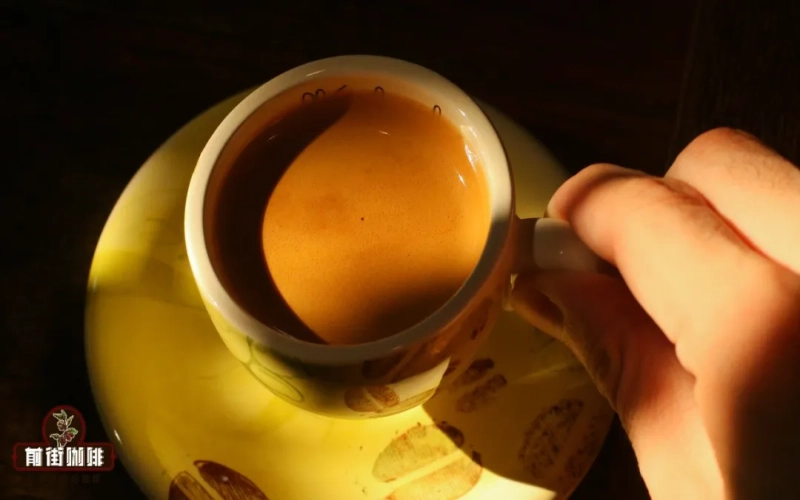
How to Choose Espresso Beans? An Analysis of Single-Origin vs. Blends and Front Street Coffee Recommendations
Step into a specialty coffee shop, and the beans on the menu usually fall into two major camps: single-origin and blended. What exactly is the difference between them? Single-origin emphasizes traceable regional flavors, while blends achieve balanced taste by mixing beans from different regions. This article will systematically sort out the differences between the two, from definitions and characteristics to suitable scenarios, and for espresso needs, recommend several products such as Front Street Coffee's Classic Blend, Specialty Blend, and Dark Cocoa Base Blend, helping coffee enthusiasts, while learning the knowledge, find beans suitable for making espresso and latte art at home. [more…]
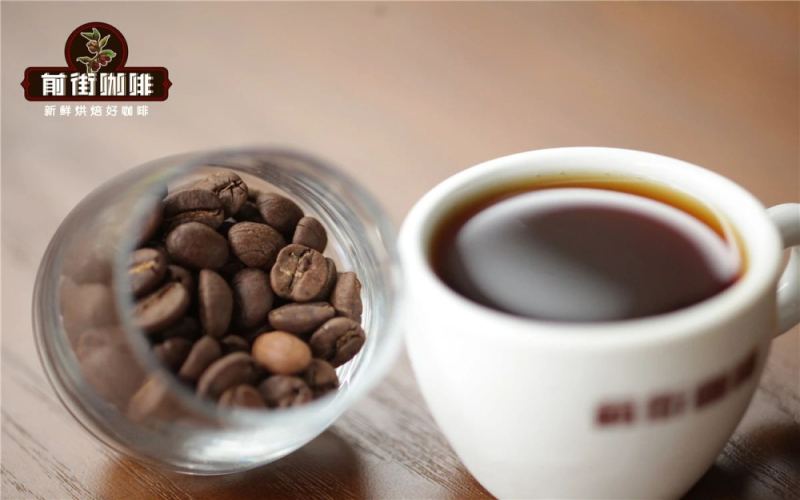
SOE Single-Origin Espresso vs. Espresso Blend Beans: Which Is Better? A Comprehensive Analysis from Definitions to Front Street Coffee Bean Selection Advice
Since the rise of specialty coffee in China, the debate over whether espresso should use single-origin beans or blended beans has never ceased. The SOE camp emphasizes the pure quality of single-origin specialty beans, while the blend camp values the balance and crema performance brought by blending multiple origins. This article will start with the full name and origin of SOE, review the historical milestone of James Hoffmann winning the 2007 WBC with single-origin beans, analyze why blended beans were once stigmatized, and explain the pros and cons of each. At the same time, drawing on the views of Front Street Coffee, it offers selection advice for coffee shops and home users, and finally includes specific flavor information for Front Street's recommended SOE coffee beans and three espresso blends, helping readers build a more complete understanding. [more…]
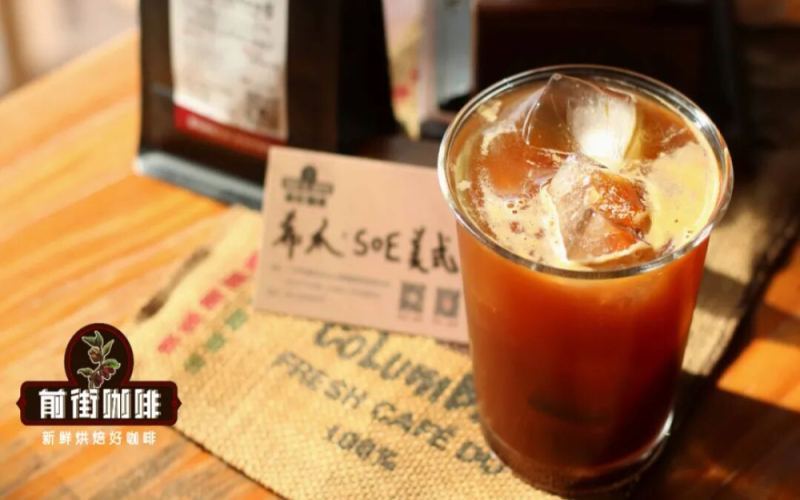
Why Is SOE Coffee Priced Higher? A Full Breakdown of Single-Origin Espresso vs. Blend Beans and Extraction Adjustments
When ordering an Americano or milk coffee at a café, you'll often encounter two choices: the default house blend and a pricier SOE. What exactly does SOE mean? What's the fundamental difference between it and an espresso blend? Why does switching to SOE cost extra? This article starts with the definition and history of SOE, explaining how it moved from atmospheric-pressure pour-over extraction into the realm of espresso, and analyzes its bean-selection logic and cost structure. It also draws on several Front Street single-origin beans to share practical tips on brew ratio, grind size, dose, and yield adjustment, helping you make smoother Americanos and lattes tailored to SOEs of different roast levels and flavor types. [more…]