







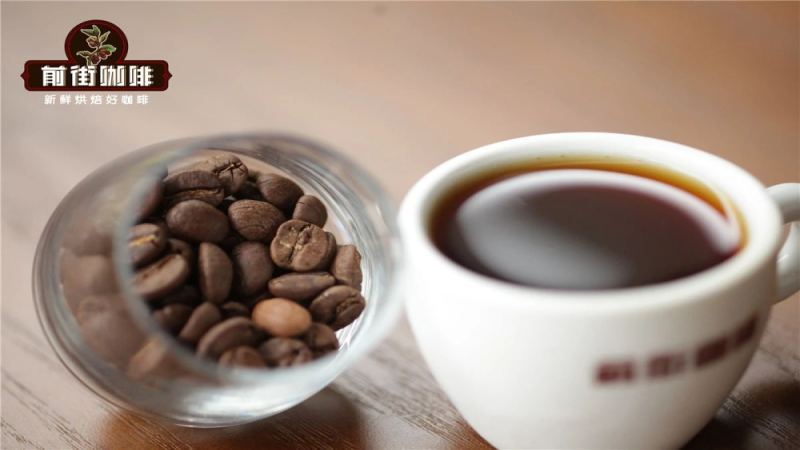
What is SOE coffee and how does it differ from a blend?
SOE stands for single-origin espresso: espresso pulled from one origin rather than a blend. Supporters say SOE coffee follows specialty single-origin standards, matching the beans used for pour-over, while blend supporters argue Italian-style blends deliver complex flavor and richer crema so milk and coffee integrate more smoothly.
The debate gained attention in 2007, when WBC champion James Hoffmann won using single-origin beans. Blends were once criticized as cheap beans dark-roasted to mask defects. The practical view is that quality depends on the whole supply chain, not only origin count, roast darkness, or flavor wording, so both SOE coffee beans and blends can work.
Since specialty coffee began to rise in China, the debate over whether espresso should use single-origin beans or blended beans has never ceased. The SOE camp emphasizes the pure quality of single-origin specialty beans, while the blend camp values the balance and crema performance brought by blending multiple origins. This article will start with the full name and origins of SOE, review the historic moment in 2007 when WBC champion James Hoffmann won using single-origin beans, analyze why blended beans were once labeled negatively, and explain the pros and cons of each. At the same time, combining the views of Front Street Coffee, it offers selection advice for coffee shops and home users, and finally includes specific flavor information for Front Street's recommended SOE coffee beans and three Italian-style blends, helping readers build a more complete understanding.
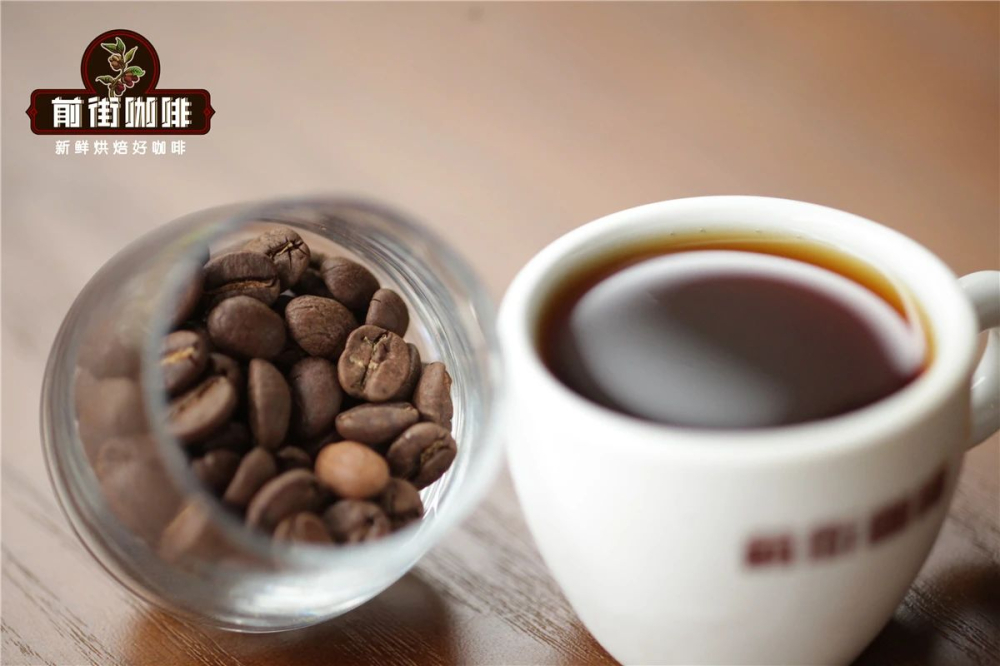
After specialty coffee culture gradually spread in China, a new point of controversy emerged in discussions about espresso: between espresso made from single-origin coffee beans and espresso made from a blend of multiple beans, which one is actually better?
The side supporting SOE believes that SOE coffee follows the path of single-origin specialty coffee beans, with quality standards consistent with the beans used for pour-over, whereas Italian-style blended beans often use cheap, ordinary-quality beans to cut costs, then are dark-roasted until black to mask defective flavors so consumers find it hard to notice.
Those on the blend side offer the opposite view: Italian-style beans are composed of multiple varieties, giving a complex and full flavor profile, unlike single-origin beans whose flavor tends to be one-dimensional; moreover, blended beans have richer crema, allowing milk and coffee to integrate more smoothly.
Over the years, many friends have come to ask Front Street Coffee (FrontStreet Coffee) what it thinks about this. Front Street's attitude is that judging specialty coffee cannot focus only on whether the beans come from a single origin, how dark the roast is, or whether the flavor description is fancy. Specialty coffee covers not just the coffee itself, but the complete picture presented by the entire supply chain surrounding coffee, including professional customer service.
Regardless of whether espresso uses single-origin beans or blended beans, as long as the entire supply process reflects professionalism and customers can feel that professionalism during consumption, then it is specialty coffee. Espresso made from single-origin beans is not necessarily delicious, nor is espresso made from blended beans left with only burnt bitterness. For every coffee to become a classic, there must be a group of people who know how to appreciate it.
What is SOE coffee?
The full name of SOE is Single Origin Espresso, which means single-origin espresso, referring to espresso extracted using coffee beans grown in only one origin.
The popularity of SOE coffee can be traced back to the 2007 World Barista Championship (WBC). That year's champion, James Hoffmann, used single-origin coffee beans to extract espresso and defeated all the competitors at the event who made espresso with blended beans. After that, the practice of making espresso with single-origin beans quickly entered the view of coffee lovers around the world, and SOE also became a fairly popular espresso extraction method in Europe and America at the time.
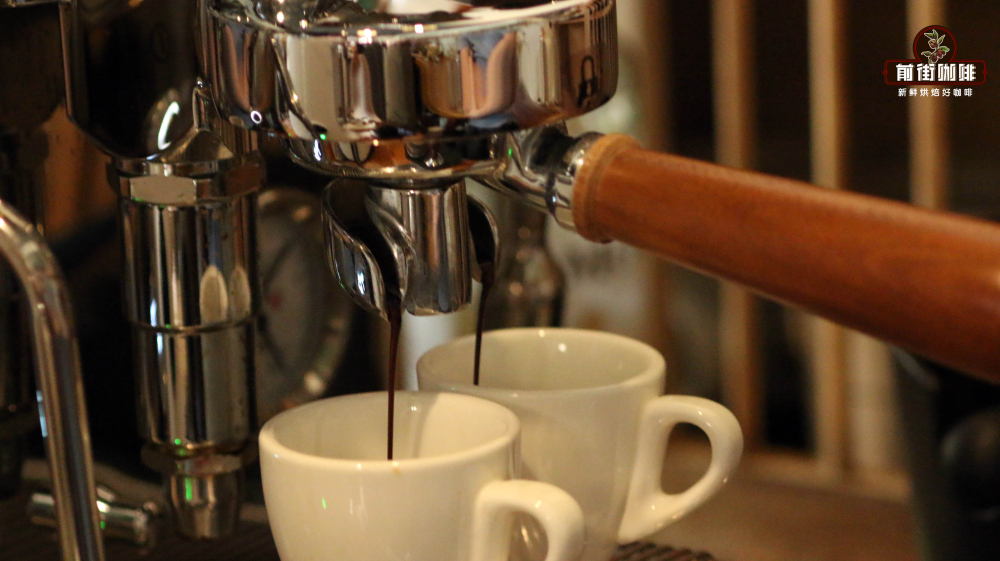
In China, SOE only became popular in recent years, because specialty coffee culture also only became widely popular in recent years, and additionally domestic chain coffee brands promoted SOE under the positioning of "specialty coffee," letting more people know the concept, but also leading many friends to directly equate SOE with specialty coffee.
Why are blended coffee beans disliked?
Because they are a mixture, they do not fit the public's image of "specialty." But you should know that blended beans appeared precisely because when beans from the same origin are used alone, under extremely fine grinding and pressurized extraction by the coffee machine, both the good and bad flavors in the coffee are amplified at the same time. So people thought of using the unique flavors of coffee beans from different origins to make up for each other's shortcomings, making the extracted coffee more balanced.
Another reason comes from an immature market environment. Some coffee shops, in order to keep operating, cut corners on bean quality. A milder approach is to choose cheaper specialty coffee beans for the blend; a more extreme one is to mix specialty beans with non-specialty beans and roast them very dark, which both suppresses defective flavors and makes the crema richer for easier latte art, while also lowering operating costs.
However, not all coffee shops are so unreliable. Nowadays most coffee shops use blended beans of good quality, with clean flavors, and the extracted coffee is not the burnt bitterness everyone imagines; more often it shows chocolate and nut notes, with a mellow mouthfeel that is pleasant to drink.
Front Street Coffee (FrontStreet Coffee) believes that a good blended coffee bean has much higher stability than single-origin beans. Because beans from different origins can compensate for each other's weaknesses, the taste of every cup of espresso can remain stable, while also reducing the impact of flavor fluctuations caused by annual climate and soil changes, or by differences in the beans' condition from day to day.
So for making espresso, is blend or single-origin recommended?
Coffee made from these two types of beans each has advantages and disadvantages. If it is a coffee shop, Front Street Coffee (FrontStreet Coffee) suggests making blended beans the main offering, and adding another grinder specifically for SOE grinding.
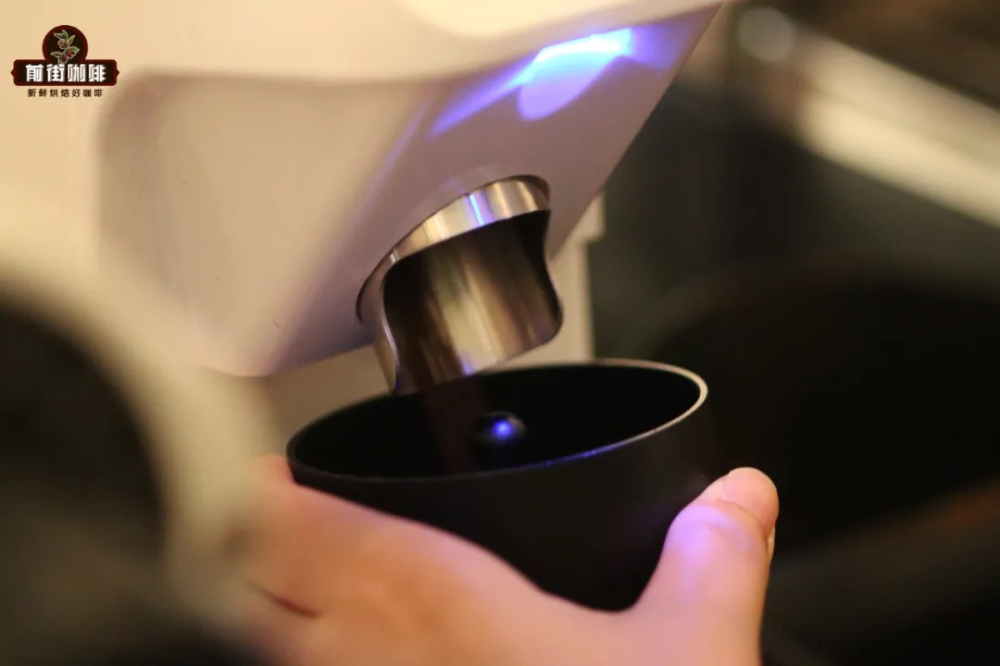
SOE emphasizes flavor expression, and in this case the espresso itself tends to be sour, which not all consumers can accept; blended espresso emphasizes mellowness and substance, and most consumers' understanding of coffee still remains at this flavor profile, so for Italian-style coffee it is still recommended to mainly promote blends.
SOE coffee bean recommendations
To make SOE, Front Street Coffee (FrontStreet Coffee) recommends using coffee beans with a medium roast or darker and soft or non-sour acidity.
For example, "Front Street - Costa Rica Mozart Coffee Beans," medium roast, the extracted espresso has delicate, light crema, pale yellow, with a raisiny aroma, and on the palate a rich sweet-and-sour sensation and fruity fermentation flavors.
Another example is "Front Street - Honduras Sherry Coffee Beans," medium roast, the extracted espresso has a creamy crema texture and golden color, with a whisky-like aroma, and when tasted it carries vanilla cream and nutty caramel flavors.
Italian-style blended coffee bean recommendations
Currently Front Street Coffee (FrontStreet Coffee) sells three Italian-style coffee beans, each aimed at different scenarios.
"Front Street Coffee (FrontStreet Coffee) - Specialty Blend Coffee Beans" is suitable for home brewing, specialty coffee shops, community coffee shops, and small coffee shops. It uses Colombian washed coffee beans (30%) plus Brazilian semi-washed coffee beans (70%), presenting flavors of nuts, dark chocolate, and caramel.
"Front Street Coffee (FrontStreet Coffee) - Commercial Blend Coffee Beans" is suitable for specialty coffee shops, community coffee shops, small coffee shops, and takeout/takeaway coffee shops. It uses washed Robusta coffee beans (10%) plus Colombian washed coffee beans (30%) plus Brazilian semi-washed coffee (60%), presenting flavors of nuts, cocoa, and caramel.
"Front Street Coffee (FrontStreet Coffee) - Italian-style coffee beans recommended by many baristas - Front Street Dark Cocoa Blend Coffee Beans" is suitable for small coffee shops, milk tea shops, and takeout/takeaway coffee shops. It uses Yunnan washed small-bean coffee (30%) plus Brazilian semi-washed coffee beans (70%), presenting flavors of soft fruity acidity, caramel, and nuts.
The above content is compiled by CoffeeHunters, a coffee news website.


