








What should beginners know about arabica before buying beans?
Arabica is the small-bean coffee usually treated as the quality standard, with lower caffeine than Robusta and a smoother, more aromatic cup. Varieties such as Typica, Geisha and Bourbon all sit under the broad Arabica category. Beginners who want a balanced espresso with layered aroma can start with pure arabica beans, then adjust the roast level and origin to match their taste.
Beyond the arabica and Robusta split, buying beans also means choosing between blends and single-origin options, including SOE beans, plus dark versus light roasts and checking roast dates before resting the beans. Common starter picks include a classic blend, Ethiopia Hualei, Brazil Queen's Estate and Indonesia Golden Mandheling, each offering a different flavor profile for espresso.
Friends who are new to coffee often feel overwhelmed by the dazzling array of coffee beans and confused by all the technical terms, not knowing where to start. In fact, choosing coffee beans isn't that complicated—as long as you grasp a few key points, you can find the one that suits you. This article addresses the five questions beginners encounter most often: how to distinguish Arabica from Robusta, how to choose between blends and single-origin beans (including SOE), the characteristics of dark roasts versus light roasts, the importance of roast dates and resting beans, and whether grinding is recommended. It also draws on specific products from the Front Street bean list—such as the classic blend, Ethiopia Hualei, Brazil Queen's Estate, and Indonesia Golden Mandheling—to provide flavor descriptions and buying advice, helping you avoid detours in the world of espresso.

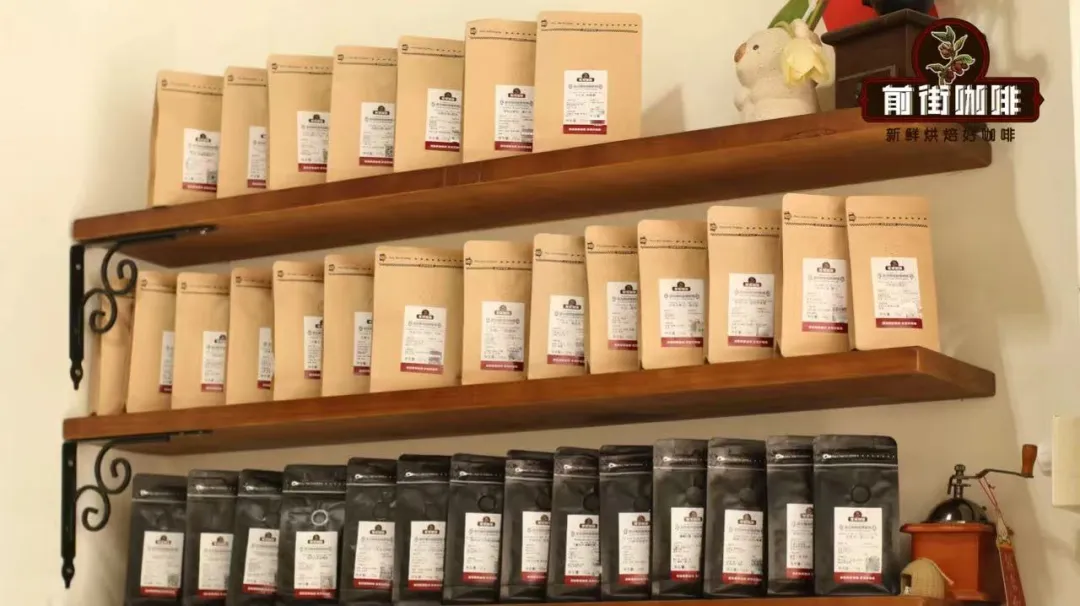
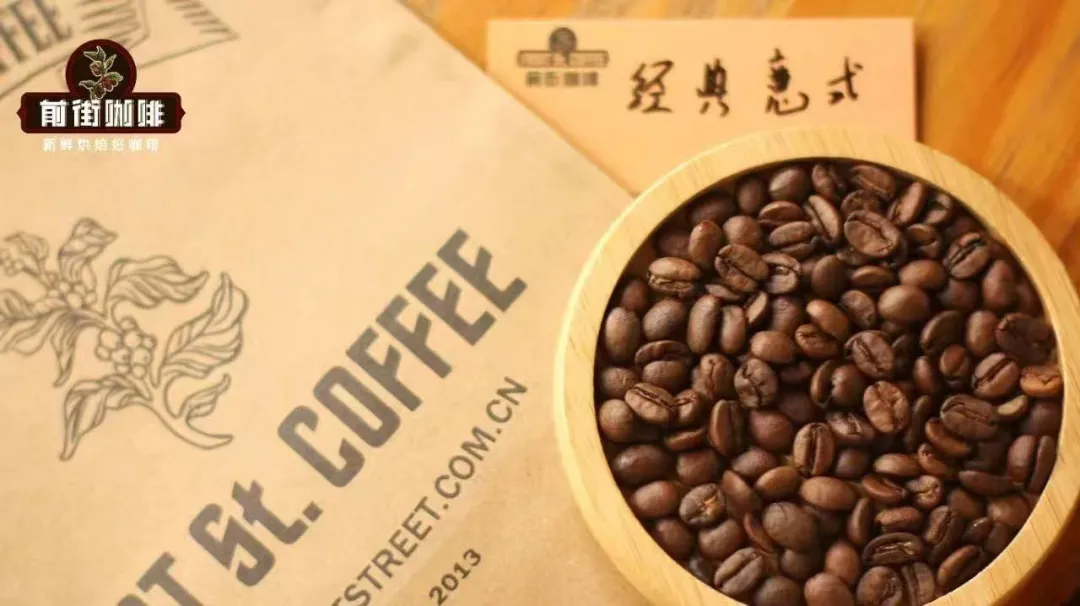
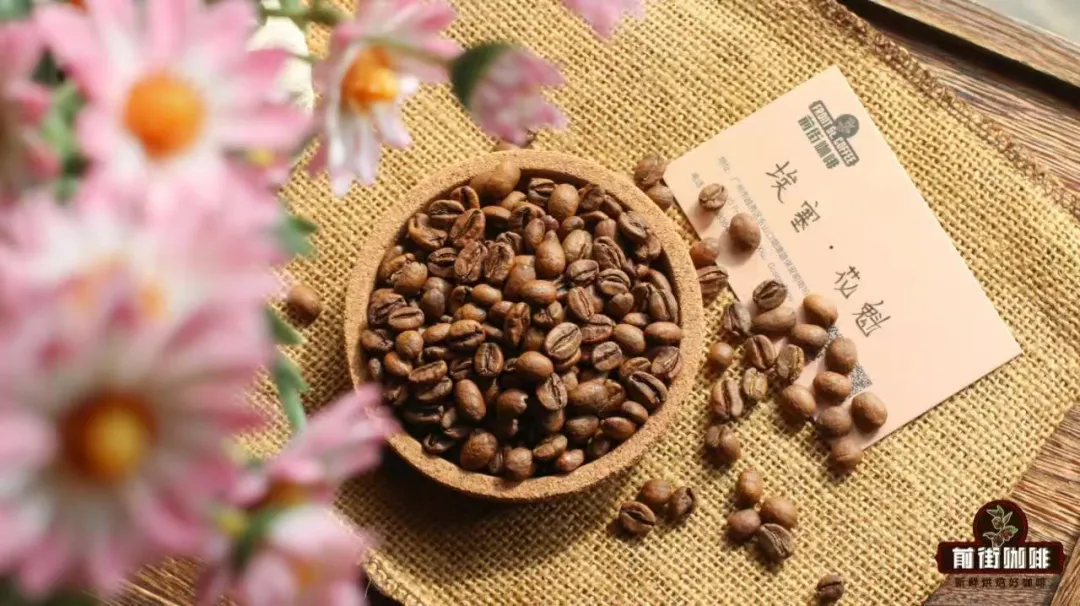
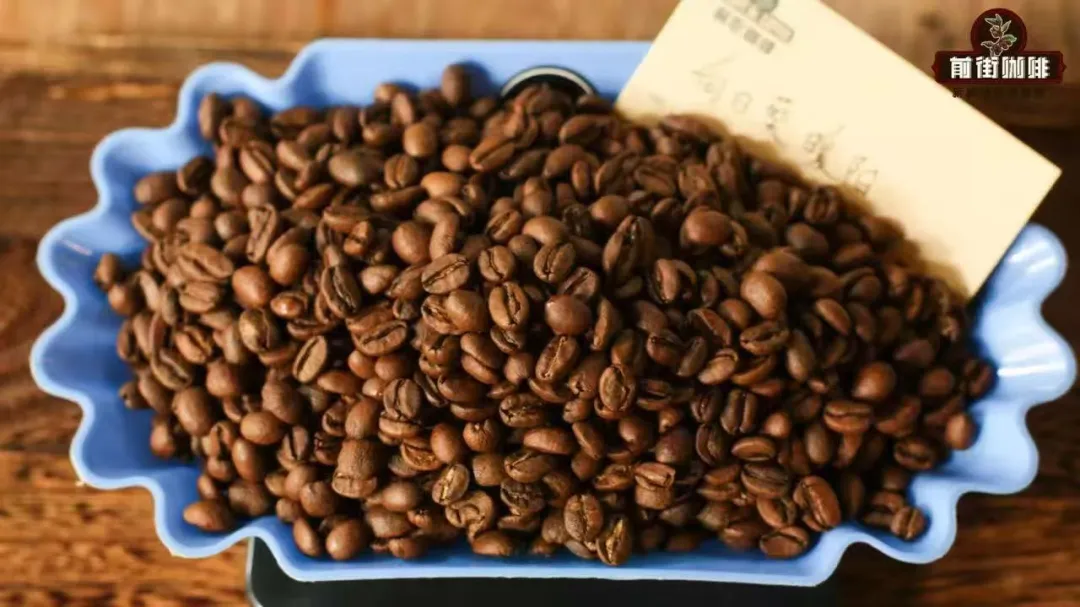
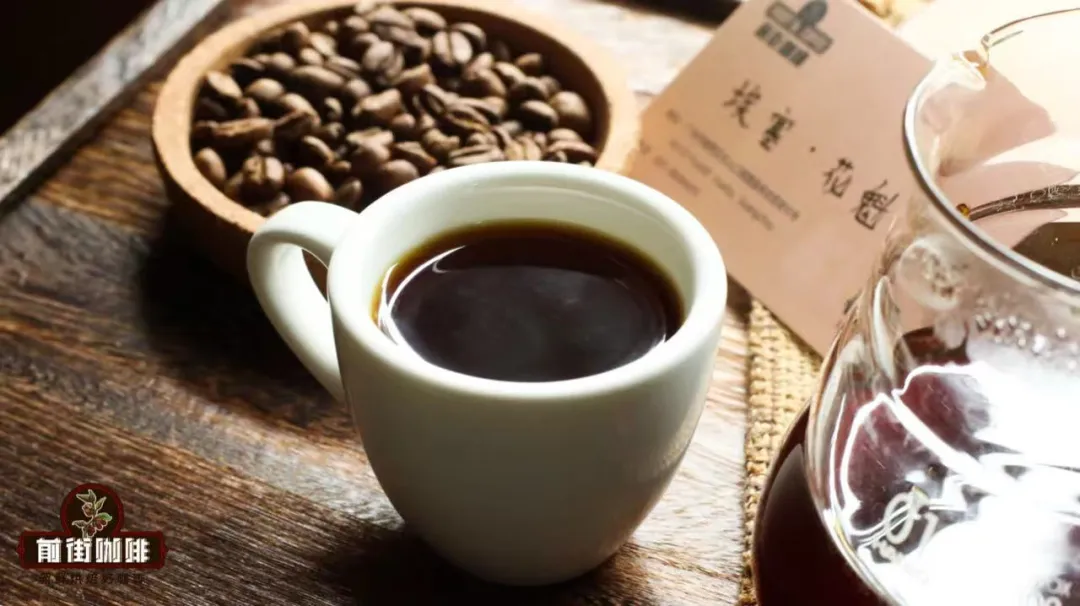
Many friends who are just stepping into the coffee world are still unfamiliar with all the jargon and often feel at a loss when facing rows of coffee beans on the shelf, unsure which bag to pick. Actually, choosing beans isn't as hard as it seems. With just a little groundwork on coffee bean basics, you can easily lock in the one that matches your taste. Below, Front Street will sort through the most common confusions beginners face when buying beans, hoping to help you make your choice with more confidence.
Arabica or Robusta?
The coffee beans circulating on the market today fall roughly into two major categories: Arabica and Robusta. The two differ noticeably in price, flavor expression, and characteristics, so friends often ask Front Street: "What exactly is the difference between these two varieties?" and "Which one should I buy?"
Arabica:
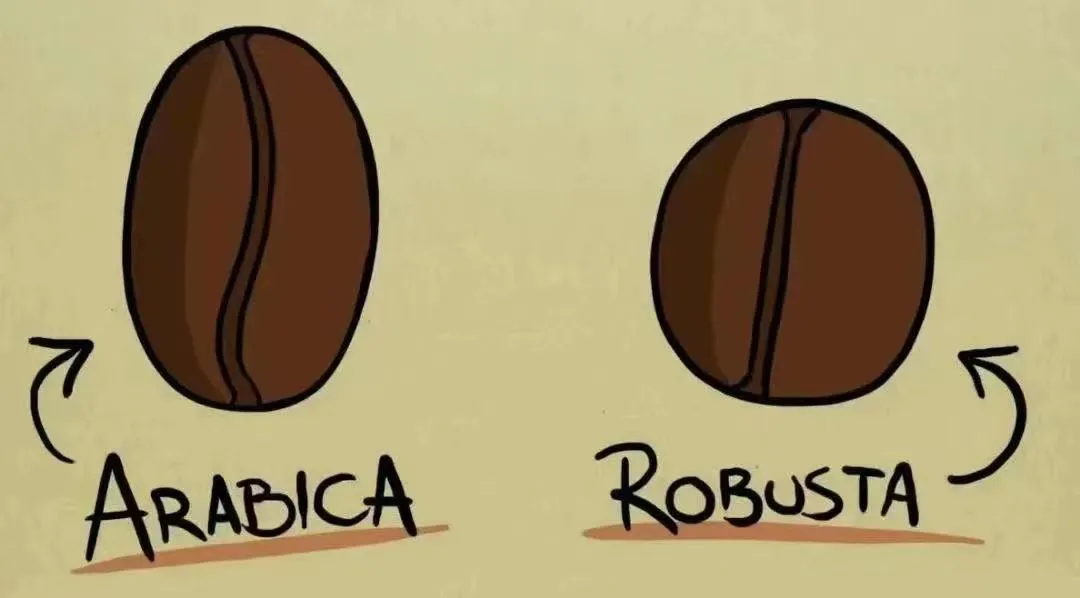
Arabica is what everyone commonly calls small-bean coffee, widely recognized as the representative of high-quality coffee. Typica, Geisha, Bourbon, and others are all sub-varieties under the broad Arabica category.
Compared with Robusta, Arabica has lower caffeine content and a more outstanding flavor profile. If you want a smooth cup with rich aromatic layers, choosing pure Arabica beans will basically never let you down.
(Arabica on the left, Robusta on the right)
Robusta:
Robusta, also called medium-bean coffee and nicknamed "Rob" for short, has a relatively thin flavor but higher caffeine content and a fairly aggressive mouthfeel. Because of this, Robusta is usually not used alone as a serving bean; instead, thanks to its low cost, it is widely used in the production of instant coffee and canned coffee.
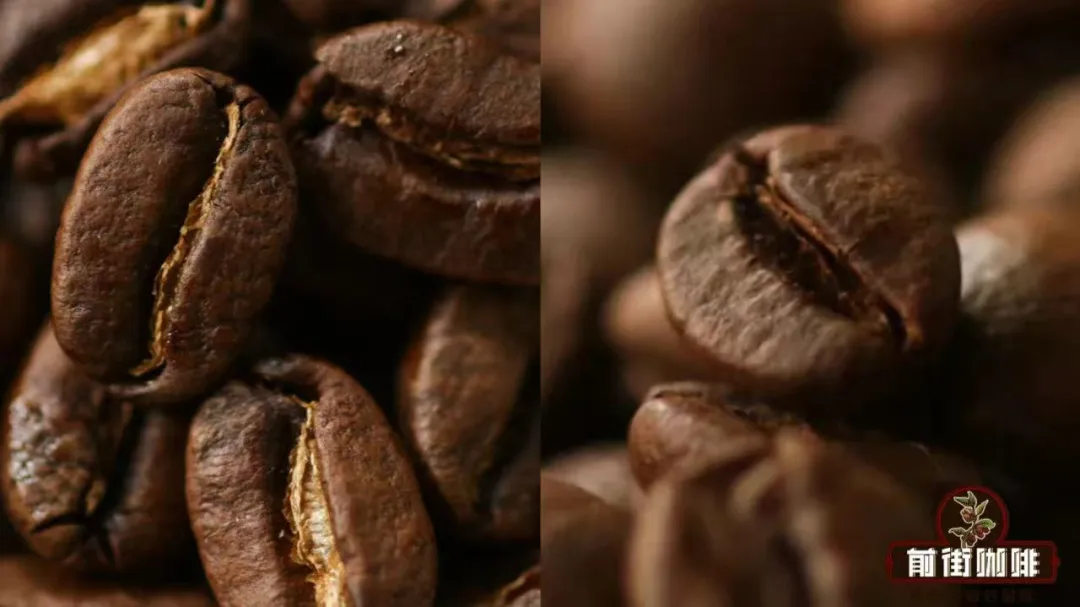
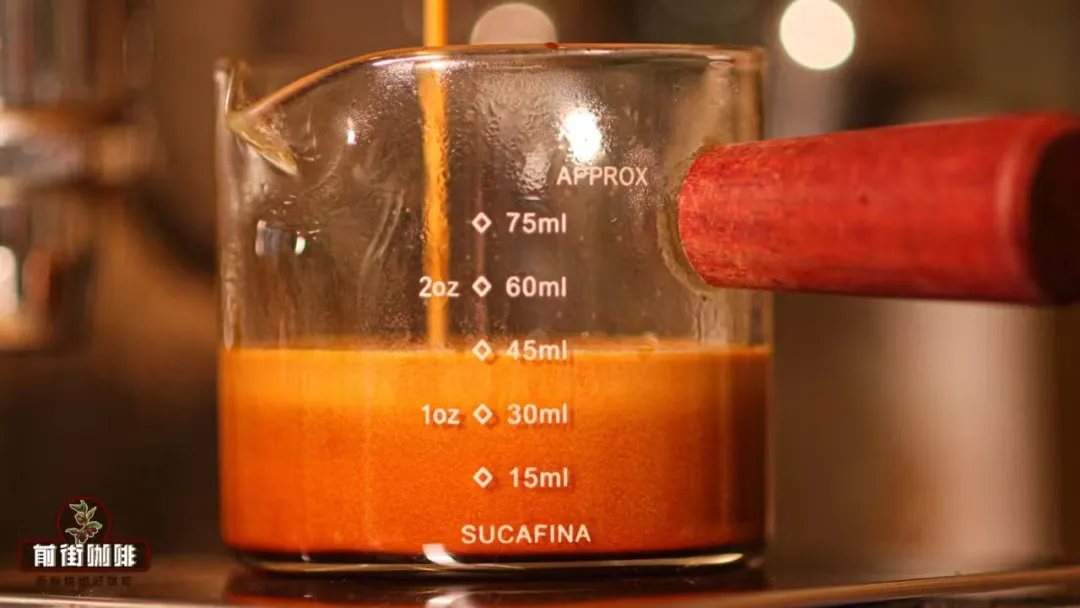
But Robusta isn't without its merits. It can give coffee a rich crema, so many merchants add a small amount of Robusta to their blend recipes—this doesn't affect the overall flavor while making the espresso's crema layer fuller.
In addition, a small amount of Robusta can make the coffee's taste more solid, enough to stand up to milk—even with a lot of milk added, the coffee flavor won't be easily overwhelmed. The Front Street Classic Blend on the Front Street bean list includes a small amount of Robusta. If you care about crema performance or prefer a rich, full-bodied milk coffee, a blend containing Robusta is worth considering.
How to choose between blended coffee beans and single-origin coffee beans?
Blend versus single-origin is the pair of options that causes the most agonizing when buying espresso beans—first because it's hard to tell the difference, and second because each has its own distinct strengths.
Single-origin coffee beans:
Single-origin coffee beans come from a single producing region—that is, beans grown in the same region or the same plot, packaged and sold together. Since they aren't mixed with beans from other regions, the biggest advantage of single-origin beans is that they fully express the unique flavor and character of their origin. Currently, single-origin is the mainstream bean used for pour-over coffee.
Espresso made from single-origin beans is called "SOE," short for Single Origin Espresso. SOE beans are usually roasted darker than single-origin beans used for pour-over, in order to suppress acidity and boost flavor intensity. That's why many merchants offer multiple roast levels when selling single-origin beans—for example, the Front Street Ethiopia Hualei on the Front Street bean list offers both a lighter pour-over roast and a darker SOE roast to choose from.
Blended coffee beans:
A blend is a mixture of two or more beans from different producing regions or processed in different ways. There are many purposes for blending—for instance, giving the beans a quality beyond their price range (high cost-performance), greater consistency, and more complex characteristics. In a word, it's about pursuing a 1+1>2 effect.
From this you can see that the two have completely different emphases. Single-origin beans emphasize traceability of origin and purity of flavor—if you want to taste the distinctive flavor of a certain place, single-origin beans are a very suitable choice. Blends place more value on cost-performance and overall performance—if you're after better value and richer layers, a blend is a good answer.
Should coffee beans be dark-roasted or light-roasted?
Next, let's talk about roast level. The core difference between dark-roasted and light-roasted beans lies in the direction of their taste, so how to choose depends mainly on personal preference.
Light-roasted coffee beans:
Light-roasted beans finish roasting in the early stages of the Maillard reaction and caramelization, so the beans retain abundant organic acids inside, and the taste is mainly acidic with very little bitterness. Because there's little bitterness to mask them, fresh flavors like floral and fruity notes stand out more. Light-roasted beans are suitable for black coffees like Americano and pour-over, and they really appeal to friends who like "sweet-and-sour" profiles and fresh flavors.
The Front Street Ethiopia Hualei mentioned earlier is a great example—the espresso extracted from it has soft acidity, with a clear citrus tartness alongside subtle cream and floral notes.
Dark-roasted coffee beans:
Dark-roasted beans, because the Maillard reaction and caramelization proceed more thoroughly, develop abundant chocolate, caramel, and nutty notes, with bitterness dominating on the palate. Although a little acidity remains, it's almost entirely suppressed by the bitterness. The darker the roast, the heavier the bitterness and the less the acidity. If you don't like acidity and prefer coffee that's full-bodied, richly aromatic, and has a lasting sweet finish, give dark-roasted beans a try.
Although there aren't as many dark-roast options as light roasts, each one is a classic. For example, the Front Street Brazil Queen's Estate on the Front Street bean list yields coffee with rich nut, cream, and chocolate flavors; and the Front Street Indonesia Golden Mandheling yields coffee with notes of pine, spice, and chocolate, with a strong sweet finish.
One reminder: if you're after crema, it's best to choose dark-roasted beans. Crema is affected by roast level and freshness—the darker and fresher the beans, the richer the crema extracted, and vice versa.
Should you check the roast date when buying coffee beans? Do coffee beans need resting?
Front Street has always recommended buying freshly roasted coffee beans—that is, ones roasted not long ago. Coffee's aroma changes with freshness, and to get the full flavor experience, it's best to brew with freshly roasted beans. However, when buying fresh beans, many friends ask: do they need resting?
If what you've bought are beans that just came out of the roaster, Front Street suggests resting them first. The abundant carbon dioxide in fresh beans hinders hot water extraction and affects extraction consistency, so the brewed coffee tends to taste not good enough—it may even have a harsh, throat-catching dryness, which is especially noticeable with espresso beans.
So when you buy freshly roasted coffee beans, it's best to rest them for a while. Resting for 4–7 days is enough; the specific duration depends on the roast level—the darker the roast, the more carbon dioxide, and the longer the resting time.
Is it recommended to grind coffee beans?
Finally, let's talk about whether to grind. As long as conditions allow, Front Street still recommends grinding your own, because only freshly ground coffee has the fullest aroma.
Once coffee beans are ground, their surface area increases and their structure is broken down, so the aroma volatilizes faster. So unless you don't have a grinder on hand or you're traveling, Front Street suggests grinding fresh and brewing fresh.
These are the five points to keep in mind when buying coffee beans. Beyond the choice of beans themselves, there are a few details worth noting when purchasing. For example, don't buy too much at once, or you may end up with a bag that's nearing the end of its peak-flavor window before it's even opened. After bringing them home, pay attention to storage—seal them as much as possible, and ideally keep them in a dry corner away from direct sunlight. Otherwise, the beans will deteriorate faster and their peak-flavor window will be greatly shortened.
Once you've mastered the above, if you want to go further in choosing beans, you can break it down by producing region, processing method, and variety. Front Street has already shared this content in previous articles—those interested can search for it.
- END -
The above content is compiled by CoffeeHunters, a coffee news website.


