







How do single-origin and espresso coffee beans differ?
Single-origin coffee usually means beans from one origin or country, often brewed as pour-over, while espresso beans are typically blends or single-variety lots roasted medium to dark for high-temperature, pressurized extraction. The roast level and bean choice follow the brew method: pour-over favors clarity and acidity, espresso favors consistency and body.
Roasting for espresso pushes development further so the shot holds up under 9 bars of pressure, while a lightly roasted single-origin keeps its floral and fruity notes in a filter brew. Blends like Front Street Classic Blend and Black Cocoa deliver steady output in espresso machines, and options such as Huakui SOE let drinkers rotate flavor without changing equipment.
What exactly is the difference between single-origin coffee and espresso? This article sorts through everything from definitions and roasting logic to brewing methods, helping you understand the concepts of single origin and single variety, and grasp the different requirements that pour-over and espresso place on coffee beans. It also uses specific products like Front Street Coffee's Fruit Ding Ding, Huakui, Golden Mandheling, and Blue Mountain No. 1 to explain how to choose single-origin beans based on flavor preferences such as floral notes, fruity acidity, richness, and balance. At the same time, in light of the high-temperature, pressurized extraction characteristics of espresso machines, it explains why medium-to-dark roast blended beans are more suitable for consistent output, and offers purchasing suggestions such as Front Street Classic Blend, Black Cocoa, Huakui SOE, and Strawberry Candy Espresso, making it easy for coffee lovers to switch up flavors as needed.
An introduction to the differences between Front Street Coffee's single-origin coffee beans and espresso beans
When it comes to traditional single-origin coffee, there are usually two ways of understanding it: one refers to coffee beans from a single origin, and the other refers to coffee beans of a single variety. Most single-origin coffees on the market belong to the former category, meaning they are limited to a certain origin or country. This is because many estates habitually plant different varieties together, making it quite difficult to separate them individually, especially in a coffee birthplace like Ethiopia, where the beans produced are not uniform in size to begin with. Single variety, on the other hand, places higher demands on estate management, and usually only premium estates can achieve it, so the price naturally rises accordingly. Therefore, in most contexts, single-origin coffee beans refer to single-origin beans, and the primary tasting method is pour-over.
The flavor spectrum of single-origin coffee is quite broad, so you can absolutely choose according to personal preference: if you favor floral and fruity notes, you can pick up Front Street Coffee Fruit Ding Ding, Front Street Coffee Huakui, and Front Street Coffee Little Tomato—all three are carefully selected single-origin coffees from African origins;
If you prefer a richer, low-acid, intense profile, Front Street PWN Golden Mandheling is the top choice, as it showcases the herbal and spice notes unique to Asian beans; for those seeking balance, Front Street Blue Mountain No. 1 and Front Street Bird of Paradise are recommended—the island-type climate gives them a world-class single-origin character, with acidity, sweetness, bitterness, and aroma all performing exceptionally well.
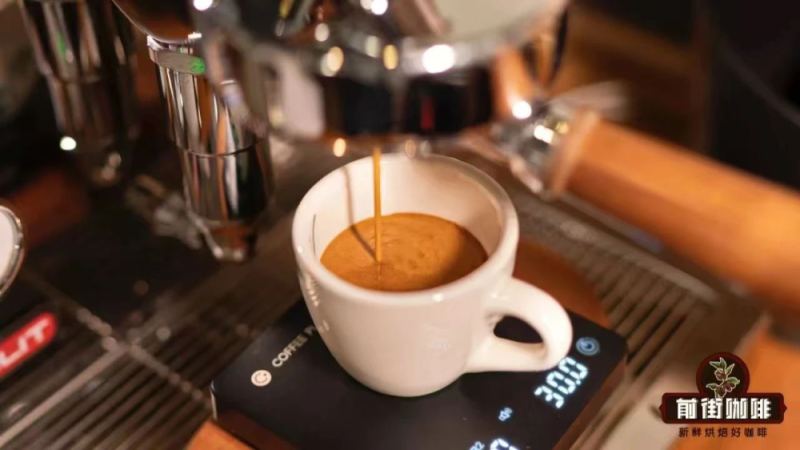
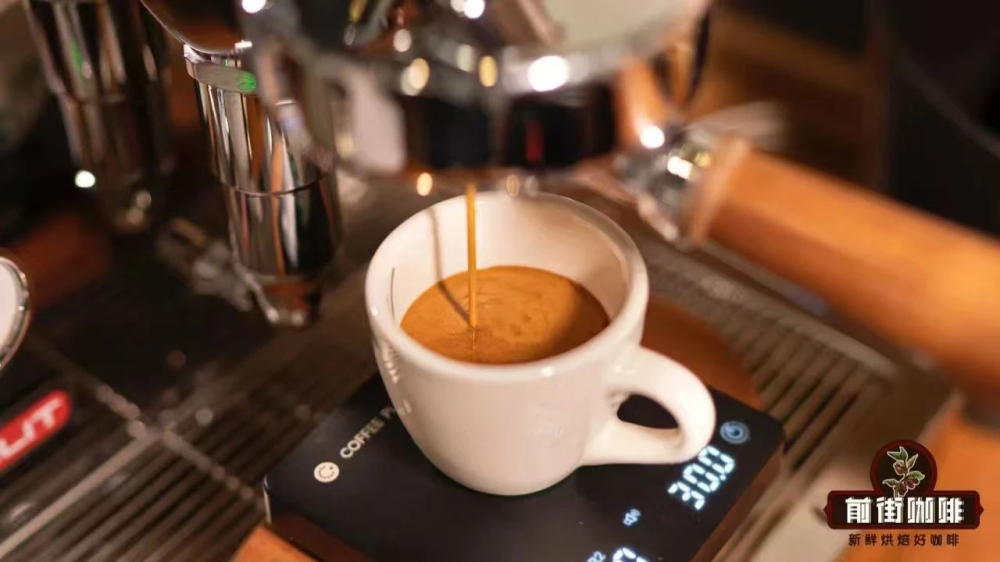
Espresso coffee originated in Italy, where locals invented steam-pressure extraction equipment, and the espresso made with such machines is what we call espresso. Using espresso as a base, adding milk, milk foam, or elements such as chocolate or ice cream to create combined fancy or creative beverages—these are collectively called espresso coffee. The core keywords inevitably include espresso machine, espresso, and espresso.
Espresso machines use pressurized high-temperature extraction, completing a shot in just a few dozen seconds, which requires the coffee grounds to be ground extremely fine. The beans' own flavors are amplified many times over, becoming intense and even pungent. For example, using lightly roasted fruity-acid beans to make espresso tends to produce a sour, astringent taste; switching to extremely dark roasted beans brings out burnt bitterness instead. To keep extraction stable, it is advisable to prioritize medium-to-dark roast blended beans specifically designed for espresso machines.
Beginners can try Front Street. Front Street Classic Blend and Front Street. Black Cocoa. These two are espresso beans recommended by many baristas, among which Front Street Black Cocoa Blend comes with rich crema and the aroma of toasted bread, making a latte that is rich and full-bodied with a lasting finish. For most cafés or individual enthusiasts with only one grinder, choosing beans that match the milk coffee with the largest output is often more crucial.
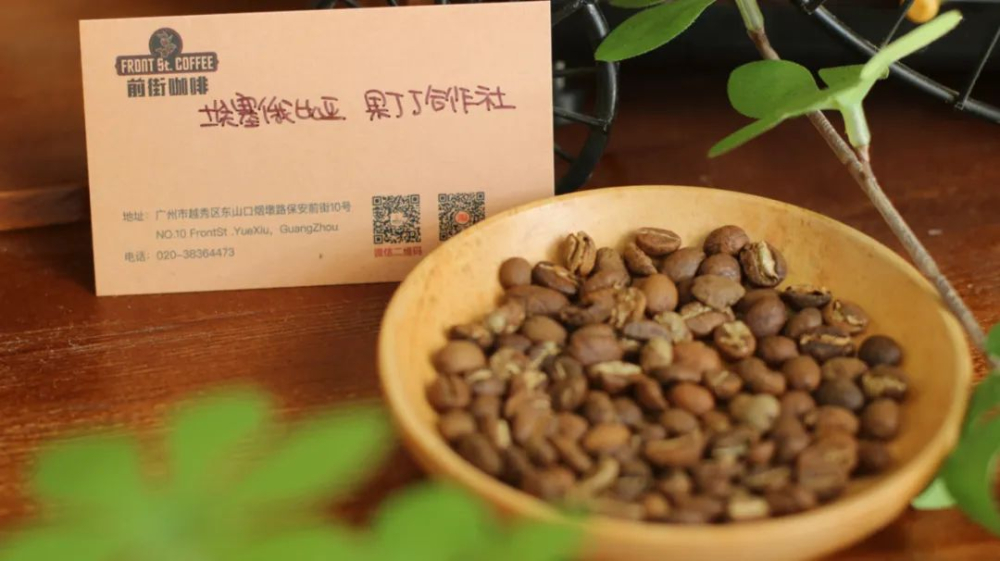
However, drinking the same beans with the same flavor for too long inevitably gets tiresome, and that's when you need to switch to beans with an opposite style for a change. If you like prominent floral and fruity notes, you can buy Front Street. Huakui SOE and Front Street. Strawberry Candy Espresso Blend, which easily bring out a creamy silkiness along with the aromas of berries and cocoa.
The above content is compiled by CoffeeHunters, a coffee news website.


