







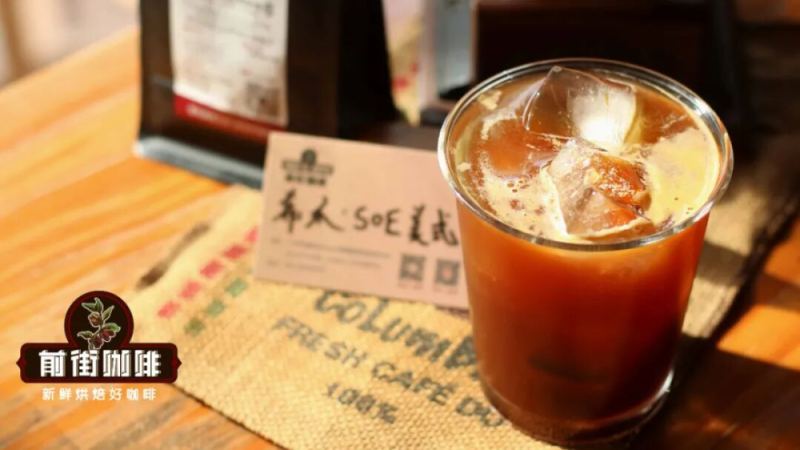
When ordering an americano or milk coffee at a café, you often encounter two choices: the default house blend and a SOE available for an extra charge. What exactly does SOE mean? How is it fundamentally different from an espresso blend? Why does switching to SOE cost extra? This article will start with the definition and history of SOE, explaining how it moved from atmospheric extraction methods like pour-over into the realm of espresso, and analyze its bean selection logic and cost structure. At the same time, drawing on several single-origin beans from Front Street Coffee, we'll share practical tips on brew ratio, grind size, dose, and yield adjustments to help you make smoother americanos and lattes tailored to SOEs of different roast levels and flavor profiles.
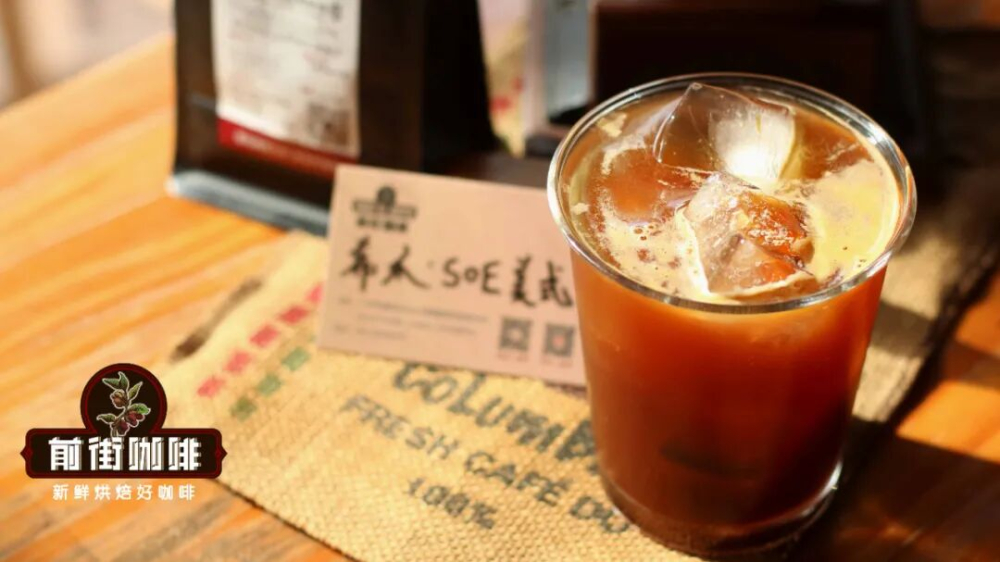
Walking into a café to order an americano or milk coffee, you'll often see two options on the menu: one is the default espresso blend, and the other is a SOE that requires an extra charge. Many people wonder: what makes this SOE worth more than a blend? Where exactly does the extra money go?
What Is SOE Coffee?
Both SOE and blends are concepts within the espresso coffee system. SOE (single origin espresso) refers to espresso extracted from coffee beans of a single origin, as opposed to House Blend Espresso.
In an era before acidic coffee became popular, cafés almost always used beans blended from two or more origins to make espresso. Back then, shops didn't bother to label where the beans came from, nor did they pay much attention to blend ratios. According to the mainstream taste of the time, the roast level was usually on the darker side, which not only made extraction more stable but also allowed the espresso to easily produce a beautiful crema and a rich, full-bodied mouthfeel. We recommend trying Front Street Coffee's classic espresso blend, which easily brings out a full coffee aroma during extraction.
In the 1980s, the concept of specialty coffee began to spread, and high-quality single-origin beans that emphasized regional flavors rose rapidly, becoming the focus of the coffee world and drawing the attention of roasters and baristas, who tried to uncover more nuanced flavors.
According to Front Street Coffee, single-origin coffees that highlight origin flavors were initially used only for atmospheric extraction methods like pour-over, siphon, and French press. It wasn't until the 2007 World Barista Championship, when competitor James Hoffmann made espresso from a single-origin coffee and won the championship, that SOE gradually gained popularity along with international competitions and the specialty coffee trend.
Today, not only are more and more cafés putting SOE on their menus, but SOE can also be found on major e-commerce platforms. These coffee beans often come with delicate flavor descriptions such as floral, fruity, tea-like, and fermented wine notes, along with detailed origin information. It's clear that SOE has become an indispensable product in the coffee market, and with the promotional push from major chain brands, single-origin espresso coffee has become even more deeply rooted in people's minds.
Why Does Switching to SOE Cost Extra? What Makes It Expensive?
As for the definition of SOE, E=Espresso is indisputable, but the interpretation of Single Origin has some flexibility. Theoretically, coffee beans from a certain country, region, cooperative, estate, or farm, harvested in the same batch, can all be considered single-origin coffee. For example, on the blackboard to the left of Front Street Coffee's bar, there are dozens of single-origin coffee beans from different origins, all of which can serve as SOE coffee beans.
But unlike blends, to make SOE stand out from traditional bitter coffee, businesses prioritize selecting single-origin beans with higher name recognition and more prominent flavors, especially light to medium roasts, because only then can personalized flavors be expressed through espresso—such as the citrus acidity of Front Street Coffee's Yirgacheffe, the berry notes of Front Street Coffee's Huakui, the sweetness of Front Street Coffee's honey-processed Geisha, the tomato aroma of Front Street Coffee's Kenya...
In short, the more distinctive the coffee, the easier it is for people to remember the characteristics of that SOE. From a cost perspective, higher-quality single-origin beans are inherently more expensive than regular blends, so an extra charge is naturally required.
How to Make Delicious SOE Coffee?
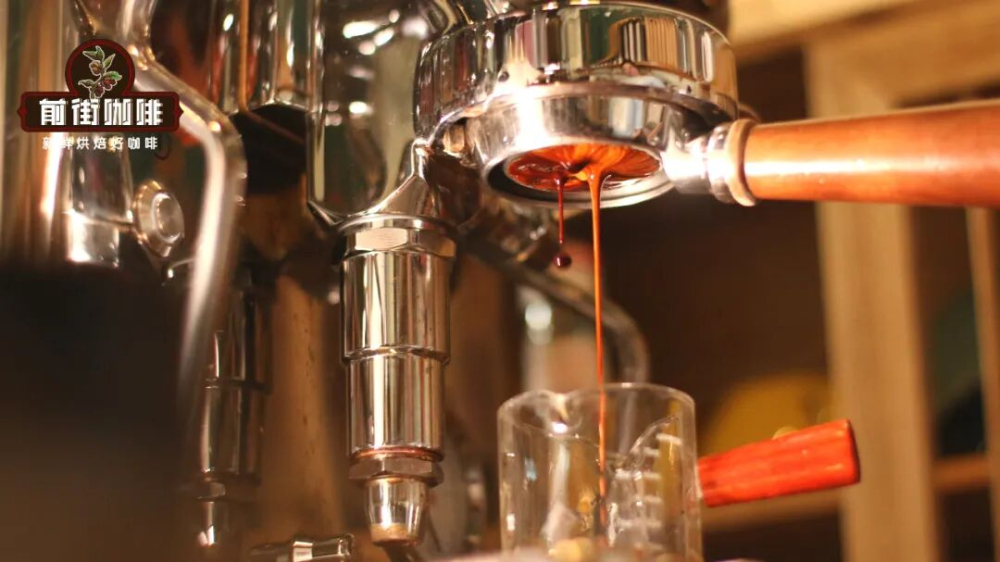
Actually, making delicious SOE isn't difficult. Just like dialing in espresso normally, the first step is still to apply the basic formula of a 1:2 brew ratio and control the time between 25 and 35 seconds, with the grind size depending on whether the flow rate falls within that time range.
For example, Front Street Coffee uses 20g of Huakui SOE coffee grounds to extract 40g of espresso (18g of coffee grounds corresponds to 36g of espresso). If the time is far less than 25 seconds, the grind is too coarse and needs to be finer; if the espresso finishes flowing in about 30 seconds, the grind size is basically appropriate and no further adjustment is needed.
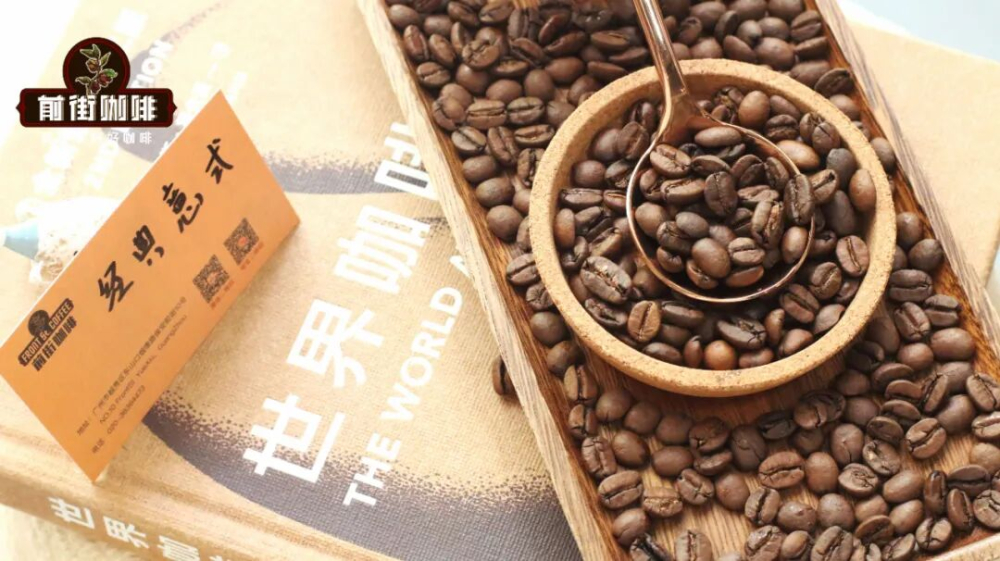
Since SOE is ultimately used to make fancy coffee drinks like americanos, lattes, and flat whites, after determining the espresso, we also need to make some minor adjustments to the extraction plan in advance based on the SOE's own flavor profile.
If you're using a medium or medium-light roast Ethiopian coffee bean with a fresh profile of floral notes, bright fruit acidity, and berry flavors, the resulting espresso often has thin or even no crema. In this case, you can compensate for the aromatic compounds in the coffee by increasing the dose by 0.3–0.5g. For example, Front Street Coffee uses 20.5g of Huakui SOE coffee grounds, extracting 40g of espresso in 31 seconds as the base. The resulting americano shows a refreshing sweet-and-sour taste, and the coffee concentration in a latte is also enhanced, allowing you to better appreciate the aroma of espresso combined with milk.
When we use single-origin beans with fruity notes and some fermented flavors to make SOE, the espresso naturally has a rich sweet-and-sour flavor. If you want the SOE americano to also present a rich aroma, consider increasing the espresso yield by 3–5g, which can make the coffee sweeter and the finish more lingering; if you're making an SOE latte and want to highlight the single-origin coffee's aroma, simply reduce the amount of milk—say, if you originally used 200g of fresh milk, you can adjust it to 160–180g.
The last common scenario is when using medium-dark roast single-origin beans, the SOE exhibits harsh flavors like tire, hay, smoke, and charcoal, indicating that the espresso has likely been over-extracted, which is why the resulting americano or latte is so hard to drink. The fix is simple: reduce the espresso yield by 3–5g to effectively remove the defective finish;
But if your coffee has a faint aroma, a short finish, and pronounced acidity, it means the SOE may be under-extracted. You'll need to slightly tighten the grind to extend the extraction time by 2–3 seconds, ensuring the coffee concentration is just right.
The above content is compiled by CoffeeHunters, a coffee news website.


