







Search Results for: single origin

What is the difference between single-origin coffee and pour-over coffee? A detailed explanation of the definition of single-origin beans and the core logic of pour-over brewing
Many people habitually equate single-origin coffee with pour-over coffee, assuming that single-origin means pour-over and pour-over means single-origin. But these two concepts actually point to completely different dimensions. Single-origin coffee refers to the source of the beans—coming from a single origin; pour-over coffee refers to the extraction method—using the technique of pouring water and filtering. So why does the general public conflate the two? This article starts from an everyday conversation at Front Street, first clarifying the definition of single-origin coffee beans, then explaining the essence of pour-over coffee, to help coffee enthusiasts build a clear cognitive framework. [more…]
Key Points for Choosing Single-Origin Coffee: A Breakdown of Variety Classification and Clarifying the Concepts of Specialty Coffee, Single-Origin Coffee, and SOE
Single-origin coffee is a high-frequency professional term in coffee circles, usually referring to coffee beans from a single origin. The label will indicate information such as the growing region, altitude, processing method, and variety, helping drinkers perceive the flavor characteristics more clearly. Specialty coffee, on the other hand, emphasizes the positive aromas and "taste of place" formed under unique microclimates and geographical conditions. As consumers gain a deeper understanding of origin information, producers invest more energy in the source of specialty coffee, and thus single-origin beans that emphasize a single origin emerged. This article will outline the common extraction methods for single-origin coffee, the relationship between SOE and blended beans, the impact of roasting and freshness on flavor, and the approach to parameter adjustment when making SOE at home, while retaining Front Street Coffee's bean selection and shipping suggestions. [more…]
An Analysis of the Similarities and Differences Between SOE and Single-Origin Coffee: The Specialty Trend from Single Origin to Espresso
In recent years, SOE (Single Origin Espresso) has attracted increasing attention in the specialty coffee scene. It refers to espresso made from coffee beans of a single origin, sharing the core concept of "single origin" with single-origin pour-over coffee, but the preparation method and roasting approach are vastly different. Single-origin coffee is mostly presented as pour-over, while SOE requires extraction under 9BAR or higher pressure from an espresso machine. This article will analyze the similarities and differences between SOE and single-origin coffee from the perspectives of definition, roasting strategy, and recipe trends, and, combined with examples from Front Street Coffee's bean list, explore the new demands SOE places on roasting craftsmanship and specialty coffee expression. [more…]
What Is SOE Single-Origin Espresso? Flavor Performance and Bean Selection Tips for Making Espresso with Yirgacheffe Single-Origin Beans
In the specialty coffee world, pour-over usually uses single-origin beans, while espresso mostly uses blends. But can single-origin beans be used to make espresso? The answer is yes—this practice is called SOE (Single Origin Espresso). Because the high-pressure extraction of an espresso machine amplifies the flavor characteristics of the coffee beans, SOE can both highlight origin personality and easily expose flaws. In this article, Front Street Coffee will systematically explain the definition of SOE, its differences from blends and pour-over single-origin beans, key points of roasting and extraction, and recommend coffee beans suitable for making SOE, such as Yirgacheffe Natural Red Cherry, along with specific extraction parameters and flavor descriptions. [more…]
What Exactly Does Single-Origin Coffee Mean? Clarifying the Differences and Similarities Between Single-Origin and Specialty Coffee, and the Flavor Characteristics of Major Producing Regions
Single-origin coffee refers to coffee made by grinding and brewing beans from a single origin and a single variety, usually without adding creamer. Its flavor is distinctly individual, and it is more worthy of savoring slowly than fancy coffee drinks. It overlaps with, yet differs from, the concept of specialty coffee: specialty coffee emphasizes the exceptional quality that reflects the terroir of a specific region, while single-origin coffee focuses on the purity of the bean source. This article will systematically outline the definition of single-origin coffee and introduce one by one the origins and taste characteristics of classic single-origin beans such as Blue Mountain, Mocha, Mandheling, Colombia, Brazil, and Kilimanjaro, helping coffee enthusiasts build a clear cognitive framework. Front Street Coffee will also provide purchasing references for beginners in this article. [more…]
What is the difference between single-origin, SOE, and blended coffee beans? A comprehensive interpretation from roast level to suitable scenarios.
Many coffee lovers often find themselves confused by the concepts of single-origin, SOE, and blends when buying coffee beans, unsure how to choose based on their equipment and taste preferences. Starting from definitions, this article will clarify the essential differences among the three one by one: single-origin beans emphasize the complete expression of regional flavors and are suited to brewing methods such as pour-over; SOE is espresso made from single-origin beans, with specific requirements for roast level; blends achieve a balance of flavor and mouthfeel through combining multiple origins, and are the primary choice for Italian-style coffee. The article will also incorporate specific products from the Front Street Coffee brand to help you make clearer judgments when purchasing. [more…]
What is single-origin coffee? From the concept of growing regions to roasting and brewing, understanding the core differences between single-origin and blended coffee
On coffee shop menus, the term "single-origin coffee" is appearing more and more often, but do you really understand it? Many people assume that choosing coffee beans from a certain country makes it single-origin, but true single-origin coffee emphasizes a specific producing region—that is, the very source of a cup of coffee. It stands in sharp contrast to blended coffee—the latter is made by roasters mixing beans from different origins in pursuit of a balanced flavor, while single-origin focuses on presenting the unique character of one producing region. However, today the flavor of single-origin coffee also incorporates the roaster's personal style, and is no longer entirely equivalent to the original taste of the producing region. This article will help you sort out the definition of single-origin coffee, the distinction between it and the specialty coffee classification, and explore how roast level and brewing method affect the final flavor in the cup, helping you have more direction the next time you order. [more…]
What is the difference between single-origin coffee beans and blended coffee beans? Which single-origin coffee beans are suitable for a moka pot?
What exactly is the difference between single-origin coffee beans and blended coffee beans? Simply put, single-origin beans come from a single origin or estate and carry a distinctive regional flavor; while traditional espresso mostly uses dark-roasted blended beans, pursuing richness and intensity. When single-origin beans are used for espresso extraction, they are called SOE. Moka pots and espresso machines both use high-temperature, high-pressure extraction, making bean selection especially critical. This article will sort out the core differences between single-origin and blended beans, and recommend three Front Street medium-to-dark roasted single-origin beans suitable for a moka pot, covering Brazil Queen's Estate, PWN Golden Mandheling, and Colombia Strawberry Claw, helping you easily make a cup of moka pot coffee with aromatic crema at home. [more…]
How Exactly Do You Tell Espresso and Single-Origin Coffee Apart? A Clear Explanation from Bean Types to Extraction Methods
Coffee enthusiasts often ask, what exactly is the difference between espresso and single-origin coffee? At first glance, these two concepts seem clearly distinct, but upon closer examination, you'll find that the boundary between them is actually much blurrier than you'd imagine. This article will start with the basic concepts and gradually analyze whether single-origin coffee beans can be used to make espresso, under what circumstances espresso can be classified as single-origin coffee, and where the core distinction between the two truly lies. If you've ever been confused by these two terms when ordering or brewing at home, why not follow Front Street Coffee and sort through the ideas together. [more…]
How to Choose Between Single-Origin, SOE, and Espresso Blend Coffee Beans? A Full Breakdown of Uses, Roasting, and Flavor Differences
Many coffee enthusiasts encounter a common confusion when selecting beans: what exactly is the difference between single-origin, SOE, and espresso blends? What scenarios does each suit? In fact, single-origin coffee beans emphasize traceable regional flavors, SOE is espresso made from single-origin beans, and blends are more like a creative combination that can both complement strengths and weaknesses and create entirely new flavors. From the perspective of Front Street, this article breaks down in detail the differences among the three in terms of definition, roasting logic, and practical uses, helping you more clearly understand the positioning of each type of bean and avoid falling into the misconception that "SOE is necessarily more premium than blends." [more…]
How is SOE different from espresso blends and pour-over single-origin coffees? A comprehensive analysis from flavor stability to extraction parameters
In recent years, the specialty coffee trend has driven the popularity of SOE, and many coffee enthusiasts are curious about how it differs from pour-over single-origin and traditional espresso blends. From the perspective of Front Street Coffee, this article first clarifies the definitions and roasting differences between single-origin coffee and SOE, then explains why SOE flavors tend to fluctuate and why Front Street has long favored blends and single-origin coffees, and finally provides specific brewing parameters and flavor descriptions for the sun-dried Huakui SOE and Front Street's classic blend, helping you judge whether SOE americano is actually good and how to make it at home without messing it up. [more…]
A Complete Guide to SOE (Single Origin Espresso): Differences from Blended Beans, the Feasibility of Using Single Origin Beans for Espresso, and Front Street Coffee Bean Recommendations
When you walk into a café to order, you're often asked by the barista, "Would you like SOE or a blend?" Many people are baffled the first time they hear this term. SOE stands for Single Origin Espresso, referring to espresso extracted from coffee beans of a single origin. It gradually entered the public eye after James Hoffmann won the 2007 World Barista Championship, and in China it only really took off after specialty coffee became widespread. Unlike blended beans, which pursue stability and balance, SOE places more emphasis on the distinctiveness of regional flavors, but it demands higher standards for bean quality, roasting technique, and the barista's understanding. In this article, Front Street Coffee will systematically sort out the definition of SOE, the background of its rise, its differences from blended espresso, and recommend three single-origin coffee beans suitable for making SOE. [more…]
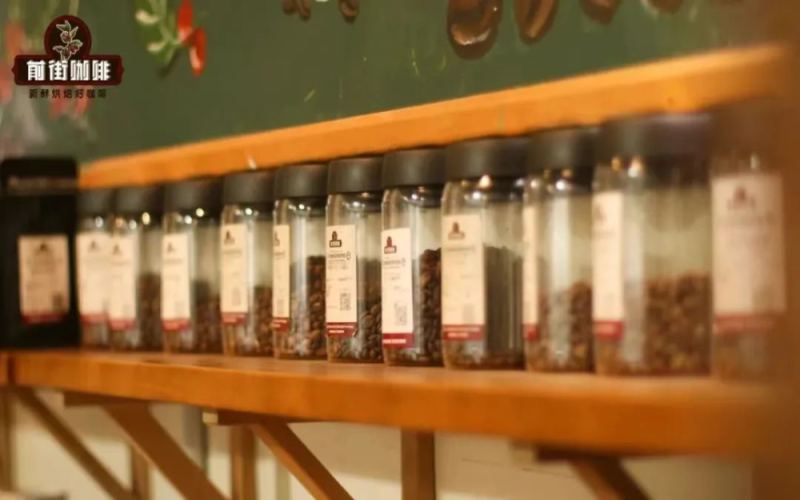
Can Espresso Beans Be Brewed as Pour-Over? A Full Analysis of the Differences Between Single-Origin and Blend Beans
Front Street often receives questions like these: Can dark-roasted espresso beans be used for pour-over? What exactly is the difference between single-origin beans and blended beans? In fact, the extraction method determines a coffee bean's positioning and roasting direction. Single-origin beans emphasize a clear expression of regional flavors and are mostly light-roasted; espresso beans are mainly blends, roasted on the darker side, pursuing stability and richness. The two also differ noticeably in grinding, parameters, and sales specifications. This article, from Front Street's perspective, will sort out the core differences between single-origin beans and espresso beans, and answer the adjustment ideas to note when using espresso beans for pour-over. [more…]
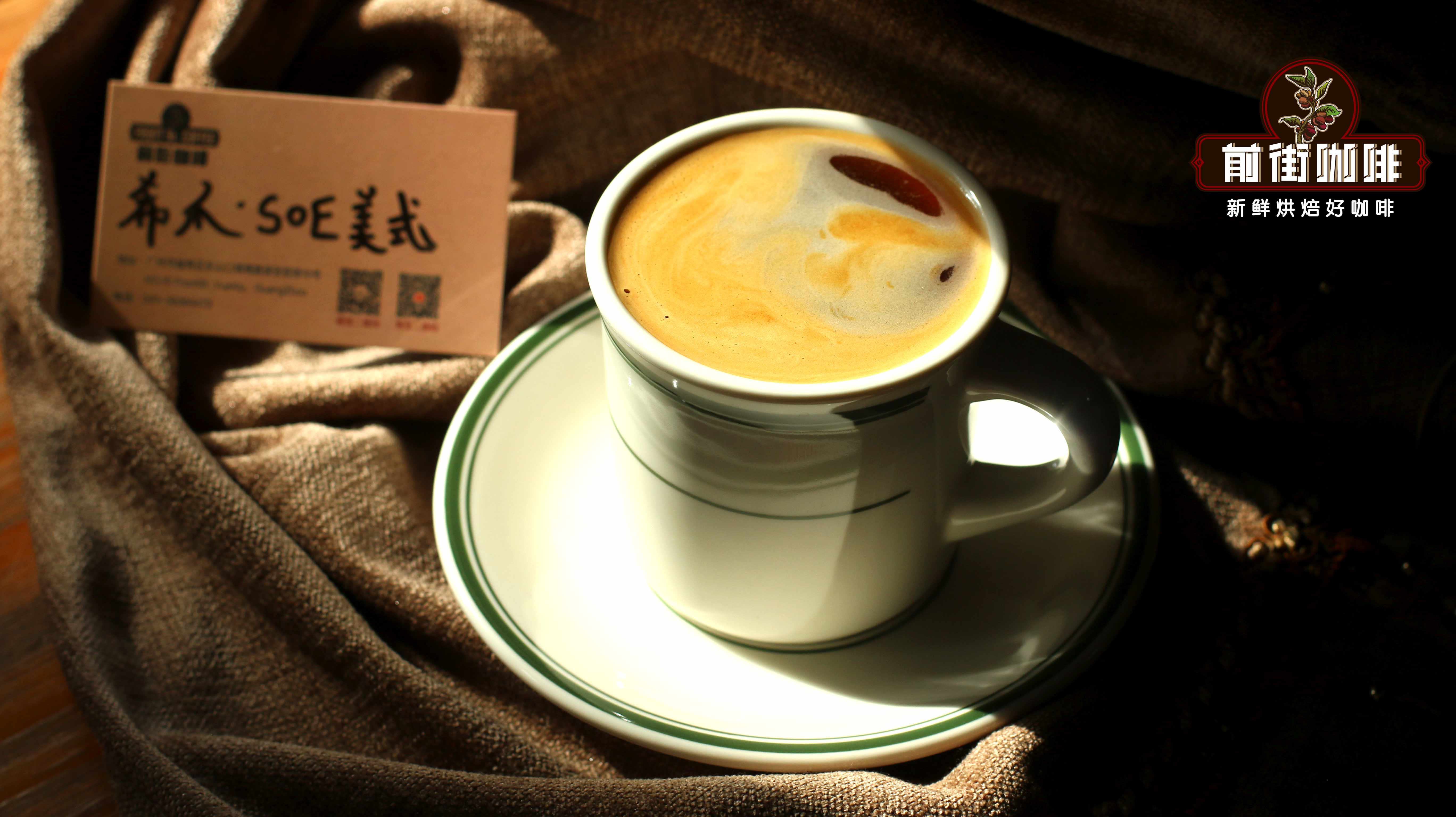
SOE Single-Origin Espresso Explained: Definition, Differences from Single-Origin Beans, and Extraction Parameter Guide
SOE is the abbreviation of "Single Origin Espresso," referring to espresso made from coffee beans of a single origin. It vividly showcases the regional flavors of a specific producing area, yet it differs significantly from pour-over single-origin beans in terms of roast level and extraction method. This article will start from the definition, historical background, advantages, and disadvantages of SOE, sort out the differences between SOE coffee beans and ordinary single-origin beans in roasting and extraction, and take Front Street Ethiopia Red Cherry coffee beans as an example to provide specific SOE and pour-over parameters and flavor comparisons, helping coffee enthusiasts understand this increasingly common form of Italian coffee more systematically. [more…]
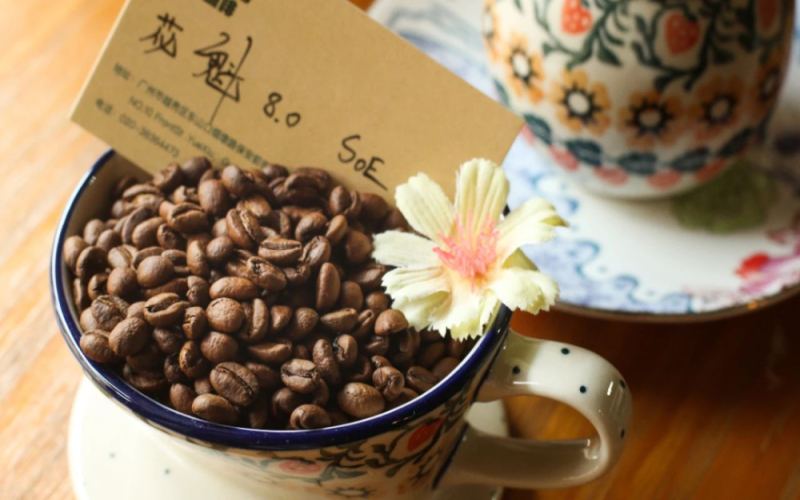
SOE Single-Origin Espresso | Which pour-over single-origin beans are suitable for making SOE coffee? What are the differences between single-origin pour-over and single-origin espresso?
SOE is one of the most popular products in today's specialty coffee shops and coffee chains. It is an espresso extracted from single-origin (single-origin) coffee beans. Its characteristic is that even at a very high concentration, the coffee liquid can still express the unique flavor profile of the coffee's origin. [more…]
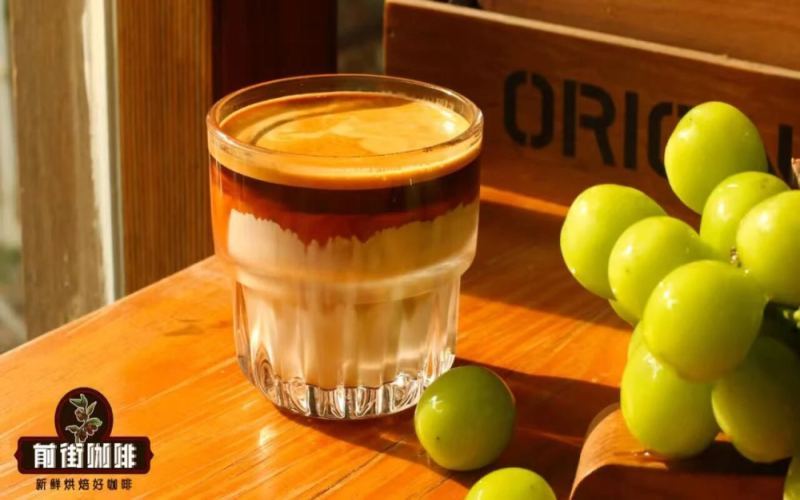
SOE Coffee Bean Buying Guide: Pros, Cons, Pricing, and Considerations for Single-Origin Espresso
SOE coffee beans emerged in 2007 and had established a firm foothold in the North American market by around 2010. Today, more and more cafés feature them as their seasonal highlight. SOE, or Single Origin Espresso, refers to espresso extracted under high pressure from a single-origin coffee bean using an espresso machine. It is not some mysterious formula—essentially, it simply swaps a blend for a single-origin bean—but the resulting differences in flavor expression, consistency, and price are worth every coffee lover's serious attention. This article will explore the concept, common misconceptions, and key points for bean selection, while also recommending several distinctive, niche SOE beans from Front Street Coffee to help you make a more suitable choice based on your personal taste preferences. [more…]
Hand-brewed single-origin vs. espresso coffee beans: key differences, common single-origin bean types, and how to choose
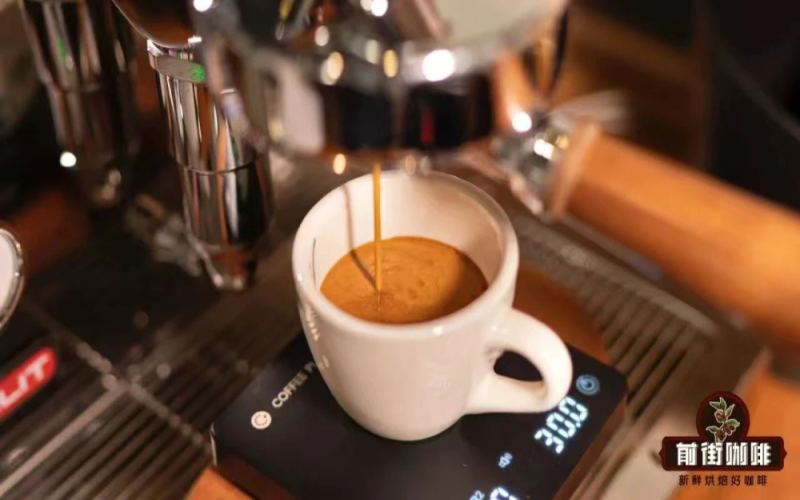
What exactly is the difference between single-origin coffee and espresso? This article sorts through everything from definitions and roasting logic to brewing methods, helping you understand the concepts of single origin and single variety, and grasp the different demands that pour-over and espresso place on coffee beans. It also uses specific products such as Front Street Coffee's Fruit Ding Ding, Huakui, Golden Mandheling, and Blue Mountain No. 1 to explain how to choose single-origin beans based on flavor preferences like floral aroma, fruity acidity, full body, and balance; at the same time, in light of the high-temperature, high-pressure extraction characteristics of espresso machines, it explains why medium-dark roast blends are better suited for consistent output, and offers purchasing suggestions such as Front Street Coffee's Classic Blend, Black Cocoa, Huakui SOE, and Strawberry Candy Espresso, making it easy for coffee lovers to switch up flavors as they please. [more…]

SOE Espresso Beginner's Guide: Flavor Characteristics of Single-Origin Espresso and the Yirgacheffe Red Cherry Case Study
In the specialty coffee world, pour-over usually uses single-origin beans, while espresso mostly uses blends. So can single-origin beans be used to make espresso? The answer is yes—this form is called SOE (Single Origin Espresso). In this article, Front Street Coffee will guide you through the definition of SOE, its flavor characteristics, the differences between SOE and blends as well as pour-over single-origin beans, and analyze why SOE output consistency is difficult to control. At the same time, Front Street will also share ideas for choosing coffee beans suitable for making SOE, and use Ethiopia Yirgacheffe Natural Red Cherry as an example to provide specific extraction parameters and flavor descriptions, helping you understand this unique coffee category more comprehensively. [more…]

Single-Origin, Specialty, and Blended Coffee Beans: A Full Guide from Origin Traceability and SCA Scores to Espresso Blends
Single-origin, specialty, and blended coffee beans differ in their conceptual levels, quality standards, and brewing methods. Single-origin coffee emphasizes the traceability of a single origin or even a single estate, allowing drinkers to clearly understand where the flavors in their cup come from; specialty coffee, building on single-origin, adds the SCA scoring threshold, with certification granted only at 80 points or above, and microclimates and soil and water conditions are indispensable. Blended coffee, meanwhile, involves the roaster combining beans from different origins, pursuing balance and consistency in flavor while also reducing costs. This article systematically sorts out the definitional boundaries and characteristic differences of the three, and, in conjunction with Front Street Coffee's specific products, helps coffee enthusiasts build a clear cognitive framework. [more…]
What Is SOE Espresso? How Is It Different from Pour-Over Single-Origin Beans? Understanding Single-Origin Espresso in One Article
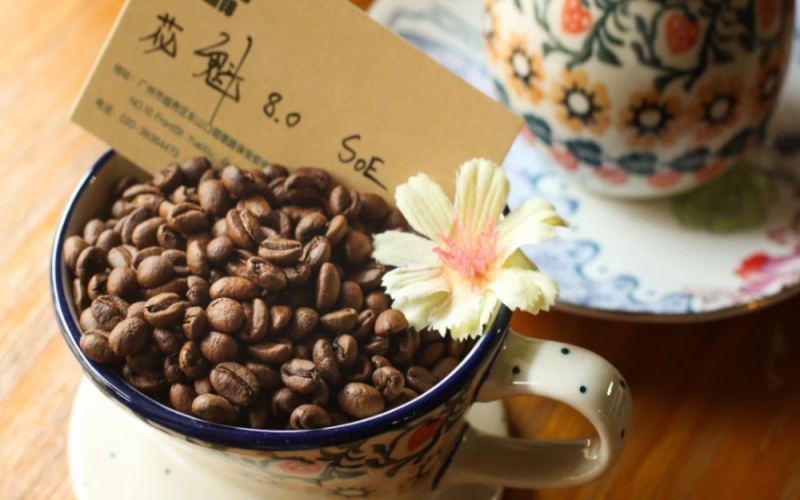
In recent years, SOE espresso has become increasingly common in the specialty coffee scene, yet many people remain confused about its full name, its definition, and its relationship to single-origin beans used for pour-over. SOE is short for Single Origin Espresso, referring to espresso made from a single origin. It is not synonymous with specialty coffee, but the high-pressure extraction of an espresso machine makes the flavors of the origin more pronounced. However, a single origin also means that flaws can easily be magnified, so bean selection, roasting, and grinding all require particular care. From the perspective of Front Street Coffee, this article sorts through the origins of the SOE concept, its differences from espresso blends, recommendations for coffee beans suitable for SOE, and shares specific extraction parameters and production considerations, giving you a comprehensive understanding of this trend. [more…]