







How Do Single-Origin, SOE and Blended Coffee Beans Differ?
Single-origin beans come from one place, whether a country, region, estate or plot, and are roasted to show that origin's flavor, usually medium to light. SOE means a single-origin bean pulled as espresso, which calls for specific roasting. Blended coffee beans combine several origins to build balance in flavor and body, and they are the usual base for espresso.
Roast level drives the choice as much as origin does. Classic single-origin coffees such as Blue Mountain and Golden Mandheling follow a darker roast path, while most single-origin lots sit at medium, medium-light or lighter. For pour-over, single origins let the origin speak; for espresso, blends or carefully roasted SOE beans tend to work better.
Many coffee lovers, when buying coffee beans, are often confused by the concepts of single origin, SOE, and blends, unsure how to choose according to their equipment and taste. This article starts from definitions and explains the essential differences among the three one by one: single origin beans emphasize the complete expression of origin flavor and are suitable for pour-over and other extraction methods; SOE is espresso made from single origin beans, with specific roasting requirements; blend beans achieve balance in flavor and mouthfeel through combining multiple origins, and are the main choice for espresso. The article also combines specific products from Front Street Coffee to help you make a clearer judgment when purchasing.
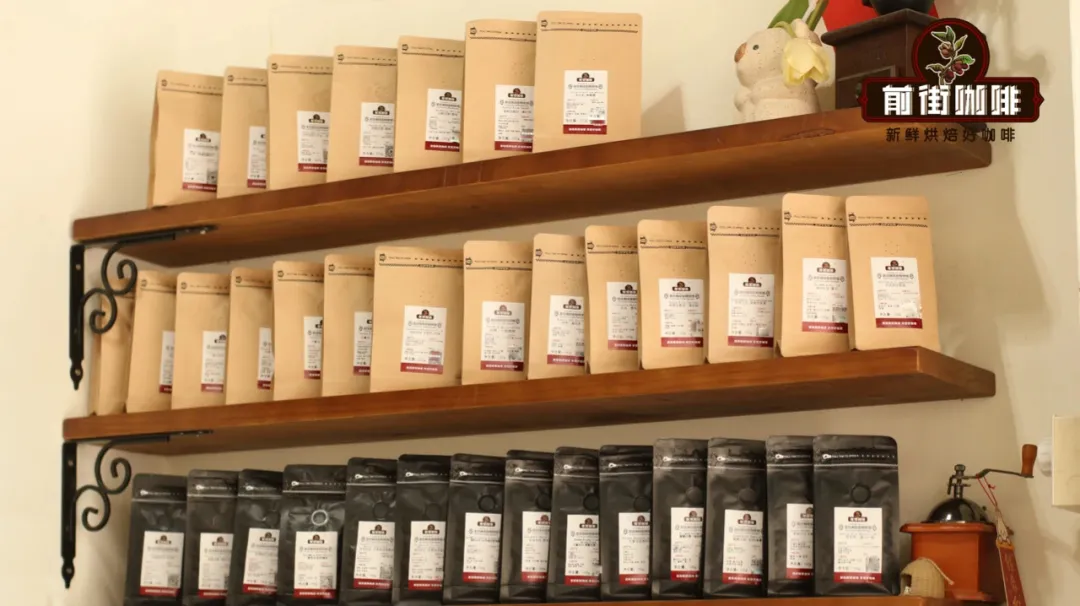
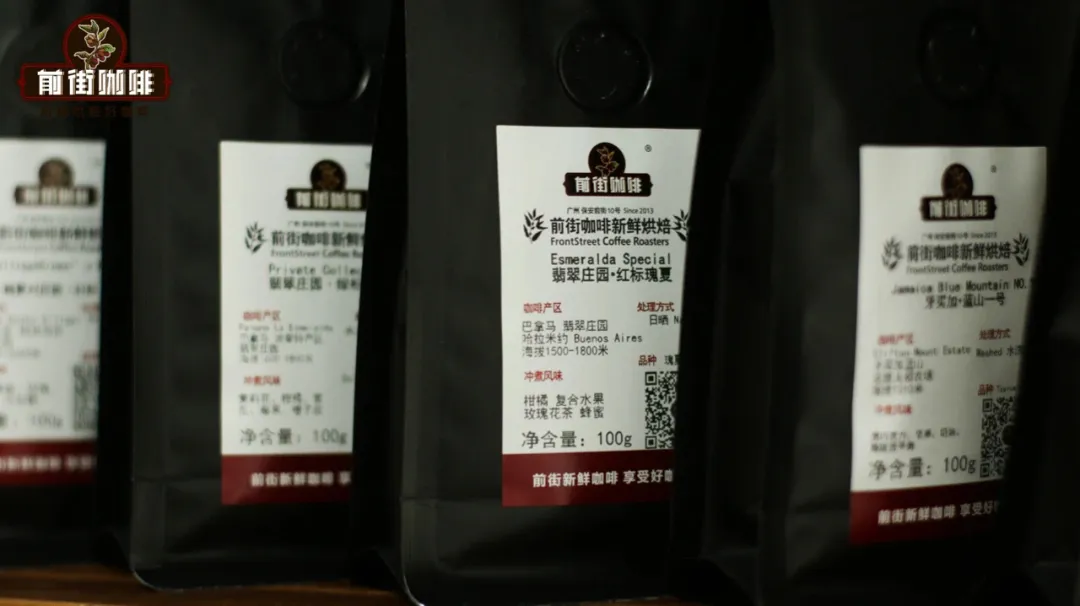
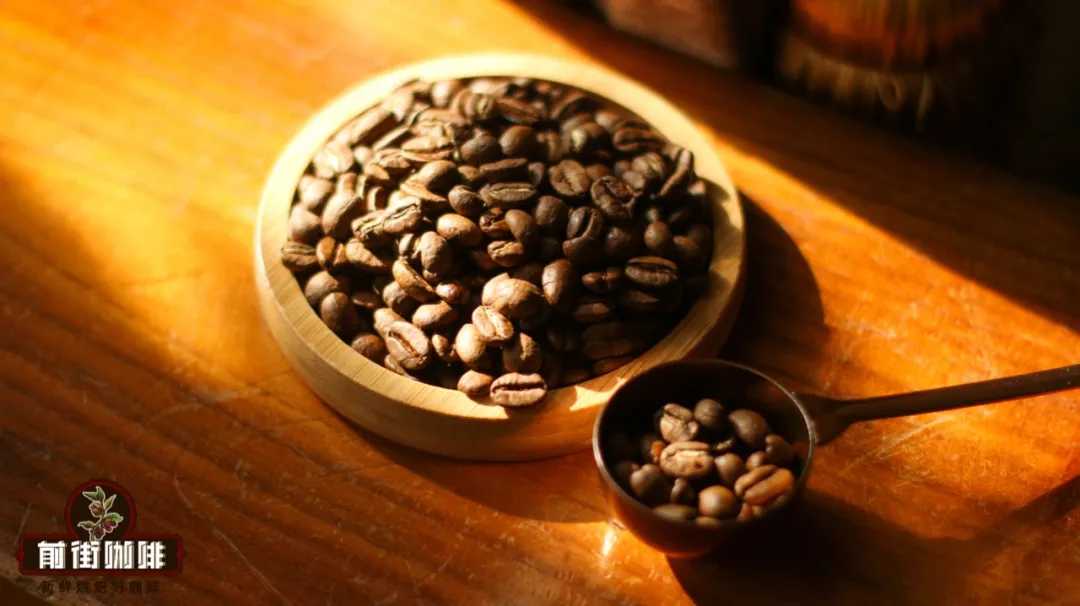
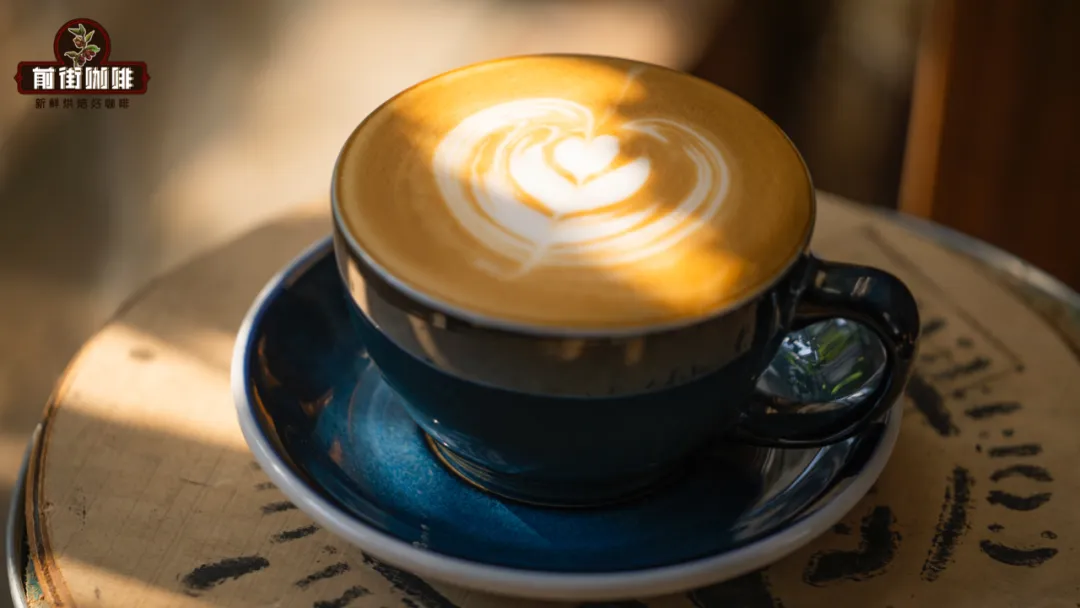
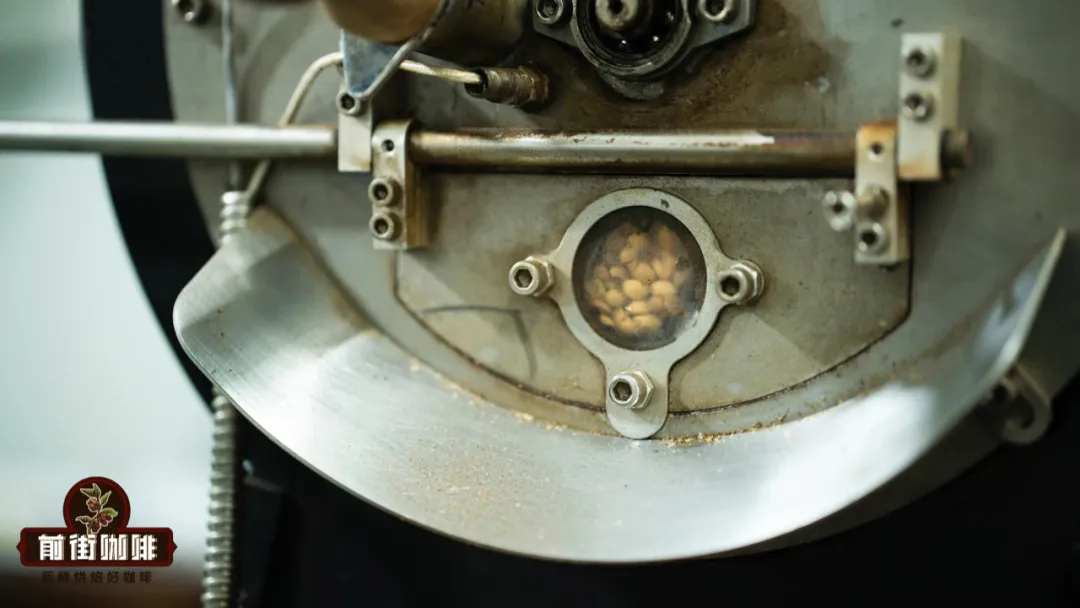
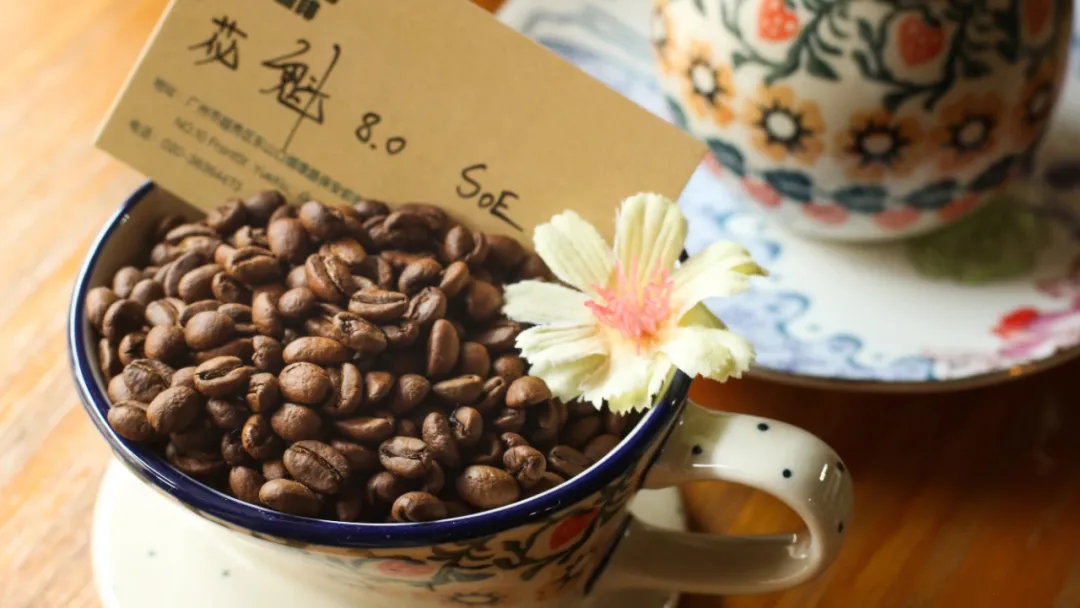
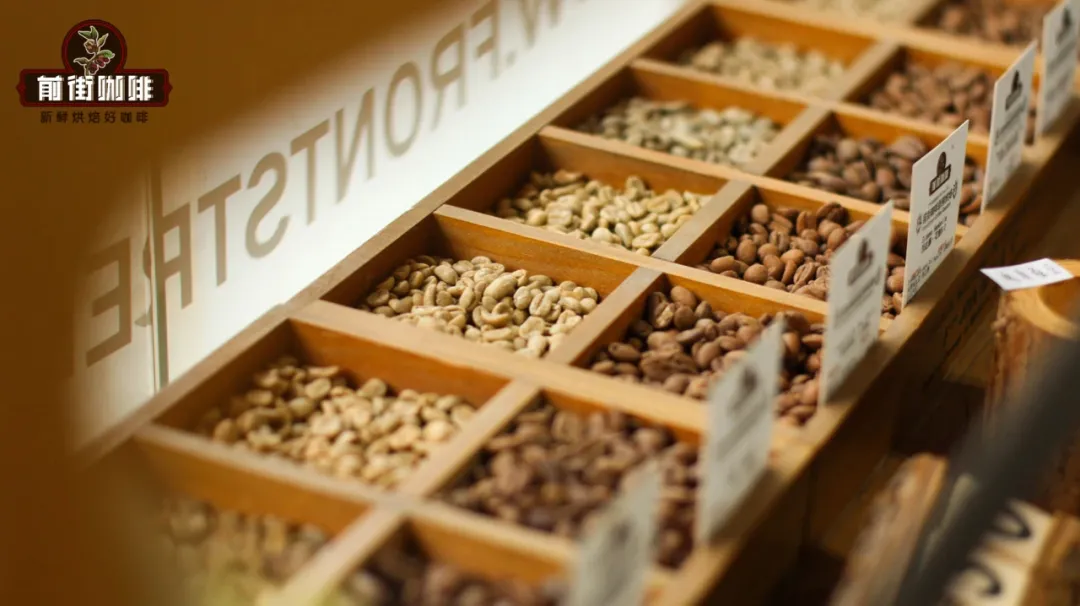
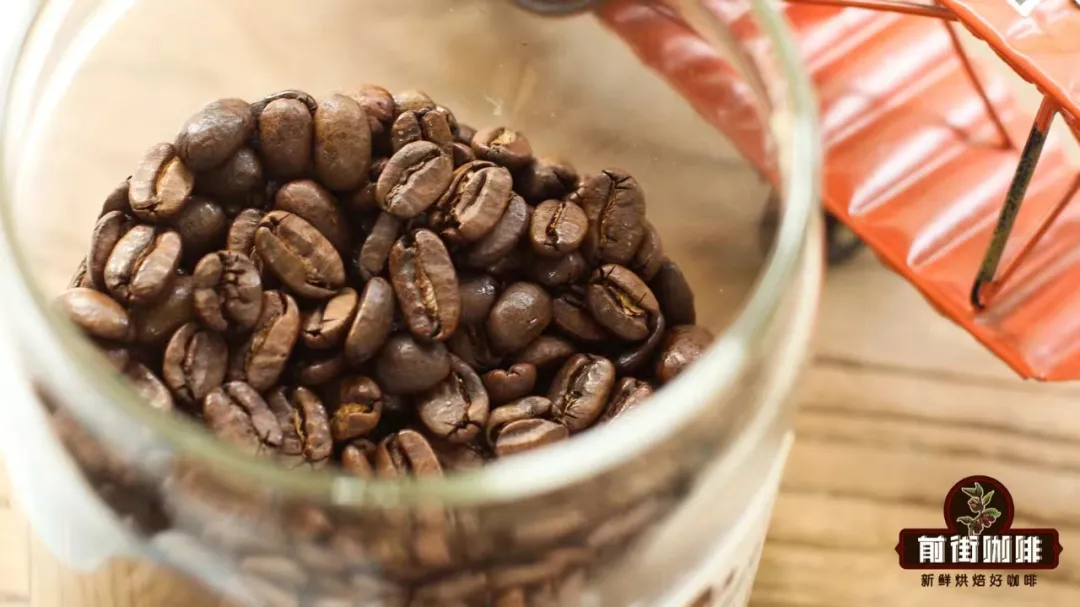
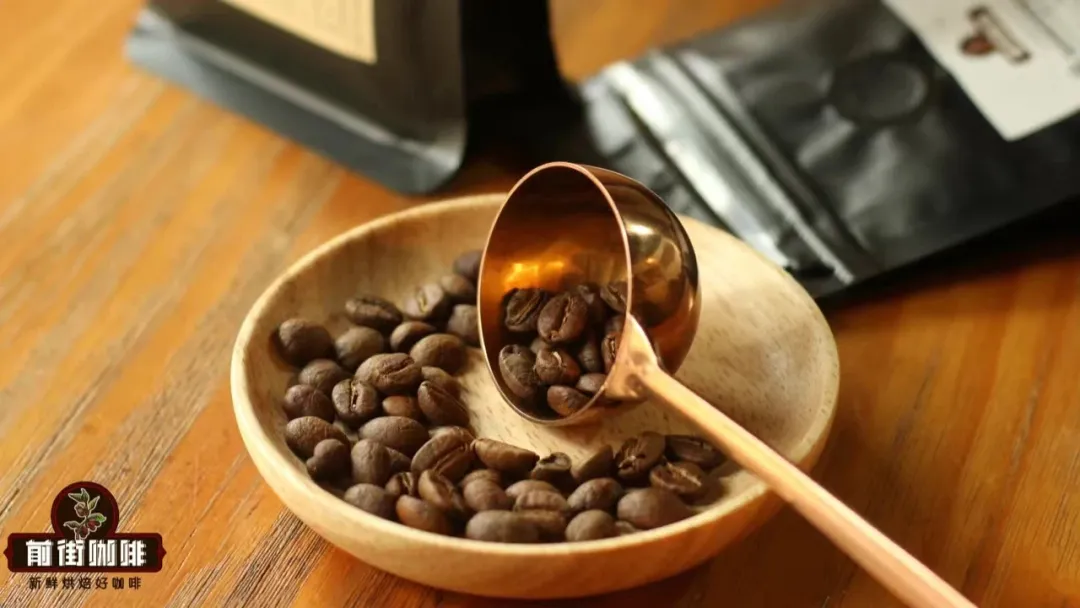
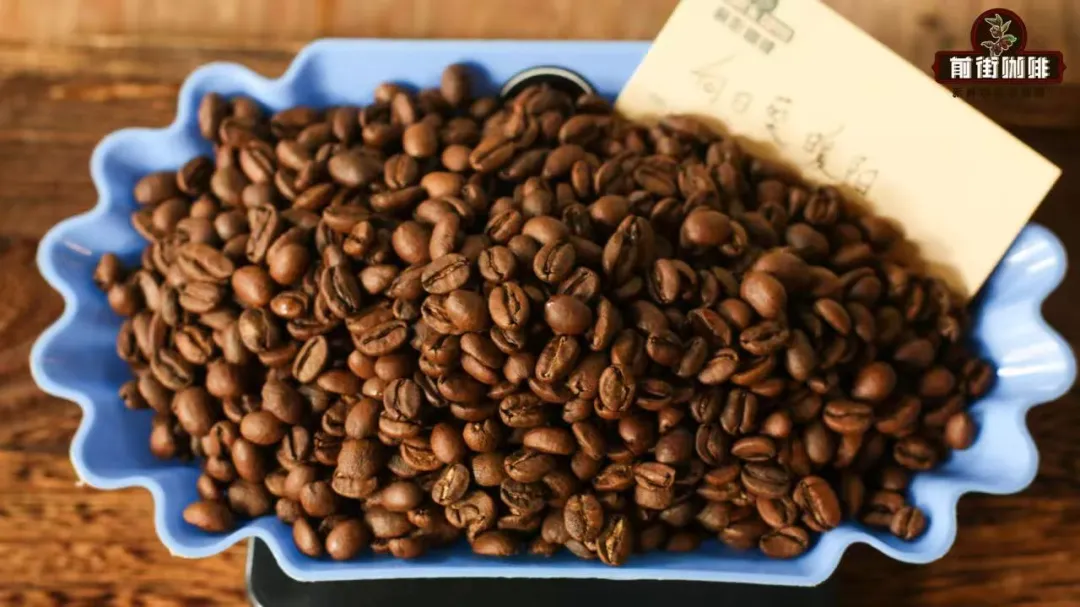
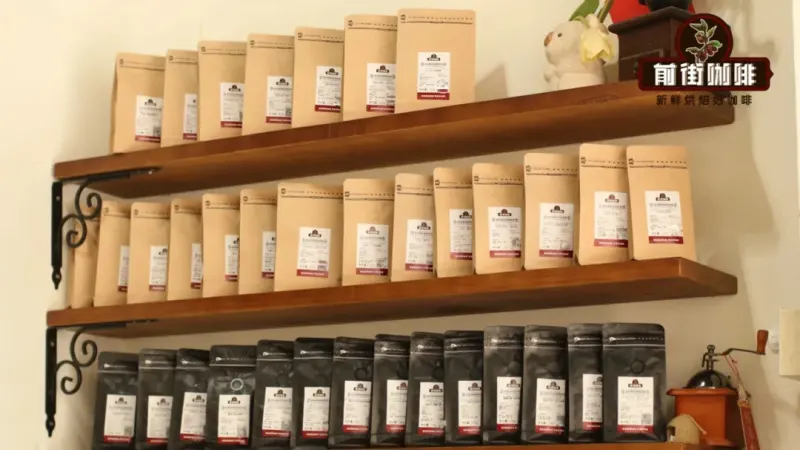
Recently, more and more people are planning to buy coffee beans and make coffee at home themselves. However, coffee beans are divided into different types according to the extraction method they suit, such as single origin, SOE, and blends, which leaves some newcomers confused and unsure where to start. So customers have come to Front Street Coffee stores to ask Front Street Coffee for advice on how to choose.
In fact, Front Street Coffee has covered this knowledge in scattered past articles, but mostly only in passing. So today, Front Street Coffee plans to carefully sort out the differences among single origin, SOE, and blend coffee beans, and also discuss how to choose based on the equipment you have and your taste preferences when buying beans.
Single Origin Coffee Beans
Let's start with single origin coffee beans.
"single origin coffee"
Also commonly known as specialty coffee beans. So-called single origin means the coffee beans come from only one origin, which can be as broad as a country, or as narrow as a region, an estate, or even a specific plot.
Since the core goal of single origin coffee beans is to present the unique flavor of the origin, most single origin beans on the market use medium, medium-light, or even very light roasting curves, in order to release the coffee's flavor potential as much as possible. Of course, Front Street Coffee is not saying that all single origin beans must be light roasted. Single origin coffees such as Front Street Coffee Blue Mountain, Front Street Coffee Queen Estate Brazil, and Front Street Coffee Golden Mandheling actually follow the classic dark roast path.
If you mainly make coffee using pour-over, French press, siphon, AeroPress, cold brew, or other non-espresso machine methods, then single origin coffee beans are a very suitable choice. The reason is that these extraction methods allow greater room for error and can ensure that the value of single origin beans is fully "squeezed out."
Of course, this does not mean single origin beans cannot be used to make espresso. They absolutely can, but when single origin beans are used for espresso extraction, the resulting espresso has a special name—SOE.
SOE
The full name of SOE is "single origin Espresso," which literally means espresso extracted from single origin coffee beans. In other words, SOE is espresso made from single origin coffee beans.
Similarly, the purpose of using single origin beans for espresso is still to highlight the distinctive flavor of the region, but the reason people specifically distinguish it from ordinary single origin beans is mainly that not every single origin bean is up to making SOE. For example, beans with a relatively light roast level are not very suitable for making SOE.
The reason is not complicated, because espresso often involves making milk coffee. Beans roasted too light tend to have a refreshing flavor profile and insufficient intensity, so once made into milk coffee, the taste is easily overpowered by the milk. If you want to make tasty milk coffee with such beans, you have to repeatedly modify parameters and make many adjustments; another reason is that some coffee beans have quite prominent acidity, and overly sharp acidity colliding with the taste of milk creates a strong contrast. This contrast is not pleasant, but rather abrupt.
So not all coffee beans are suitable for making espresso. To be precise, the espresso they extract is not suitable for making milk coffee.
But this is not unsolvable. As long as the roast level of the coffee beans is deepened, the espresso made from single origin beans can become compatible with milk coffee.
The roast level directly influences the taste and flavor direction of coffee beans. For example, the lighter the coffee beans are roasted, the higher the acidity of the finished coffee; the darker the roast, the less acidity can be tasted. This is partly because acids are consumed during roasting, and partly because acids are masked by other aromas produced by roasting.
Therefore, deepening the roast level can reduce the acidity in coffee, making it pair better with milk coffee and giving the coffee a better mouthfeel. The only cost is that the experience of origin flavor will be somewhat diminished—just as you cannot have both the fish and the bear's paw.
Because this type of single origin bean specially serving espresso is relatively darker roasted
(a bit darker than conventional light roasted beans)
Merchants, in order to distinguish them from conventional single origin beans, usually deliberately mark them with the word SOE in bean introductions or purchasing sections, such as SOE beans, SOE roast, and so on.
If you mainly make espresso and want to experience origin flavor more directly without acidity being too dominant, then you can choose single origin beans with an SOE roast; conventional single origin beans can actually also be used, but there are more limitations and more things need adjustment.
Blend Coffee Beans
Finally, let's talk about blend beans. Blend coffee beans are the most common type of bean in espresso. Blend coffee beans
"blend coffee"
Also called mixed coffee, refers to combining coffee beans from different origins and different processing methods.
The emergence of blends can be understood as people wanting to "have it all." Everyone hopes to get all the high-quality experiences from one bean, such as excellent flavor, rich mouthfeel, and at the same time an affordable price and stable quality, but these ideals are often difficult to achieve simultaneously in single origin beans.
For example, lightly roasted coffee retains its flavor most completely, but its mouthfeel is relatively weak; although darkly roasted coffee has a rich and excellent mouthfeel, its flavor expression is not as rich. In addition, coffee beans are agricultural products, and their quality each year is affected by external factors such as climate during the growing period. So wanting to gather all the advantages from one single origin bean is extremely difficult.
Blending, however, can help you achieve the ideal, because through blending we can achieve an effect where 1+1 is greater than 2. For example, combining the flavor of bean A with the mouthfeel of bean B yields a coffee with both excellent flavor and mouthfeel; or blending beans from three different origins to dilute the importance of each bean.
In this way, when a certain bean's quality declines due to weather problems in its origin the following year, beans from other origins can be found to replace it, because its weight in the whole blend has been diluted, and even if replaced, the impact on taste will not be too great
(this was precisely the purpose of early blending)
. This approach can also help you control costs and create a coffee bean with high cost performance. For specific methods, you can refer to this article→
"How to Blend Coffee Beans?"
Front Street Coffee will not expand on it here.
Because blend beans have long mainly served espresso production, the design of blend beans revolves around espresso usage scenarios. For example, using a relatively darker roast level
(more suitable for making milk coffee)
and large packaging sizes such as 1 pound and 1 kilogram
(single origin beans are generally packaged in half-pound or 100g sizes)
.
If your main use for making coffee is espresso, then blend coffee beans specially designed for espresso are a very good choice. They not only have a roast level more suited to espresso, but also offer better value for money. But the specific quality still depends on your budget. If you just want to supplement your daily caffeine, then a combination blended from commercial coffee beans is completely sufficient, usually priced in the range of 50–80 yuan per pound, which is also the blend solution used by most coffee shops.
And if you want the coffee to have better flavor expression, then you can choose a combination blended from specialty coffee beans. For example, the Front Street Coffee Sunflower Warm Sun espresso blend used in Front Street Coffee stores is blended from two specialty coffee beans, but the price is usually twice that of commercial blends, so how to choose depends on you~
- END -
The above content is compiled by CoffeeHunters, a coffee news website.


