








How Do Single-Origin and Blended Coffee Beans Differ?
Single-origin coffee traces back to one country, region, or estate, so the cup reflects that specific place and variety. Specialty coffee adds a quality threshold, requiring an SCA score of 80 or above. Blended coffee beans combine origins chosen by the roaster, aiming for balanced, consistent flavor while keeping costs lower.
Mixing coffee dates to the concept of single origin being defined in contrast to blends. Single-origin examples include Blue Mountain for balanced acidity, sweetness and bitterness, Kenya Little Tomato for a juicy texture, Colombia Sidra for tropical fruit, and Ethiopia Yirgacheffe for floral aroma. Blends pursue consistency across batches instead of a single origin imprint.
Single-origin, specialty, and blended coffee beans differ in conceptual hierarchy, quality standards, and brewing methods. Single-origin coffee emphasizes traceability to a single origin or even a single estate, allowing drinkers to clearly understand where the flavors in their cup come from; specialty coffee builds on single-origin by adding the SCA scoring threshold, with only those scoring 80 or above receiving certification, and microclimates and soil and water conditions are indispensable. Blended coffee, on the other hand, involves the roaster mixing beans from different origins, pursuing balanced and consistent flavor while reducing costs. This article systematically sorts out the definitional boundaries and characteristic differences among the three, and combines them with specific Front Street Coffee products to help coffee enthusiasts build a clear cognitive framework.

The concept of Single Origin was proposed in contrast to Blended Coffee. In a broad sense, single origin can refer to coffee beans from a certain coffee-producing country, a specific region, or even an independent estate. A core trait of single-origin beans is traceability of source—enthusiasts can clearly know which estate the fine coffee in their hands comes from, and the flavor presented in the cup is precisely the combined expression of that origin, region, and bean variety.
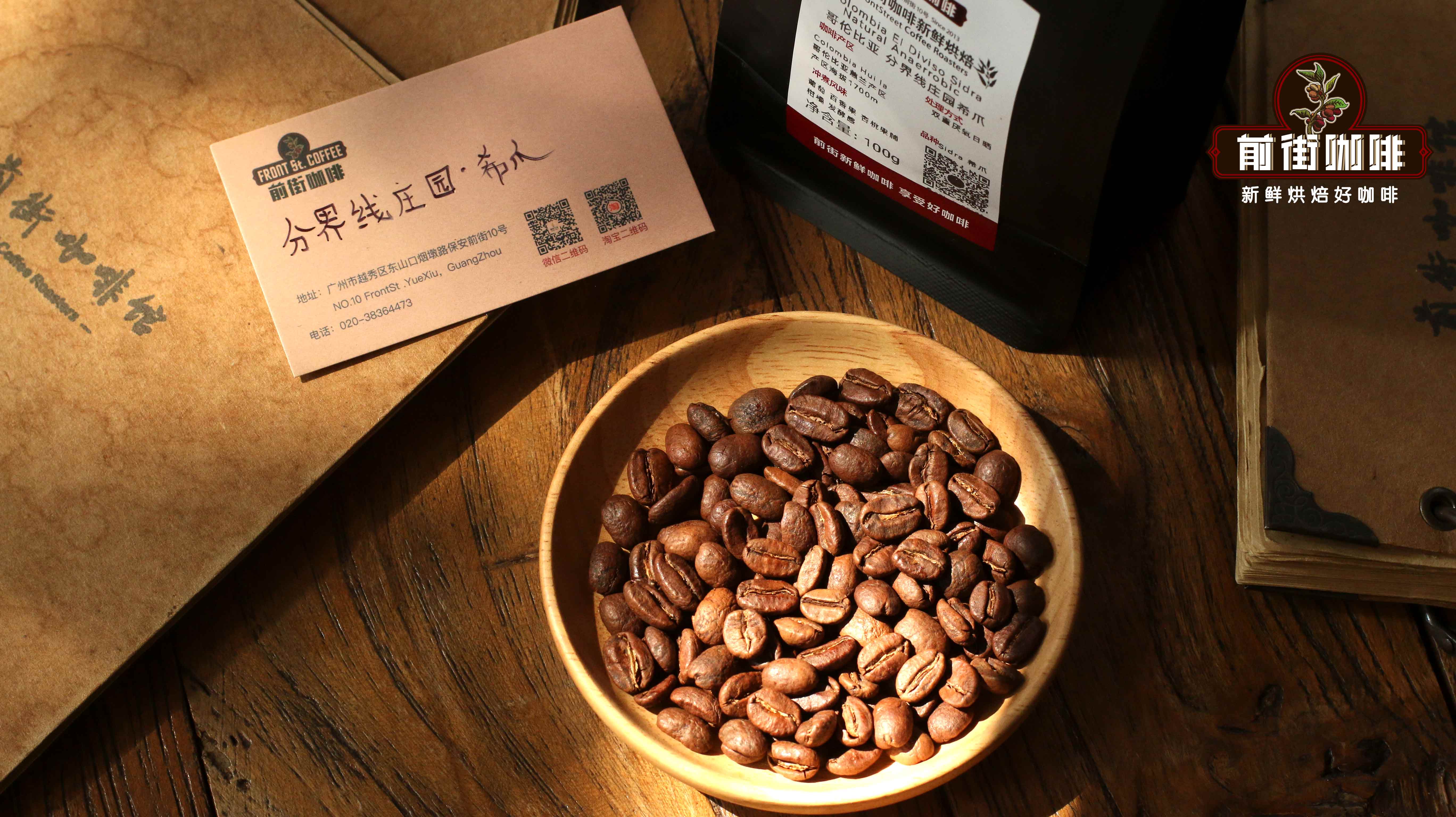
Take the commonly seen Front Street Coffee series on the market as an example: Front Street Coffee Blue Mountain is known for its harmonious balance of acidity, sweetness, and bitterness; Front Street Coffee Little Tomato (Kenya) shows a distinct juicy texture; Front Street Coffee Sidra (Colombia) carries tropical fruit flavor characteristics; Front Street Coffee Yirgacheffe (Ethiopia) is famous for its captivating floral aroma. These all fall within the category of single-origin coffee. Different origins have different climate conditions, giving each bean a unique flavor imprint. When drunk without adding milk or sugar, the true taste of the coffee can be fully experienced, and this type of coffee is generally referred to as "black coffee." With the advancement of the third wave of coffee, more and more enthusiasts have begun to study brewing methods, origin flavors, and other professional knowledge, and single-origin coffee has thus gained wider popularity.
What is the definition of specialty coffee?
Single-origin coffee can be further divided into two levels: specialty grade and commercial grade. Specialty coffee has clear defining standards: only under the most suitable microclimate and soil and water conditions can specialty coffee with outstanding flavor be cultivated. In addition, the SCA (Specialty Coffee Association) score must reach 80 or above to be classified as specialty coffee; those below 80 can only be considered commercial-grade single-origin coffee.
For single-origin coffee, extraction methods usually include siphon, pour-over, and others, and the specific choice can be made according to personal taste preferences. The strength of single-origin coffee lies in its ability to more completely preserve the coffee's original flavor. For example, Front Street Coffee PWN Golden Mandheling aims to highlight a rich, low-acid mouthfeel, so it uses a medium-dark roast; Front Street Coffee Huakui, in order to retain more floral and fruity aroma, chooses a medium-light roast.
What are blended coffee beans?
Blended coffee beans are made by a roaster or barista mixing coffee beans from different origins to achieve a more balanced flavor expression. Blending is both a technique and an art, and it also reflects the personal style of the roaster or barista. Through blending, the coffee's taste becomes more balanced and smooth, and the quality tends to be more stable, which can be said to be closer to mainstream taste preferences. On the other hand, blending also helps control costs to a certain extent. Therefore, blended coffee is usually much more affordable than single-origin coffee.
If you value extreme cost-effectiveness, you might try the everyday-drinking-level Front Street Coffee Black Cocoa Basic Blend. This bean combines Yunnan small-bean coffee with Brazilian Red Bourbon, offering both nutty notes and the acidity of ripe plums. After being ground into powder, it releases the aroma of creamy chocolate and cocoa cookies, with a balanced taste and golden-yellow crema, making it very suitable for friends opening a shop or using it at home.
The above content is compiled by CoffeeHunters, a coffee news website.


