







Search Results for: single farm system
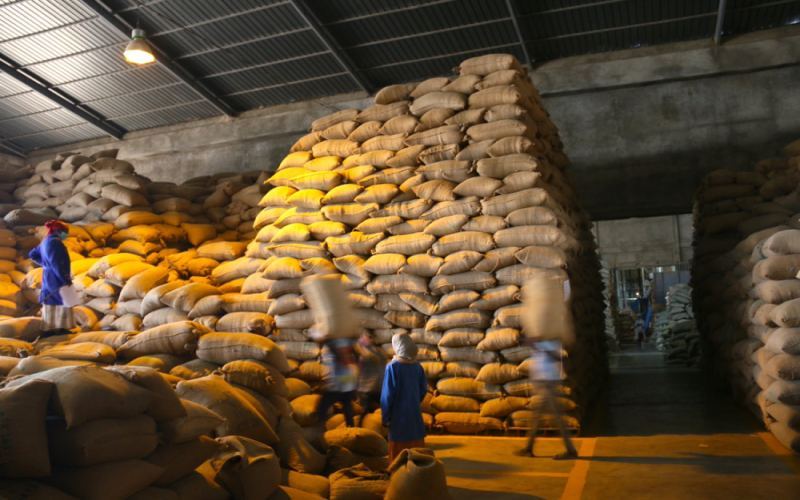
Ethiopia's Three Major Coffee Export Systems and the ECX Trading Mechanism: How Single-Farm Beans Like Hambela Hualukui Reach Overseas Markets
Ethiopia, as the holy land of specialty coffee, has a rather complex coffee export system. According to local regulations, coffee exports are divided into three major systems: ECX bidding, cooperatives, and single farms. Among these, cooperatives and single estates can bypass the ECX and export directly, offering relatively complete traceability. The ECX was founded by Eleni Gabre-Madhin in 2008, and through grading, warehousing, and real-time information, it transformed the trading circumstances of coffee farmers. However, what truly achieves 100% traceability is the single farm system that has risen in recent years. The Sidamo sun-dried Huakui is a representative work from the Hambela farm. This article will sort out the operational differences among the three systems, the trading logic of the ECX, the structure of the six major cooperative unions, and the significance of single farms to specialty coffee. Front Street will also continue to follow these origin developments, bringing coffee enthusiasts clearer origin knowledge. [more…]
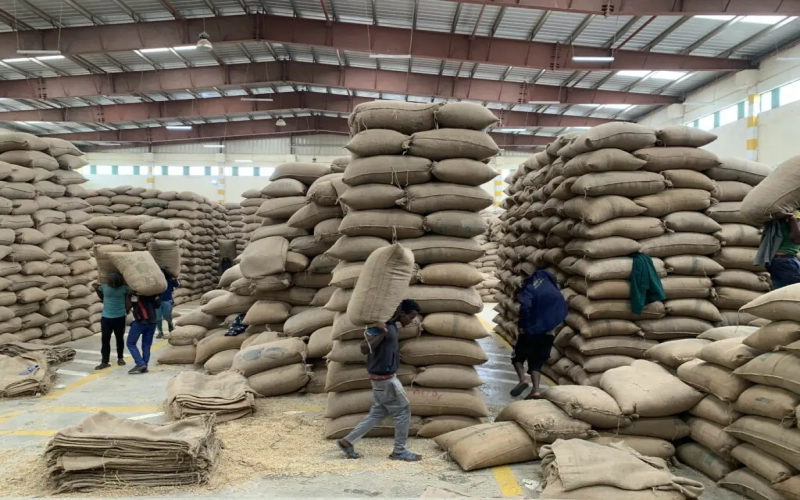
Flavor Analysis of Ethiopia Guji Zone Baha Natural G1 Coffee Beans and Discussion of the Regional System
In the landscape of Ethiopian specialty coffee, the Guji region is rising with strong momentum, becoming another star after Yirgacheffe. This article comprehensively reviews the flavor characteristics of Guji region Hambela natural G1 coffee beans, from the export system and regional terroir to processing method details. The article first analyzes the differences and traceability challenges among Ethiopia's three major coffee export systems, then focuses on the significance of the single-farm system for specialty coffee development. It subsequently delves into the geographical location, historical background, and ethnic customs of the Guji region, comparing its similarities and differences with the Yirgacheffe region, revealing Guji's potential as a future engine of innovation. Front Street Coffee recommends this natural G1, which presents typical Ethiopian flavors while possessing subtle unique characteristics, worthy of careful savoring by coffee enthusiasts. [more…]
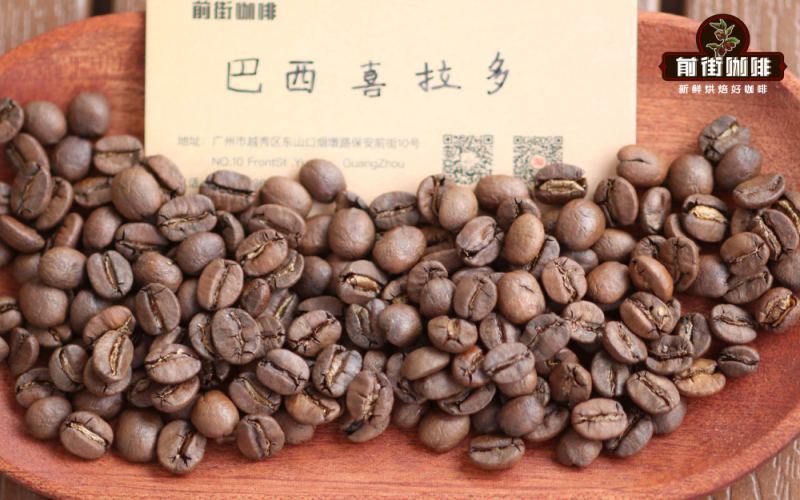
A Detailed Guide to Brazil Green Coffee Bean Grading Standards and the Distinctive Features of Its Origin Classification System
As a superpower accounting for about 45% of global coffee production, Brazil's green coffee grading system is not a single standard, but rather an assessment that integrates multiple dimensions such as the proportion of defective beans, screen size specifications, and cup profile. From the perspective of Front Street, this article will outline the origin distribution characteristics, main grading methods, and criteria of Brazilian coffee, decipher the meanings behind professional terms such as NY.2, 17/18 screen, and Strictly Soft, introduce the terroir characteristics of representative producing regions such as Mogiana and Cerrado, and share specific information about Queen's Farm coffee from Brazil on Front Street's bean list, helping coffee enthusiasts gain a more systematic understanding of the quality indicators and traceability logic of Brazilian green coffee. [more…]
Ethiopia Hambela Estate Single-Layer Sun-Dried Slow Fermentation Method: How the SLD Process Creates High-Quality Natural Beans
Ethiopia, as the birthplace of coffee, has seen a continuous emergence of high-quality lots in emerging producing regions such as Guji in recent years. This article focuses on the single-layer sun-dried slow-drying Lot 121 produced by a single farm in St. Lion Village of Front Street Hambela Estate, offering an in-depth analysis of this rare processing method known as SLD—where only a single layer of coffee cherries is spread on raised beds, the drying period is strictly controlled at around 18 days, and the fruit is allowed to fully ferment through the most perfect convection environment, thereby imparting fuller sweetness and body to the coffee beans. The article also examines why Ethiopia's smallholder-dominated production system makes single-farm traceability difficult to achieve, how Hambela Estate owner Aman adheres to quality at extremely high cost, and compares the subtle flavor differences between the Guji region and Yirgacheffe. [more…]
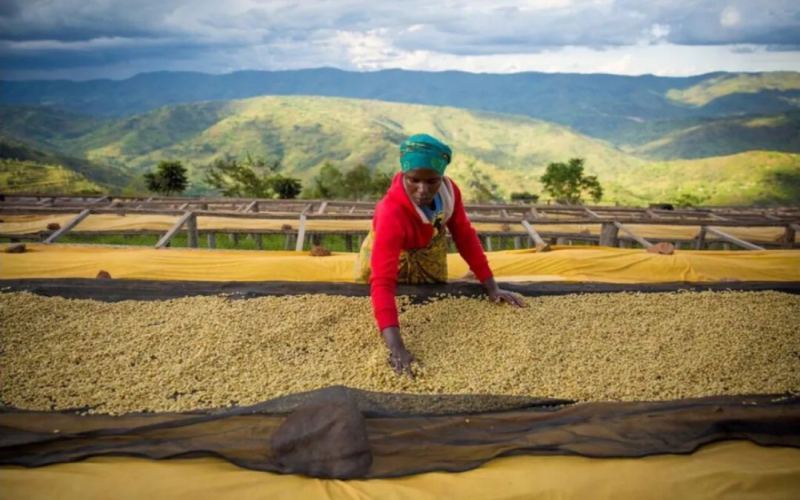
Ethiopia Granada Estate Geisha Coffee: Regional Characteristics and Flavor Analysis Under Single-Variety Cultivation
Located on the East African plateau, Ethiopia, with its unique geographical conditions and diverse cultivation systems, gives rise to coffees of widely varying styles. This article focuses on the Grana Estate in the Yirgacheffe region—a rare farm that cultivates only a single Geisha variety—exploring its greenhouse seedling cultivation, intelligent management, and selective harvesting of ripe red cherries, and presenting the citrus acidity, ginger flower aroma, and delicate sweetness of this Front Street Grana Estate Geisha, giving you insight into the unique charm of estate-level Geisha from Ethiopia. [more…]
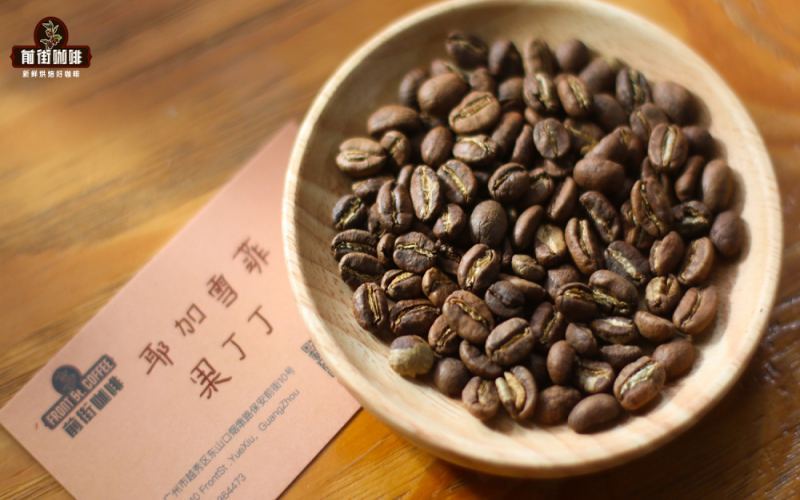
Exploring the Worka Cooperative Under Ethiopia's YCFCU System: An Analysis of Anaerobic Natural Yirgacheffe G1 Green Beans
Yirgacheffe is known to most people for its washed processing, such as Front Street Coffee's Gedeb Gotiti Cooperative, which, by removing the fruit skin and pulp, delivers a clean flavor and, through a medium-light roast, presents notes of white florals, honey, citrus, and green tea. However, natural and anaerobic natural Yirgacheffe are equally worth attention. Front Street Coffee's Red Cherry has a slight fruity fermentation aroma, while the newly launched Front Street Coffee Worka Cooperative coffee beans display rich layers of berry and floral notes. This article will take an in-depth look at this single-farm-origin bean, sorting out the Worka Cooperative's origin background, the structure of the YCFCU alliance, and how anaerobic natural processing shapes its unique flavor. [more…]

What grade do Gesha Village Gold Label Gesha coffee beans belong to? An analysis of the flavor characteristics of Ethiopian Gold Label Gesha
Deep in the Kafa forests of Ethiopia, there is a coffee estate operated along the lines of Panama's Hacienda La Esmeralda model—Gesha Village. It overturned Ethiopia's tradition of being dominated by cooperatives, running as a large 500-hectare farm, growing only the Geisha variety, and establishing a strict grading system. Among these, the Gold Label lot accounts for only 5% of annual production, with quality nearly on par with the auction lot, making it a frequent choice for competitors in coffee events around the world. The Gold Label Geisha that Front Street Coffee has acquired this time comes from the Oma 114 lot, using the Gesha 1931 variety, naturally processed. This article will outline Gesha Village's grading system and variety background, and share Front Street's roasting and brewing insights. [more…]
Ethiopian Gesha Village Coffee Flavor Analysis: A Complete Overview of Variety Origins, Production Areas and Plots, and the Grading System
When people talk about Geisha, most think first of Panama. However, the roots of this legendary variety lie in Ethiopia. Front Street Coffee takes you through the history of Geisha's spread, from the discovery of the Geisha forest in 1931 to the establishment of the Gesha Village Estate in the Bench Maji region. This article will provide a detailed analysis of the three coffee varieties at Gesha Village—Gori Gesha, Gesha 1931, and Illubabor Forest 1974—and introduce the terroir characteristics and coffee flavors of the estate's eight farms one by one. In addition, Gesha Village's strict grading system of Auction, Gold, Red, Green, and Chaka lots will also be presented, helping coffee enthusiasts gain a comprehensive understanding of the unique charm of Ethiopian Geisha. [more…]
Ethiopian Coffee Export System and ECX Grading Mechanism: A Special Analysis of the Yirgacheffe Region
Ethiopia, as the birthplace of coffee, has an export system and grading structure that directly shape the flavor in the cups of coffee lovers worldwide. This article takes an in-depth look at the country's three major coffee export systems—ECX bidding, cooperatives, and single estates—revealing how ECX reshapes coffee trading through its pricing mechanisms, warehousing and logistics, and real-time information, while focusing on the ECX specialty grading standards of the Yirgacheffe region. It also introduces the operating models of the six major cooperative unions, and how well-known cooperatives such as Front Street Gediding and Front Street Woka stand out through their exquisite processing techniques. Whether you are a coffee professional or an enthusiast, you can understand from this the quality logic of Ethiopian coffee from origin to cup. [more…]
An In-Depth Analysis of Kenyan AA Fully Washed Coffee Beans: From Farm Management to Cup Flavor
Kenya AA is widely recognized as a benchmark single-origin coffee in the specialty coffee world, conquering countless coffee lovers with its bright acidity, full body, and unique fruity and winey notes. This article systematically reviews Kenya AA's producing region background, grading standards, processing techniques, and flavor characteristics, from field management to hand-picking, and then to scientific washing and natural drying, fully presenting the birth process of a high-quality coffee bean. At the same time, drawing on Sweet Marias' origin observations, it analyzes the impact of Kenya's auction system on quality, and recommends the Kenya AA Fully Washed coffee beans produced by the Front Street Coffee brand, leading you to a comprehensive understanding of this representative work of African specialty coffee. [more…]
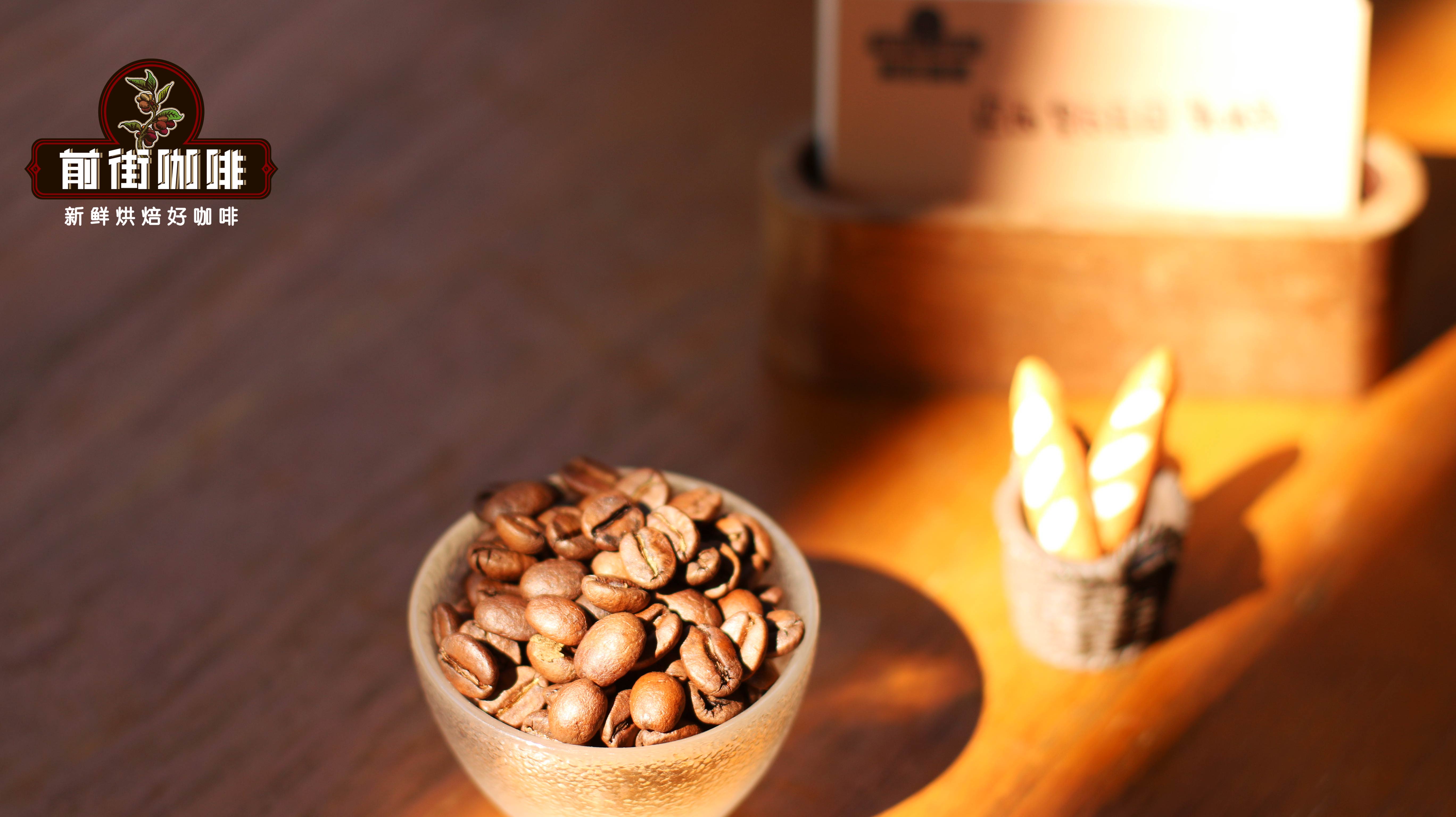
Analyzing Brazilian Coffee Bean Costs and Prices, Featuring Front Street Queen's Estate Yellow Bourbon Specialty Single-Origin
Brazil, as the world's largest coffee producer, has long been a focus of attention for enthusiasts when it comes to the cost and price of its coffee beans. This article starts with the cost structure of Brazilian coffee and then recommends a highly cost-effective specialty single-origin coffee — Front Street Brazil Queen's Farm Natural Yellow Bourbon. This estate belongs to the renowned Carvalho Dias family and has won numerous COE Cup of Excellence awards. The article provides a detailed introduction to the estate's background, cultivation and processing methods, green bean analysis, roasting curve, cupping flavors, and pour-over parameters, along with suggestions for making iced coffee. Front Street's own-roasted Brazilian coffee beans sell for only 45 yuan for a 227-gram box, with a cost of about 3 yuan per cup — combining quality and value, and suitable for everyday drinking. [more…]
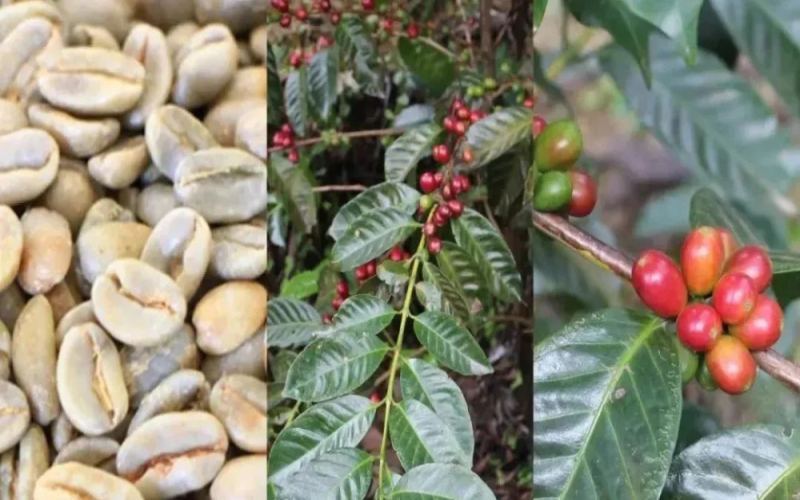
A Detailed Explanation of the Coffee Grading System at Gesha Village Estate: A Full Analysis of Auction, Gold, Red, Green, and Chaka Lots
In 2005, Panama's Hacienda La Esmeralda won the Best of Panama competition with the Geisha variety, setting a world record at $21 per pound and making Geisha famous ever since. Tracing its origins, this variety was first discovered in the Gesha region near the Kaffa forest in southwestern Ethiopia. In 2007, director Adam Overton and his photographer wife Rachel Samuel discovered the Gori Gesha forest while filming a coffee documentary, and later partnered with Willem, the owner of Panama's El Burro estate, to establish the 500-hectare Gesha Village Coffee Estate in the Bench Maji region in 2011. The estate cultivates three varieties — Geisha 1931, Gori Gesha, and Illubabor — divided into eight blocks, and drawing on the experience of renowned Panamanian estates, grades its coffee into five tiers: Auction, Gold, Red, Green, and Chaka. This article will analyze the characteristics and grading criteria of each tier one by one, giving you an in-depth understanding of this legendary estate's coffee grading system. [more…]
Analysis of the Flavor Characteristics of Panama Geisha Coffee: From the Hacienda La Esmeralda Brand Legend to the Geisha Village Grading System
Geisha coffee enjoys a stellar reputation in the specialty coffee world, known for its high price and exceptional quality. This article traces the origin and spread of the Geisha variety, from the Gori Gesha forest in Ethiopia to the rise of Hacienda La Esmeralda in Panama, and provides a detailed analysis of its stunning debut at the 2004 BOP competition. It also introduces the grading system of Gesha Village Estate (Gold Label, Red Label, Green Label, and Chaka series) as well as the three major tier classifications of Hacienda La Esmeralda (Blue Label, Green Label, and Red Label). Through comparative tasting, Front Street Coffee reveals the truth that Ethiopian Gesha Village and Panamanian Geisha, despite sharing the same name, are actually different varieties, and describes the flavor layers of Front Street Geisha coffee from dry aroma to mouthfeel. [more…]
A Comprehensive Analysis of the Origin, Grading System, and Flavor of Ethiopian Gesha Village Gesha Coffee Beans
Geisha coffee is now world-renowned, and many people first think of Hacienda La Esmeralda in Panama, but the roots of this legendary variety actually lie in the Gesha Mountains of Ethiopia. This article will take you into Gesha Village Coffee Estate to learn about its founding story, its unique grading system (auction, gold, red, green, and Chaka lots), and the origins and characteristics of the three varieties: Gori Gesha, Gesha 1931, and Illubabor. Front Street Coffee will also share the estate information, processing methods, and flavor descriptions of its in-store Gesha Village Gold, Red, and Chaka coffee beans, along with roast analysis and pour-over parameters, for coffee lovers' reference. [more…]
The Flavor Characteristics and Grading System of Panama Geisha Coffee: The Brand Story from Hacienda La Esmeralda to Geisha Village
Geisha coffee enjoys an extremely high reputation in the specialty coffee world, and its high price and exceptional quality captivate countless coffee lovers. This article, from the perspective of Front Street Coffee, reviews the historic moment in 2004 when Geisha rose to fame at the Best of Panama coffee competition, and traces the legendary journey of the Geisha variety from Ethiopia's Gori Gesha forest to Panama. At the same time, the article will introduce in detail the grading system of Hacienda La Esmeralda's Red Label, Green Label, and Blue Label, as well as the grading standards of Gesha Village's Gold Label, Red Label, Green Label, and Chaka series, and will include Front Street Coffee's professional description of Geisha's flavor and mouthfeel, taking you through a comprehensive understanding of this star coffee variety's brand story and tasting highlights. [more…]

Exploring Ethiopia's Gesha Village Estate: The Origins, Grading System, and Full Flavor Analysis of Wild Geisha
When it comes to Geisha, most people first think of that cup of floral tea with rose aromas and citrus notes from Hacienda La Esmeralda in Panama. However, in the Bench Maji region of Ethiopia, there hides another estate famous for its native wild Geisha — Gesha Village. It was founded in 2011 by documentary filmmaker Adam Overton and his photographer wife Rachel Samuel, and boasts a strict grading system and a complete flavor traceability system. This article will take you deep into the discovery journey of Gesha Village, the grading standards for the Auction/ Gold/ Red/ Green/ Chaka lots, processing details, and block divisions, along with Front Street Coffee's brewing parameters and flavor descriptions for the Gold, Red, and Chaka lots, providing coffee lovers with a comprehensive guide to Gesha Village. [more…]
A Complete Guide to Colombian Coffee Regions: Andean Terroir, the FNC Grading System, and Brewing Guide for Huila Everyday Beans
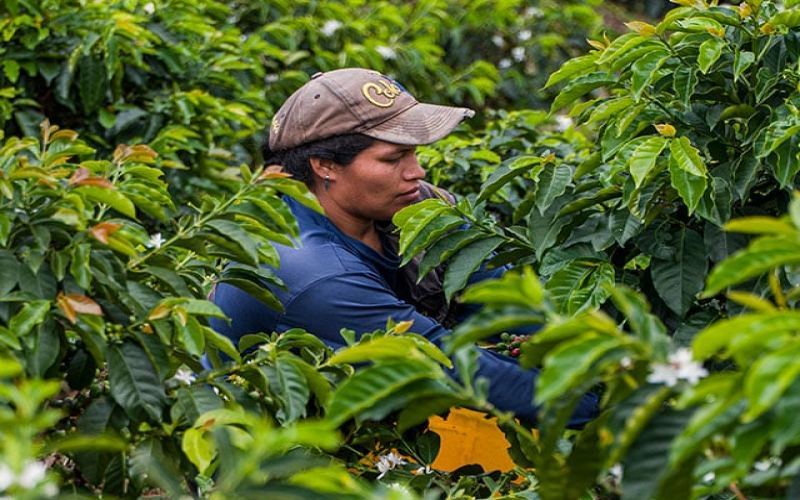
As one of the few single-origin coffees in the world named after a country, Colombia has become the first choice for countless coffee lovers entering the world of specialty coffee, thanks to the high-altitude terroir of the Andes, the strict management of FNC (the National Federation of Coffee Growers of Colombia), and the meticulous smallholder farming model. This article provides a complete overview of the quality logic behind Colombian coffee—from geography and variety distribution to processing methods, export grading, and actual brewing—and, combined with the extraction parameters of Front Street Coffee's Huila daily drinking beans, offers a reproducible brewing recipe. [more…]
Ethiopian Gesha Village Coffee Flavor Analysis: From Variety Traceability to Cupping Performance
When people talk about Geisha, most think of Panama, but rarely mention its birthplace—Ethiopia. This article begins with the history of Geisha's spread, tracing how this variety journeyed from African forests to the world stage, and focuses on Gesha Village Coffee Estate in the Bench Maji region. It covers the estate's founding background, the microclimates and flavor differences of its eight farms, the genetic characteristics of three Geisha varieties, and the estate's strict internal grading system. Brewing parameters from Front Street Coffee are also included, offering a complete reference for coffee enthusiasts who want to deepen their understanding of Ethiopian Geisha. [more…]
Colombian Single-Origin Coffee Beans: A Complete Guide to Origin Tracing, Growing Environment, Quality Characteristics, and Grading System
Colombian coffee is one of the few single-origin coffees named after a country and sold worldwide. Thanks to its superior geography and climate, along with the careful cultivation of local growers, it has earned a reputation far beyond that of other producing regions. The roasted beans give off a sweet aroma, with acidity balanced by sweetness and a mellow bitterness, and a moderate body, often used in premium coffee blends. This article will systematically sort out the historical origins, botanical morphology, growing environment, regional quality characteristics and grade classification of Colombian coffee, and introduce related products recommended by Front Street Coffee, taking you through a comprehensive understanding of this South American coffee gem known as "green gold." [more…]
Why Doesn't Brazilian Coffee Have a NY1 Grade? A Full Analysis of the Cerrado Region's Flavor and Grading Standards
In the coffee-producing regions' grading systems, Brazil is a special case—its highest grade is not 1 but 2. Why does this happen? By what standards exactly are Brazilian coffees graded? Front Street Coffee takes you deep into Brazil's coffee grading system, breaking down the logic behind NY2 one by one, from defect rates and bean size to cup profile. We'll also discuss the flavor characteristics of coffee from Brazil's Cerrado region, and look at Front Street Coffee's daily drinking series—the Brazil Cerrado and the Front Street Coffee Brazil Queen's Farm Yellow Bourbon—to see how these two top-grade Brazilian coffees actually perform. [more…]