







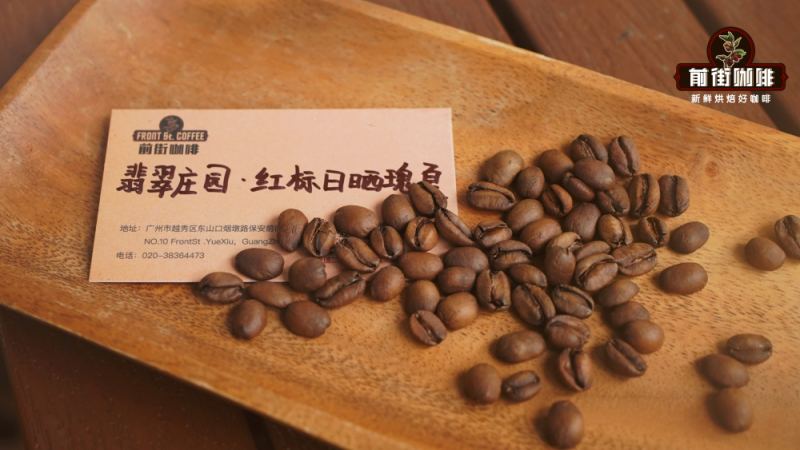
Geisha coffee enjoys an extremely high reputation in the specialty coffee world, and its high price and exceptional quality captivate countless coffee enthusiasts. This article, from the perspective of Front Street Coffee, reviews the historic moment in 2004 when Geisha shot to fame at the Best of Panama coffee competition, and traces the legendary journey of the Geisha variety from the Gori Gesha forest in Ethiopia to Panama. At the same time, the article will introduce in detail the grading system of Hacienda La Esmeralda's Red Label, Green Label, and Blue Label, as well as the grading standards of Gesha Village's Gold Label, Red Label, Green Label, and Chaka series, and will include Front Street Coffee's professional description of Geisha's flavor and mouthfeel, giving you a comprehensive understanding of this star coffee variety's brand story and tasting highlights.
For more specialty coffee knowledge, please follow the WeChat public account: Front Street Coffee (FrontStreet Coffee)
In daily interactions, Front Street Coffee often meets newcomers who have just stepped into the world of specialty coffee. Interestingly, even if they have never personally tasted it, these people have all heard of Geisha coffee. Front Street Coffee believes that the fundamental reason the Geisha variety is so widely known is that it has become a dual symbol of high price and high quality within the specialty coffee circle.
So how exactly did Geisha coffee come into the public eye? The story dates back to the 2004 Best of Panama coffee competition. At that time, the judges gathered around a coffee bean, repeatedly slurping and confirming again and again, because they sensed floral and fruity notes in this cup unlike anything ever seen in a Panamanian producing region; it felt as if someone had secretly mixed in Ethiopian beans. Later, after verification, this bean was exactly the competition sample submitted by the Peterson father and son of Hacienda La Esmeralda, and they named it Geisha.
Geisha has a long history. According to materials consulted by Front Street Coffee, the Geisha variety originally came from the Gori Gesha forest in Ethiopia. In the 1830s, the British consul Richard collected coffee seeds of the Geisha variety from Ethiopia. By the 1950s, the variety had made its way to the Tropical Agricultural Research and Higher Education Center (CATIE) in Costa Rica. In the 1960s, an official from Panama's Ministry of Agriculture went to CATIE to look for coffee varieties with disease resistance, intending to trial them in the country. He brought back some Geisha coffee plants and distributed them to several farms in the Boquete region—Jaramillo was one of them.
Hacienda La Esmeralda later acquired Jaramillo farm, making it one of its sub-farms. Peterson's son Daniel discovered that a type of coffee tree with slender branches and sparse leaves was growing on this farm. After a series of studies, he found that this coffee tree performed especially well in flavor at altitudes above 1,500 meters. So he began to cultivate it carefully, until at the 2004 BOP competition, this Geisha coffee won first place in one fell swoop and quickly became famous.
Since then, Hacienda La Esmeralda's Geisha has not only become an internationally renowned coffee bean, but its auction green beans have sold for as much as several hundred dollars per pound, setting a record for green bean auction prices at the time. At the same time, growers around the world developed a strong interest in the Geisha variety. Geisha seeds and seedlings were successively introduced to Colombia, Honduras, Guatemala, El Salvador, and other Central and South American countries.
The success of Panamanian Geisha also prompted some experts to begin tracing Geisha's origins. They discovered that in 1931 a British officer had entered a forest in Ethiopia called Gesha to pick coffee. For this reason, many coffee hunters went to Ethiopia in search of Geisha. In 2007, Adam and Willem went together into the Gesha forest to look for Geisha, and they found several coffee trees similar in morphology and flavor characteristics to Panamanian Geisha. They then looked for suitable land locally to plant Geisha and established Gesha Village Coffee Estate, which is about 12 miles from the Gori Gesha forest.
Front Street Coffee has purchased coffee beans from all of Gesha Village's series. By comparing the green beans of Gesha Village and Panamanian Geisha, Front Street Coffee believes that although the two share the same name, they actually belong to completely different bean varieties, and they can be clearly distinguished just by the appearance of the two green beans.
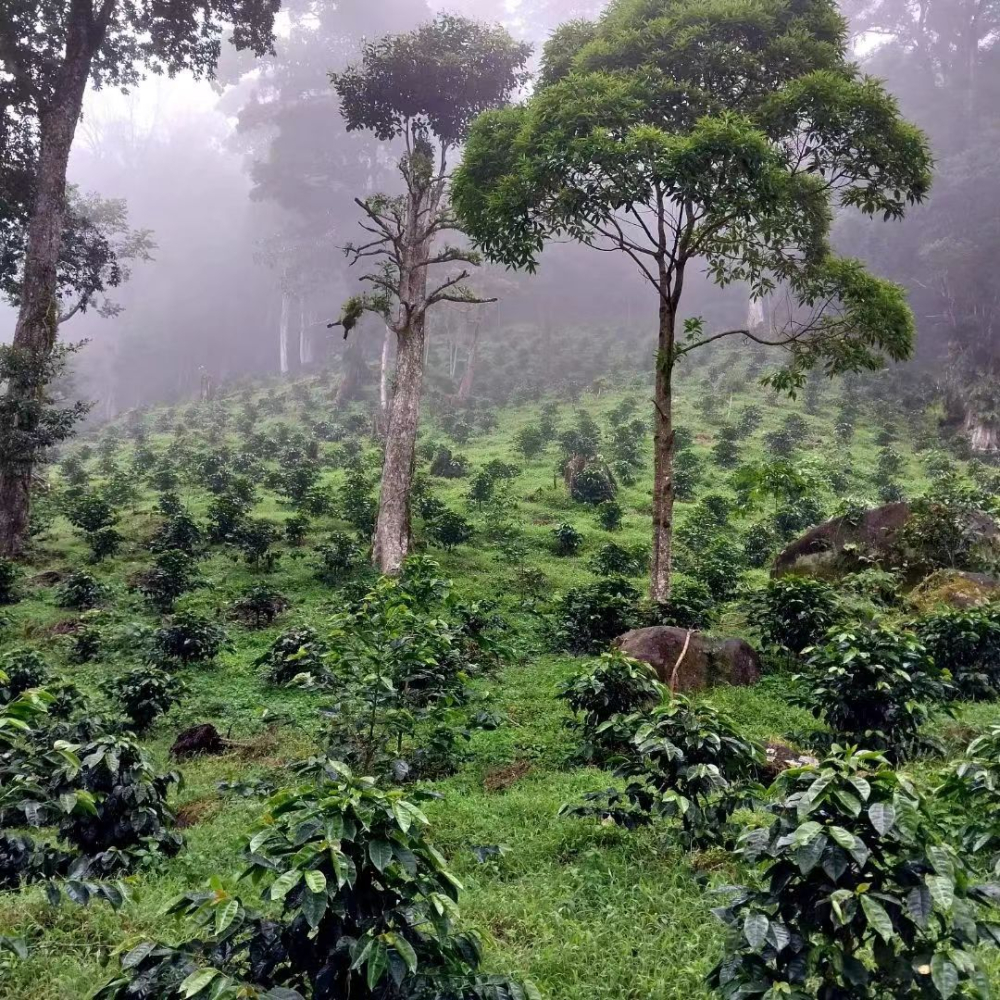
Front Street Coffee will first talk about the Geisha variety coffee from Ethiopia. Gesha Village's coffee grading is similar to that of Panama's Hacienda La Esmeralda: the Gold Label (Rare) series accounts for 10% of Gesha Village's total production and is the top coffee produced by Gesha Village outside the auction market, often selected by baristas in international competitions as competition beans.
The Red Label (Growers Reserve) accounts for 15% of total production and scores 88 or above on the SCA 100-point scale. The Green Label (Single Terroir) comes from a single block of Gesha Village. Each lot in the Single Terroir series has complete traceability information, covering the farm block name, coffee variety, and processing date.
The Chaka series, on the other hand, is made by blending all agricultural blocks of Gesha Village Coffee Estate with the season's specialty coffee.
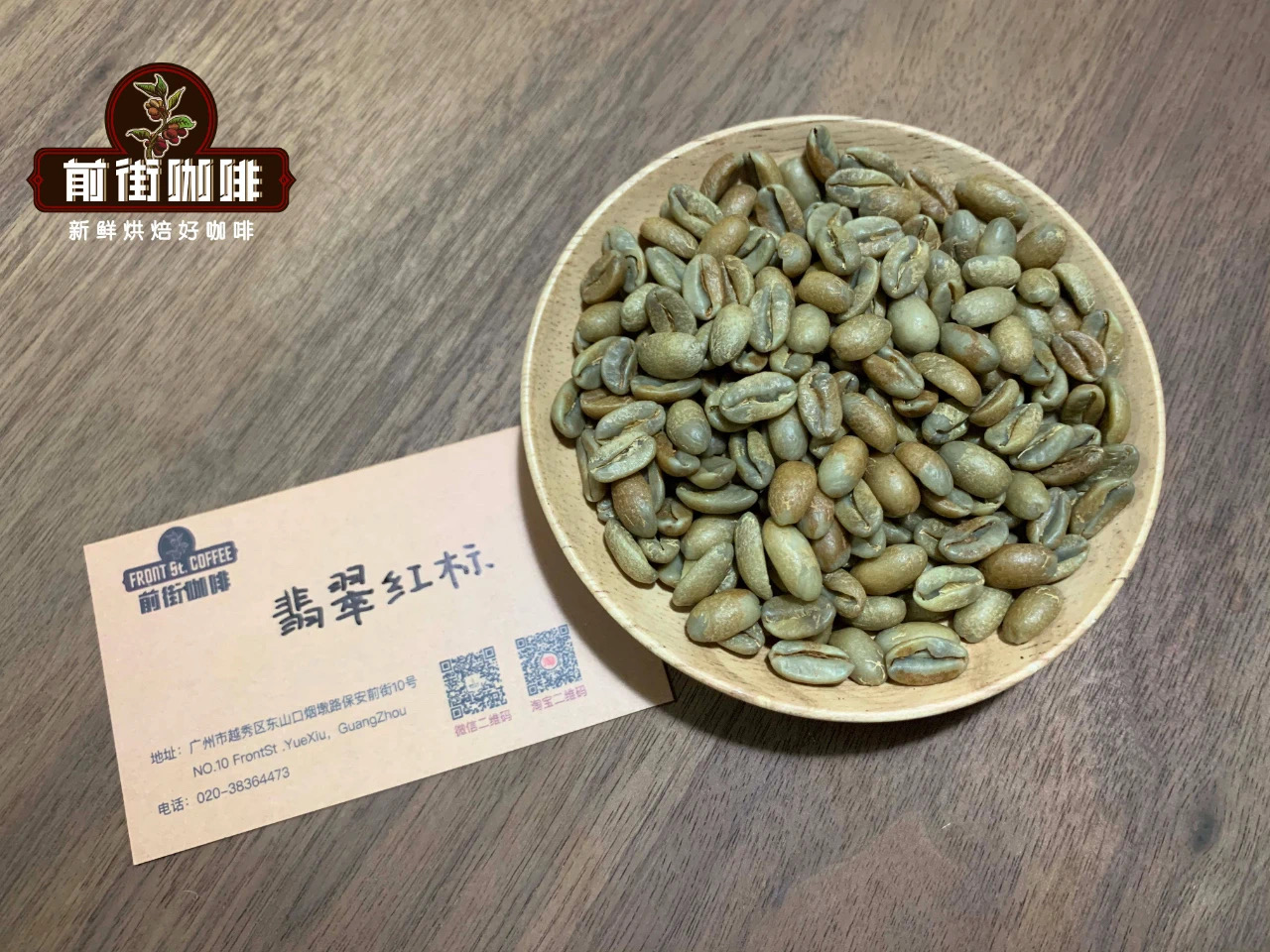
The most famous estate among Panamanian Geisha coffees is Hacienda La Esmeralda. At Hacienda La Esmeralda, the managers devote a great deal of effort to distinguishing Geisha green beans from other varieties and implementing meticulous processing.
After the events of 2004 and Geisha's official debut at the Best of Panama auction, Peterson poured most of his energy into infrastructure development to support excellent lot separation, meticulous processing, and a healthy auction model. As auction prices climbed steadily, market demand for experimental processing methods such as natural processing also increased, and requirements for lot specificity became higher and higher.
At Hacienda La Esmeralda, Geisha is divided into three grades: Blue Label, Green Label, and Red Label. Hacienda La Esmeralda has put great effort into distinguishing Geisha plots, mainly dividing them into three major blocks: Jaramillo, Cañas Verdes, and El Velo. Each major block is further finely divided into small plots (22 plots in total). To this day, Hacienda La Esmeralda is still continuously expanding in search of micro-plots more suitable for growing Geisha. In 2022, Hacienda La Esmeralda newly purchased an estate and named it El Manantial.
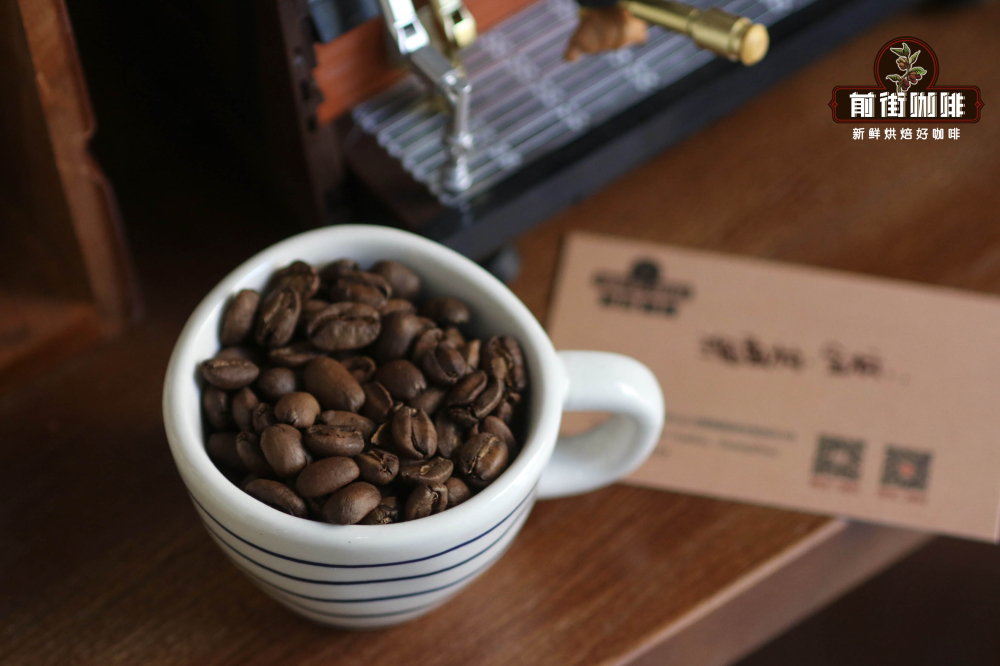
Regarding the flavor of Front Street · Geisha coffee, Front Street Coffee believes that Geisha's dry aroma is very lifted and bright, with the characteristics of rose and jasmine floral notes, and can also bring out honey pomelo and citrus aromas. When lightly roasted, it has a nutty aroma; the wet aroma also has a hazelnut note and reveals even more floral characteristics.
Regarding the mouthfeel of Front Street · Geisha coffee, it is gentle and understated on entry, and after cooling slightly, the floral and fruity flavors gradually rise as the temperature drops, with the cold aroma performing especially well (sweet dried fruit, rose hips, orange marmalade, strawberry jam, and hints of pine, cherry, vanilla, and rose gradually fade, bringing out lemon-like fruity aromas). This is a coffee that can be praised with a large number of adjectives, with a strong sweet aftertaste.
The above content is compiled by CoffeeHunters, a coffee news website.


