







Search Results for: service efficiency
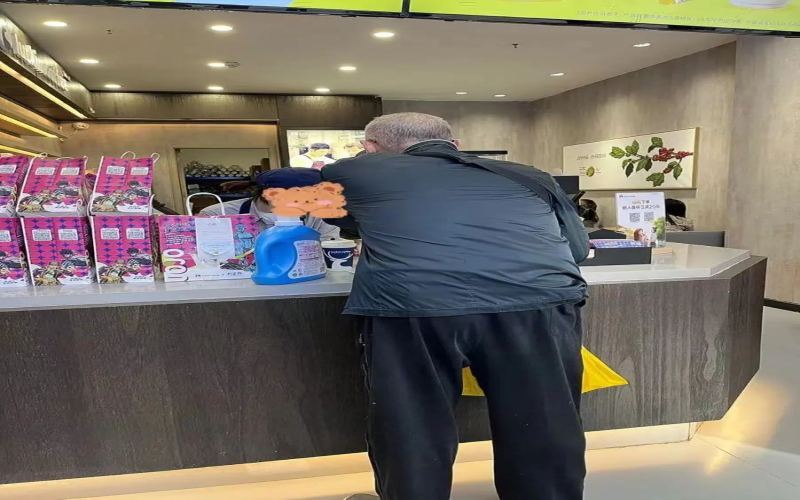
Why does Luckin Coffee insist on mobile-only ordering? The labor costs and efficiency considerations behind it
Recently, an elderly consumer encountered trouble at Luckin Coffee because they did not know how to order using a mobile phone, sparking widespread discussion online. Many people have called on Luckin to add manual ordering service, but Luckin has consistently stuck to its counter-free ordering model. What business logic lies behind this approach? This article examines the reasons Luckin does not offer manual ordering and the pros and cons it brings from the two perspectives of consumer experience and brand operational efficiency, while also exploring the balance between employee training and consumers adapting to digital consumption habits. [more…]

How to Run a Coffee Shop After the Pandemic? Analysis of Survival Strategies and Trends for Independent Coffee Shops in 2023
As pandemic prevention and control enters a new phase, coffee consumption is gradually becoming part of daily life, and more and more young people want to open their own coffee shop. Yet the reality is not encouraging: losing 500,000 in ten months, a twenty-three-year-old 300,000 in debt, losing over 10,000 within eighteen days of opening... These cases remind us that passion alone is far from enough. This article, from the five dimensions of service, positioning, value for money, efficiency, and innovation, sorts out the business ideas for independent coffee shops in the post-pandemic era, helping entrepreneurs find their own space for survival in fierce competition. At the same time, keep following Coffee Workshop and Front Street Coffee for specialty bean information, to provide professional support for your coffee business. [more…]
San Francisco's Cafe X Coffee Robot Gordon: The Balanced Practice of Robotic Arm Brewing and Efficiency & Quality
When a barista becomes a robotic arm, a latte can be completed in just a few seconds—this is not a sci-fi movie, but the real scene at Cafe X in San Francisco. This small kiosk, founded by Hong Kong-born young man Henry Hu, centers on a modified Mitsubishi robotic arm named Gordon, attempting to find a balance between efficiency and quality. Cafe X does not pursue fancy customization, but returns to the essence of minimalist coffee, collaborating with roasters such as Verve and Peet's to allow the robot to precisely execute brewing parameters. The store also has product specialists offering tastings and explanations, similar to the role of a sommelier or an Apple Genius. Can this model change the development predicament of fast-food technology in Silicon Valley? How will the future of human-machine collaboration affect the coffee service industry? [more…]
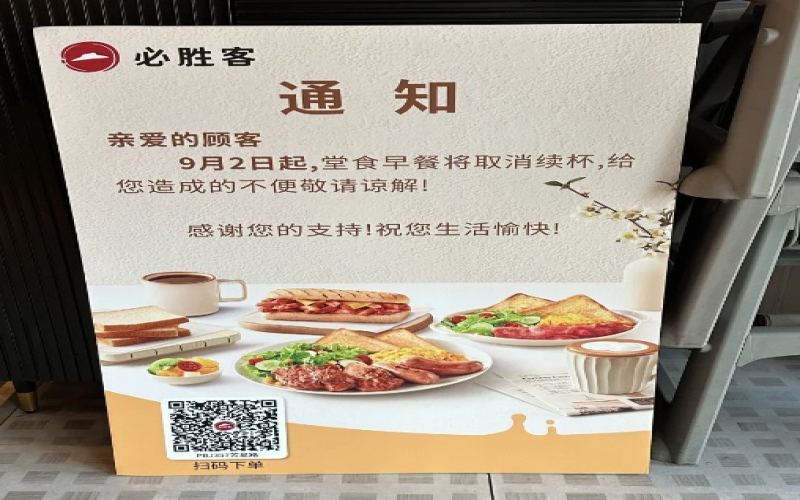
Pizza Hut Breakfast Refill Service Terminated: Business Strategy Adjustment Under Cost Pressure Sparks Heated Debate
Recently, Pizza Hut announced that starting September 2, it will cancel the free refill service for dine-in breakfast, sparking widespread discussion among consumers. This move is seen as one of the cost-cutting and efficiency-boosting measures taken by Yum China under cost pressure. Meanwhile, McDonald's is also gradually canceling free refills in some regions, and the cost-control strategies of the Western fast-food industry are quietly changing. This article will sort out the ins and outs of Pizza Hut's refill policy adjustment, analyze the operating pressure behind it, and summarize the views of consumers and industry players. [more…]
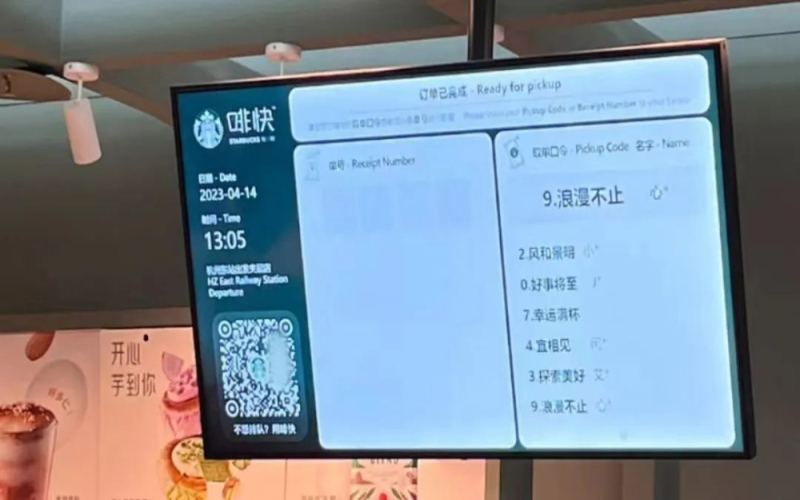
Starbucks Handwritten Cups Are Fading Into History: From Personal Doodles to the Efficiency Shift of Standard Labels
Once upon a time, while waiting for coffee after ordering at Starbucks, the handwritten name, smiley face, or a warm blessing on the cup was a small, everyday joy many people took for granted. Now, this personalized service is quietly disappearing, replaced by uniformly printed label stickers. From customers missing the sense of exclusivity brought by handwritten cups, to baristas facing the dual pressures of labor shortages and complaint risks, to the "Fei Kuai" service driving standardized processes, the era of Starbucks handwritten cups seems to have gone forever. This article reviews the rise and fall of handwritten cups, explores the debate between efficiency and ritual behind it, and what this change means for coffee lovers and store operations. [more…]

Has QR Code Ordering Become the Standard for Tea Shops? Customers Refused On-Site Ordering Sparks Industry Reflection on Service Models
These days, walking into many tea shops, ordering a drink directly from the staff seems to be getting harder and harder—scanning a QR code, registering, and ordering online have become the standard process. Recently, a netizen shared an experience of being refused when trying to order directly at the counter because they were feeling unwell, sparking widespread discussion. Some people agree that ordering by scanning the code is efficient and saves time, while others question why on-site ordering is still not allowed when there are no other customers. Tea shop employees revealed that factors such as not being equipped with a cash register system, difficulty making change for cash, and insufficient staffing make QR code ordering a helpless choice for most stores. This debate over ordering methods reflects the difficult balance between efficiency and humanized service. [more…]

Luckin Coffee Store Cash Payment Blocked Sparks Debate; Official Customer Service Says It Can Be Completed via APP Assistance
Recently, some consumers have reported encountering inconvenience when using cash to pay at Luckin Coffee stores. Staff repeatedly guided them to place orders via mobile phone, and only after a long wait did another employee accept the cash and operate the order on their behalf. Similar situations have been mentioned by netizens before, with one elderly customer left at a loss in front of the counter because they were unfamiliar with mobile ordering. In response to the difficulty of paying with cash, Luckin's official customer service stated that stores can accept cash, and after customers arrive at the store, staff can assist them in placing orders through the app or mini-program, and they can pay in cash after confirming the information. Some analysts believe that Luckin's adoption of a small-store, low-staff operating model, with no dedicated order-taking personnel, is based on efficiency considerations, but there is still room for improvement in terms of service awareness. [more…]
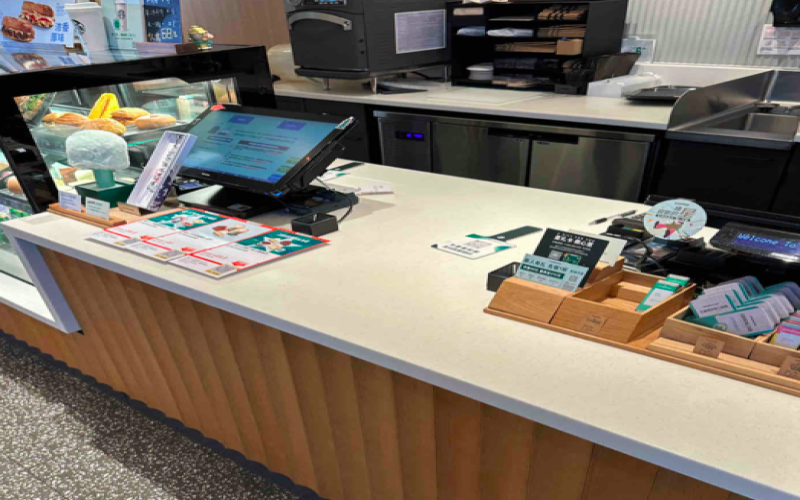
Starbucks Turning Employee Order Screens Toward Customers Sparks Debate, Internal Sales Pitch Accidentally Exposed
Recently, some Starbucks locations have turned their employee-only order-taking devices toward customers, attempting to let customers order self-service or have staff step out from behind the counter to assist with ordering. However, this move has sparked quite a bit of awkwardness and controversy: customers are at a loss facing the complex ordering system, internal sales scripts have been accidentally leaked, and staff are run off their feet even more during peak hours. Some baristas say the new rules not only fail to improve efficiency, but actually make the work more burdensome. This article will walk you through the ins and outs of this incident, as well as the real thoughts of Starbucks workers. [more…]
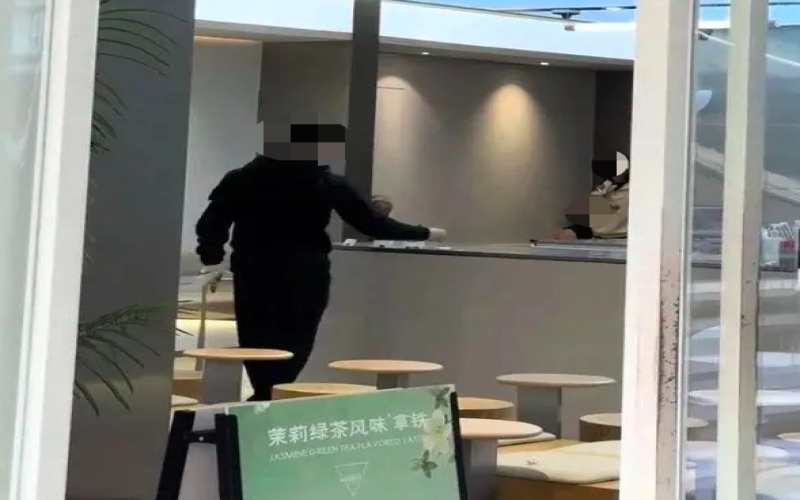
Customer at a Manner store in Fuzhou loses their temper, throws a cup at the bar counter; barista working alone sparks debate over service efficiency
Recently, a conflict between a customer and an employee occurred at a Manner store in Fuzhou, and related videos sparked widespread discussion online. In the footage, a customer repeatedly threw cups, labels, and other items from the counter into the preparation area, appearing highly emotional, while only one employee was on duty in the store. The store later responded that the incident began when a staff member reminded the customer after the coffee was made incorrectly, which may have upset the customer. The incident not only brought Manner's long-criticized "one-person shift" problem back into the spotlight, but also led many regular customers to complain about excessively long wait times. Front Street Coffee follows industry developments, and this article sorts through the course of the incident and the responses from various parties. [more…]

Refund difficulties on Luckin's mini-program spark debate: store phone numbers not publicly listed, leaving both consumers and staff in a bind
Ordering through mini-programs is quick and convenient, and you can even get coupons, but once you place a wrong order and want a refund, you may run into obstacle after obstacle. Recently, a blogger mistakenly ordered 17 cups of coffee through the Luckin mini-program. Within one minute, they tried to cancel, only to find that the mini-program did not display the store’s phone number, while the headquarters customer service kept passing them back and forth through an intelligent robot. In the end, they had no choice but to bear the loss themselves. This incident struck a chord with many netizens, and quite a few shared similar experiences. Consumers are calling for store contact information to be made public or for the self-service refund function to be improved, while Luckin staff also said that stores cannot directly process refunds and that the procedure is cumbersome, expressing hope that the system can be optimized. When convenience and after-sales service become disconnected, how should brands balance efficiency and consumer rights? [more…]
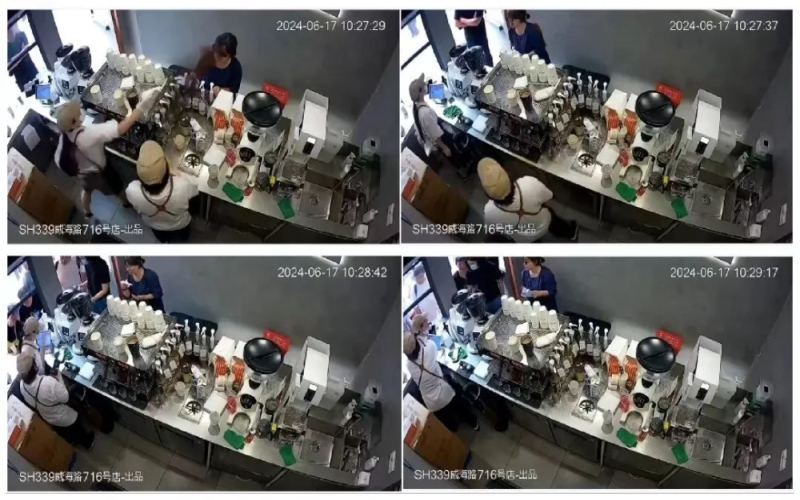
Manner Coffee Store Conflict Incident: Barista Emotional Outburst and Customer Dispute Spark Industry Reflection on Labor Practices
Recently, two intense disputes between staff and customers occurred at Manner Coffee stores in succession, drawing widespread attention. In one incident, due to slow service, an emotional staff member threw coffee powder at a customer, while another escalated into a physical conflict over order催促. The brand responded by dismissing the employees involved, but the issues reflected behind the incidents—such as understaffing at stores and excessive pressure on employees—have become the focus of discussion among netizens and loyal customers. As coffee enthusiasts, we can't help but ponder: while pursuing efficiency, how can we ensure service quality and employee rights? Front Street Coffee has always followed industry trends, advocating rational consumption and humanistic care. [more…]
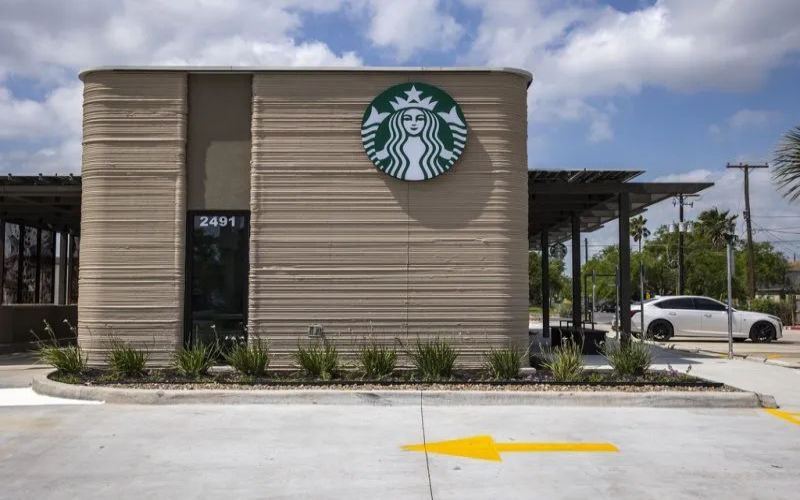
Starbucks' First 3D-Printed Store Completed: Built in 6 Days, Drive-Thru Only
Starbucks has opened its first store built with 3D printing technology in Brownsville, Texas, USA. The project was undertaken by the German team Peri 3D and completed in just 6 days at a cost of nearly 1.1 million USD. The store is located on Boca Chica Boulevard, and its building shell is made of layer-by-layer stacked concrete walls, presenting a wavy tubular structure. Windows, brand signage, and drive-through facilities have all been installed in place. This store has no seating and only offers drive-through and takeout services, aiming to improve service efficiency and cater to the driving habits of Texas residents. The design process used AI for planning, covering layout, material selection, cost, and carbon footprint calculations. Starbucks has not yet revealed whether it will promote this type of store. Front Street Coffee follows developments in the coffee industry and brings you the latest news. [more…]
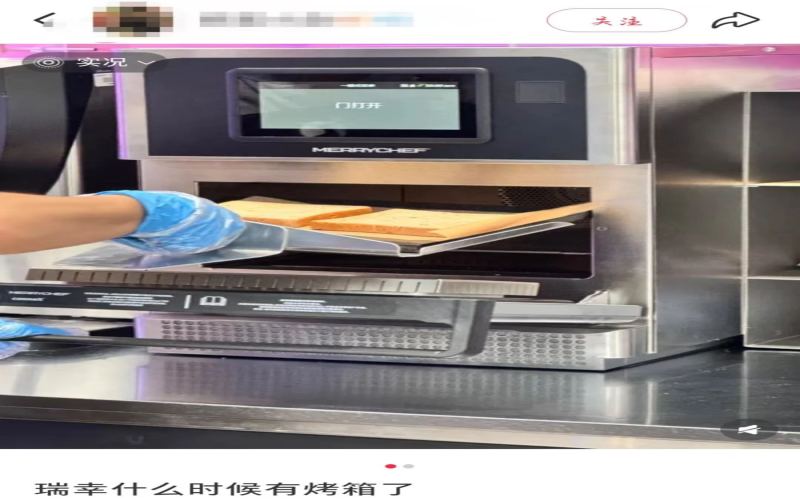
Individual Luckin Coffee stores adding ovens sparks employee discussion, nationwide rollout may be constrained by licensing requirements
Chain coffee brands continue to enrich their bakery product lines. Luckin Coffee was recently reported to have installed ovens at a store in Shanghai, capable of heating light meals such as sandwiches. Once the news broke, consumers widely applauded and looked forward to a nationwide rollout; but frontline employees pushed back strongly, worried about cleaning burdens, service efficiency, and customized requests. Some level-headed voices pointed out that currently only special store formats such as flagship stores have the conditions for heating, and a nationwide rollout is still restricted by food processing qualifications. This article will walk you through the full picture of the incident and the voices from all sides. [more…]

Can you still open a coffee shop during the pandemic? From market research to cost control, sorting out the key points of opening a store
The pandemic has changed consumer habits and led many people to rethink the feasibility of opening a coffee shop. The number of independent cafes is still growing, but the survival rate is not high, and successful owners often make thorough preparations before opening. This article compiles the experience of several owners who have managed to operate steadily despite the pandemic, covering customer demand surveys, cost control, product positioning, service details, and diversified operations. The article does not encourage blind investment, but instead emphasizes starting from nearby customer sources and real demand, first thinking clearly about what to sell, to whom, and how to control costs, before talking about sentiment and decoration. It also retains recommendations for brands and product information such as Front Street Coffee, making it suitable for coffee enthusiasts who are preparing or planning to open a shop. [more…]
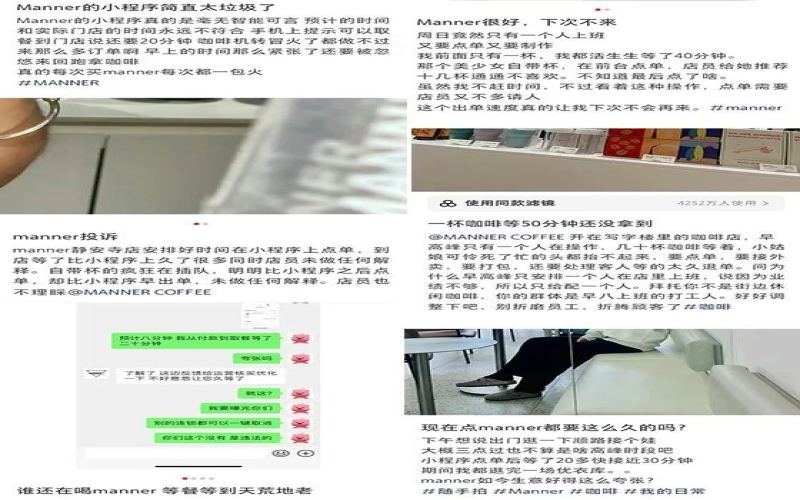
Manner's Slow Service Sparks Heated Debate: Store Staffing Arrangements Draw Criticism, Customers and Employees Alike Call for Improvement
Manner Coffee has won the favor of many consumers with its high cost-performance and thoughtful service. Bringing your own cup and ordering ahead via the mini-program have become daily choices for many office workers. However, recently, complaints about slow order fulfillment at Manner stores have been increasing. The completion times shown in the mini-program are severely inconsistent with actual wait times, and waits of twenty minutes or even an hour during peak hours are common. What dissatisfies consumers even more is that some stores are staffed by only one employee, who is overwhelmed when orders surge, causing customers and delivery riders to be stranded for long periods. Some netizens left bad reviews due to slow order fulfillment, but received a reply from the store saying that "the employee involved has been seriously dealt with," sparking widespread controversy. This article will sort out the course of the incident, netizens' views, and the actual situation of Manner employees, and explore how the brand can balance efficiency and employee care amid rapid expansion. [more…]
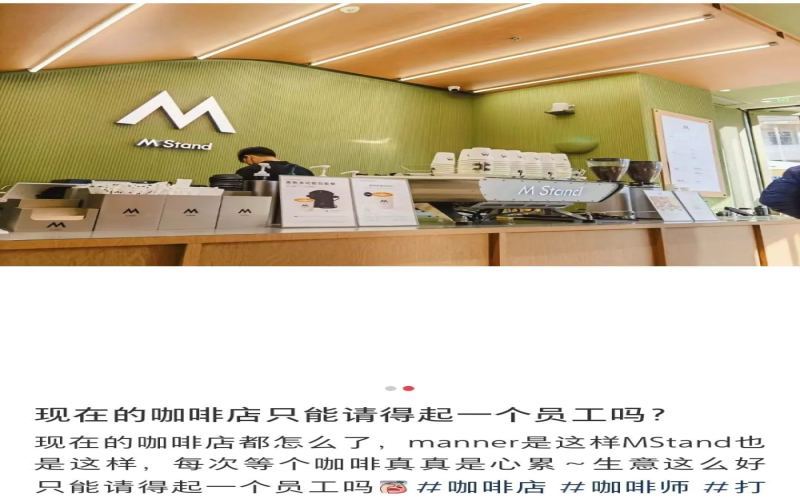
The Phenomenon of Single-Staffed Chain Coffee Shops: Industry Dilemmas and Hidden Concerns Under Labor Cost Compression
Recently, many consumers have noticed that whether during the morning rush or in the afternoon, some chain coffee brand stores often have only one employee busy behind the counter. Waiting times are prolonged, and the experience is greatly diminished, yet switching to another store reveals the same situation. What exactly is happening behind this? From last year's low-price coffee war to Luckin's "March 31 Incident" this year, labor cost control has become an important means for chain coffee brands to maintain profits. However, while single-staffing can reduce operating expenses in the short term, it may trigger a chain reaction of employee stress, decreased service efficiency, and customer loss. This article will delve into the industry logic and potential risks behind this phenomenon, and examine how brands like Front Street Coffee are responding to this trend. [more…]
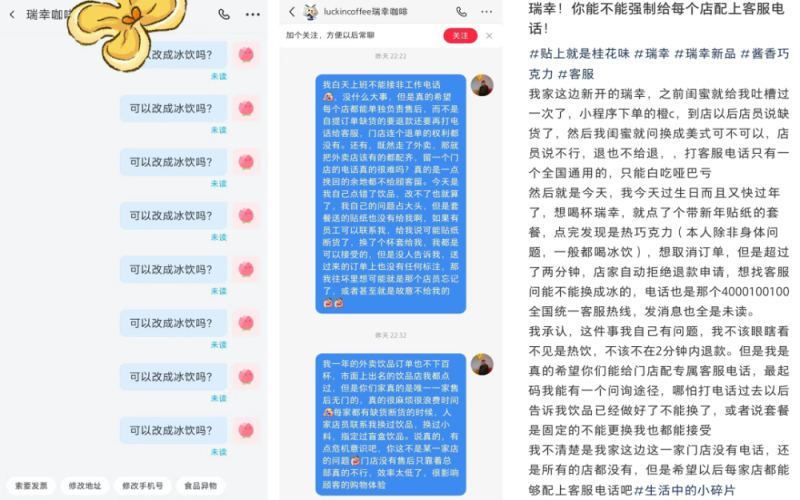
Limited Contact Channels for Luckin Stores Spark Debate: Customers Struggle to Reach Stores by Phone After Misoperations
When ordering on a food delivery platform, many consumers have experienced the mistake of confirming too quickly without carefully reading the options. Third-party platforms usually support time-limited cancellations, but if it is a merchant's own mini-program or app, the process for modifying or canceling an order is often more cumbersome, and many people's first instinct is to call the store directly. Recently, however, some customers have discovered that what is listed on the Luckin Coffee platform is not the store's direct line, but the national unified customer service hotline, making it difficult to reach the store level in a timely manner. This situation has sparked discussions about the contact information of chain brand stores, order modification and cancellation permissions, and has also brought to light the real conflict in communication efficiency between consumers and stores. [more…]
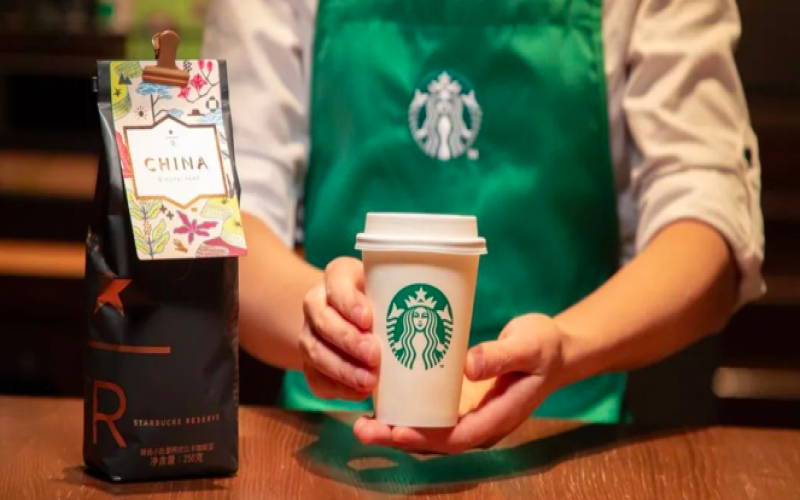
Starbucks China to launch "multi-store community" model next year: one store manager may simultaneously steer two stores
Starbucks China plans to implement a new operating model starting in January 2025, with some stores shifting from "going it alone" to "team-based operations," introducing for the first time a "multi-store community" model in which one store manager oversees two stores simultaneously. At the same time, Starbucks will also establish a new "SM-2 Senior Store Manager" position, adjusting its role setup and training system to cope with its increasingly large store network and fierce competition. This change has sparked heated discussion among netizens, with some noting that brands such as McDonald's and KFC have long had similar precedents, while others worry whether service quality will be affected. [more…]
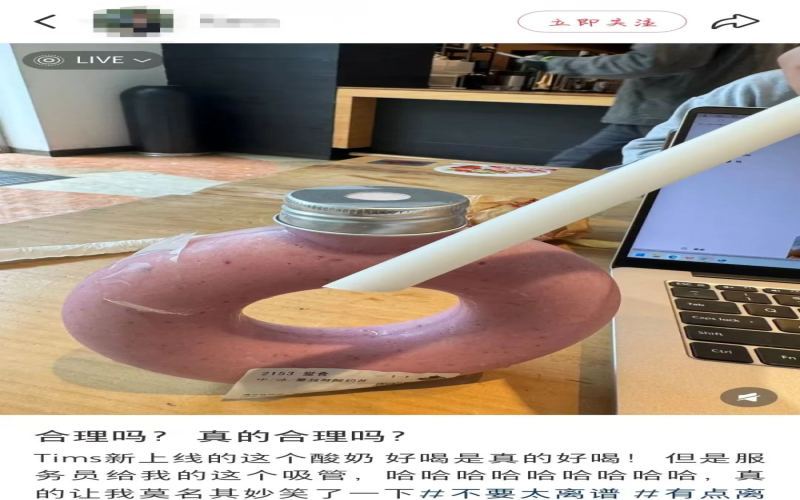
Tims' ring-shaped cup paired with a straight straw sparks heated debate, with the creativity of the packaging, its practicality, and serving efficiency called into question
Tims' newly launched fruit and vegetable drink "Cranberry Yogurt Smoothie" quickly caught consumers' attention with its unique ring-shaped packaging cup, and many people even placed orders specifically for this oddly shaped cup. However, when customers received the drink, they found that it came with a straight, thick straw, and the combination with the ring-shaped cup made people exclaim, "Is this reasonable?" The smoothie has a thick texture, and the straight straw can hardly reach the bottom inside the ring-shaped bottle, so customers had no choice but to unscrew the cap and drink directly. At the same time, Tims employees also complained that the ring-shaped cup affected service efficiency, as the slushy drink was difficult to pour into the narrow bottle opening. Whether this creative packaging is a bonus or a trouble maker has sparked widespread discussion. [more…]
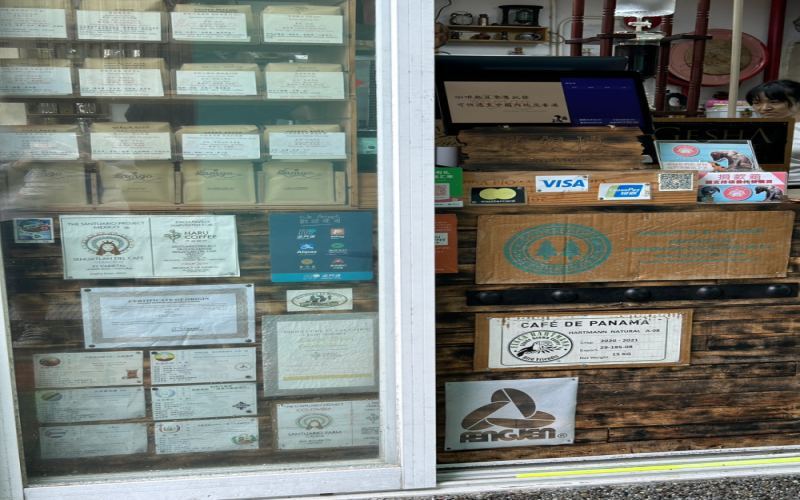
Small Shops Can Also Build Big Businesses: Community Café Operation Strategies and New Marketing Ideas for 2023
A mere 20-square-meter coffee shop in Macau, with its consistent quality and unspoken rapport with regulars, leaves a lasting impression; a 1-square-meter mini café in Japan, converted from a cigarette kiosk, has also become a neighborhood landmark. These cases reveal a common pattern: the success of a coffee shop lies not in its size, but in precise positioning, consistent products, high cost-effectiveness, and attentive service. This article systematically reviews the operating strategies and marketing trends of community cafés in 2023—from community site selection, quality control, and customer base maintenance to repeat-purchase promotions such as points, stamp cards, and scratch cards—providing actionable reference ideas for coffee entrepreneurs. [more…]