







How is the coffee culture shift affecting Starbucks ordering?
Some Starbucks stores have turned staff ordering screens toward customers, aiming for self-service or letting baristas step out from behind the bar to help. The change has caused confusion: internal sales scripts, including recommended wording for a 68-yuan Star Gift Pack, became visible to customers, and baristas say the rule adds work during peak hours.
Employees link the move to the CEO's stated goal of returning the brand to its community coffeehouse positioning, with stores reversing screens in off-peak seasons to encourage conversation. The machines lack the simple step-by-step guidance of self-service POS systems elsewhere, so many customers puzzle over the options. Instead of easing workloads, staff report that ordering through the machine and explaining it both take longer.
Recently, some Starbucks stores have turned the ordering machines originally intended only for staff use toward customers, attempting to let customers order self-service or have staff step out from behind the bar to assist with ordering. However, this move has sparked quite a bit of awkwardness and controversy: customers are at a loss facing the complex ordering system, internal sales scripts have been accidentally leaked, and staff are even more run off their feet during peak hours. Some baristas say the new rule not only fails to improve efficiency but actually makes the work more burdensome. This article will walk you through the ins and outs of this incident, as well as the real thoughts of Starbucks workers.
▲
Click to follow | Daily specialty coffee culture magazine Coffee Workshop
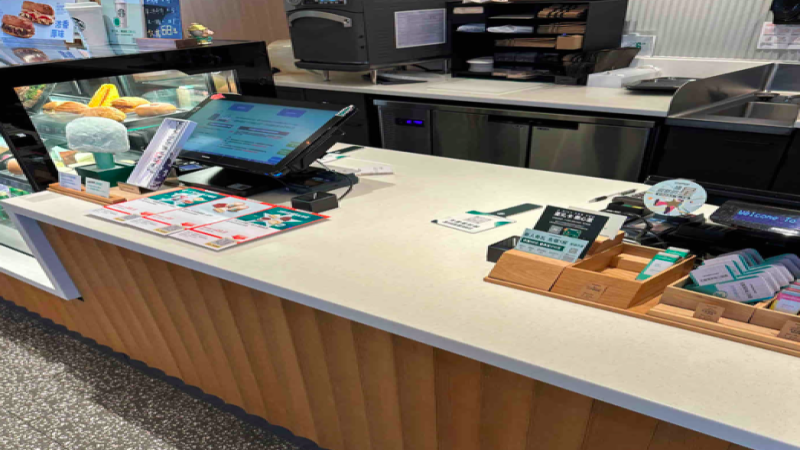
Recently, many customers have noticed a change when ordering at Starbucks stores: the checkout screens originally operated only by staff have been turned around, directly facing customers walking in the door.
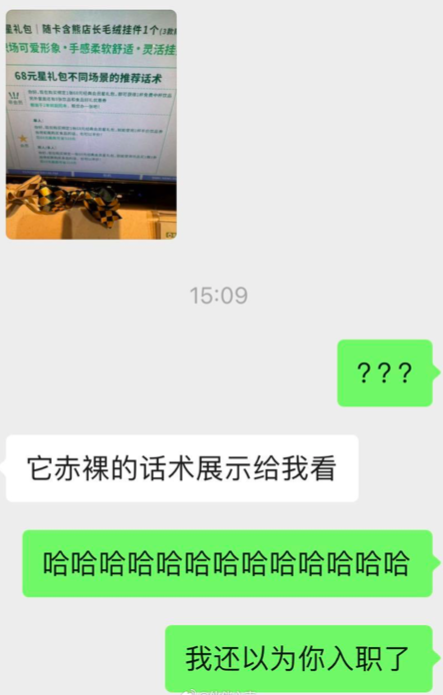
This adjustment seems trivial, yet it leaves customers standing in front of the bar feeling confused. Some netizens said that when facing the ordering machine screen, they saw it prominently displaying "recommended scripts for the 68-yuan Star Gift Pack in different scenarios," and were both surprised and puzzled, not understanding why the store would do this—it even made people mistakenly think they had become Starbucks employees.
In response, Starbucks employees explained that "turning the staff ordering machine toward customers" is a new measure recently implemented by stores in some regions. They speculate this may be related to the Starbucks CEO's earlier public statement about leading the brand to "return to its community coffeehouse positioning," so some management proposed reversing the ordering screens during off-peak seasons, with the aim of getting staff out from behind the bar to help customers complete orders in a more relaxed, chatty way. Others believe that during peak hours, efficiency-seeking customers can order on their own through the screen facing them, thereby reducing the burden on staff.
But the reality is that these ordering machines do not have clear, simple process guidance like the self-service POS machines introduced by some fast-food brands. Most customers facing the lit-up screen can only guess, and may only press the correct option after repeated attempts. Therefore, in the eyes of employees, it is far more difficult for customers to buy drinks through the ordering machine themselves than by using the official App or mini-program.
For this reason, employees revealed that in stores with sufficient staff, someone may be assigned to watch over the customer-facing ordering machine in front of the bar. This way, they can provide ordering help to customers at any time and also prevent customers unfamiliar with the operation from damaging the equipment.
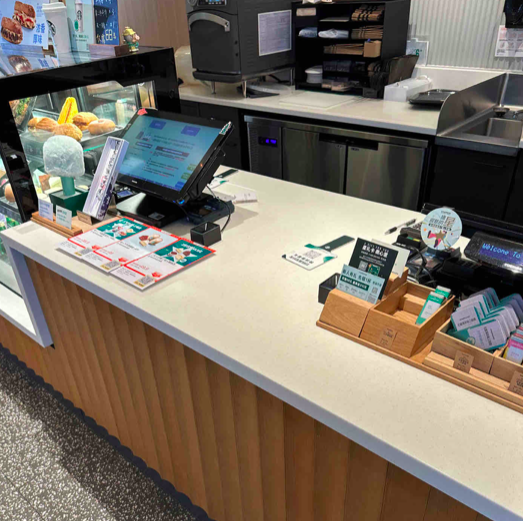
However, in some stores staffed by only one person, the barista behind the bar will be as busy as a spinning top. One moment they have to appear in front of the bar to assist customers with ordering, and after the order is successfully paid, they must rush back behind the bar to make the coffee, then hand the finished drink to the customer.
Some employees said bluntly that since this new rule was added, during every peak period they wish they could "blink" and instantly switch positions, rather than having to run back and forth around the bar. "Running inside and out for orders, and having to squeeze through a long queue to take orders," "Busy making drinks and still need someone to watch the POS machine," "One person running back and forth inside and outside the bar, I'm really done!"
In addition, staff also pointed out that when the ordering machine faces customers, it is inevitable that customers may accidentally touch it and see internal materials that should not be disclosed, such as sales scripts in the system, creating awkward situations for both sides. Therefore, besides being dissatisfied with this, workers also believe that this new rule will not improve work efficiency and service quality as expected, and may instead cause trouble for both customers and staff.
It is undeniable that if staff could stand outside the bar to greet customers and order with them, such service might make consumers feel favorably toward the brand. However, workers who have experienced it firsthand believe that "the imagination is beautiful, but the reality is harsh." This new rule only makes them busier, and may even backfire, leaving staff unable to provide customers with a better service experience because they are just coping with work.
Image source: Internet
Disclaimer: Some images in this article are from the Internet. For some content on the website, such as images, we will respect the original author's copyright and indicate the source. However, due to the large volume, some images and texts may not have been credited in time; please forgive us. If the original author has any disputes, they can contact the website for handling. Once verified, we will correct it immediately. Compiled and edited by "Coffee Workshop." Please indicate the source when reprinting. If there is any infringement, please inform us for deletion. Thank you~!
The above content is compiled by CoffeeHunters, a coffee news website.


