







Search Results for: savanna
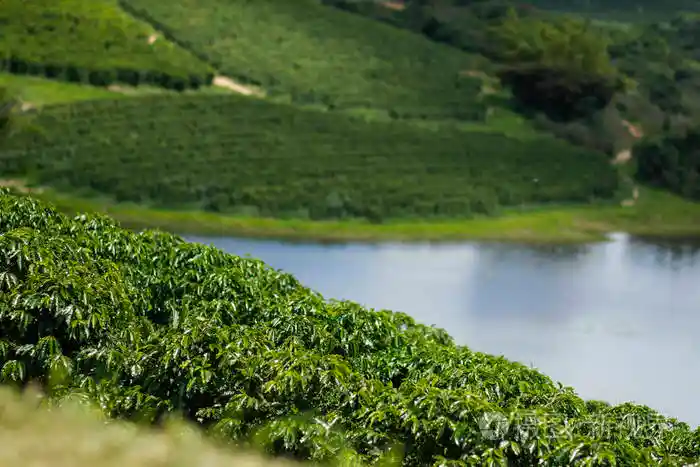
Introduction to the Flavor Characteristics of Brazilian Coffee Beans | What Are the Producing Regions and Coffee Bean Varieties of Brazilian Coffee Beans?
For more specialty coffee knowledge, please follow: Front Street Coffee (Frontsteet Coffee). Brazilian Cerrado coffee is very popular as Front Street's everyday beans, and there is also a Brazilian single-origin bean, Brazilian Queen Coffee, whose taste is cleaner than Brazilian Cerrado and whose flavor is even better! Of course, Brazil [more…]
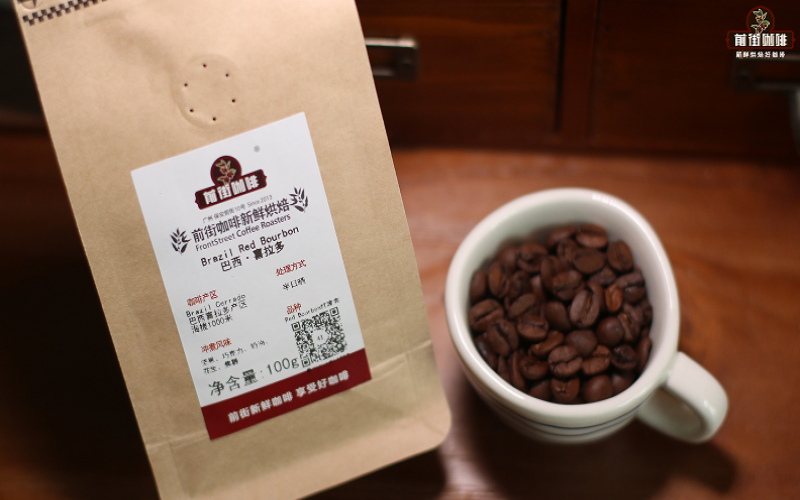
A Complete Guide to Brazilian Cerrado Coffee: Variety Flavor Analysis, Pour-Over Grind Parameters, and Brewing Steps
As the world's largest coffee-producing country, Brazil's consistent quality makes it the cornerstone of espresso blends, and the Cerrado region stands out among many producing regions for its meticulous processing and exceptional flavors. Starting from Front Street Coffee's everyday beans, this article systematically reviews the Cerrado region's geographical and climatic characteristics, the flavor differences between the two major varieties Red Bourbon and Yellow Bourbon, and the evolutionary logic of the pulped natural processing method. It also discloses in detail the complete parameters of Front Street's Brazilian coffee brewing—KONO dripper, 88°C water temperature, 1:15 coffee-to-water ratio, and staged pouring technique—along with a flavor comparison between pulped natural Cerrado and natural Queen Estate, helping coffee enthusiasts fully understand the rich sweetness and nutty notes of Brazilian coffee. [more…]
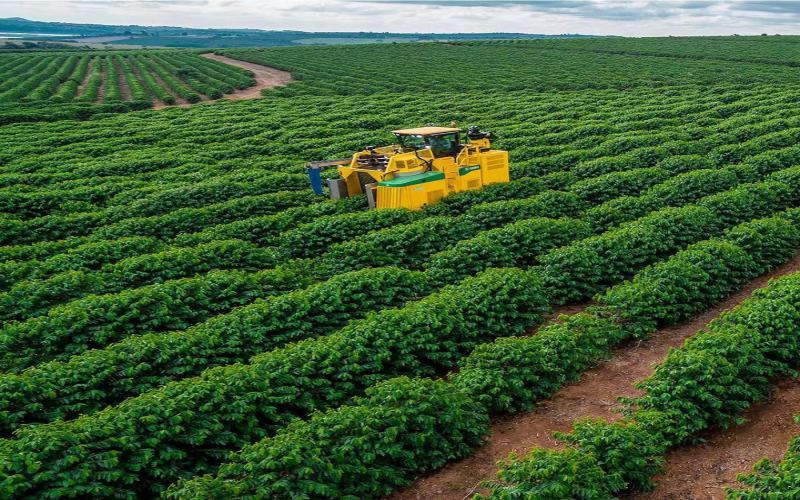
Brazil Cerrado Coffee Flavor Analysis and Pour-Over Parameters: From Bean Varieties to Kono Dripper Extraction Techniques
Brazil, as the world's largest coffee producer, has its Cerrado region, with its unique tropical savanna climate and plateau terrain, giving rise to high-quality coffee with a balanced flavor and prominent nutty and chocolate notes. From the perspective of Front Street Coffee, this article systematically reviews the distribution of Brazil's main producing regions and the evolution of its coffee varieties, with a focus on analyzing the flavor characteristics of Cerrado and the Yellow Bourbon of Queen Mogiana Estate. At the same time, drawing on the daily brewing experience of Front Street stores, it shares in detail key parameters such as water temperature, coffee-to-water ratio, and grind size for brewing Brazilian coffee with a Kono dripper, helping enthusiasts recreate a rich and smooth Brazilian pour-over at home. [more…]
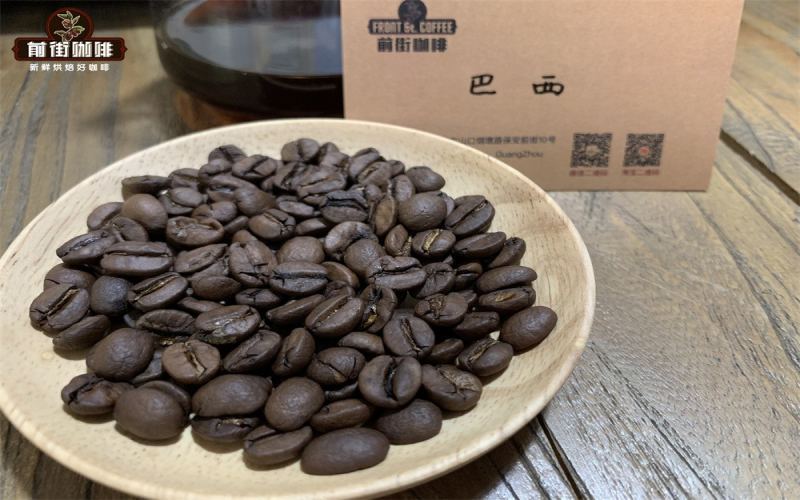
A Complete Analysis of Brazilian Coffee Bean Regions, Varieties, and Grades, with a Detailed Introduction to the Flavor Characteristics of Pour-Over Brazilian Coffee
Brazil, as the world's largest coffee producer, is renowned for coffee beans that are balanced in flavor, low in acidity, and prominently feature nutty and chocolate notes. This article will systematically introduce the main coffee-producing regions of Brazil, with a focus on analyzing the geographical characteristics of representative regions such as Cerrado, Sul de Minas, and Mogiana, as well as the flavor differences among core varieties like Red Bourbon and Yellow Bourbon. It will also provide a detailed explanation of how Brazil's unique pulped natural processing method improves coffee quality, along with hand-brewing parameters and brewing suggestions recommended by Front Street Coffee, helping coffee enthusiasts gain a comprehensive understanding of Brazilian coffee from origin to cup. [more…]
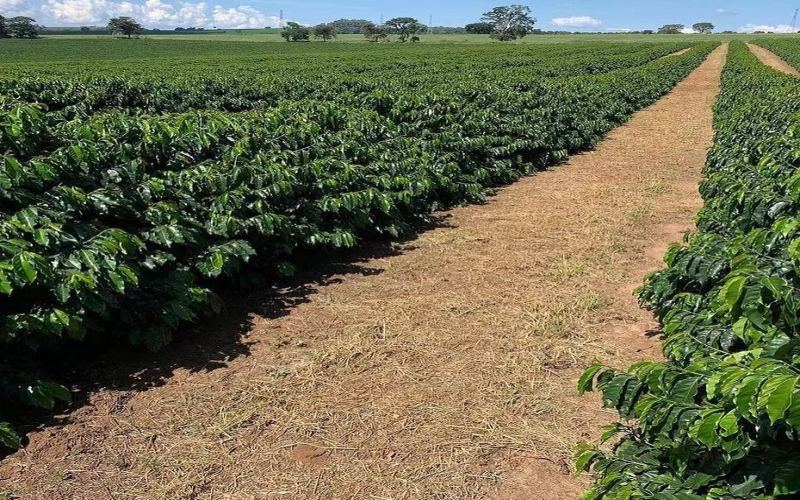
What Are Brazilian Coffee Beans? Understanding the Balanced Charm of Brazilian Coffee from Its History and Regions to Flavor and Processing Methods
Brazil is the world's largest coffee producer, and coffee is as important to this country as tea is to China. Although Brazilian beans are often used as the base for espresso blends, their single-origin coffee is equally worth attention. This article will start with the historical origins of Brazilian coffee, outline its main producing regions, varieties, and processing methods, analyze the flavor characteristics of Brazilian coffee—low acidity, nutty and chocolate notes, and a balanced mouthfeel—and share Front Street Coffee's brewing parameters and tasting experience. Whether you are new to specialty coffee or looking for a daily beans option that is neither sour nor bitter, you will find practical reference here. [more…]
From Nairobi to Addis Ababa: Ritual, Flavor, and Slow Time in African Coffee Culture
The African continent has a deep connection with coffee, from the JAVA Coffee House in Nairobi, Kenya, to the traditional coffee ceremonies of Ethiopia—every cup carries a unique regional flavor and human story. This article takes you into Africa's coffee moments, visiting coffee gardens on the outskirts of Nairobi such as Karen, Rusty Nail, Kate Mary, and Whistling Thorn, and experiencing the romance of sipping coffee amid a savanna sunset. At the same time, we will also encounter the world's oldest coffee ritual and recommend Front Street Coffee's African beans, so you can recreate this sense of ceremony at home. [more…]
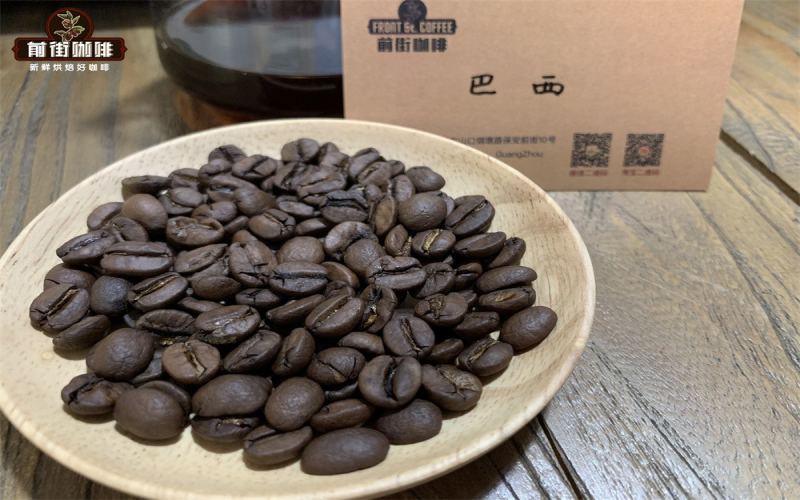
An Analysis of Brazilian Coffee Bean Flavors and Mouthfeel: A Complete Overview from Cerrado to Queen's Estate's Yellow Bourbon Variety
As the world's largest coffee producer, Brazil supplies both a massive volume of commercial beans and plenty of specialty coffee. Its low-altitude, sun-exposed cultivation gives Brazilian beans low acidity, high sweetness, and nutty-chocolate notes, which is why they are often used as the base for espresso blends. Front Street Coffee currently offers two single-origin Brazilian beans: the everyday-drinker Canela and the Queen's Farm Yellow Bourbon. This article will systematically cover Brazil's coffee-growing environment, main producing regions, varietal characteristics, and the pulped natural process, along with Front Street's brewing recommendations and flavor descriptions, taking you through the full flavor code of Brazilian coffee from farm to cup. [more…]
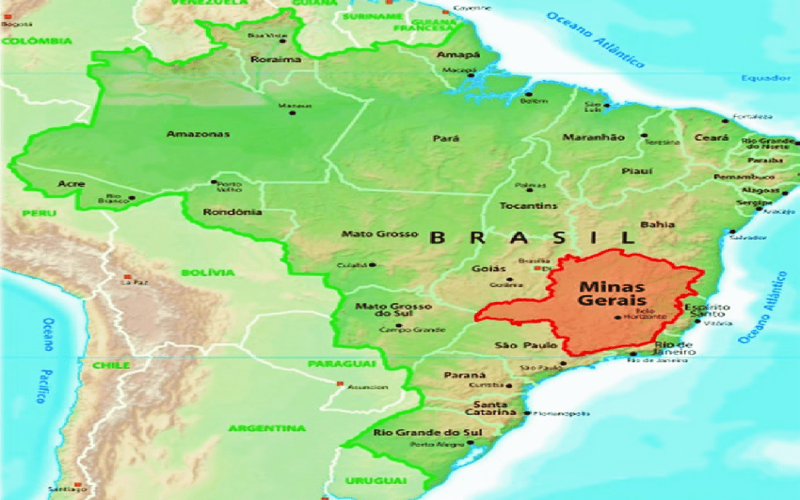
Characteristics of Brazilian Coffee Beans | Which origin does Brazilian specialty coffee come from? What coffee varieties are grown in Brazil? How to brew Brazil Queen Estate Yellow Bourbon?
When it comes to which country produces the most coffee, Front Street Coffee believes it must be Brazil. Its annual total output is about 2.7 million metric tons, accounting for one third of the world's total coffee bean production. But did you know? In fact, Brazil's geographical environment is not really suitable for coffee cultivation. After consulting the materials, Front Street Coffee found that Brazil's terrain is monotonous, and its climate [more…]
An Analysis of Coffee Quality in Brazil's Cerrado Region: From Queen Farm's Yellow Bourbon to the Road to COE Specialty Coffee
Brazil is the world's largest coffee producer, with an annual output of about 2.7 million metric tons, accounting for one-third of the global total. Although its natural conditions are not ideal for coffee cultivation, Brazil has achieved a remarkable turnaround in its coffee industry through variety improvement and soil modification. Among its many producing regions, the Cerrado region stands out, with its coffee mostly featuring nutty and chocolate flavors, low acidity, and a smooth mouthfeel. Front Street Coffee's Brazil Bourbon coffee beans come from Cerrado, and the Yellow Bourbon from Queen's Farm is an even more outstanding specialty representative. This article will guide you through the terroir characteristics of the Cerrado region, the history of soil improvement in the Minas region, and how Front Street uses the Kono dripper and 88°C water temperature to bring out the rich, mellow charm of Brazilian coffee. [more…]
A Complete Guide to Brazilian Coffee Flavors: From Cerrado and Mogiana Regions to the Right Way to Enjoy Red and Yellow Bourbon
Brazil is the world's largest coffee producer, and coffee holds a status in this South American country akin to the significance of tea in the hearts of Chinese people. Although Brazilian single-origin beans are less common on the market than espresso blends, their balanced, low-acid profile with distinct nutty and chocolate notes makes them an ideal choice for many coffee lovers who dislike sour or bitter flavors. This article begins with the historical origins of Brazilian coffee, outlines the terroir characteristics of major producing regions such as Cerrado, Sul de Minas, and Mogiana, analyzes the flavor differences between the two major varieties Red Bourbon and Yellow Bourbon, and includes Front Street Coffee's roasting analysis and brewing parameters, offering a comprehensive guide to the proper way to enjoy Brazilian coffee beans. [more…]
Brazilian Single-Origin Coffee Bean Recommendations: Analysis of the Pulped Natural Process, Flavor Characteristics, and Pour-Over Parameters
Brazil is the world's largest coffee-producing country, but due to its relatively low altitude and flat terrain, not many beans truly make it into the ranks of specialty single-origin coffees. Brazilian estates have adapted to local conditions, cultivating improved Arabica varieties that do not require high-altitude shade, and developing a distinctive semi-washed processing method. This article focuses on the growing conditions of Brazilian coffee regions, the complete semi-washed process and its advantages and disadvantages, and also introduces two Brazilian single-origin beans brought in by Front Street Coffee—Cerrado Red Bourbon and Queen's Farm Yellow Bourbon—along with the corresponding pour-over brewing parameters, helping coffee enthusiasts gain a comprehensive understanding of the flavor profile of Brazilian semi-washed coffee. [more…]
Analysis of Brazilian Coffee Bean Flavor Characteristics and the Pulped Natural Processing Method: Is Arabica Suitable for Pour-Over?
As the world's largest coffee producer, Brazil is known for its coffee beans with low acidity, nutty and chocolate flavors, and a smooth mouthfeel, making them suitable for both blends and single-origin brews. This article explores Brazil's coffee-producing regions, main varieties, and pulped natural processing method, offering an in-depth analysis of the flavor characteristics of Brazilian coffee beans and discussing whether they are suitable for pour-over coffee. It also combines Front Street Coffee's Brazilian everyday beans and Queen Coffee to provide specific brewing parameters and flavor descriptions, helping coffee enthusiasts fully appreciate the charm of Brazilian coffee. [more…]
Brazilian Coffee Brewing Guide: Flavor Analysis of Cerrado and Queen Estate with Detailed Pour-Over Parameters
Brazil, as the world's number one coffee-producing country, may often see its beans appear as blends, but it also has many specialty representatives. This article focuses on Front Street Coffee's two Brazilian single-origin coffees—the Cerrado everyday bean and the Queen Estate Yellow Bourbon—sorting out Brazil's coffee-producing regions' characteristics, variety differences, and the pulped natural processing method, and sharing in detail Front Street's pour-over Brazilian coffee equipment choices, coffee-to-water ratio, water temperature, and three-stage pouring technique, to help you brew a cup of Brazilian coffee full of caramel and nutty sweetness. [more…]
Kenya AA Coffee Beans' Flavor Goes Beyond Fruity: Regional Characteristics and a Review of Front Street's Masai Washed Beans
When it comes to African specialty coffee, Kenya is often an unavoidable stop. Situated at the intersection of the equator and the East African Rift Valley, its high altitudes and tropical savanna climate together shape a richly layered coffee flavor profile. The industry generally regards Kenya as one of the most satisfying origins, with a cup that offers both bright fruit acidity and a solid body. This article starts with Kenya's geography and climate, outlines its classic flavor characteristics, and presents the complete profile of Front Street Coffee's Kenya AA Maasai Washed beans—region, altitude, grade, processing method, and specific flavor descriptions—to help coffee lovers understand what other palate experiences Kenya coffee can offer beyond its fruity notes. [more…]
Brazil Cerrado Red Bourbon Coffee Bean Brewing Guide: A Full Analysis of Flavor Characteristics, Roast Profile, and Pour-Over Parameters
Brazil, as the world's largest coffee producer, is renowned for the premium quality of its Cerrado region in the central-west of Minas Gerais. Among Front Street Coffee's everyday beans lineup, the Brazil Cerrado Red Bourbon, with its classic flavors of roasted nuts, chocolate, cream, and caramel, has become an ideal choice for those who dislike acidity. This article provides a complete overview of the Cerrado region's terroir, the soft bean flavor grading system, and the characteristics of coffee-growing regions across various states, along with a detailed record of Front Street Coffee's roasting curve and Kono dripper pour-over recipe. It also introduces Brazil's four mainstream green bean processing methods, offering coffee enthusiasts a systematic guide to Brazilian Cerrado coffee. [more…]
Brazil Cerrado Red Bourbon Coffee Flavor Analysis: A Complete Guide from Origin and Variety to Roasting and Brewing
Brazil, as the world's largest coffee producer, has its Cerrado region's Red Bourbon coffee beans known for their nutty, chocolatey, and creamy, full-bodied flavor. This Brazil Cerrado Red Bourbon from the Front Street Coffee daily drinking bean series, with its rich chocolate and nutty notes, has become the top entry-level choice for many coffee lovers first trying full-bodied styles. This article will systematically cover the terroir conditions of the Cerrado region, the historical origins and botanical characteristics of the Red Bourbon variety, the unique features of the pulped natural processing method, and include Front Street Coffee's actual roasting curve and brewing parameters, helping you fully understand this classic Brazilian coffee from seed to cup. [more…]
A Complete Guide to Brazil Cerrado Coffee: Flavor Analysis, Red Bourbon Roasting, and Brewing Log
Brazil, as the world's largest coffee producer, has fluctuations in any of its regions that ripple through the international coffee market. Among the many producing regions, the Cerrado in the central-west of Minas state, with its fertile soil and distinct wet and dry seasons, nurtures the "soft bean" flavor profile known for low acidity, nutty and chocolate sweetness, and full-bodied balance. The Brazil Cerrado Red Bourbon from Front Street Coffee's daily drinker series is a classic representation of this style—interweaving roasted nuts, chocolate, cream, and caramel, it suits those who dislike acidity and prefer a rounded mouthfeel. This article will systematically cover the terroir conditions of the Cerrado region, Brazil's coffee taste classification and main producing regions, and provide a complete record of Front Street Coffee's medium roast profile for this Red Bourbon, along with the Kono dripper segmented brewing method. Finally, it will explain in detail the process differences among Brazil's four processing methods—natural dry process, pulped, semi-washed, and washed—helping coffee enthusiasts fully understand the flavor logic of Brazilian coffee from origin to cup. [more…]
Brazilian Coffee Pour-Over Guide: Complete Parameters from Cerrado and Queen Estate Regions to Grind Size, Water Temperature, and Coffee-to-Water Ratio
Brazil is the world's largest coffee producer, yet it is not often mentioned on single-origin menus, appearing more frequently as a component in blends. This is closely related to the soft-bean flavor profile brought about by its low altitude, flat terrain, and sun-exposed cultivation—low acidity, prominent nutty and chocolate notes, and good body. This article systematically reviews Brazil's main coffee-producing regions (Cerrado, South Minas, Mogiana, etc.), the differences between Red Bourbon and Yellow Bourbon varieties, and the evolution of natural and semi-natural processing methods. Using Brazil Cerrado and Queen Farm Yellow Bourbon as examples, it shares Front Street Coffee's complete pour-over recipe, including a KONO dripper, 88°C water temperature, a 1:15 coffee-to-water ratio, a grind size with 75% passing through a No. 20 sieve, and a three-stage pouring rhythm, to help you brew a cup of Brazilian coffee full of caramel, nut, and cream flavors. [more…]
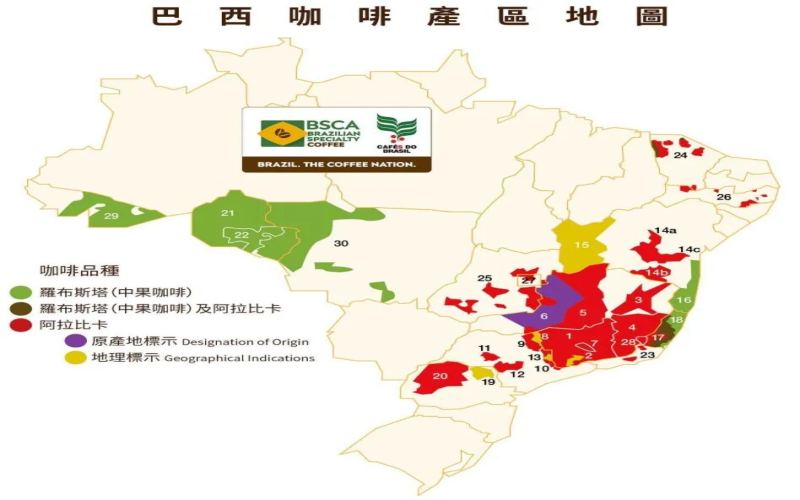
Main Coffee-Producing Regions in Brazil | What Are the Green Coffee Bean Grading Standards in Brazil? How Do You Describe the Flavor of Brazilian Coffee Beans?
What are the characteristics of Brazilian coffee, given that Brazil is the world's largest coffee-producing country? As a South American coffee, Brazilian beans have a relatively balanced flavor, low acidity, and a smooth mouthfeel, making them very suitable for use in espresso blends. Therefore, Front Street Coffee's basic blend, specialty blend, and commercial blend all use Brazilian beans as their base beans. Brazilian coffee [more…]
A Comprehensive Analysis of Coffee Producing Regions and Varieties in Malawi, a Landlocked Country in Southeast Africa
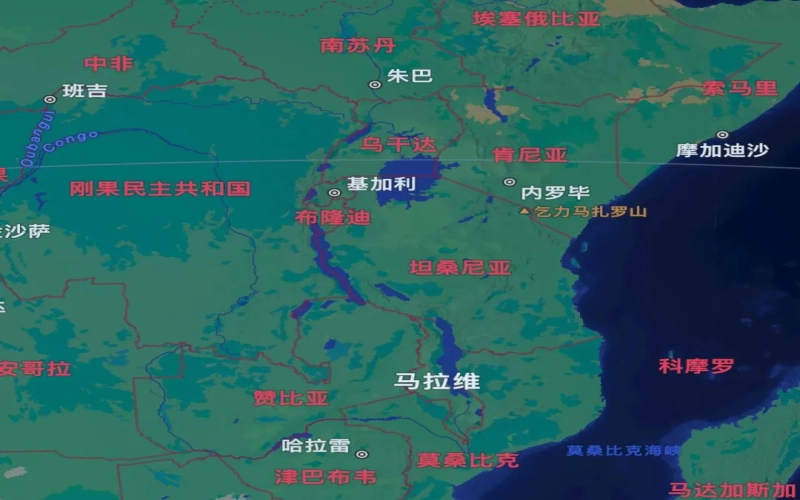
African coffee enjoys a stellar reputation in the global market, with Ethiopia recognized as its place of origin, while Malawi is likewise a producing country that cannot be overlooked. This landlocked nation in southeastern Africa, bordered by Tanzania, Mozambique, and Zambia, takes its name from Lake Malawi, the third-largest lake in Africa. Malawi has complex terrain, with the East African Rift running through the entire country; its tropical savanna climate, combined with abundant rainfall and diverse soils, provides ideal conditions for coffee cultivation. This article will guide you through Malawi's coffee-growing landscape, focusing on two well-known producing regions—the Misuku Hills and the Nkhata Bay Highlands—as well as major varieties such as Agaro, Geisha, Bourbon, and Catimor, and will also explain the operating model of smallholder cooperatives. [more…]