







Search Results for: sauce-like aroma

Why does coffee present a sauce-like aroma? What exactly is the difference between natural and anaerobic processing?
After roasting, green coffee beans release an extremely rich array of aromatic compounds, ranging from white florals to citrus fruit notes. These pleasant aromas burst forth in abundance the moment the beans are ground, often prompting baristas to deliberately let customers experience the dry fragrance before brewing. However, not all aromas are pleasant. Some beans, after grinding, give off a heavy savory aroma reminiscent of doubanjiang or soy sauce in the kitchen, leaving many people frowning in confusion. Where exactly does this flavor come from? What is its relationship to the coffee's processing method? And what essential differences exist between natural and anaerobic processing? This article will focus on how the degree of fermentation influences flavor direction, analyze the underlying logic behind the formation of savory notes, and use examples of beans currently sold by Front Street Coffee to help everyone more accurately identify and appreciate this type of coffee. [more…]

Coffee Flavor | Why Do Some Coffees Taste Like "Soy Sauce"? What Factors Affect Coffee Flavor? How to Avoid a "Soy Sauce" Taste in Coffee?
“Huh? Why does this coffee smell kind of like soy sauce?” a customer asked cautiously, full of confusion, after sniffing the dry aroma of the coffee grounds Front Street had handed over. This was not actually the first time Front Street had received such a question. Besides “soy sauce,” there were also things like “ [more…]

Costa Rica Canet Estate Mozart Coffee: Raisin Honey Processing Flavor and Craftsmanship Explained
Front Street Coffee takes you on an in-depth look at the Mozart single-origin from Costa Rica's Canet Estate Musician Series. This bean comes from the Tarrazu region at an altitude of 1,980 meters, using a unique raisin honey process, with 100% pectin retention and zero-water treatment creating a flavor profile that interweaves complex floral notes, fermented sauce-like aromas, and raisin sweetness, with acidity carrying notes of star fruit and berries, and a lingering sugarcane sweetness in the aftertaste. The article also analyzes the technical challenges and flavor formation of the raisin honey process, and further introduces representative single-origins such as Front Street Strawberry Candy · Geisha Blend, making it suitable reading for coffee lovers who enjoy fermented notes and dried-fruit sweetness. [more…]
An Interpretation of Costa Rica's Coffee Grading System and a Flavor Analysis of the Musician Series Mozart
Costa Rica, as a major coffee powerhouse in Central America, has long drawn attention for its grading system and regional characteristics. This article begins with a Mozart coffee bean recommended by Front Street Coffee, providing a detailed introduction to the Tarrazú region, the Canet estate, and the H1 variety, while offering an in-depth analysis of the complex flavors brought by the raisin honey process. Mozart coffee features interwoven floral notes and fermented sauce-like aromas, accompanied by the sweetness of raisins and dried fruit and the acidity of star fruit and berries, retaining its elegant aroma even after cooling. Whether you are new to specialty coffee or a seasoned enthusiast, you will gain a complete understanding of Costa Rican coffee grades and flavors. [more…]
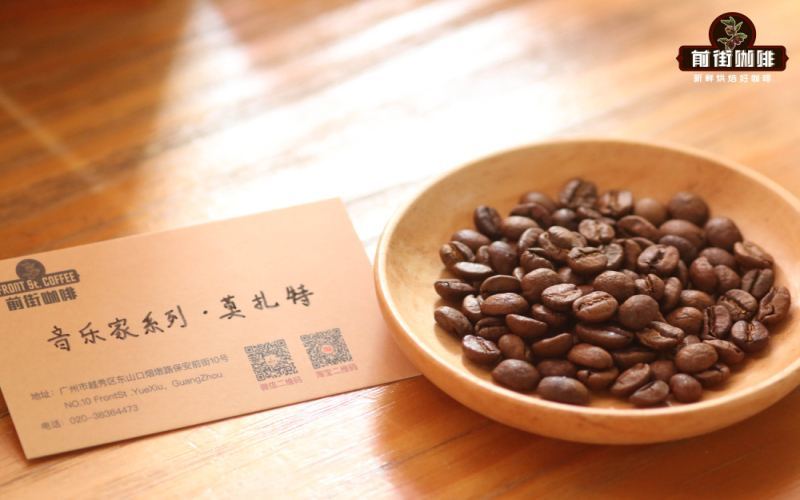
How to brew Costa Rican Mozart coffee? Front Street Coffee's raisin honey process flavor and extraction parameters explained
Costa Rican coffee has always been known for its balanced acidity and sweetness, with a pronounced sweet note, and Mozart from the Musician series is a favorite among many coffee enthusiasts. This bean, produced from the Canet estate in the Tarrazu region, undergoes a raisin honey process, retaining a large amount of pectin and sugar, which brings a fermentation feel reminiscent of white wine, rich floral and fruity aromas, and a sweet preserved fruit finish. Front Street Coffee will guide you through Mozart's regional background, processing methods, and roasting approach in this article, and share a practical pour-over plan, including specific parameters such as the Hario V60 dripper, 91°C water temperature, 15 grams of coffee, and a 1:15 coffee-to-water ratio. Whether you are just starting out or looking to refine your brewing, you will find reusable details and flavor references here. [more…]
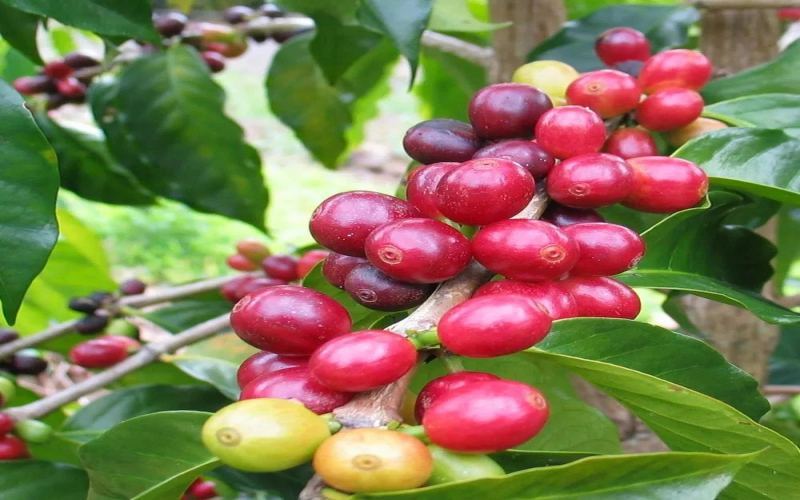
Costa Rica Musician Series Mozart Coffee: Flavor Characteristics and Analysis of Two Processing Methods
Black coffee is not limited to bitterness alone; it represents a pure beverage that presents coffee's true flavor without embellishment. Different producing regions give coffee distinctly different characters: the floral and citric acidity of Ethiopia, the soft fruit acidity of Colombia, the nutty caramel of Brazil, and the citrus and tropical fruit notes of Panama. The Costa Rica Musician Series launched by Front Street Coffee is a classic work named after classical musicians. This article focuses on Front Street Mozart coffee, from its origin at Canet Estate and the H1 variety, to the differences between raisin honey processing and anaerobic honey processing, and then to brewing parameters and flavor performance, to give you a complete understanding of this coffee with outstanding sweetness and exceptional floral and fruit aromas. [more…]

High-Value Specialty Coffee Bean Brands Reviewed: Five Freshly Roasted Everyday Beans, Their Flavors and Brewing Guide
Coffee beans from different origins have distinctive flavors: African beans are known for their floral and citrus notes, Asian beans often present herbal, nutty, and woody spice aromas, American beans are celebrated for their balanced chocolate flavors, and island beans such as Jamaican Blue Mountain combine a balanced mix of nuts and cocoa. For coffee enthusiasts who value cost-effectiveness, this article selects five freshly roasted coffee beans worth trying, covering Front Street Coffee's Huakui, the Musician Series Mozart, PWN Golden Mandheling, Kenya Little Tomato, and Colombia Strawberry, along with Front Street Coffee's pour-over brewing parameters and staged pouring technique to help you consistently reproduce a good cup of coffee at home. [more…]

Comprehensive Comparison of illy vs. Lavazza: Brand Positioning, Flavor Differences, and Buying Advice for Freshly Roasted Italian Coffee Beans
illy and Lavazza are both benchmark brands in the Italian coffee world, but each has its own strengths in positioning, roasting style, and flavor expression. illy takes a premium route, emphasizing the sweetness and smoothness brought by 100% Arabica and a lighter roast; Lavazza is closer to household consumption, with balanced acidity and bitterness and a rich, intense body. However, the freshness of imported canned beans is always a hard flaw, and inert gas packaging is no match for oxidation after opening. This article provides an in-depth analysis of the differences between the two major brands and recommends five freshly roasted Front Street Coffee beans, offering a better choice for enthusiasts pursuing ultimate flavor. [more…]
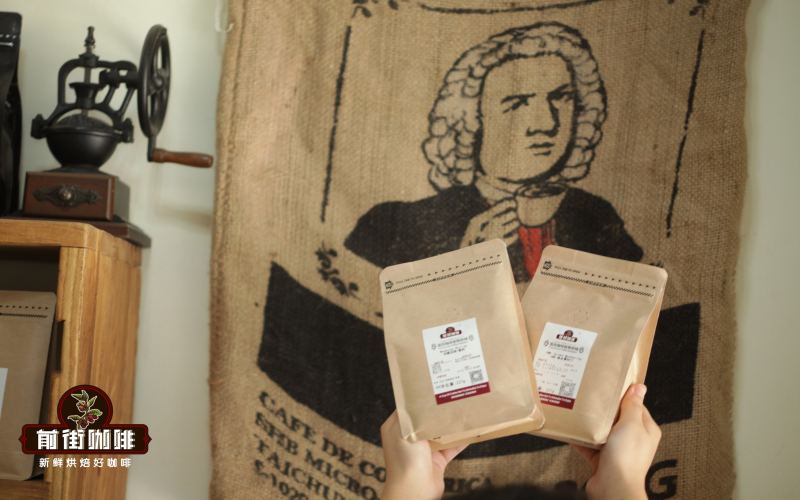
The Origin Story of Costa Rica Musician Series Coffee Beans and Flavor Analysis of Beethoven, Mozart, and Bach
Costa Rica is renowned for its honey processing, and its coffee has a prominent sweetness; it is one of the earliest countries in Central America to cultivate coffee. This article begins with the history of its production regions and introduces the Musician Series from Kenneth Estate in the Tarrazú region, including the processing methods and flavor differences of three beans: Beethoven, Mozart, and Bach. Front Street Coffee uses a medium roast, brewing with 91°C water and a Hario V60 dripper to present a rich aroma and delicate sweetness. The article also explains the technical characteristics of raisin honey processing, as well as the specific expressions of the three coffees in terms of acidity, fermented aroma, and aftertaste, making it suitable for readers who want to gain a deeper understanding of Costa Rican specialty coffee. [more…]
A Comprehensive Analysis of Costa Rican Coffee Varieties: From Bourbon and Caturra to the H1 Hybrid Newcomer
Although Costa Rica is a small country, it has become the world's 14th largest coffee producer thanks to its volcanic soil and forest resources. Since coffee was introduced in the 19th century, the country has continuously promoted variety improvement. In addition to the common Caturra, Catuai, and Bourbon, it has also developed emerging varieties such as Villa Sarchi, Venecia, and H1. This article will sort through the origins, characteristics, and flavor profiles of these varieties one by one, and bring corresponding bean recommendations from Front Street Coffee, helping coffee lovers gain a comprehensive understanding of Costa Rica's variety landscape. [more…]
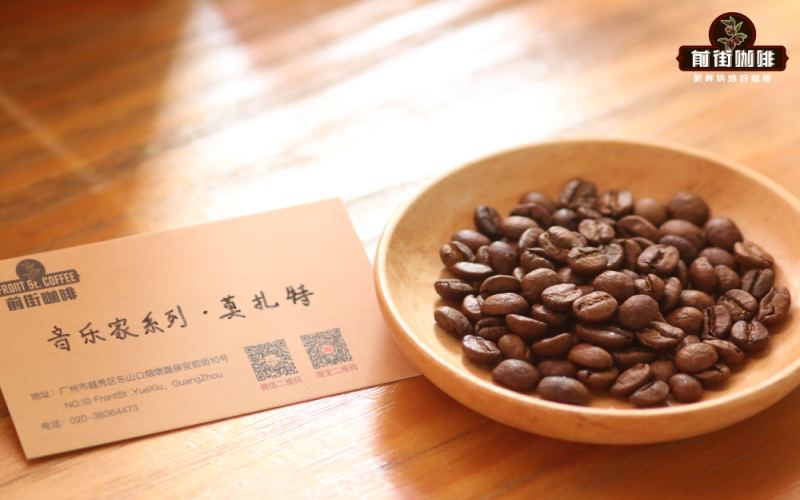
Costa Rica Canet Estate Musician Series Mozart: Raisin Honey Process Coffee Bean Flavor and Roast Analysis
Costa Rica Canet Estate's Musician Series Mozart is a specialty coffee crafted using the raisin honey process. The estate is located in the highest-altitude zone of the Tarrazu region, where coffee-growing areas are limited and yields are scarce. Mozart uses Caturra and Catuai varieties, and through hand-picking and meticulous processing, it presents rich layers of raisin, osmanthus, sweet orange, berry, pineapple, caramel, and toffee. This article will provide a complete analysis of this coffee's flavor code, from the terroir of the producing region, the estate's background, processing techniques, green bean varieties, and roasting curve to brewing suggestions. Front Street Coffee recommends hand-brewing extraction, using a V60 dripper with a water temperature of 90°C to fully bring out its complex floral aroma and fermented sweetness. [more…]
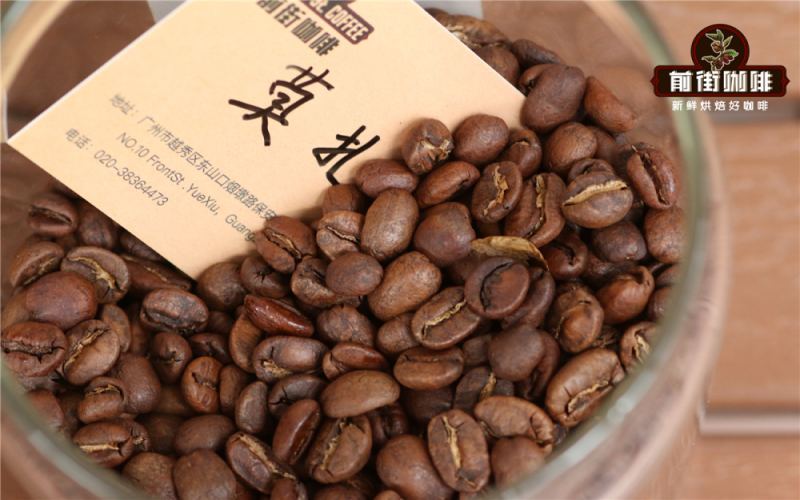
Front Street Coffee Costa Rica Mozart Coffee Beans: The Origin of Raisin Honey Processing Flavor and Pour-Over Parameter Analysis
Front Street Costa Rica Musician Series Mozart coffee beans, named after the classical composer, are processed using a unique raisin honey method, presenting sweetness reminiscent of white flowers, berries, and honey. These beans come from the Canet processing plant in the Tarrazú region of Costa Rica and are meticulously processed in small batches by the Black Gold brand. This article will explore the origin of the Mozart coffee name, the background of the Canet estate, the specific process of raisin honey processing, as well as Front Street's recommended pour-over parameters and three-stage pouring technique, helping coffee enthusiasts gain a comprehensive understanding of this highly distinctive bean and master the method for brewing a rich, layered cup at home. [more…]
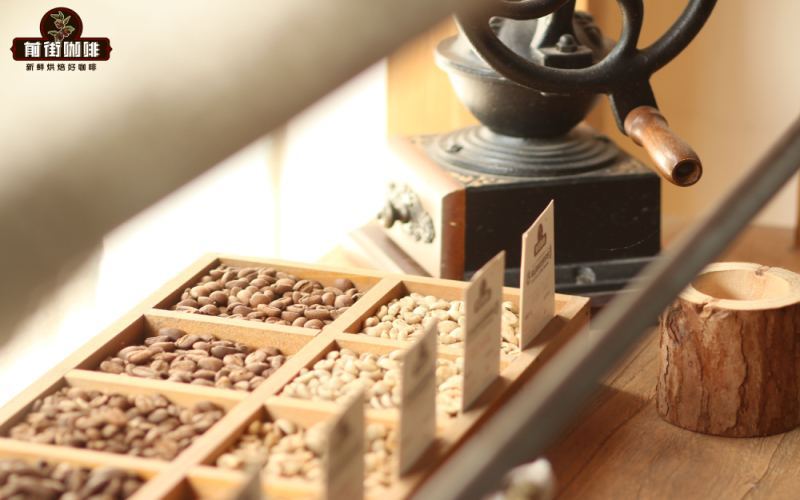
Instant Black Coffee Buying Guide: Flavor Review and Processing Analysis of Mainstream Freeze-Dried Coffee Brands
For many office workers, a daily cup of coffee has become a necessity, but buying it out over the long term adds up, making home brewing a money-saving solution. There are countless types of instant coffee—what exactly is the difference between freeze-drying and spray-drying, and how do their flavor profiles differ? This article first traces the history of instant coffee from its invention in 1901 to Nestlé's mass production, then analyzes how spray-drying and freeze-drying affect flavor, and finally presents Front Street Coffee's hands-on comparison of multiple instant coffee products from five brands—Tim Hortons, Yongpu, Eagle Eye, Saturnbird, and Coffee Box—to help you find the one that suits your taste. [more…]
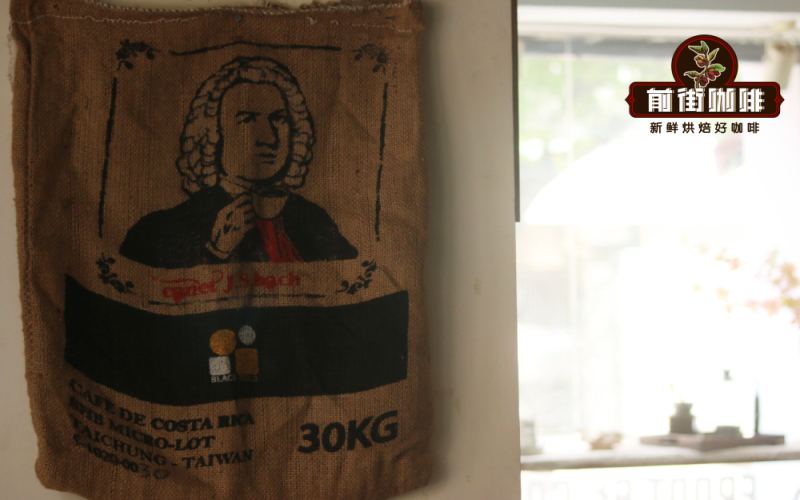
Front Street Costa Rica Mozart Coffee Beans: A Full Analysis of the Sweet-Tart Performance and Brewing Parameters Under Raisin Honey Processing
Costa Rican coffee has always been known for its sweetness, and the Musician series on Front Street Coffee's bean list is a concentrated expression of this characteristic. Among them, Mozart coffee beans have become a favorite of many coffee lovers thanks to their outstanding sweetness and fruity notes. This bean comes from the Canet processing plant at the highest altitude in the Tarrazu region, is blended from two varieties, Caturra and Catuai, and uses the raisin honey processing method, retaining more complete pectin for fermentation, thus presenting a solid mouthfeel and rich fermentation aroma. Front Street's roaster uses a medium roast to preserve its sweetness and fruity flavor. During cupping, one can perceive layered flavors such as floral notes, raisins, dried fruit, star fruit, and berries. This article will start from understanding this bean's origin background, variety characteristics, and processing method, and then move on to Front Street's cupping standards and brewing suggestions, taking you through a comprehensive understanding of the unique qualities of Front Street Mozart coffee. [more…]
Counting Down the World's Ten Most Expensive Coffee Beans: Geisha Leads the Sky-High Rankings, Front Street Red Label Stands Out for Value
How expensive can a cup of coffee be? From the 90+ experimental batch at $5,000 per kilogram, to the展望 Ruby priced at 1,010 yuan per cup, to the Panamanian Geisha that keeps breaking records at the BOP auction, the price ceiling of the world's top coffee beans has been pushed higher again and again. This article systematically reviews the 2019 edition of the world's most expensive coffee beans ranking, covering rare varieties such as 90+ Company's #227 batch, Hacienda La Esmeralda Red Label Geisha, Sofia Super Geisha, civet and elephant dung coffee, St. Helena, Jamaican Blue Mountain, Incht Pachamama, and Hawaiian Kona, with detailed explanations of their origin backgrounds, processing methods, and flavor characteristics. At the end, it specially recommends the Hacienda La Esmeralda Red Label Geisha roasted by Front Street Coffee, which, at a price of 350 yuan per 100 grams, makes high-end Geisha an everyday option and provides enthusiasts with a choice that combines quality and value for money. [more…]
A Complete Guide to Coffee Basics: A Detailed Explanation of Coffee Bean Varieties, Flavor Characteristics, and Brewing Methods from Twelve Major Global Regions
For those who are just beginning to explore specialty coffee, understanding the terroir, variety characteristics, and processing methods of the world's major coffee-producing countries is an important step in building a coffee knowledge system. On the small blackboard beside the bar at Front Street Coffee, more than thirty kinds of coffee beans from the global coffee golden belt are displayed. Based on this, this article sorts out one by one the geographical environment, representative varieties, and classic processing methods of twelve major producing regions—Ethiopia, Kenya, Papua New Guinea, Guatemala, Hawaii, Jamaica, Panama, Colombia, Costa Rica, Indonesia, Brazil, and Yunnan, China—and combines them with the cupping flavors of various representative beans under Front Street to help readers quickly build a complete thread from origin to flavor in the cup. [more…]

Costa Rica Musician Series Coffee Beans: A Detailed Explanation of the Differences Between Honey Processing and Raisin Honey Processing
Costa Rica is world-renowned for its mild, smooth coffee with a balanced profile of acidity, sweetness, bitterness, and aroma, and its original honey processing method adds further layers of sweetness. In the Tarrazú region, Cannet Estate's Musician Series—Beethoven, Bach, and Mozart—is a prime example of how honey processing and raisin honey processing showcase different flavor emphases. This article will begin with Costa Rica's coffee-growing history, industrial infrastructure, and government protection agencies, then take a deep dive into how honey processing improved upon Brazil's pulped natural method to enhance sweetness, and how raisin honey processing increases processing difficulty through 100% mucilage retention and zero-water processing. Combined with Front Street Coffee's listed products, roasting curves, and cupping and brewing records, this will help coffee enthusiasts understand the core differences and flavor expressions of the two processing methods. [more…]
The Flavor Code of Latin American Coffee Beans: A Comprehensive Guide from the Bourbon Origin to Signature Coffees of Seven Major Producing Countries
Although coffee cultivation in Latin America only began in the eighteenth century, it has risen to become the world's most important coffee-producing region, thanks to sunshine, high mountains, humid fertile soil, and diverse microenvironments. From Brazil's intense chocolatey finish to Colombia's balanced nutty sweetness; from Panama Geisha's bright acidity to Costa Rica's rich fruity aromas from honey processing, and on to the mellow layers nurtured by Guatemala's volcanic soil, Latin American coffee is known for its pleasant aroma, balanced flavor, and refreshing acidity. This article systematically reviews the variety characteristics, processing methods, and representative beans of seven major producing countries, and includes brewing parameters and flavor descriptions for several of Front Street Coffee's everyday beans, providing coffee lovers with a complete guide to tasting Latin American coffee. [more…]

Why Strawberry and Peach Notes Are Hard to Capture in Pour-Over Coffee and How to Adjust High-Temperature Fast-Extraction Parameters
Many coffee enthusiasts are often puzzled when tasting pour-over: why are fruity notes like citrus and pineapple easy to identify, while the sweet aromas of strawberry and peach always seem veiled? Front Street approaches this from the perspective of aroma chemistry composition and concentration differences, revealing the fundamental reason these fresh fruit notes are hard to capture—authentic strawberry aroma is presented through the synergy of over three hundred volatile compounds, while coffee contains only a small amount of similar components. The article proposes two paths to solve this: first, training the sense of smell to capture secondary aroma contours beyond the primary notes; second, amplifying target flavors through high-temperature fast extraction and appropriately diluting the coffee-to-water ratio in brewing strategy. Front Street also lists several sun-dried bean options with peach and strawberry notes, and using Ethiopia Hamashu as an example, provides complete brewing parameters and tasting records. [more…]
Why Is Coffee Floral Aroma So Hard to Detect? Explaining the Causes of Floral Aroma, Three Major Aroma Types, and Sensory Identification Training Methods
Many coffee enthusiasts, when brewing beans with prominent floral and fruity notes, can capture the floral aroma right from the grinding stage, but some people are never able to perceive this flavor. Where exactly does the floral aroma in coffee come from? Why are some people sensitive and others dull to it? Starting from Front Street's brewing experience, this article sorts out the compound sources of floral aroma and the influence of roasting, introduces the three major floral aroma categories in the coffee flavor wheel—delicate/fresh, subtle/elegant, and muted/heavy—along with their representative flowers, and shares a practical method for practicing floral aroma recognition with the help of sinus perception, to help you more accurately capture that fleeting fragrance in coffee. [more…]