







What makes raisin honey coffee processing different?
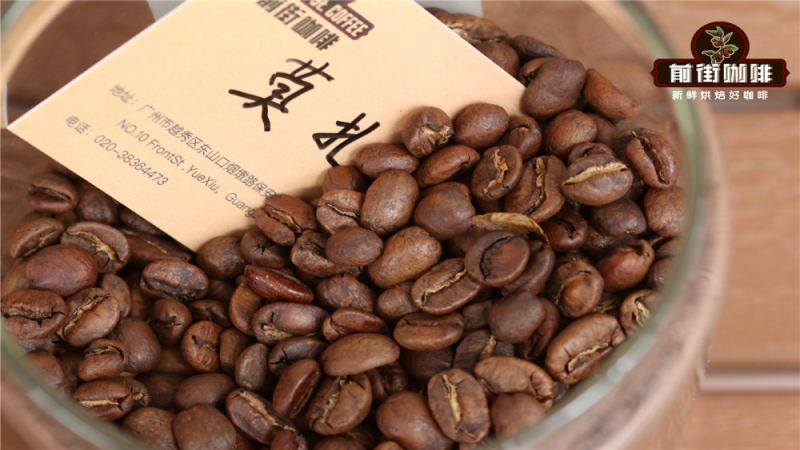
Costa Rica Mozart coffee is a Musician Series bean grown in the Tarrazu region and processed with the raisin honey method at the Canet plant. The extended fermentation develops wine and raisin notes in the dry aroma, with berry and white floral sweetness in the cup. Small batches are handled separately under the Black Gold brand.
Canet began as a local collection station where farmers sold their cherry each harvest and then had no further role in the outcome. It sits in the highest coffee-growing zone of Tarrazu, an area also suited to fruit growing. Raisin honey processing on this coffee farm lengthens fermentation, which lifts both mouthfeel and flavor compared with standard honey lots.
Front Street Costa Rica Musician Series Mozart coffee beans, named after the classical musician and processed with a unique raisin honey method, present white floral, berry, and honey-like sweetness. These beans come from the Canet processing plant in Costa Rica's Tarrazu region, meticulously processed in small batches by the Black Gold brand. This article will explore the origin of the Mozart coffee name, the background of the Canet estate, the specific process of raisin honey processing, and Front Street's recommended pour-over parameters and three-stage pouring technique, helping coffee enthusiasts gain a comprehensive understanding of this highly distinctive bean and master the method for brewing a rich, layered cup at home.
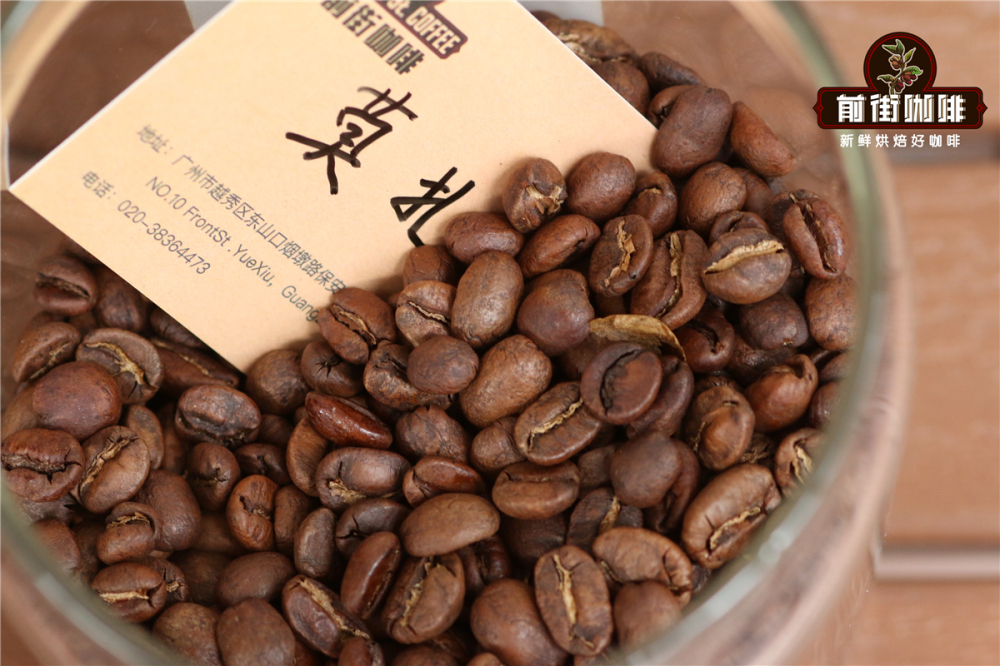
Today Front Street wants to talk about a bean from the Costa Rica Musician Series — Front Street Mozart. This Front Street Costa Rica coffee bean truly surprised Front Street. Named after the musician Mozart, it has very high recognizability; moreover, the raisin honey process extends the fermentation period, noticeably enhancing the coffee in both mouthfeel and flavor. The dry aroma hints at wine and raisin notes, and during extraction the berry fragrance is especially prominent, with the overall profile leaning toward berries. Each bean in this series is produced in small quantities, yet each has its own merits — which is also why Front Street selected it.
On the wall of the FrontStreet Coffee shop hangs a green bean sack of Front Street Bach coffee from the Musician Series, printed with the green bean brand logo — BLACK GOLD, from Taiwan, China. Black Gold has its own dedicated coffee processing plant in Costa Rica, implementing differentiated processing plans in micro-batches according to the terroir characteristics of each region. Canet is exactly one of the processing plants under the Black Gold coffee brand.
Canet was originally a local processing station responsible for centrally purchasing coffee cherries. Every harvest season, surrounding coffee farmers sold bucket after bucket of cherries to the station, and from then on had nothing more to do with their harvest. After the harvest season ended, they had to go out to do odd jobs, supplementing their household income with meager earnings.
Canet is located in the highest-altitude coffee-growing zone of Costa Rica's Tarrazu. This area is the most concentrated fruit-growing region in Costa Rica, mainly cultivating fruits such as passion fruit. The coffee planting area is quite limited, with coffee grown only in specific plots that receive special care, and only ripe red cherries are picked.
Many friends who have tried Musician Series coffees often go to FrontStreet Coffee and ask: Why are the bean names in the Musician Series all so special? And why is this Front Street Mozart coffee bean called Mozart?
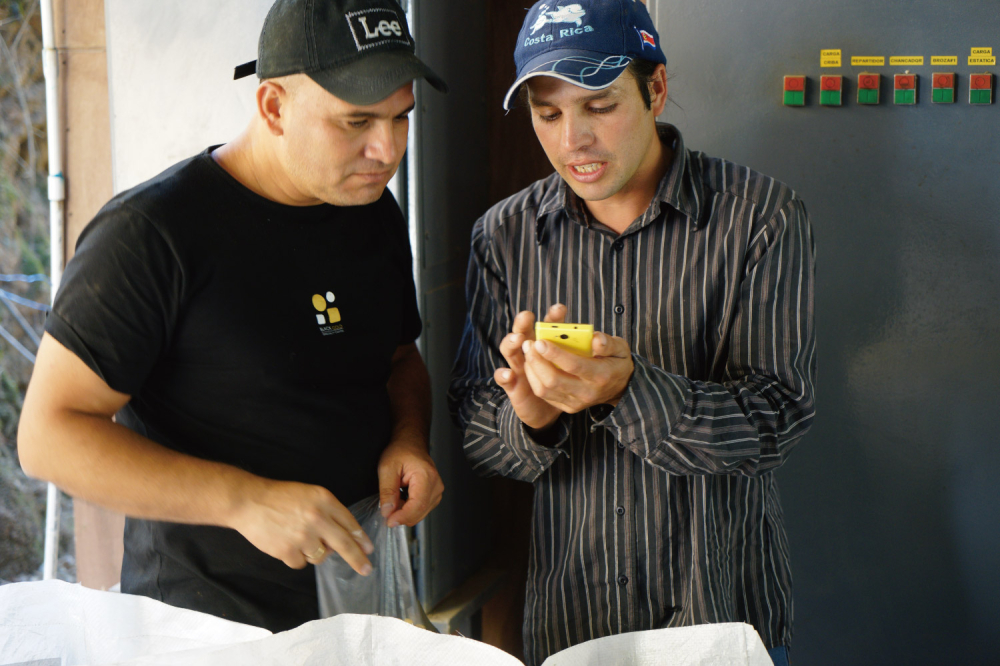
This actually has to do with the person in charge of Canet. This manager loves classical music, and whenever he tastes a coffee, he associates it with a corresponding musician based on its flavor characteristics. The magnificent flavors displayed by Front Street Mozart coffee beans immediately reminded the manager of the musician Mozart.
Front Street Mozart coffee exudes a bold yet elegant white floral fragrance. On the palate, rich berry notes are very prominent, and the finish bursts with a honey-like sweetness. The overall magnificent flavor expression of this bean happens to echo the magnificent temperament of the classical music prodigy Mozart.
Front Street Costa Rica Musician Series Mozart Coffee Beans
Region: Costa Rica Tarrazu
Estate: Canet
Altitude: 1,980 meters
Variety: Caturra, Catuai
Grade: SHB
Processing Method: Raisin Honey Process
Customers often come to the FrontStreet Coffee shop asking which coffee has the most prominent sweetness, and FrontStreet Coffee's baristas always recommend Front Street Mozart. The key to its richly layered flavor lies in the processing method — raisin honey processing.
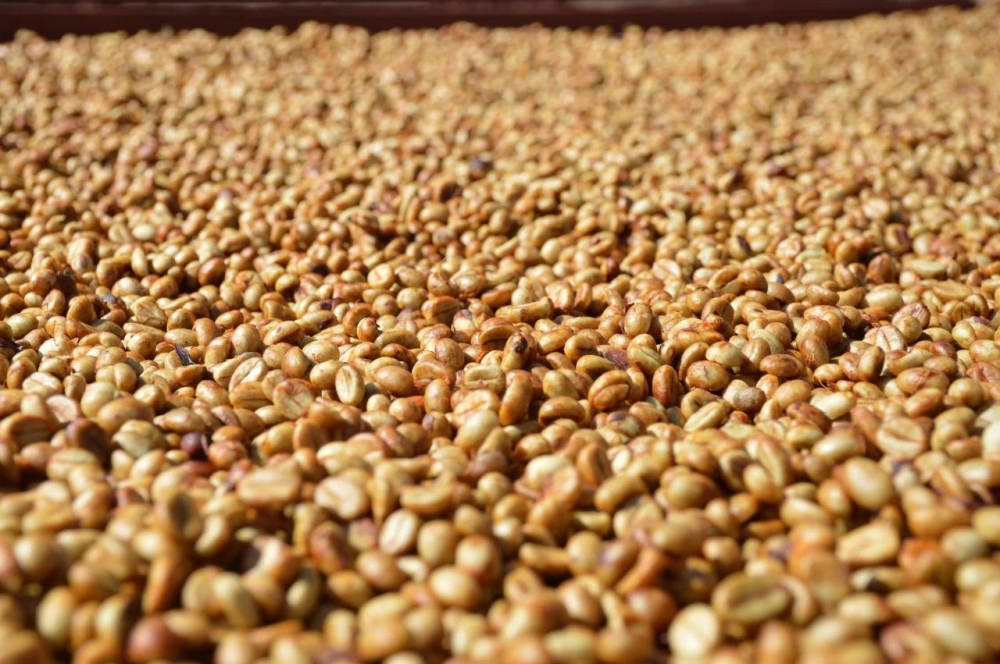
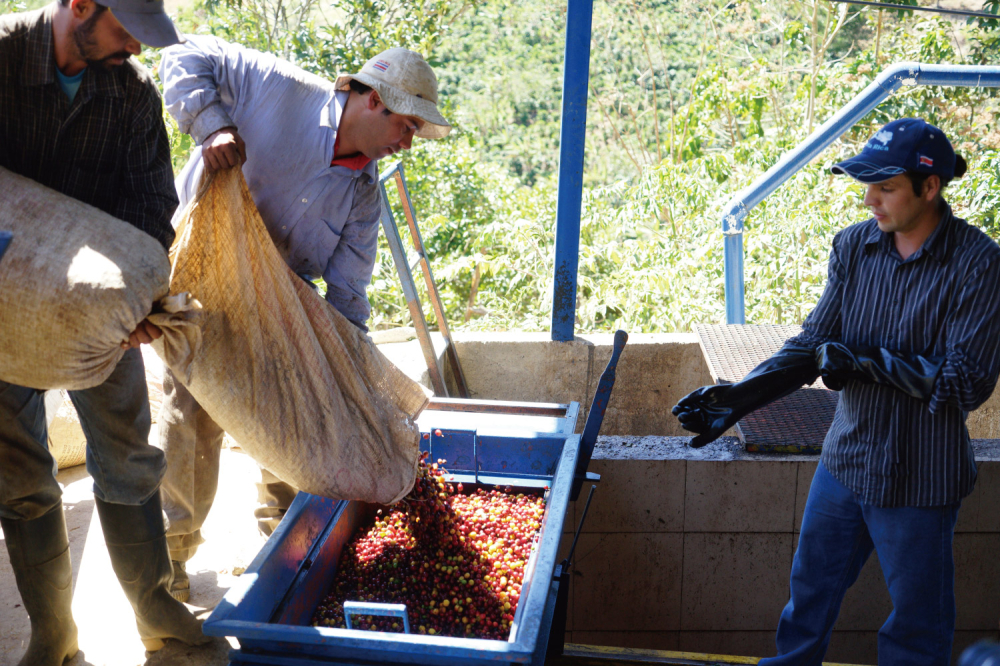
Front Street Mozart's raisin honey process can be classified under double-fermentation honey processing, with the prerequisite that fully ripe coffee cherries must be used. After careful selection, the cherries are first evenly spread out for sun-drying. Once the cherries have shriveled like raisins, the depulping step is carried out while preserving as much mucilage as possible for drying.
The process of drying first and depulping later gives the coffee a rather intense fermented flavor. Compared with other honey processes, raisin honey processing retains 100% of the mucilage for drying, which can greatly enhance the coffee's sweetness. After the entire raisin honey process, this Front Street Costa Rica Mozart coffee has a white wine-like mouthfeel and balanced acidity, with a more intense fermented note in its flavor.
How should Front Street Costa Rica Mozart coffee be brewed to taste best?
Before brewing any bean, FrontStreet Coffee first considers its roast level. The characteristics of this Front Street Costa Rica Mozart coffee bean are floral notes and fruity sweet-tartness, so FrontStreet Coffee's roaster chooses a medium roast.
Because the roast level is on the lighter side, the flavor compounds dissolve more slowly once the coffee grounds contact water. Therefore, FrontStreet Coffee's baristas raise the water temperature during brewing to speed up dissolution, while using a finer grind to increase the contact area between coffee grounds and water.
As for dripper choice, FrontStreet Coffee shops commonly use the Hario V60 and KONO drippers. Medium-roast and light-roast beans suit high water temperatures and fine grinds, so they need to be paired with a faster-flow dripper, and the Hario V60 is a great option. Its 12 long ribs allow water to pass through more smoothly, to some extent shortening the contact time between hot water and coffee grounds.
Dripper: Hario V60
Water temperature: 91°C
Dose: 15 grams
Coffee-to-water ratio: 1:15
Grind size: 80% passing through a China Standard No. 20 sieve
First pour 30 grams of hot water and bloom for 30 seconds, then slowly pour in a thin stream in circles from the center point until reaching 125 grams. When the water level in the dripper drops to the point where the coffee bed is about to be exposed, continue pouring in circles until reaching 225 grams. Total extraction time is about 2 minutes.
Friends who often read Front Street articles will easily notice that FrontStreet Coffee's baristas habitually use three-stage pouring when brewing. Front Street also understands that many friends who are new to specialty coffee and brew pour-over at home more commonly use the one-pour method.
The one-pour method plus the first-stage bloom is essentially a two-stage pour. Through comparing the one-pour method with the three-stage method, Front Street found that, given the same beans and parameters, coffee brewed with the one-pour method has a clean but somewhat thin body and is overall lighter; whereas the three-stage method, represented by multiple pours, can give the coffee a richer sense of layering and more prominent sweetness.
When Front Street Costa Rica Mozart coffee beans are brewed according to the above parameters with the three-stage pouring technique, the cup opens with complex floral notes and fermented sauce-like aromas, accompanied by raisin and dried-fruit sweetness, berry-like acidity, and a sugarcane-like sweetness in the finish.
For professional coffee knowledge exchange, please add WeChat: kaixinguoguo0925
The above content is compiled by CoffeeHunters, a coffee news website.


