







How Is Costa Rican Mozart Coffee Processed?
Mozart is a Costa Rican coffee from Canet Estate in the Tarrazu region, given a raisin honey process that leaves much of the pectin and sugars on the bean. That brings a white-wine fermentation character with floral and fruity aromas and candied fruit sweetness. It pours well as a V60 at 91C with 15 grams and a 1:15 ratio.
Coffee processing shapes flavor before roasting ever begins. Costa Rican coffee is generally known for balanced acidity and pronounced sweetness, and the Musician series is named after composers. The raisin honey method is one step in a wider range of coffee processing styles used across origins worldwide.
Costa Rican coffee has always been known for its balanced acidity and sweetness, with a pronounced sweet note, and Mozart from the Musician series is a favorite among many coffee enthusiasts. This bean, produced at Canet Estate in the Tarrazu region, undergoes a raisin honey process, retaining a large amount of pectin and sugars, which brings a white wine-like fermentation character, rich floral and fruity aromas, and candied fruit sweetness. In this article, Front Street Coffee will guide you through Mozart's regional background, processing method, and roasting approach, and share a practical pour-over recipe, including specific parameters such as the Hario V60 dripper, 91°C water temperature, 15 grams of coffee, and a 1:15 coffee-to-water ratio. Whether you are a beginner or looking to refine your brewing, you will find reusable details and flavor references here.
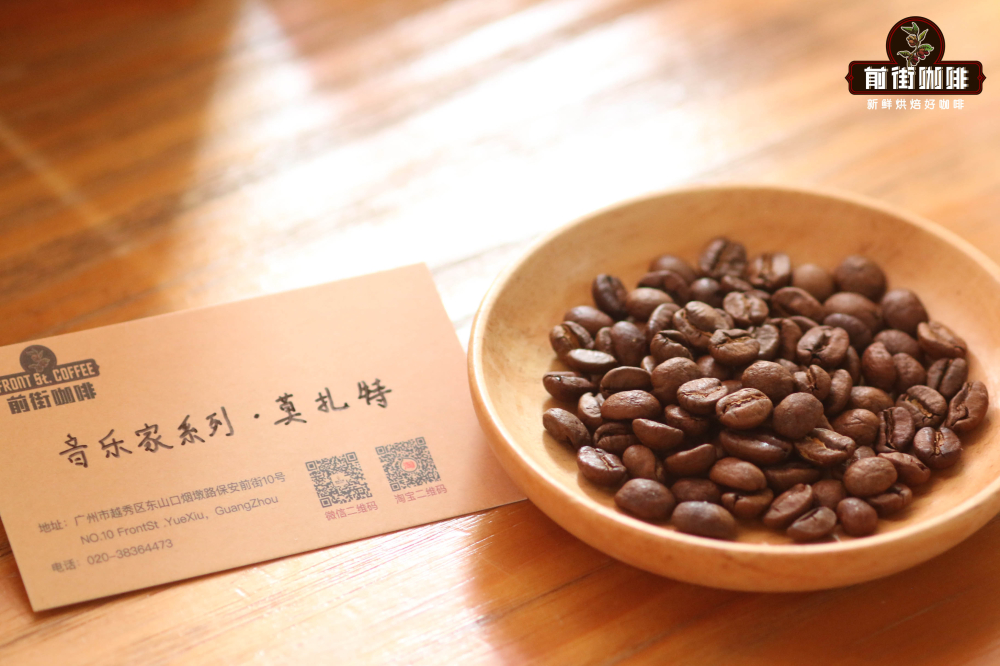
\n\nFor more specialty coffee content, follow our WeChat official account: Front Street Coffee (FrontStreet Coffee).\n\nCoffee is grown all over the world, and the flavor differences from each origin are quite distinct. African beans often have bright acidity, Asian beans tend to be full-bodied, and American beans are known for balanced acidity and sweetness. If coffee is compared to a symphony on the palate, Costa Rica could be considered a "musicians' alliance"—the country indeed has coffee beans named after musicians.\n\nIn the classical music world, Wolfgang Amadeus Mozart left the world with a great deal of joy and inspiration, composing masterpieces such as The Magic Flute and Eine kleine Nachtmusik. What is less known is that he was also a heavy coffee lover, and coffee was almost the daily fuel for his creative inspiration. The more you savor Mozart's music, the more depth it reveals, and this Mozart coffee bean named after him is likewise worth slowly savoring.\n\n
\n\nFront Street's bean list naturally would not miss this richly flavored bean. Mozart comes from Costa Rica's famous region—Tarrazu. Today, Costa Rican coffee is often regarded as a representative of "sweet as honey," sought after by both new and seasoned coffee drinkers, but more than three hundred years ago, there were no coffee trees on this land. The rise of coffee in the Americas was inseparable from the arrival of Europeans, and the Americas thus became another homeland for coffee.\n\n
\n\nThe earliest appearance of coffee in Costa Rica dates back to 1729, when it was introduced from Cuba. This made it the first country in Central America to cultivate coffee and the first to develop coffee farming for commercial value. By 1820, the first coffee exports had been sent to Colombia and Chile.\n\nIn 1854, with the help of an import-export firm and Captain William Lyon of the British merchant ship "Monarch," 100 pounds of coffee successfully arrived in London and became an instant sensation, called "golden beans" from Costa Rica by the British aristocracy. To maintain its quality advantage, Costa Rica even legislated that only Arabica could be grown, and Robusta was considered a "forbidden" crop locally.\n\n
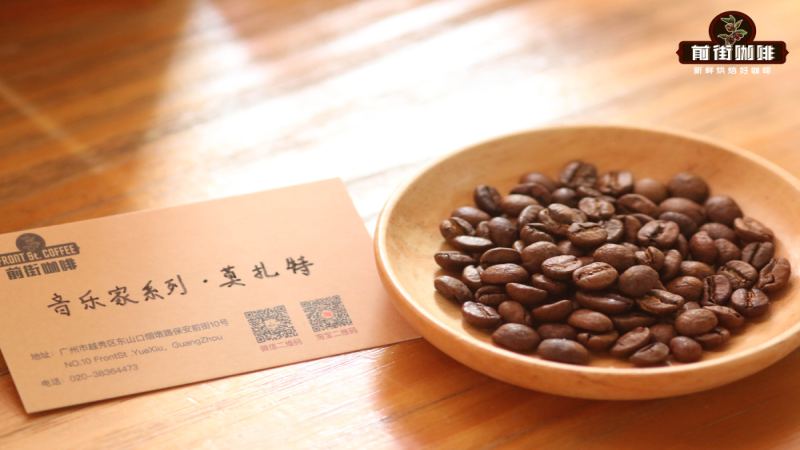
\n\nFront Street Coffee (FrontStreet Coffee) Costa Rica Musician Series Mozart Coffee Beans\n\nRegion: Tarrazu, Costa Rica\n\nEstate: Canet\n\nAltitude: 1,980 meters\n\nVarieties: Caturra, Catuai\n\nProcessing method: Raisin honey process\n\nTarrazu is located south of the capital San Jose and is the core producing area of Costa Rican coffee, as well as one of the world's important coffee regions, with an altitude of about 1,200-1,700 meters, fertile soil, and good drainage.\n\nOn the wall of Front Street's shop hangs a burlap sack of green beans from the Musician series, printed with the striking green bean brand logo—BLACK GOLD. Black Gold has its own coffee processing plant in Costa Rica, and according to the terroir characteristics of different regions, it carries out different processing methods in small batches. The processing plant named "Canet" belongs to the Black Gold brand.\n\n

\n\nCanet covers only 5 hectares and is located in the town of San Marcos in the Tarrazu region. Canet is situated in Costa Rica's highest coffee-growing area of Tarrazu, and this area is also the country's most densely fruit-growing region. The Canet processing plant was formerly a local red cherry collection station. During harvest season, coffee farmers sell buckets of ripe coffee cherries to the collection station and then temporarily bid farewell to their hard work; after the harvest season ends, they go out to work again to supplement their meager income.\n\n
\n\nThis Mozart from Front Street uses the raisin honey process, retaining 100% pectin, and belongs to zero-water processing. Ripe coffee cherries are poured into a large water tank on the day of harvest: plump, ripe fruits sink to the bottom, while underdeveloped or overripe fruits float on the surface, and these floating beans need to be removed. The selected coffee cherries are dried on raised beds for at least three days, after which the cherry skin is removed, and the pectin is retained before drying.\n\n
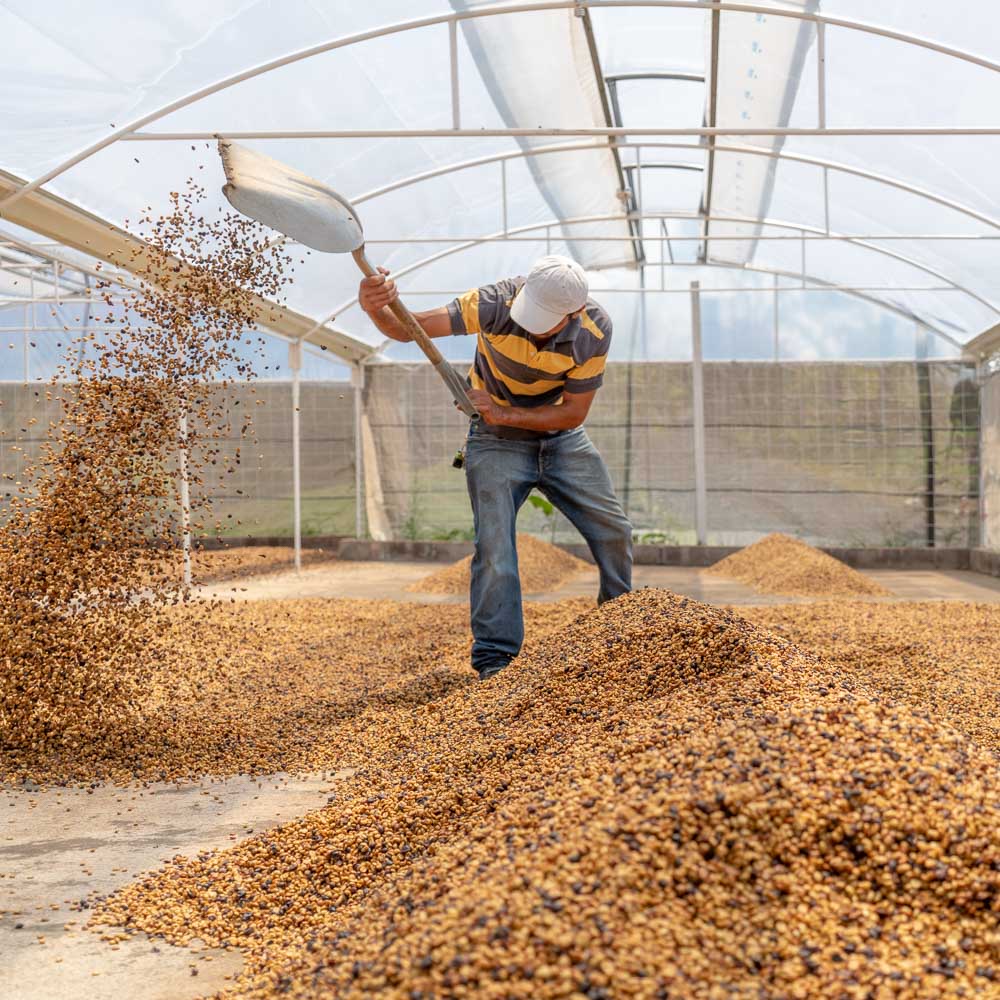
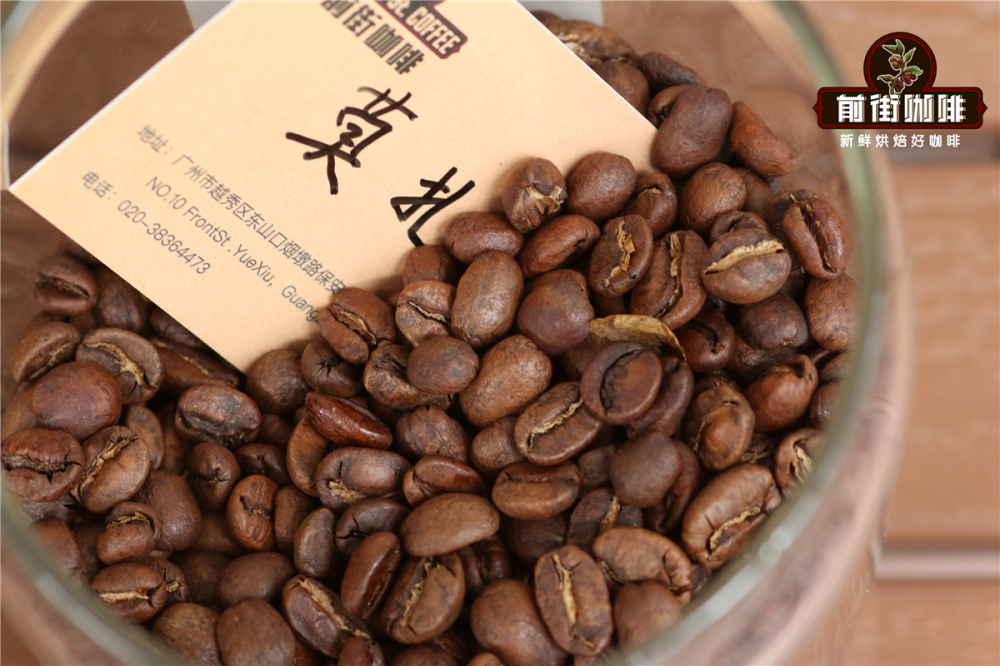
\n\nIn order to retain more sugar, as much pulp and pectin layer as possible must be preserved, which also increases the difficulty of honey processing and demands especially strict control of timing. The coffee beans processed in this way retain a 100% pectin layer, allowing more sugars to penetrate into the green beans, resulting in a quite prominent sweetness. After cupping this bean, Front Street found that it has a white wine-like mouthfeel and balanced acidity, a rich fermentation aroma, and outstanding floral and fruity aromas.\n\nWhen Front Street Coffee's roaster received this green bean, in order to highlight more complex floral aromas, fruity notes, outstanding sweetness, and fermented sauce-like aroma, a medium roast was chosen.\n\n
\n\nThis bean, when ground, gives off orange and complex floral aromas. When brewing, Front Street recommends using 91°C hot water, a Hario V60 dripper, and a medium-fine grind.\n\nDripper: Hario V60\n\nWater temperature: 91°C\n\nDose: 15 grams\n\nCoffee-to-water ratio: 1:15\n\nGrind size: 80% passing through a Chinese standard No. 20 sieve\n\n
\n\nFriends who often read Front Street Coffee articles should notice that Front Street uses a three-pour method when brewing each bean. Compared with a single-pour method, the three-pour method gives coffee more layers; compared with the four-six pouring method and stirring method commonly used by competitors in international coffee brewing competitions, it is simpler to operate and easier to learn.\n\n
\n\nPour the coffee grounds into the dripper lined with filter paper and level them, then pour 30 grams of hot water in a "の" shape to fully wet the coffee grounds and let them bloom for 30 seconds; then, from the center point, slowly pour in a small stream in circles until 125 grams; when the water level in the dripper is about to drop to expose the coffee bed, continue pouring in circles until 225 grams; after the water in the dripper has completely dripped into the server below, remove the dripper. The total extraction time is about 2 minutes.\n\n
\n\nAfter brewing according to the above parameters, the flavor description of Front Street Mozart coffee beans is: on the palate, complex floral aromas and fermented sauce-like aroma, accompanied by raisin and candied fruit sweetness, with berry-like acidity and a sugarcane-like sweet aftertaste.
The above content is compiled by CoffeeHunters, a coffee news website.


