







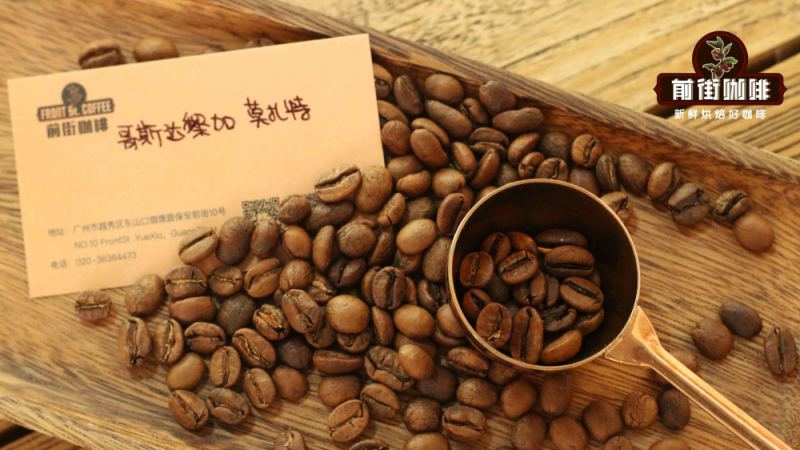
What Makes the Raisin Honey Coffee Beans Process Distinct?
The Costa Rica Canet Estate Mozart is a single origin from the Tarrazú region, grown at 1,980 meters and roasted medium-light. Its Raisin Honey process keeps 100 percent of the pectin and uses no water, producing complex floral notes, fermented sauce-like aromas, raisin sweetness, star fruit and berry acidity, and a sugarcane finish.
The coffee beans process raises the difficulty of honey processing, because timing must be tightly controlled. On harvest day, cherries are floated in a tank so ripe fruit sinks and underdeveloped or overripe fruit is skimmed off. The estate names its lots after classical musicians, and the Musician Series also includes a Strawberry Candy Geisha blend.
Front Street Coffee takes you on an in-depth look at the Mozart single-origin from Costa Rica's Canet Estate in the Musician Series. This bean comes from the Tarrazú region at an altitude of 1,980 meters and uses a unique Raisin Honey process, whose 100% pectin retention and zero-water processing create a flavor profile interweaving complex floral notes, fermented sauce-like aromas, and raisin sweetness, with acidity carrying hints of star fruit and berries, and a lasting sugarcane finish. The article also analyzes the technical challenges and flavor origins of the Raisin Honey process, and further introduces representative single origins such as Front Street Strawberry Candy · Geisha Blend, making it suitable reading for coffee lovers who enjoy fermented notes and dried-fruit sweetness.
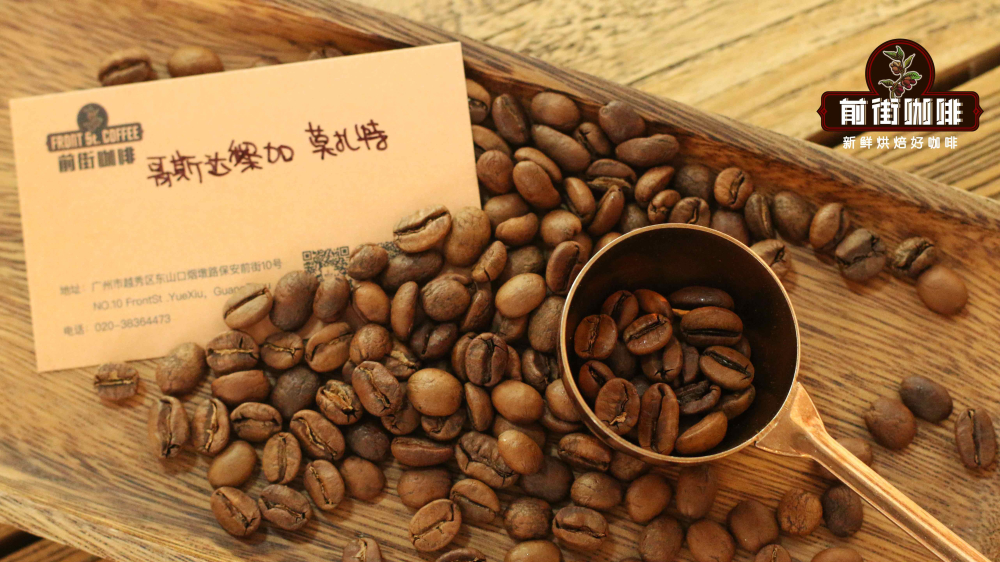
This time Front Street wants to talk about the Musician Series coffee produced by Costa Rica's Canet Estate. It is said that the estate owner is particularly fond of classical music, so all the coffee beans produced by the estate are named after classical musicians, a practice that is indeed quite interesting.
The reason Front Street chose this Front Street Costa Rica Mozart is not only because it grows in a superior coffee-growing environment—Costa Rica's temperatures and rainfall are stable and mild year-round, and the volcanic soil is fertile with good drainage, conditions that have made coffee a major local crop—Front Street has also set the roast level for this specialty coffee to medium-light. Below is Front Street's coffee roasting chart; interested friends can take a look.
Front Street Costa Rica Canet Musician Series Mozart
Country: Costa Rica
Origin: Tarrazú
Altitude: 1,980M
Processing: Raisin Honey
Grade: SHB
Variety: H1
Flavor description: The entry is complex floral notes and fermented sauce-like aromas, with the sweetness of raisins and dried fruit, acidity of star fruit and berries, and a sugarcane finish.
The Raisin Honey process is a processing method that retains 100% pectin and uses zero water throughout. This approach increases the difficulty of honey processing and requires extremely strict control of timing. On the day the coffee cherries are harvested, the fruit is first poured into a large water tank; ripe, plump cherries sink to the bottom, while underdeveloped or overripe fruit floats on the surface, and these floating beans need to be removed. After screening, the coffee fruit is placed on raised beds to dry for at least three days, after which the cherry skin is removed, leaving the pectin to be dried. At this stage, climatic conditions directly determine whether the honey processing succeeds.

During drying, the coffee cherries need to be turned constantly so that drying proceeds evenly, but the frequency of turning must be handled just right, and the drying speed must be slow. Only in this way can the coffee develop the effects of fermentation processing, while not being so slow that it over-ferments. This Raisin Honey process, with its pronounced sweetness, gives the coffee a white-wine-like mouthfeel and balanced acidity, along with quite intense fermentation aromas.
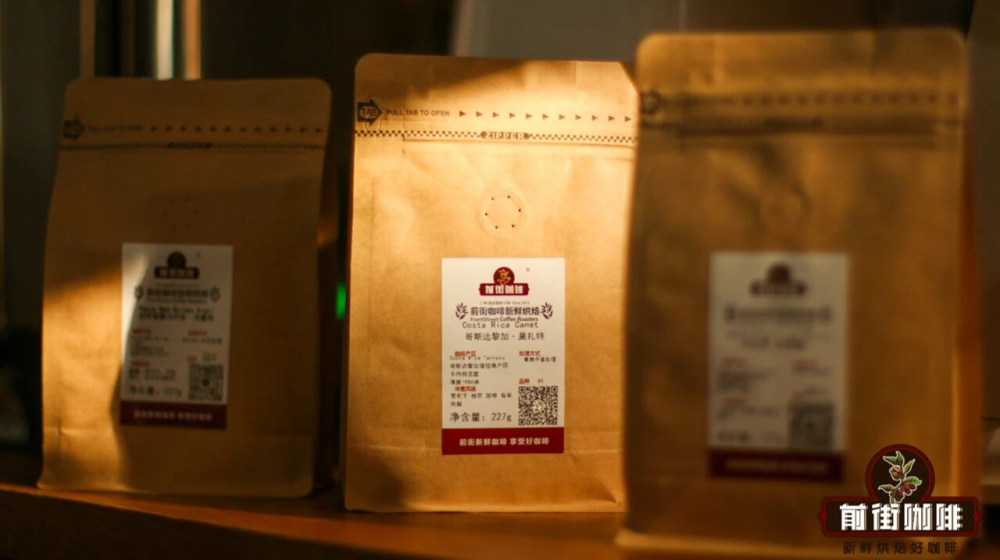
Front Street believes that coffee beans processed with Raisin Honey carry a strong fermented character and dried-fruit sweetness. Representative single origins include, besides Front Street Mozart (flavors of raisin, osmanthus, sweet orange, and pineapple), Front Street Strawberry Candy · Geisha Blend, which combines Costa Rican coffee with Panamanian Geisha, thus showing distinct aromas of flowers, berries, dried blueberries, and almonds.
The above content is compiled by CoffeeHunters, a coffee news website.


