







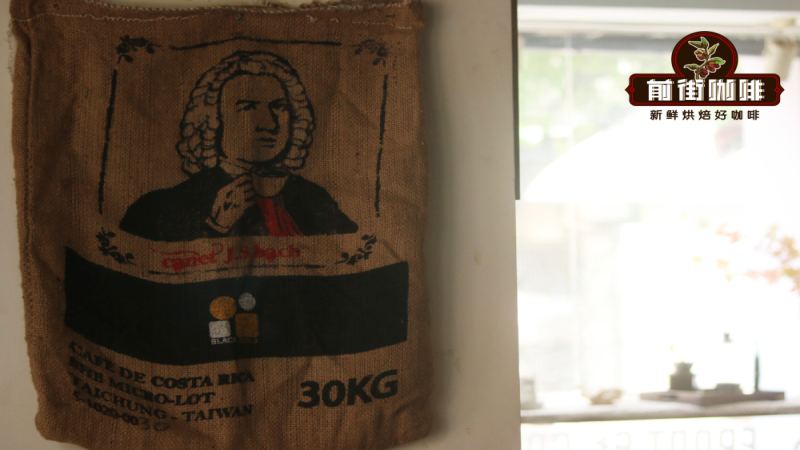
How Does the Raisin Honey Coffee Process Work?
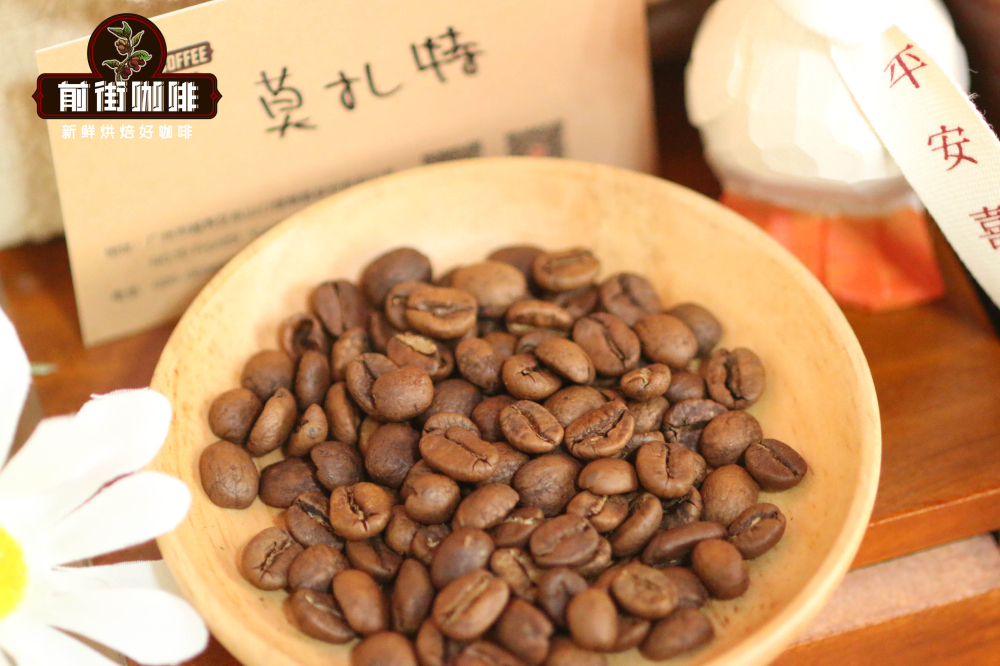
Costa Rica Mozart coffee beans come from the Canet processing plant in the Tarrazu region, at the highest coffee-growing altitude there. The beans are a blend of Caturra and Catuai varieties, processed with the raisin honey method, which leaves more pectin for fermentation and yields a solid body with a rich fermentation aroma.
The roaster uses a medium roast to hold on to the sweetness and fruit notes. During cupping, tasters record layers of floral notes, raisins, dried fruit, star fruit, and berries. The Canet plant was set up by the Black Gold Coffee brand, which applies different coffee processing methods in batches according to each region's terroir.
Costa Rican coffee has always been known for its sweetness, and the Musician Series on Front Street Coffee's bean list is a concentrated expression of this characteristic. Among them, Mozart coffee beans have become a favorite of many coffee lovers thanks to their outstanding sweetness and fruity notes. This bean comes from the Canet processing plant at the highest altitude in the Tarrazu region, is a blend of two varieties, Caturra and Catuai, and uses the raisin honey process, retaining more complete pectin for fermentation, thus presenting a solid body and rich fermentation aroma. Front Street's roaster uses a medium roast to preserve its sweetness and fruity flavors, and during cupping one can perceive layered flavors such as floral notes, raisins, dried fruit, star fruit, and berries. This article will start from understanding this bean's origin background, variety characteristics, and processing method, and then move on to Front Street's cupping standards and brewing suggestions, taking you through a comprehensive understanding of the unique qualities of Front Street Mozart coffee.
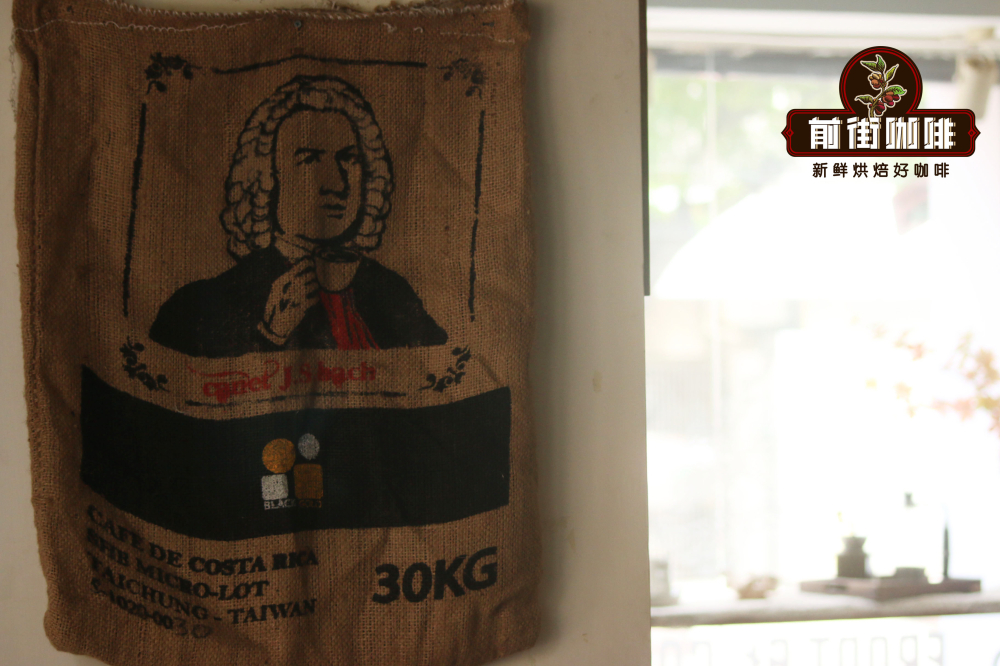
Coffee produced in Costa Rica often carries a signature sweet flavor, and the Costa Rica Front Street Musician Series beans on Front Street Coffee's menu are a typical representative of this style. This series is quite well known in specialty coffee circles, and even beginners have mostly heard of it, while the most popular among them is Front Street Mozart coffee beans. Before formally introducing this bean, Front Street will first explain its background according to the usual convention.
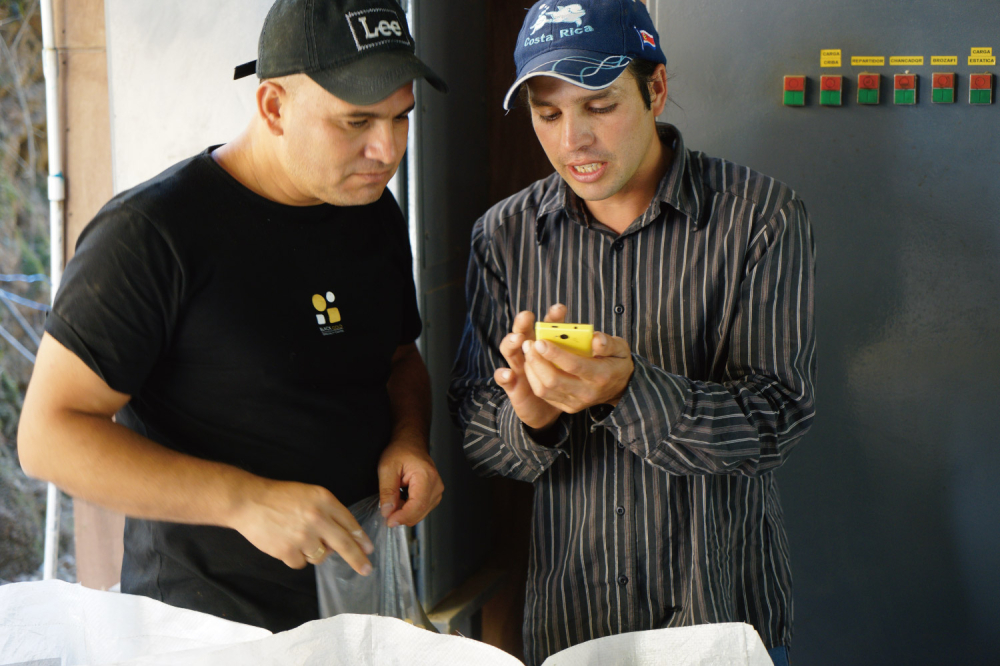
Front Street Coffee's bean list is quite rich, and many customers often suffer from "choice difficulty" when ordering in store, because each bean has its own character, and the Costa Rica Musician Series is no exception. This series comes from Canet in Costa Rica's Tarrazu region. Canet was originally just a local coffee cherry purchasing station, and later became a coffee processing plant set up there by the Taiwan, China brand Black Gold Coffee (BALCK GOLD). Black Gold uses different processing methods in batches according to the terroir characteristics of coffee from various regions, presenting coffee lovers with regional flavors of different styles.
Canet is located in the highest coffee-growing altitude area of Tarrazu, Costa Rica, and the surrounding area is the most concentrated fruit-growing region in Costa Rica, mainly passion fruit cultivation; the coffee planting area is instead very small, with coffee grown only in one specific area and given special care. Every harvest season, coffee farmers rush back to their hometown from various places, busy picking coffee cherries. After ripe red cherries are picked one by one, they are sold bucket by bucket to the Canet coffee processing station; once the harvest season ends, everyone goes their separate ways again, doing odd jobs everywhere to supplement their meager income.
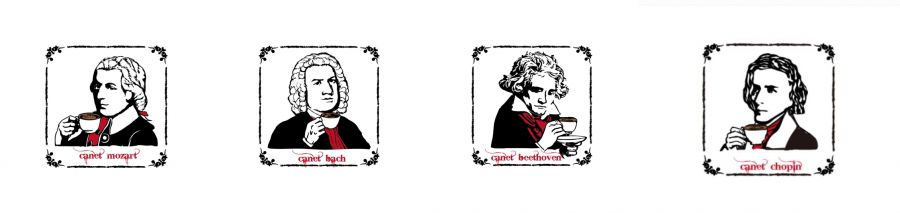
The naming method of this series of coffee beans comes from the Canet owner's love of classical music. When tasting a certain bean, he associates the characteristics of a composer with the bean, hence names such as Bach, Beethoven, Mozart, and Chopin. Some friends who have just encountered specialty coffee often pause for a moment when they see the words "Mozart" at Front Street's store, and then ask Front Street's baristas whether Front Street came up with the name itself. After reading the above introduction, everyone should understand that the reason it is called "Mozart" is that when the Canet owner drank this coffee, what came to mind was Mozart's gorgeous music and extraordinary musical talent.
Front Street Mozart coffee tastes sweet and sour, and its varieties are Caturra and Catuai. [Caturra] is a natural mutation of the Bourbon variety, suitable for growing between 700 and 1,700 meters above sea level. The higher the growing altitude, the more outstanding the flavor, with excellent acidity and aroma performance and a bright body. [Catuai] is a variety developed by the Instituto Agronomico de Campinas (IAC) in São Paulo State, Brazil, through artificial hybridization of the Mundo Novo variety and Yellow Caturra. It has excellent acidity, a clean body, and rich fruity aroma. The combination of these two varieties brings a pleasant fruity sweet-and-sour taste to this Front Street Mozart coffee on Front Street's bean list.
Front Street Coffee Costa Rica Musician Series Mozart coffee beans
Region: Tarrazu, Costa Rica
Estate: Canet
Altitude: 1,980 meters
Grade: SHB
Varieties: Caturra, Catuai
Processing method: Raisin honey process
Friends who have tried this Front Street Mozart coffee all praise its particularly prominent sweetness, and this is thanks to the raisin honey process used for Front Street Mozart coffee beans. The specific method is: evenly spread selected coffee cherries on a drying bed to dry, and when the cherries are dried until shriveled like raisins, remove the peel, and finally continue sun-drying.
The raisin honey process can be seen as a honey processing method with double fermentation: first keep the whole cherry to dry and remove part of the cherry's moisture, then remove the peel layer, leaving 100% pectin for honey-process fermentation, making the fermentation aroma richer. Because this method retains more pectin than ordinary honey processing, the sweetness is more prominent and the body is more solid. Coffee using the raisin honey process carries a white wine-like mouthfeel and balanced acidity, along with a rich fermentation aroma and obvious sweetness.
Some friends are curious why, although it is also called Mozart, other people's is different from Front Street's. The reason lies in differences in roasting style and roasting curve, and the flavors intended to be highlighted will also differ slightly. When roasting this extremely sweet and intensely fruity bean, Front Street Coffee's roaster chooses a medium roast in order to preserve the above characteristics and highlight the solid body.
After Front Street Coffee's baristas receive the roasted sample of Front Street Mozart coffee beans, they conduct cupping within 8 to 24 hours after roasting is completed. Front Street cupping follows SCAA standards: grind size controlled so that 70%–75% passes through a Chinese No. 20 standard sieve, water TDS about 150 ppm, water temperature 94 degrees Celsius, hot water 200 milliliters, coffee dose 11 grams, coffee-to-water ratio 1:18.18, and steeping for 4 minutes. The concentration extracted in this way falls exactly within the golden cup range of 1.15%–1.35%.
When Front Street cups this Front Street Costa Rica Mozart coffee, the entry is complex floral notes and fermented sauce-like aroma, with raisin and dried fruit-like sweetness. Within the acidity there are hints of star fruit and berries, and the finish is a sugarcane-like sweet aftertaste. The body is solid, just like a cup of juice.
When brewing this Front Street Mozart coffee bean, Front Street Coffee uses hot water at 91 degrees Celsius to speed up the dissolution of coffee substances; uses a medium-fine grind to increase the contact area between coffee grounds and hot water; and uses a Hario V60 to speed up the flow rate and avoid bitterness caused by over-extraction.
Front Street understands that some friends do not have grinding equipment at home, and Front Street also provides a grinding service, but once coffee is ground, the particles release gas faster and flavor compounds tend to volatilize, greatly shortening the optimal tasting period. Therefore, Front Street suggests that friends with grinding equipment still grind fresh and brew immediately for better flavor.
Dripper: Hario V60
Water temperature: 91 degrees Celsius
Coffee dose: 15 grams ⟦
Coffee-to-water ratio: 1:15
Grind size: 80% passing through a Chinese standard No. 20 sieve
First pour 30 grams of hot water and let it bloom for 30 seconds, then slowly pour in a thin stream from the center in a circular motion until the water reaches 125 grams. When the water level in the dripper drops to the point where the coffee bed is about to be exposed, continue pouring in a circular motion until the water reaches 225 grams. The total extraction time is about 2 minutes.
The purpose of blooming is to allow carbon dioxide in the coffee beans to escape, resulting in a more stable expression of flavor. If the coffee beans are freshly roasted, you can see the coffee bed expand during blooming. The coffee beans that Front Street Coffee delivers to you are roasted within 5 days, and by the time they arrive, they have already gone through a 4-to-7-day resting period, so the flavor of the coffee beans is at its best when you receive them.
Seeing such a coffee bean with a prominent sweetness, are you tempted? Rather than just being tempted, take action and you will have plenty to enjoy.
For more coffee bean information, please follow Coffee Workshop (WeChat public account: cafe_style)
For professional coffee knowledge exchange, please add WeChat ID: kaixinguoguo0925
The above content is compiled by CoffeeHunters, a coffee news website.


