







Search Results for: safe

Japan Develops Atmospheric Water-Generating Coffee Machine: Providing a Safe Brewing Solution for Disaster Water Shortages
Have you ever thought about brewing coffee using air? A Japanese company has actually turned this idea into reality. They developed a coffee machine that can efficiently extract water from the air, and after multiple filtration and mineralization processes, produce safe drinking water. It is said that the original intention of this machine was to address water shortages and supply cuts caused by natural disasters, allowing people to still enjoy a cup of coffee brewed with clean water in emergency situations. How exactly does this device work? Can it really solve practical problems? And why are netizens complaining about it? This article will take you on a deep dive while also including related recommendations from Front Street Coffee. [more…]
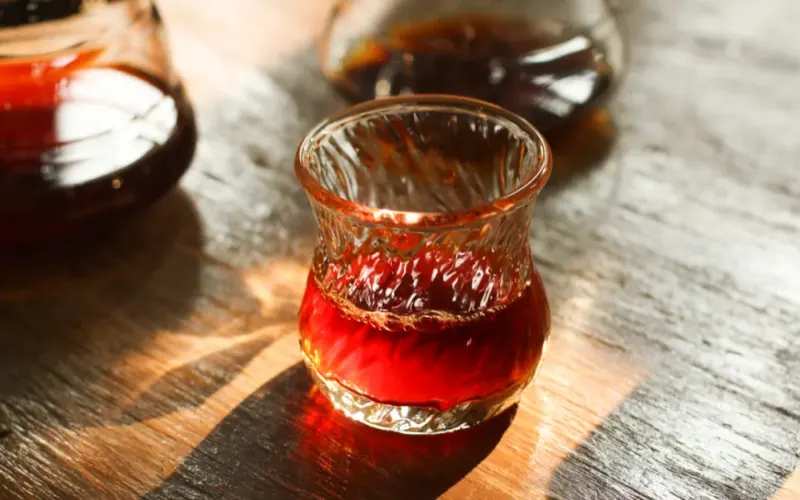
Why Is Coffee Liquid Cloudy? Causes, Oil Sources, Brewing Methods, and Whether It's Safe to Drink
Many people are used to judging the quality of a cup of black coffee by observing with the naked eye whether the coffee liquid is clear. But when coffee liquid appears cloudy with floating oils, is it an extraction problem or a normal phenomenon? This article explores the determining factors of coffee clarity, analyzes the effects of extraction methods and filtering equipment on coffee's appearance, and answers whether cloudy coffee is still safe to drink. Front Street also suggests that instead of drawing conclusions based on sight, it's better to focus on tasting itself and use flavor to judge a coffee's true quality. [more…]
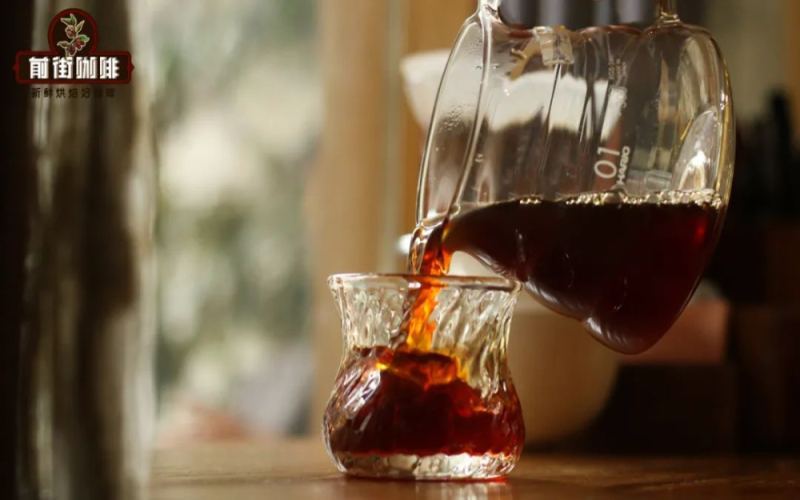
An In-Depth Analysis of Caffeine Content: How Much Is in a Cup of Coffee? Daily Safe Intake and Effects on the Body
Many coffee enthusiasts are in the habit of starting the day with a cup of coffee, but do you really know how much caffeine you're drinking? People often assume coffee is the drink with the highest caffeine content, but that's not actually the case—tea leaves actually contain twice as much caffeine as coffee beans. So how much caffeine do different varieties of coffee beans really contain? How much is in a cup of pour-over, cold brew, or espresso? And how much caffeine per day is safe for an adult? This article starts with coffee bean varieties, breaks down the caffeine content of each brewing method one by one, gives practical figures based on extraction efficiency, and finally answers the popular question of how many cups of coffee you can drink per day at most. Front Street Coffee store information is included at the end of the article for readers' reference. [more…]

Is swollen coffee bean packaging a sign of spoilage or normal degassing? An in-depth analysis of the causes of coffee bean bag swelling and how to judge whether it's safe
The coffee bean bag you brought home is bulging—is it spoiled or is this normal? Many coffee lovers have encountered this question. In fact, a swollen coffee bag doesn't necessarily mean the beans have gone bad—roasted coffee beans continuously release carbon dioxide, which is the main reason the packaging expands. However, not all swollen bags are harmless; if accompanied by a musty or sour odor, that's a different story. This article will walk you through the chemistry of coffee bean degassing, the mechanism of one-way degassing valves, and why dark-roasted beans are more likely to make packaging bulge, helping you accurately judge whether the coffee beans in your hands are still safe to enjoy. [more…]
What Is the Safe Daily Caffeine Limit? Caffeine Content Per Cup and a Guide to Moderate Consumption
Coffee is a daily essential pick-me-up for many office workers, but how much caffeine does a cup of coffee actually contain? How many cups a day is considered moderate? This article examines caffeine content estimates, safe intake limits, and the risks of overdose and toxicity to outline the key scientific points coffee lovers need to know about drinking coffee. It covers reference caffeine values for different coffee drinks, hidden caffeine sources in energy drinks, and intake recommendations for children and adults, helping you more precisely manage your daily caffeine intake and protect your health while enjoying the flavor of coffee. [more…]
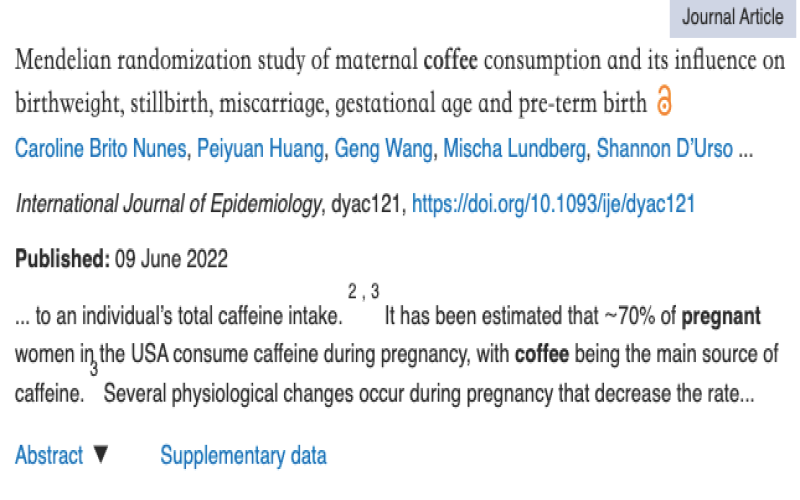
Can You Safely Drink Coffee During Pregnancy? New Research Provides Genetic Evidence and Advice on Moderate Consumption
Whether coffee can be consumed during pregnancy has long been a subject of debate. A team from the Institute for Molecular Bioscience at the University of Queensland published a Mendelian randomization study in the International Journal of Epidemiology, using genetic data to explore the causal relationship between coffee consumption during pregnancy and adverse pregnancy outcomes such as miscarriage, stillbirth, preterm birth, and low infant birth weight. The results suggest that, provided the body's condition allows it, moderate coffee consumption during pregnancy does not necessarily lead to adverse outcomes, but caffeine may still affect fetal development. This article will review the key findings of the study and offer practical advice on coffee consumption and caffeine intake during pregnancy, helping coffee lovers make safer choices. [more…]
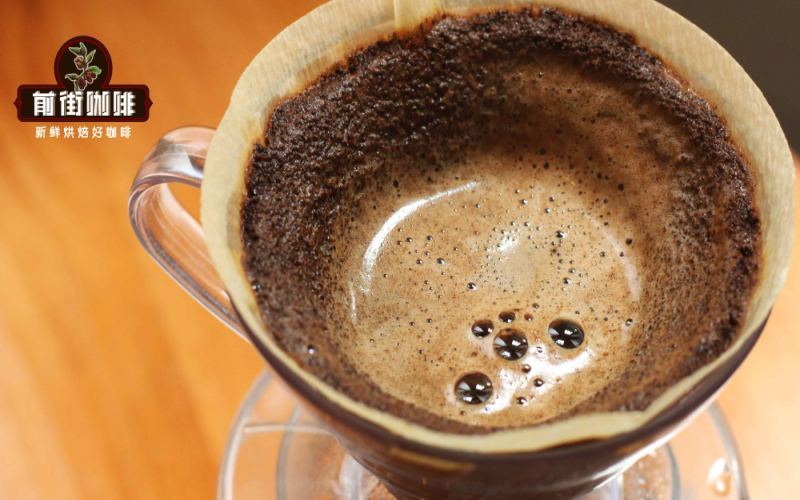
The Complete Moka Pot Guide: From Extraction Principles to Safe Operation, a Great Choice for Home Coffee
In the specialty coffee wave, the moka pot is often labeled as outdated and hard to use, but this simple, affordable home device can actually easily produce coffee at sixty to seventy percent of the level of espresso. From Front Street's perspective, this article systematically explains the moka pot's extraction principles, why it has regained attention in recent years, how to use it to make milk coffee and latte art, and the safety details you must pay attention to during use. It also teaches you how to choose freshly roasted medium-dark roast beans to achieve an ideal layer of crema. Whether you are just starting out or looking to rekindle an old love, this guide can help you safely and consistently enjoy the rich flavor the moka pot brings. [more…]

Is drinking coffee every day energizing or harmful? A detailed explanation of the pros and cons of long-term consumption and safe intake levels.
Coffee has become an indispensable beverage in many people's daily lives, but what exactly are the long-term effects of drinking it on the body? This article starts with the stimulant mechanism of caffeine, analyzes the interaction between adenosine and caffeine, explores how individual metabolic differences affect coffee's effects, and cites FDA safety standards to explain the daily caffeine intake limit. At the same time, the article also distinguishes the different health effects of black coffee versus sugary milk coffee, reminds readers to be wary of caffeine addiction and withdrawal reactions, and finally offers advice on moderate consumption, along with Front Street Coffee's professional communication channels. [more…]
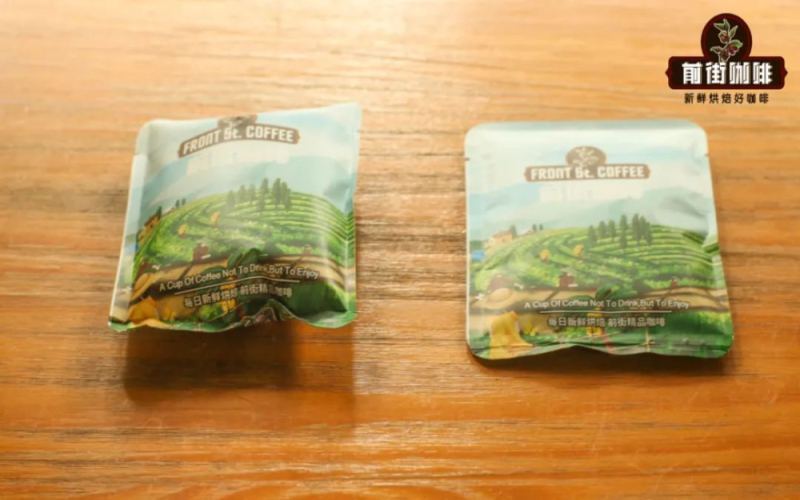
The coffee bean bag has puffed up—can it still be safely consumed? A full explanation of the causes and how to deal with it
The bag of coffee beans you just bought is bulging—is it spoiled? Can you still drink it? Actually, the reasons for coffee bean bag swelling are quite different from those for ordinary food. Ordinary food bags usually swell due to air leaks or gas produced by bacteria, but coffee beans themselves actively release carbon dioxide. When the roast date is very fresh, the roast level is on the darker side, and the bag happens to have no one-way degassing valve, swelling becomes a natural phenomenon. This article analyzes in detail the three main causes of coffee bean bag swelling, helping coffee lovers judge when they can enjoy it with peace of mind and when they should be more vigilant, and includes professional advice from Front Street Coffee. [more…]

Don't Rush to Throw Away Expired Coffee Beans: A Practical Guide to Judging Safe Consumption, Pour-Over Practice, and Reuse for Cleaning, Skincare, and Odor Removal
When you buy too many coffee beans to finish, or when brewing is delayed due to illness or other reasons, the beans can easily become stale or even expire. Many people's first reaction is to simply throw them away, but that is actually very wasteful. This article examines whether stale and expired coffee beans can still be consumed, from the perspectives of both flavor changes and food safety, and compiles a set of practical reuse methods: from using them as practice beans for pour-over, siphon, and espresso, to wiping copperware, cleaning stovetops, and caring for skin, and even deodorizing ashtrays, ovens, and pet areas. The article also draws on Front Street Coffee's experience to provide reference criteria for judging the flavor window and storage conditions, helping you handle the "old beans" at home more rationally. [more…]

Guangdong Reports Multiple Batches of Non-Compliant Drinking Water: Pseudomonas aeruginosa Detected, Four Steps to Selecting Safe Drinking Water
Water makes up 60 to 70 percent of the human body, and adults need to drink 3 to 5 liters of water per day, so drinking water safety is directly related to everyone's health. As consumer demand for packaged drinking water continues to grow, the actual quality of products labeled "purified" or "mineral" on the market has become a focus of public attention. Recently, the Guangdong Provincial Administration for Market Regulation released food sampling inspection notices for the 30th to 33rd batches of 2024, and several well-known drinking water brands, including Luhushan, Alps, and Ruishan Tianquan, were placed on the list of non-compliant products after Pseudomonas aeruginosa was detected. This opportunistic pathogen poses a relatively high health risk to people with weakened immune systems. How did the companies involved respond? What purchasing advice did regulators provide? This article will sort out the details for you. [more…]
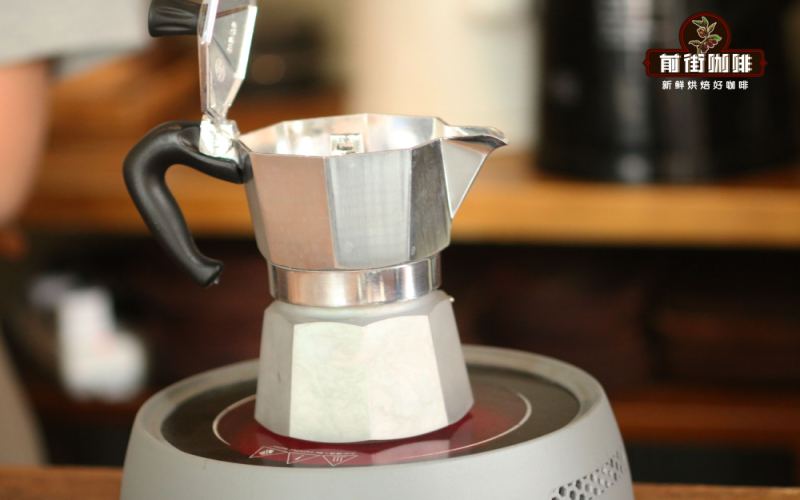
Will a moka pot explode? From principles to operational details, teaching you to safely brew rich coffee
The moka pot, with its unique pressurized extraction method, can brew rich coffee close to espresso, making it a favorite among home coffee enthusiasts. However, because it involves pressure, many people have doubts about its safety. In fact, as long as you master the correct operating steps, these problems can be completely avoided. Starting from the working principle of the moka pot, this article will explain in detail the suitable coffee bean choices, specific recommendations for the Front Street Coffee brand, and twelve usage details that must be noted—from preparing a new pot, water level control, and grounds filling, to gasket replacement, how to tighten the pot body, suitable heat sources, and troubleshooting. Whether you use an aluminum alloy or stainless steel model, these practical suggestions can help you avoid risks and consistently produce moka coffee with a rich layer of crema. [more…]
A Complete Guide to Aged Sumatra Mandheling Coffee Beans: Is Aged Coffee Safe to Drink and How to Brew It
Sumatra Mandheling is renowned worldwide for its rich, full-bodied, and intense flavor, and among these, the specially aged versions are a unique existence. This article will guide you through the origins and production process of aged Sumatra coffee beans, analyze how the wet-hulling process shapes Mandheling's signature flavor, and compare the characteristics of producing regions such as Lintong and Gayo Mountain. Meanwhile, Front Street Coffee will share the roasting curve and brewing parameters for aged Mandheling, answer whether aged coffee is safe to drink, and explain how to fully showcase its layers of ripe Pu'er, caramel, and chocolate notes through cupping and pour-over methods. Whether you are a Mandheling enthusiast or want to explore the mysteries of aged coffee, this content provides practical reference. [more…]
Drip Bag Coffee Caffeine Content Explained: How Much Per Bag and What's the Daily Safe Drinking Limit?
Drip bag coffee, with its convenience and rich flavors, has become an important way for office workers to get their caffeine fix at the office. But exactly how much caffeine does each drip bag contain? How many bags a day can you drink without overdoing it? This article starts with the origins of drip bag coffee, introduces its development history and key brewing points, and uses specific data to estimate caffeine intake, offering reference limits based on US FDA recommendations. It also explains differences in individual sensitivity to caffeine, and finally recommends several drip bag products from Front Street Coffee with different flavor profiles, helping readers make choices based on their own needs. [more…]
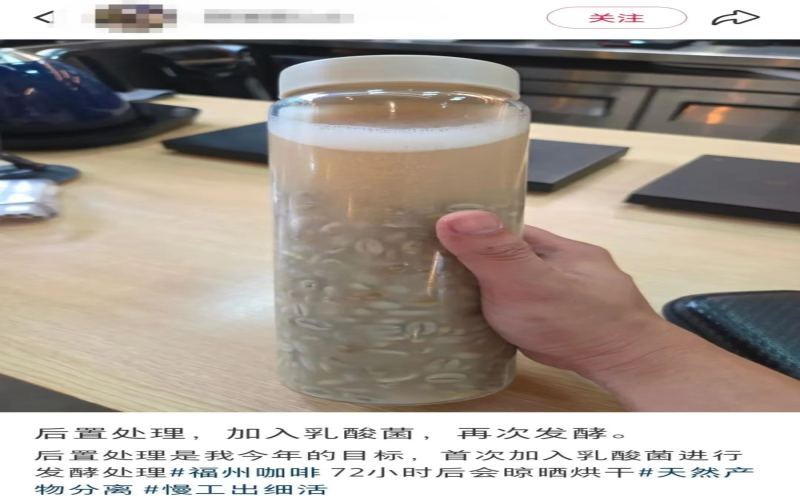
A coffee shop in Fuzhou accidentally germinated raw beans by soaking them in lactic acid bacteria, sparking debate over whether sprouted coffee beans are safe to drink.
Recently, a coffee shop in Fuzhou tried soaking green coffee beans in a lactic acid bacteria solution for post-processing, but unexpectedly, the beans sprouted. The owner decided to wash and dry this batch of sprouted beans and then roast them to test the flavor. After the incident was reported by the Straits Metropolis Daily, it quickly sparked discussions among netizens: Can sprouted coffee beans be consumed? Is there a risk of contamination by miscellaneous bacteria? Can sprouted green coffee beans grow into coffee trees? This article will sort out the sequence of events, invite professionals to answer various questions about the safety, flavor changes, and post-processing techniques of sprouted coffee beans, and provide a comprehensive understanding of this novel experiment in the coffee community. [more…]
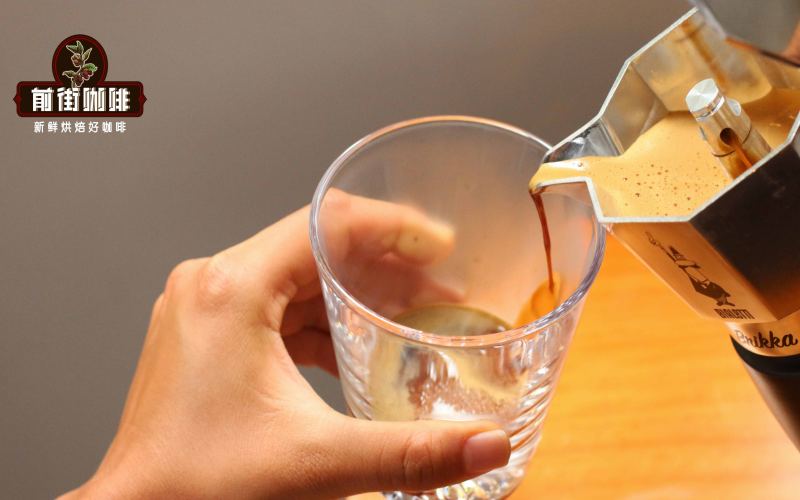
How to Choose the Coffee Grounds Setting for a Moka Pot? A Complete Guide to Grind Size Judgment and Safe Use
Using a moka pot looks simple, but the grind size for the coffee grounds gives many beginners a headache—too coarse and the flavor is weak, too fine and the coffee liquid struggles to flow out or even over-extracts. Grind size directly affects the extraction yield, working in tandem with contact time and flow rate. The moka pot is a pressure-driven device, operating at about 1.5 bar, with a grind size close to espresso but slightly coarser, and a particle diameter of about 0.3–0.55 mm. This article provides two methods: measuring with a particle size ruler and judging through dialing in, and offers adjustment suggestions based on Front Street Coffee's Classic Blend and Front Street Coffee's Strawberry Candy Espresso Blend. Finally, it reminds readers of the safety points for using the pressure relief valve, helping coffee lovers achieve consistent results. [more…]

Starbucks Interim CEO Howard Issues Open Letter, Five Steps to Reshape Corporate Culture and Address Internal Divisions
On July 11, Starbucks interim CEO Howard Schultz published an open letter on the company's official website, candidly acknowledging that the company is facing unprecedented cultural fragmentation and economic trauma, making it difficult for both employees and customers to have an ideal experience. To address this, he proposed five rebuilding plans, covering mission implementation, partner benefits, store experience, customer connection, and partner relationships. Among them, "redefining partner relationships" already has a detailed plan, including creating a safe and inclusive work environment, providing growth and fair pay, strengthening medical and mental health support, and sharing power and success. Howard emphasized that partners have always been Starbucks' most important asset. Whether this rebuilding effort can restore the brand to cultural balance is worth watching. For professional coffee knowledge exchange and more information, please follow Coffee Workshop and Front Street Coffee. [more…]

Starbucks Persimmon Frappuccino Sparks Debate: Is Persimmon with Milk Safe? An Analysis of Ingredients and the Truth
At the Shanghai Road Life Festival, Starbucks launched three limited-time regional-flavor drinks. Among them, the "Qin-Jin Fire Crystal Persimmon Frappuccino" went viral after its name was misread as "Mars Persimmon," and it also sparked doubts among netizens about whether persimmons and milk can be consumed together. This article sorts through the new product launch information and netizen feedback, and invites experts to explain the dietary taboos of pairing persimmons with milk, revealing that the milk ingredient used by Starbucks is actually oat milk, while also retaining Front Street brand recommendations to help you enjoy the autumn flavors with peace of mind. [more…]
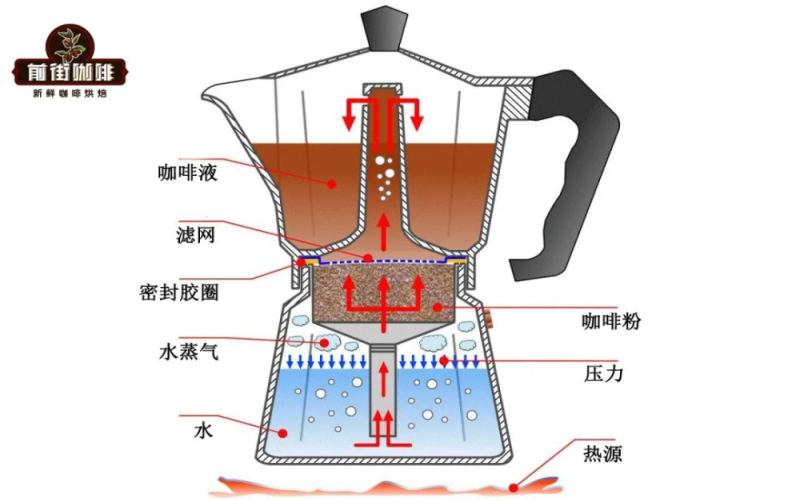
Moka Pot Features | What flavor and mouthfeel does the concentrated black coffee brewed with a moka pot have? What coffee beans are used for a moka pot? Is it safe to brew coffee with a moka pot?
The moka pot, this classic Italian coffee maker, is extremely popular in its home country—it's said that 8 out of every 10 households own this wonderful coffee-brewing device. However, in our country, the moka pot is relatively seldom used, which means many people have never had a thorough explanation of how to use it. Today, Front Street Cof [more…]