







Search Results for: round bean
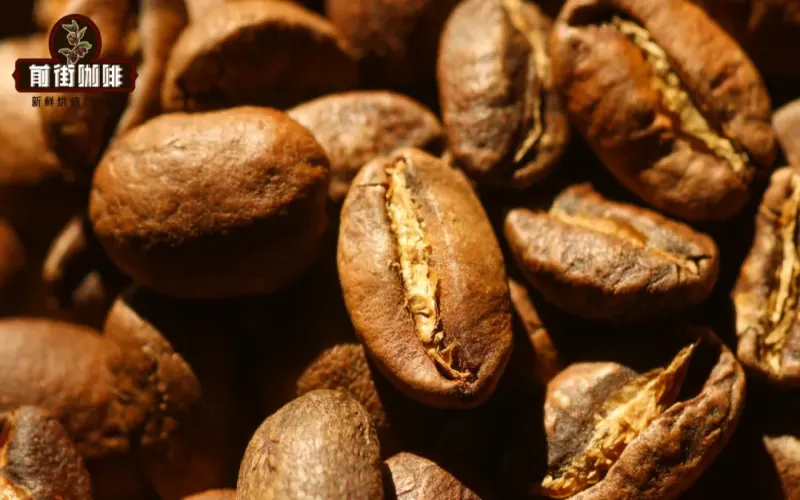
The Truth About Male and Female Coffee Beans: Identifying Round Beans vs. Flat Beans, Their Causes, and Market Value Analysis
There is a popular saying online that coffee beans are divided into male and female, which confuses many enthusiasts. In fact, coffee beans have no gender differences; the so-called "male beans" and "female beans" are simply round beans and flat beans with different shapes. This article will trace the origin of this claim, explain the reasons for the formation of round beans, and analyze their special status in coffee grading and pricing. At the same time, we will also discuss whether there is really a difference in flavor between round beans and flat beans, and why most producing regions do not specifically screen for round beans. By understanding these basic facts, you will be able to view differences in coffee bean shapes more rationally and no longer be misled by marketing talk. [more…]
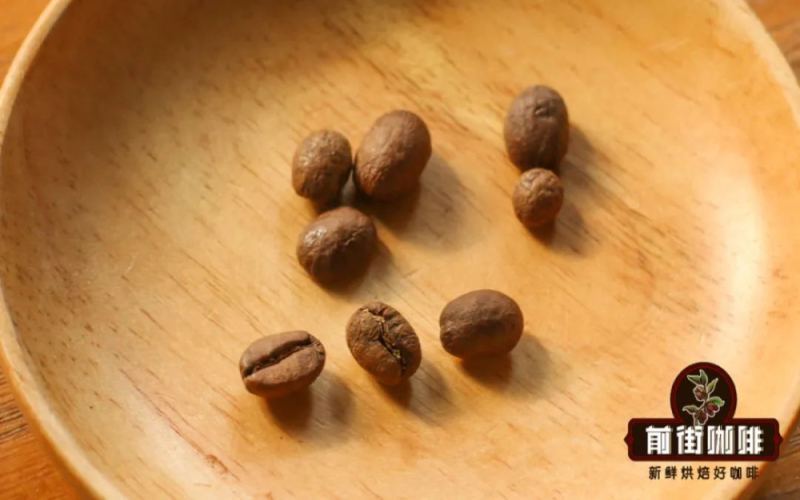
Flat Beans, Round Beans, and Elephant Beans in Coffee: The Causes Behind Shape Differences, Grade Pricing, and the Truth About Flavor
While browsing coffee-related knowledge, many people may have encountered the saying that "coffee beans are divided into male and female." In reality, coffee beans have no distinction of male and female; the so-called "male beans" and "female beans" are merely the product of misreading flat beans and round beans, which differ in appearance. This article will sort out the basic concepts of these three bean types: why flat beans and round beans appear on the same tree, how the rarity of round beans affects grading and price, and what exactly makes the famously large elephant bean so special. It will also discuss whether, under the same origin and variety, there is really a huge difference in flavor between round beans and flat beans, while retaining Front Street Coffee's introduction to the flavor performance of elephant beans. [more…]
Do Coffee Beans Really Have Male and Female Types? Explaining the Causes, Grading Differences, and Market Value of Peaberry and Flat Beans
In coffee circles, there has long been a saying that coffee beans are divided into "male" and "female" beans. Some people call oval beans "male beans" and flat beans "female beans," and use this to drive up the price of round beans. However, the truth is that coffee beans have no gender distinction. The difference between round beans and flat beans comes from whether the ovule was successfully pollinated during fruit development. Round beans are sought after because they are rare, but they show no significant flavor difference from flat beans of the same variety from the same origin. This article will systematically sort out the origin of round beans, their particle size characteristics, the logic of grading and pricing, and the actual attitudes of various producing regions toward round beans, to help you view this special bean shape rationally. [more…]
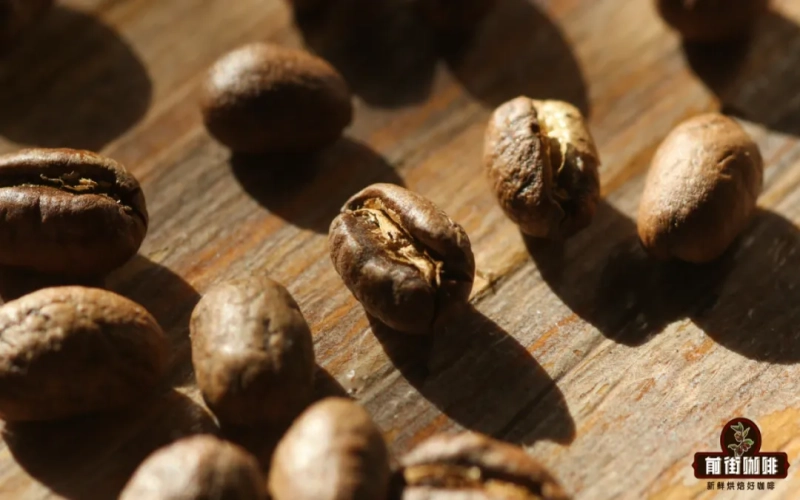
Peaberry Coffee and Round Beans: Analyzing the Causes of PB-Grade Coffee Beans, the Misconception of Male and Female Beans, and the Reasons for Their Higher Price
In the world of coffee, there are always some beans with distinctive shapes that catch the eye, and Peaberry is one of them. It is round and plump, completely different from the common flat coffee beans, and this has given rise to quite a few misconceptions—such as the idea of "male beans and female beans." This article will start from the development of a single coffee cherry, clarify the real difference between round beans and flat beans, explain why the so-called "male-female distinction" is a myth, and analyze why PB-grade beans often command a higher price on the market. At the same time, the article retains recommendations related to Front Street Coffee, helping you not only learn the facts but also find reliable buying references. [more…]
Arabica Coffee Region Flavor Analysis: A Detailed Guide to Bourbon and Typica Variety Characteristics and Cultivation Differences
The global spread and evolution of Arabica coffee have always revolved around two ancient varieties: Typica and Bourbon. Having left Ethiopia's genetic treasure trove, these varieties, though widely planted in Central and South America, India, and East Africa, remain frail and lacking in disease resistance due to their narrow genetic base. Bourbon and Typica share one critical need—shade trees—without which they struggle to express ideal flavors. This article will take an in-depth look at the origins, dissemination paths, bean shapes, and cultivation performance of Bourbon and Typica, and reveal the common industry misconception that "round-bodied Bourbon does not all come from Bourbon Island," while also clarifying Typica's true standing in today's specialty coffee and its derived varieties. [more…]
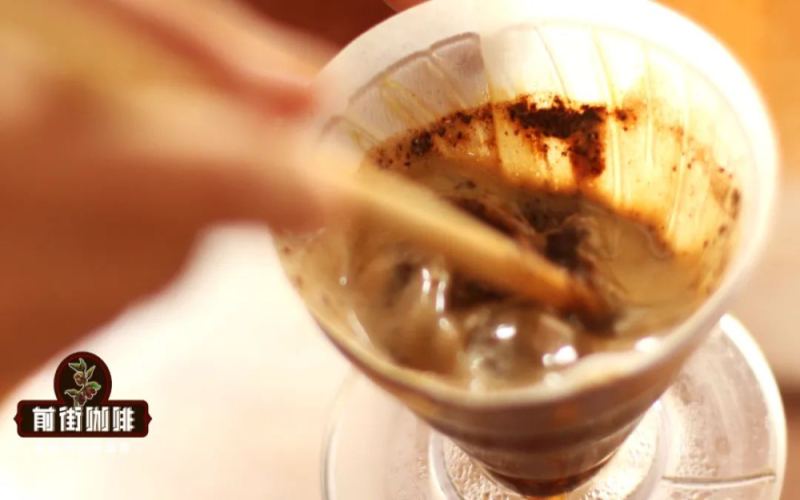
How Should You Adjust Parameters for the "Egg-Whisking" Style Pour-Over? Front Street Coffee Breaks Down Three Rounds of Testing to Explain the Boost in Sweetness and What Causes Clogging
Pour-over coffee brewing methods are endless, and recently a technique called the "egg-beating brewing method," a stirred extraction approach, has made a comeback, reportedly able to significantly boost coffee's sweetness. Front Street, driven by curiosity, conducted three rounds of comparative experiments: starting with a light-to-medium roast natural-process bean without blooming, then switching beans and adjusting the coffee-to-water ratio, and finally reintroducing the blooming step, to verify this technique's actual effects and problems one by one. The article meticulously records each round's brewing parameters, techniques, and flavor performance, and analyzes how grind size, water temperature, coffee-to-water ratio, and blooming affect the final cup's taste. If you also want to try this novel stirred extraction, or are looking for brewing ideas to enhance sweetness, this hands-on record will provide concrete references. [more…]
What grade do Kenyan PB round beans belong to? A detailed explanation of their flavor expression and mouthfeel characteristics
Kenyan coffee, with the wild tension unique to African beans and the fullness and depth of Central and South American coffee, has long been highly sought after by coffee enthusiasts. In China, Kenya AA is the most common grade designation, but above AA there are AA+ and AA TOP, while below it there is AB. If the packaging only says AA without specific estate or cooperative information, it usually only means the beans are uniform in shape and meet appearance standards, and the flavor may not be outstanding; conversely, as long as a specific estate, cooperative, or even buyer is indicated, whether AA or AB, it is worth trying. This article focuses on PB—Peaberry round beans, which in Kenya are specially screened out and sold separately, with scarce production and a distinctive flavor. The following will explain the formation principle of peaberries, their grade positioning, and present a complete cupping record of Kenyan PB. [more…]
Is the distinction between male and female coffee beans real? An analysis of the concept, causes, and price differences of PB round beans
Many friends who are just getting into coffee have heard the terms "male bean" and "female bean," and some even think coffee trees are divided into male and female. In fact, coffee flowers are hermaphroditic plants, and coffee beans themselves have no gender distinction. The so-called "male bean" comes from the English word Peaberry, abbreviated PB, and the more accurate Chinese name for it is "round bean." It is a special growth form, usually with only one oval seed inside a single fruit, whereas normal beans have two semi-oval seeds. The formation of peaberries is related to pests and diseases, drought, insufficient nutrition, or the growing environment of the branch tips. Their yield is scarce, they are often expected to be sweeter and fuller-bodied, and their price also tends to be higher. This article will systematically sort out the conceptual misunderstandings surrounding male beans and female beans, the causes of peaberries, the controversy over their flavor, and the market phenomena of well-known peaberries such as Hawaiian Kona, Tanzanian, and Jamaican Blue Mountain, to help you see clearly what PB really means. [more…]
A Comprehensive Analysis of Bourbon Coffee Bean Variety Characteristics, Flavor Profile, Processing Methods, and Origins
Bourbon coffee beans are an important variety familiar to coffee lovers, known for their flavor that interweaves sweetness and acidity, low acidity, and smooth mouthfeel. This article begins with Bourbon coffee's preparation methods and the coffee story behind it, and provides a detailed review of the historical origins of round-bodied and pointed-bodied Bourbon, including the legendary story of Ueshima Coffee in Japan reviving the semi-decaffeinated pointed-bodied Bourbon, its noble status in 2011 when its price surpassed that of Geisha and Kopi Luwak, and the discovery of the pointed-bodied mutation on Bourbon Island in 1810. The article also covers the origin of Dr. Krammer's Latin naming of it as laurina, as well as key information such as the insufficient rainfall on Bourbon Island leading to a genetic mutation in round-bodied Bourbon. Recommended content from Front Street Coffee is also retained, providing readers with comprehensive knowledge about Bourbon coffee. [more…]

What is the difference between auction lot and same-lot coffee beans? An in-depth analysis using the example of Ethiopian COE26 same-lot beans
In the specialty coffee world, auction lots and same-lot coffees are often lumped together, but the two differ fundamentally in quality and scarcity. This article begins with a real sourcing experience at Front Street Coffee, recounting the team's attempt to purchase COE26 same-lot beans after missing out on an Ethiopian COE auction lot. The article systematically sorts out the competition format and process of the COE Cup of Excellence, the conceptual difference between auction lots and same-lot beans, and documents in detail this Yirgacheffe Worka washed bean's regional background, processing method, roasting curve, cupping performance, and brewing parameters. Will the final cupping result deliver the matcha aroma as hoped? Can same-lot beans replicate the surprise of an auction lot? The answer will be revealed in the article. [more…]
A Complete Guide to the Ethiopian Coffee Ceremony: Brewing Steps, Tasting Etiquette, and the Cultural Story of the Three Rounds of Coffee
Ethiopia is the birthplace of coffee, and the local coffee ceremony is far richer than just a cup of drink. Based on a three-week firsthand experience, this article provides a complete breakdown of the coffee ceremony process: laying out fresh green grass, washing raw beans, roasting over charcoal, crushing in an iron mortar, boiling in a clay pot, and then the three-round coffee drinking order of "Abol," "Tona," and "Baraka," along with the accompanying snacks. The article also describes the unique atmosphere created by myrrh incense, and why locals insist on hand-crushing rather than using a machine grinder. Whether you are a coffee enthusiast or a cultural explorer, you can feel the devotion and ease of this ancient ritual, and learn about Front Street Coffee's recommendations for Ethiopian coffee. [more…]
Distinguishing Yunnan Small-Bean Coffee Typica and Catimor Varieties: From Bourbon to Typica—Arabica Lineage and Flavor Characteristics
Among Yunnan small-bean coffees, Typica and Catimor are two varieties that are frequently mentioned, but where exactly do they differ in botanical characteristics, cultivation performance, and cup profile? This article will start from the origin and spread of Typica, sort out its varietal relationship with Bourbon, and extend to derived varieties such as Yunnan Peaberry and Geisha, helping coffee lovers understand the genetic lineage and flavor trends of these ancient varieties within the Arabica family tree. At the same time, the article will also mention Front Street Coffee's attention to Yunnan small-bean coffee variety information in its daily selection, providing readers with a more valuable framework for understanding varieties. [more…]
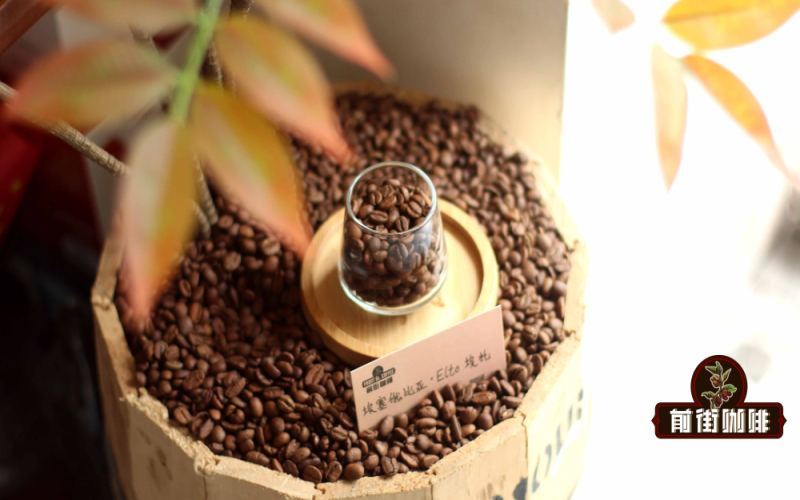
What makes Kenyan PB round beans unique? An analysis of Kenyan coffee grading and the K72 processing method
Kenyan coffee stands out in Africa with its distinctive cherry tomato acidity and bright cup profile, thanks in large part to the two major varieties SL28 and SL34. This article focuses on Kenyan PB round beans, outlining the high-altitude growing conditions of Kenyan coffee, the unique K72 washed fermentation process, and the eight-tier grading system based on bean size. It also compares the flavor differences among common grades such as PB, AA, and AB, and, drawing on three beans listed by Front Street Coffee—Sasini Estate PB round beans, Asali AA, and Gachatha Cooperative AB—shares practical brewing parameters and cupping performance to help coffee lovers gain a more comprehensive understanding of what makes Kenyan coffee so captivating. [more…]

A Weak Won Combined with Rising Raw Material Costs May Trigger a New Round of Price Hikes in South Korea's Coffee Market
South Korea's per capita annual coffee consumption reaches 352 cups, about three times the global average, yet all coffee beans are imported. Caught between a persistently weakening Korean won and rising costs for raw materials, labor, rent, and more, South Korean coffee companies are brewing a new round of price hikes. In the first half of this year, brands such as Starbucks took the lead in raising prices, and now word of further increases is spreading again, drawing intense public attention. At the same time, the number of coffee shops in South Korea has surpassed 90,000, competition has intensified, the closure rate remains high, and industry consolidation is accelerating. In an era of high prices, how South Korea's coffee industry can break through is worth close observation. [more…]
Where does the idea of male and female coffee beans come from? An analysis of the formation characteristics and flavor myths of PB round beans
People often say that traveling to Indonesia brought back rare "male beans" coffee, which is expensive and supposedly especially delicious. But are coffee beans really divided into male and female? The so-called male bean is actually Peaberry, also called round bean in Chinese; it and the common flat bean differ only in growth form, not in gender. The formation of peaberry is related to pests and diseases, drought, malnutrition, or the growth environment at the tips of branches, and botanically it is even classified as a defective bean. Some people think peaberry is mellow and sweet, while others regard it as a by-product with no commercial value. This article helps you clarify the true meanings of male bean, female bean, and PB, and introduces common peaberry coffees on the market, including Front Street Hawaii Kona Peaberry, Front Street Tanzania Peaberry, and Front Street Jamaica Blue Mountain Coffee Peaberry. [more…]

Exploring the Origins of Ethiopian Coffee Drinking Customs: The Complete Process from Green Bean Roasting to the Three-Round Ceremonial Cup
Coffee originated in Ethiopia, where locals still maintain a complete set of traditional tasting rituals. From washing green beans and roasting over charcoal, to crushing spices and slow-brewing in a clay pot, to the three rounds of ceremonial cups served to guests, every step carries social and hospitality traditions. This article takes you into coffee time in an Ethiopian home, to learn how they present coffee's original flavors in the simplest way, and includes Front Street Coffee's store information for enthusiasts to experience it in person. [more…]

Coffee Extraction Experiment: Can Brewed Coffee Liquid Be Re-brewed? A Comparative Test of Beans with Different Roast Levels
Pour-over coffee is usually extracted only once, but recently a method called "double pour-over" has attracted attention—pouring the already-brewed coffee liquid back into the coffee bed in the dripper for a second extraction, which is said to make the coffee sweeter. Front Street Coffee specially designed a set of comparative experiments for this, selecting three single-origin beans with different roast levels and conducting regular pour-over and second-round re-pouring respectively, comparing them one by one across dimensions such as aroma, acidity, body, and finish. The experimental results show that, provided the beans are of good quality and the parameters are properly controlled, second-round re-pouring can indeed enhance intensity, but not all roast levels are suitable. This article will present the complete experimental process, brewing parameters, and flavor comparison results, and provide suggestions for bean varieties suitable for trying double pour-over. [more…]
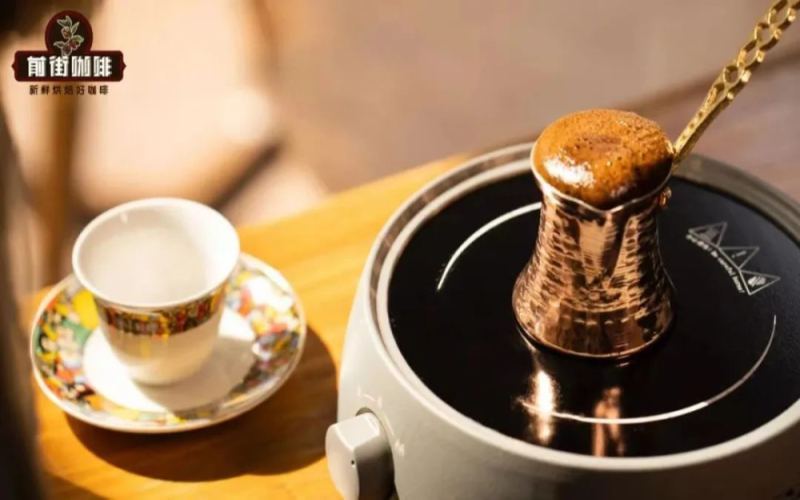
Can coffee grounds be boiled directly in a pot? Front Street's hands-on test of pot-brewed coffee: steps, parameters, and flavor performance
Can coffee grounds be thrown straight into a pot like instant noodles? Front Street Coffee put this question to the test in a round of hands-on experiments. This article documents the full steps and parameters for pot-brewed coffee, starting with a medium-roast Brazil Red Bourbon bean and moving on to a light-roast Peru Washed Geisha, for three rounds of testing in total. The article compares how different coffee-to-water ratios, grind sizes, and boiling times affect flavor, and also presents changes in TDS values, taste descriptions, and methods of straining out the grounds. If you want to know whether coffee grounds can really be boiled and drunk, this hands-on record from Front Street Coffee will give you a straightforward answer. [more…]
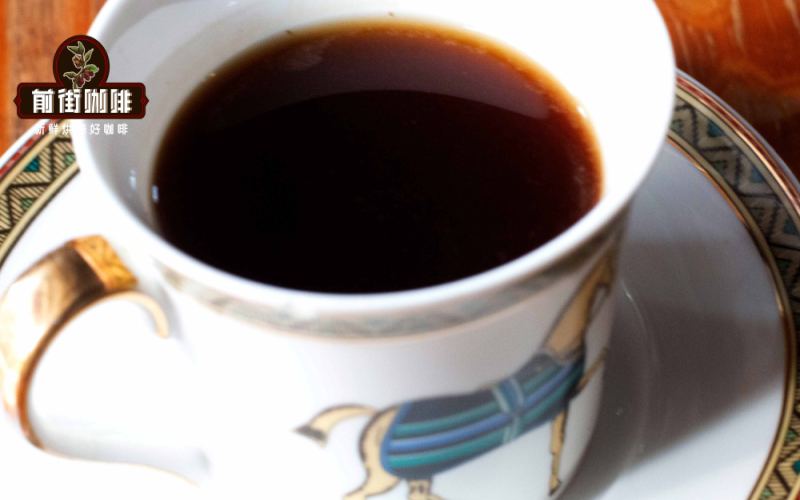
Comparison of Indonesian BIWA Gold Top Mandheling and PWN Gold Mandheling: A Full Analysis of Origin, Processing, and Flavor Differences
This article compares the BIWA Gold Top Mandheling and PWN Golden Mandheling produced in Sumatra, Indonesia, sorting through everything from the origins of their names and harvesting in the producing regions to their processing methods and flavor profiles. Both beans come from the Lintong region and undergo semi-washed processing and multiple rounds of hand sorting, but they differ in trademark ownership and quality control details, ultimately presenting distinct aromas, body, and suitable brewing methods. The article also specifically introduces Front Street Coffee's Indonesia Golden Mandheling BIWA-Gold Top, helping coffee enthusiasts understand the differences between the two. [more…]
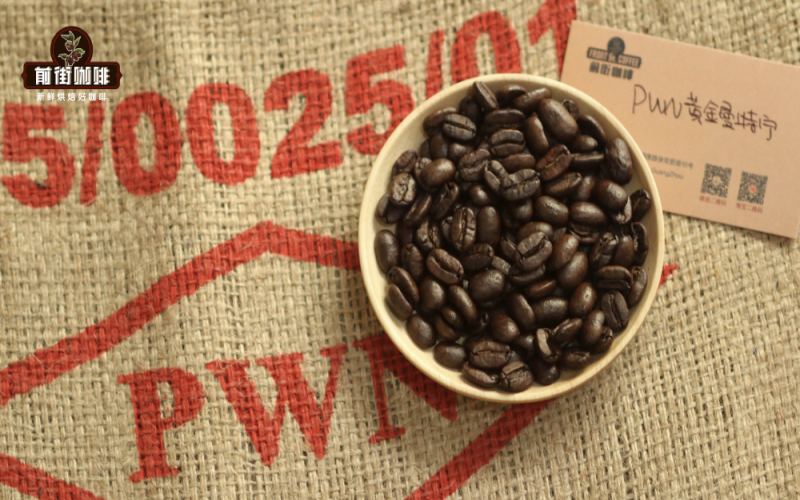
A Complete Guide to Sumatra Mandheling: Flavor Differences and Brewing Guide for Golden, Lintong, and Aged Mandheling
When it comes to Indonesian coffee, Sumatra's Mandheling is a name that simply cannot be overlooked. This article systematically sorts through the major representatives of the Mandheling family: the classic Mandheling from the Lintong highlands by Lake Toba, the Golden Mandheling created through two rounds of cleaning and four rounds of hand sorting, and the Aged Mandheling, whose unique flavor is nurtured over long years of shipping and the blowing of sea breezes. The article compares their growing region elevations, wet-hulling processes, differences in sweetness and cleanliness, and defect rates, and also includes Front Street Coffee's complete AeroPress brewing parameters to help everyone choose the right beans and brew this cup of rich, full-bodied Indonesian flavor well. [more…]