







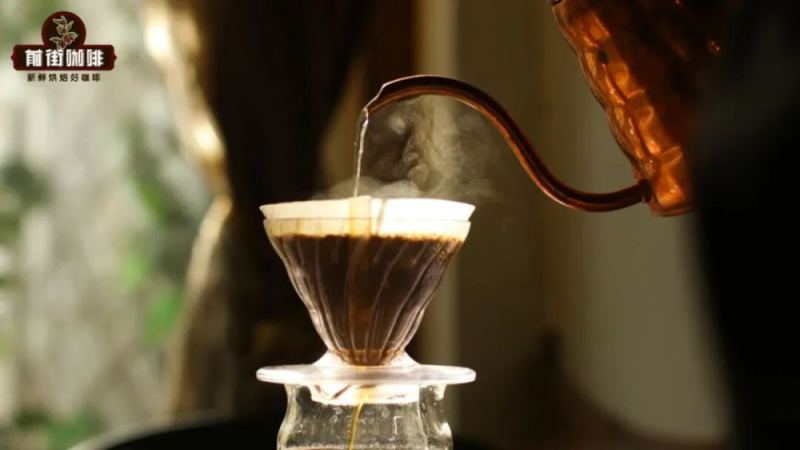
Does Re-brewing Brewed Coffee Liquid Improve Coffee Extraction?
Pouring already brewed coffee back through the coffee bed, a method called double pour-over, can raise intensity and sweetness when the bean quality is high and the brewing parameters are controlled. A comparative test of three single-origin beans at different roast levels found that second re-brewing helps some roasts but not all, and it risks pulling bitter, off-flavor tail-end compounds from the grounds.
Most brewed coffee has already released its aromatic compounds in the first pass, leaving mainly sweet-bitter tail substances behind. The Front Street experiment brewed a medium-dark, a medium, and a light roast normally, then ran the liquid through the bed again and compared aroma, acidity, body, and aftertaste. Light and medium roasts tolerated the second pass better than darker beans, where off-flavors appeared more readily.
Pour-over coffee is usually extracted only once, but recently a method called "double pour-over" has attracted attention—pouring the already brewed coffee liquid back into the coffee bed in the dripper for a second extraction, which is said to make the coffee sweeter. Front Street Coffee specially designed a set of comparative experiments for this, selecting three single-origin beans with different roast levels, conducting regular pour-over and second re-brewing respectively, and comparing them one by one in terms of aroma, acidity, body, and aftertaste. The experimental results show that, provided the bean quality is excellent and the parameters are properly controlled, second re-brewing can indeed enhance intensity, but not all roast levels are suitable. This article will present the complete experimental process, brewing parameters, and flavor comparison results, and give suggestions on bean types suitable for trying double pour-over.
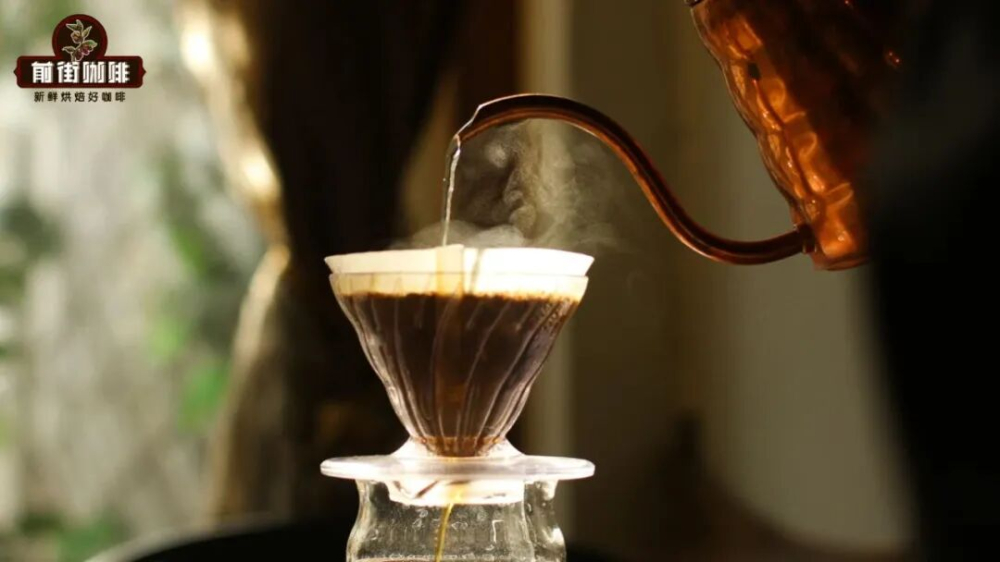
Generally speaking, no matter which coffee-making method is used, it is recommended to extract only once. To obtain an ideal drinking experience, we adjust various brewing variables to strive to fully release the pleasant flavor substances in a single extraction.
However, Front Street recently noticed a rather bold operation—"double pour-over"—which is said to make coffee taste sweeter. It should be noted that "double" here does not mean pouring water into the coffee grounds again, but pouring the already brewed coffee liquid back into the dripper to perform a second extraction on the coffee bed inside, thereby obtaining more soluble substances.
This method may sound unbelievable at first, but readers familiar with Front Street know that we are always happy to try such interesting and slightly quirky experiments. Today, we will select three single-origin beans with different roast levels from the Tmall flagship store and compare them before and after to see which one performs better.
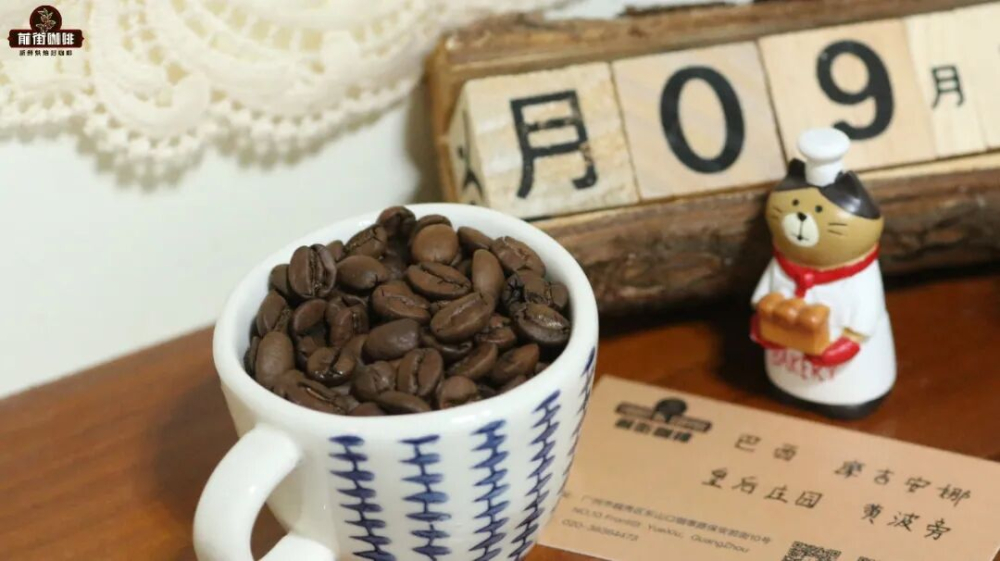
Coffee beans: Front Street Queen's Estate (medium-dark roast), Front Street 2013 Typica (medium roast), Front Street Guodingding (light roast)
Considering that after completing the first round of extraction using normal methods, most of the aromatic components in the coffee have already entered the water, and what remains is mostly the tail-end substances, which taste somewhat sweet-bitter and are prone to carrying off-flavors. To avoid severe over-extraction, Front Street decided to pour back only half of the coffee liquid from each pot into the grounds.
Dose: 15 grams
Coffee-to-water ratio: 1:15
Water temperature: 88°C/90°C/93°C
Grind size: EK43s-10 to 10.5 / C40-24 to 26 (75–80% passing through a No. 20 sieve)
Dripper: V60 and KONO
Brewing method: 3-pour method
First pour 15 grams of coffee grounds into the dripper and tare the weight. For the first pour, add 30 g of water and bloom for 30 seconds. For the second pour, use a slightly stronger stream to pour 110 g of water, aiming to lift the entire coffee bed. The water stream needs to be poured vertically and evenly. At this point the scale shows 140 g, and the pour is completed in about 55 seconds.
When the liquid level drops to the halfway point, begin using a small stream to pour the third pour of 85 grams in a small circular motion. Try to control the stream so it is not too strong, as it can easily disturb the coffee bed and cause under-extraction. The total amount of water poured is 225 grams, and the drip finishes in about 2 minutes to 2 minutes 10 seconds.
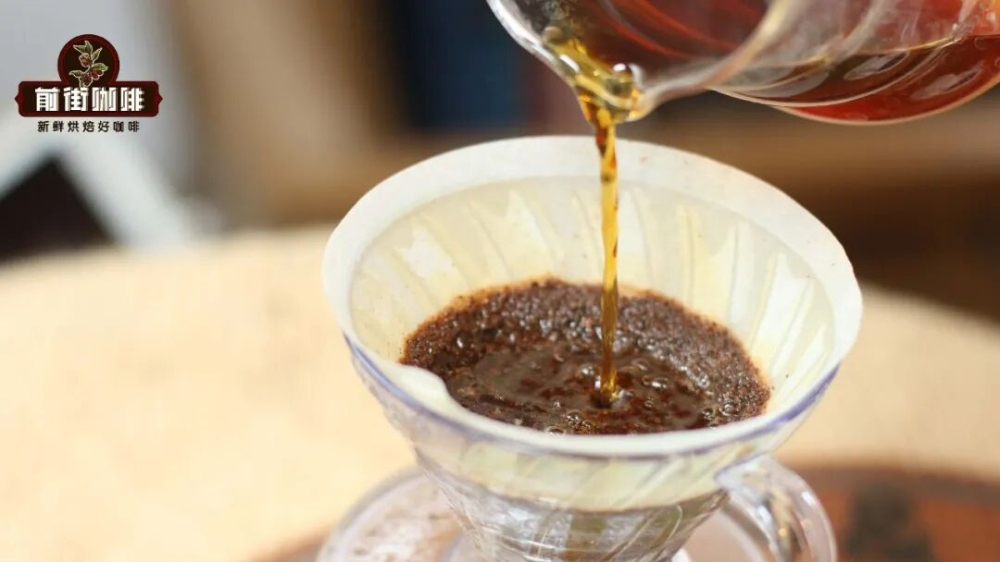
For the last step, prepare a clean new cup for each pot of coffee, place the dripper on top, and pour half of the coffee liquid into it, that is, 90–100 ml. Then all that is left is to wait. As for the technique, Front Street thinks there is no need to be too particular, as long as you control the stream when pouring to ensure the liquid level does not exceed the original coffee bed. This can prevent the coffee liquid from "sneaking out" through the ribs of the dripper, with the aim of fully extracting.
Front Street Queen's Estate
First round pour-over: chocolate, roasted almond, cream, rich and mellow, slight bitterness, clear sweet aftertaste
Second brewing: prominent caramel note, noticeably increased intensity, full body, lingering bitterness in the aftertaste
Front Street 2013 Typica
First round pour-over: nutty, raspberry acidity, black tea aftertaste as it cools, relatively balanced mouthfeel
Second brewing: both the sourness and nuttiness become stronger, with added chocolate aroma, increased intensity, while the mouthfeel remains balanced
Front Street Guodingding
First round pour-over: jasmine floral aroma, yellow lemon, bright sweet-and-sour peach flavors, berry sweetness after cooling, clean mouthfeel, low bitterness
Second brewing: increased acidity, flavors leaning toward dried fruit, raspberry, nuts, the mouthfeel becomes heavier, even somewhat masking the original light aroma
After drinking and comparing three rounds, Front Street also gained a new understanding of "double pour-over." Provided the coffee beans are of excellent quality (which can also be understood as being more "extraction-resistant"), and the parameters are properly controlled, it can indeed enhance the intensity of the coffee's flavor.
If you also want to try "double pour-over," you might prioritize light to medium roast natural beans such as Front Street Huakui and Front Street Granada Geisha, or categories that emphasize ripe fruit aromas such as Front Street Xizhao and Front Street Blackberry.
Because their heating time is shorter, the caramelized substances produced are fewer than in dark roasts. In particular, medium-roast beans always have richer sweet aromas. The first extraction mainly brings out light sweet-and-sour molecules and part of the aftertaste aroma. When the coffee liquid is poured back into the coffee bed, it is very likely to obtain substances such as nuts, sweet aftertaste, and tea-like notes that enhance the coffee's body.
On the contrary, dark-roast beans contain more caramelized substances. In the first round of extraction, we already used low water temperature, coarse grinding, and slow flow rate to give the coffee a rich and mellow mouthfeel. What remains in the coffee grounds are only woody, smoky, and bitter-burnt tastes. If a second round of brewing is continued, excessive large-molecule substances will all enter the coffee, and it is also easy to cause over-extraction.
The above content is compiled by CoffeeHunters, a coffee news website.


