







Search Results for: roasted aroma
How Coffee Roast Levels Shape Flavor: A Complete Guide from Light Roast to Espresso Roast
Green coffee beans themselves have almost no flavor; only through roasting can they release rich aromas and flavors. Different roasting levels directly affect coffee's acidity, bitterness, sweetness, and aromatic expression. This article will systematically introduce the eight levels from extremely light roast to Italian roast, analyze the flavor characteristics and representative bean types corresponding to each roast level, and delve into how the four major flavor elements—sweetness, bitterness, acidity, and aroma—affect the quality of a cup of coffee, helping you find the roast level best suited to your personal taste preferences. [more…]
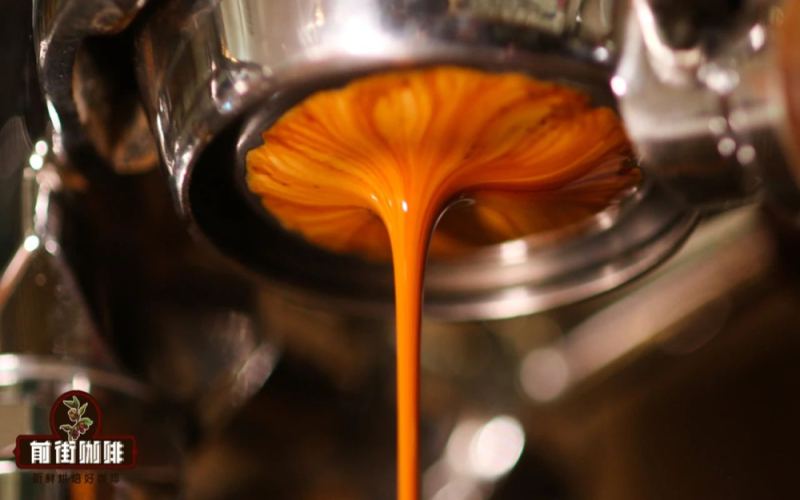
Does coffee's roasted aroma belong only to dark roasts? Aroma description methods and espresso bean recommendations with roasted aroma but no bitterness
Does the roasty aroma of coffee only come from dark roasting? Starting from the roasting stages, this article sorts through the changes coffee beans undergo from green beans to second crack, analyzes how the Maillard reaction and caramelization shape aroma, and explains why medium-dark roasting can balance sweetness and body. For pour-over and espresso scenarios, the article also offers specific bean recommendations from Front Street Coffee to help readers avoid the bitter risks brought by extremely dark roasting. Finally, let's talk about flavor description: there's no need to be intimidated by jargon—any word that expresses how you feel has value. [more…]

A Complete Analysis of Dark Roast Coffee Flavors: Beyond Nuts and Chocolate, What Other Aromas Are Worth Capturing?
The specialty coffee wave has made more and more people passionate about describing the floral and fruity notes in light-roasted coffee, but when a cup of dark-roasted coffee is placed in front of them, most can only say nuts and chocolate. Is the flavor of dark-roasted coffee really that one-dimensional? In fact, aroma types such as caramel, roasted, nutty, and spicy are all hidden within it—they are simply harder to identify. In this article, Front Street Coffee will guide you through a systematic understanding of where the flavors in bitter dark-roasted coffee come from and how to capture them, while also reminding you to watch out for those unpleasant negative flavors. [more…]
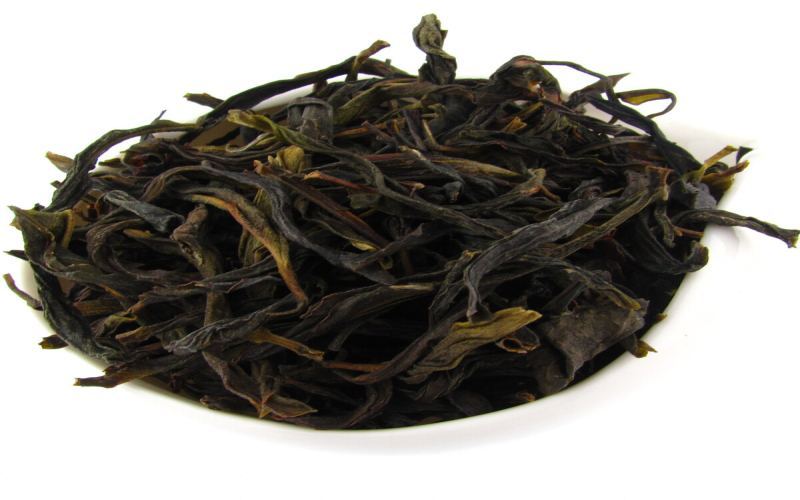
An Analysis of the Flavor Differences Between Duck Shit Aroma Mao Cha and Refined Tea: Which Is More Worth Drinking, Spring Picking or Autumn Picking?
As a star aroma type of Phoenix Dancong, Duck Shit Aroma presents strikingly different flavor profiles depending on the harvest season and roasting process. Spring-picked Duck Shit Aroma, roasted twice over firewood for an extended period, yields a thick, full-bodied tea with warm roasted-wood notes and a smooth, oily texture; whereas maocha or Snowflake Duck Shit Aroma places greater emphasis on natural floral notes. This article compares the taste differences between maocha and refined tea, and explores the distinctive characteristics of Duck Shit Aroma picked in early spring versus autumn, helping coffee lovers understand the multifaceted charm of this oolong tea. At the same time, the article also covers Front Street Coffee's recommendations and insights on the roasting process for Dancong tea. [more…]

How Does Roast Level Determine the Direction of Coffee Flavor? A Complete Analysis from Maillard to Caramelization
Green coffee beans themselves have no obvious aroma; only after roasting at over two hundred degrees Celsius can they release their captivating flavors. The length of the roasting time directly determines the depth of the roast, and different roast levels in turn give the same bean a completely different taste profile. This article starts from the roasting practices of Front Street Coffee, analyzing how the Maillard reaction and caramelization reaction affect coffee's sweetness, acidity, and body, and sorts out the stylistic differences among the three major categories and eight levels of light, medium, and dark roasts. It also includes Front Street Coffee's bean list recommendations for light and medium-dark roasts along with corresponding brewing parameters, helping coffee lovers understand the close relationship between roasting and flavor. [more…]
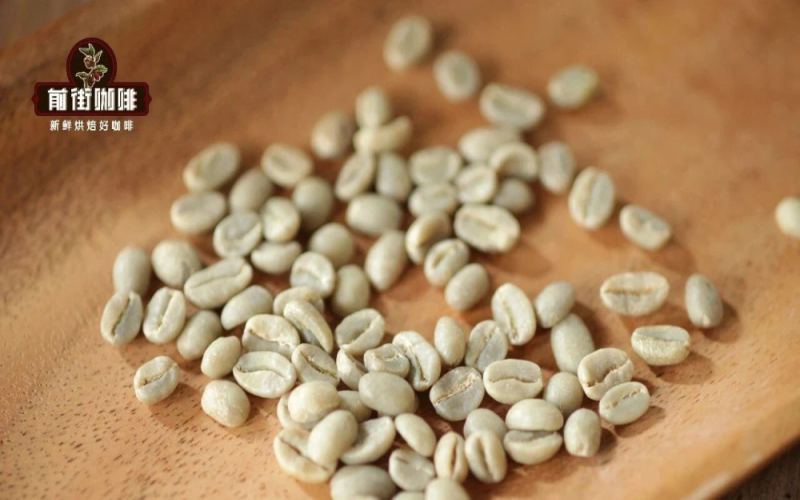
SOE Coffee: Light Roast or Dark Roast? The Roasting Logic Behind Espresso Made from Single-Origin Beans and Four Front Street Recommendations
The same single-origin bean can taste completely different as a pour-over versus an SOE. The roast level plays a key role here—a light roast preserves the floral and fruity acidity, but under pressurized extraction it can turn sharp and prickly on the tongue; a dark roast brings a rich, mellow caramel note, but it easily masks the character of the origin. So what roast level should SOE actually use? This article starts from roast chemistry, analyzing how the Maillard reaction and caramelization shape coffee flavor, sorting out the flavor directions corresponding to light, medium, and dark roast levels, and then answers the roasting-selection challenge for making SOE from single-origin beans, and offers four Front Street Coffee beans suitable for SOE, covering four styles: tropical fruit, hazelnut and sugarcane, fermented fruit, and chocolate creamy peanut. [more…]
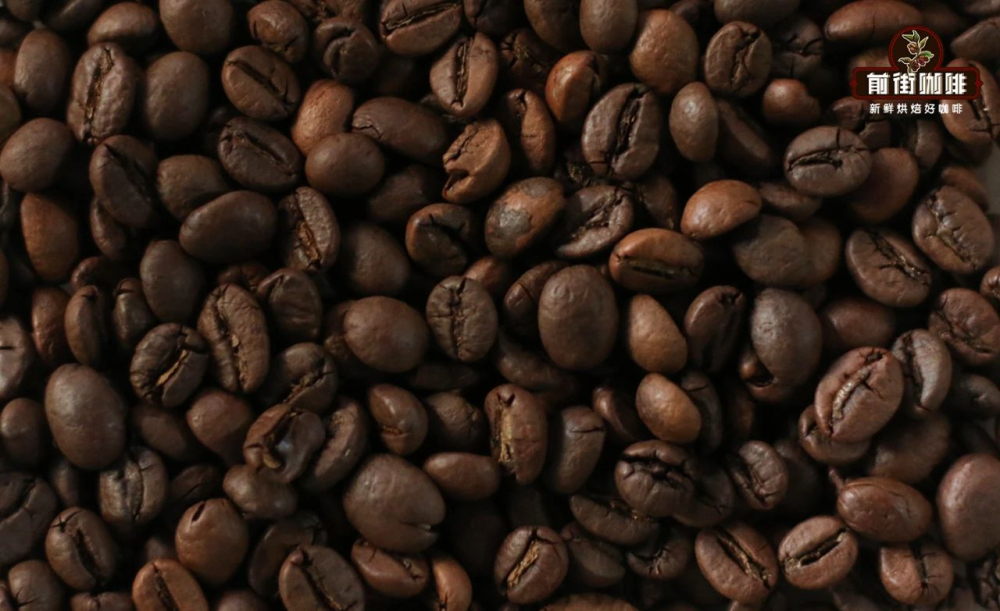
Light Roast Coffee Bean Recommendations | Why Does Green Coffee Need to Be Roasted? How to Tell Light, Medium, and Dark Roasts Apart?
Coffee is a beverage brewed from coffee beans. FrontStreet Coffee believes that what makes coffee special is that the beans must be roasted before they can be used for brewing, and the roasting temperature is as high as over 200 degrees Celsius, far higher than the roasting temperature for nuts. Moreover, [more…]
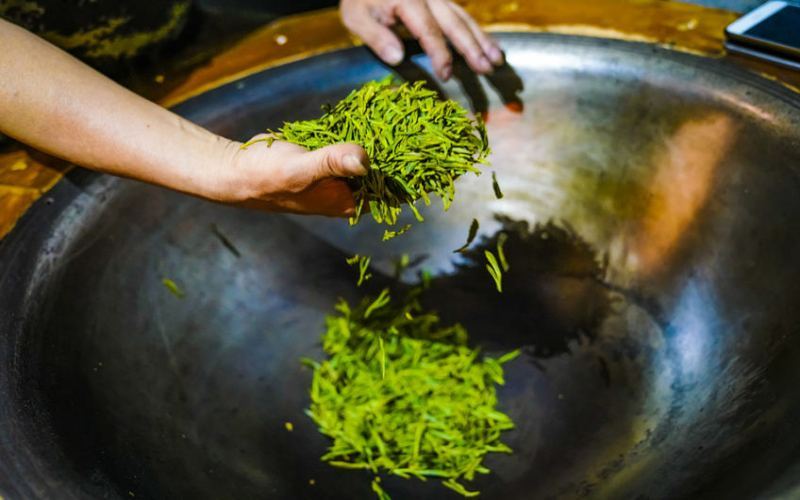
Exploring Charcoal-Roasted Dancong Oolong: Craft Features, Cinnamon Aroma Profile, and Annual Production Trends
Charcoal-roasted Dancong is a uniquely flavored category within Phoenix Dancong, and its production process is completely different from ordinary roasting. Starting from tea farmers' charcoal-roasting practices, this article sorts out the seasonal schedule, operational procedures, and technical key points of charcoal-roasted Dancong, and addresses common questions such as whether cinnamon-flavored Dancong contains added cinnamon, its annual output, and market prices. It also introduces the effects of charcoal roasting on the tea's internal substances and storage durability, helping coffee enthusiasts and tea lovers understand the value of this traditional craft. Recommended products from Front Street Coffee are also presented in the article. [more…]
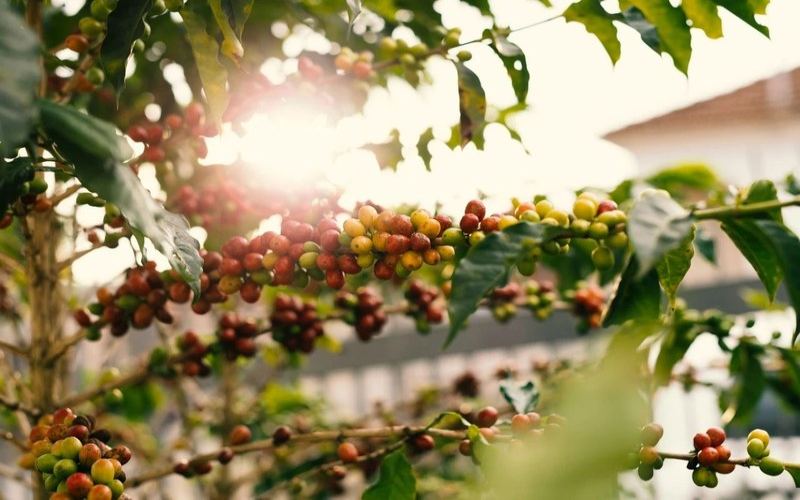
Noticeably sweet and rich in fruity aromas—choose pour-over beans by roast level
If you want to drink pour-over coffee with clear sweetness and a noticeable fruity aroma, the roast level is a very practical screening clue. Light roasts more easily retain floral, citrus, and berry notes, medium-light roasts bring fruity aromas and sugary sweetness closer together, and medium roasts add roundness and caramel associations. Based on whether you prefer a bright, soft, or full-bodied taste, [more…]

If you enjoy fruity and floral notes, choose coffee beans by roast level
If you enjoy floral and fruity aromas, you don't necessarily have to buy only the lightest roasts. The roast level changes the brightness of the aroma, the form of the sweetness, and the body of the mouthfeel: light roasts make it easier to taste petals, citrus, and tropical fruit, medium roasts fold the fruit notes into honey, tea-like, or caramel-like sweetness, and slightly darker roasts suit those who want to keep the fruit aromas while also needing [more…]
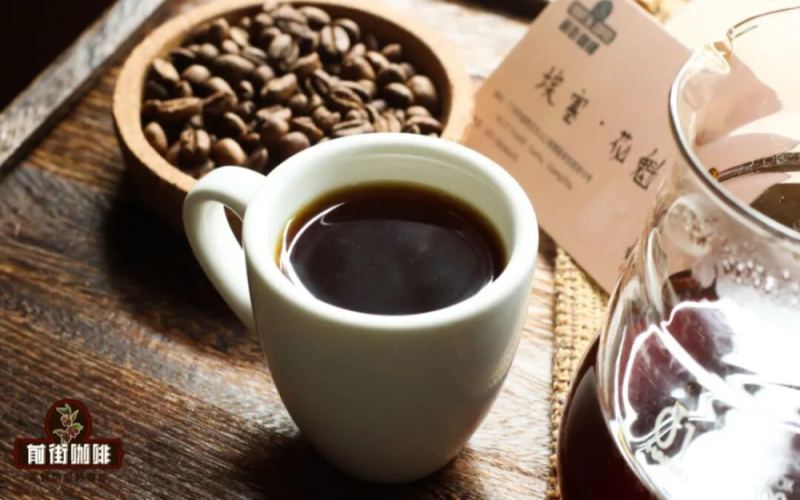
Where Do Coffee's Fruity and Floral Aromas Come From? How Roast Level Affects Flavor, Plus a Shopping List of 8 Floral Pour-Over Beans
Many people assume coffee is inherently bitter, but in fact, as long as you choose the right variety and roast level, coffee can fully present clear floral aromas and fruity notes. Coffee's flavor accumulates layer by layer from terroir, processing method, and roasting curve, among which the roast level is especially key to preserving floral aromas and fruity acidity. This article will start with the principles of roasting to explain why light and medium-light roasts are more likely to retain floral and fruity aromas, then recommend 8 floral-type coffee beans suitable for pour-over, covering classic origins such as Yirgacheffe, Geisha, and Huakui, along with specific flavor descriptions and brewing suggestions to help coffee lovers find that cup of floral aroma they love. [more…]
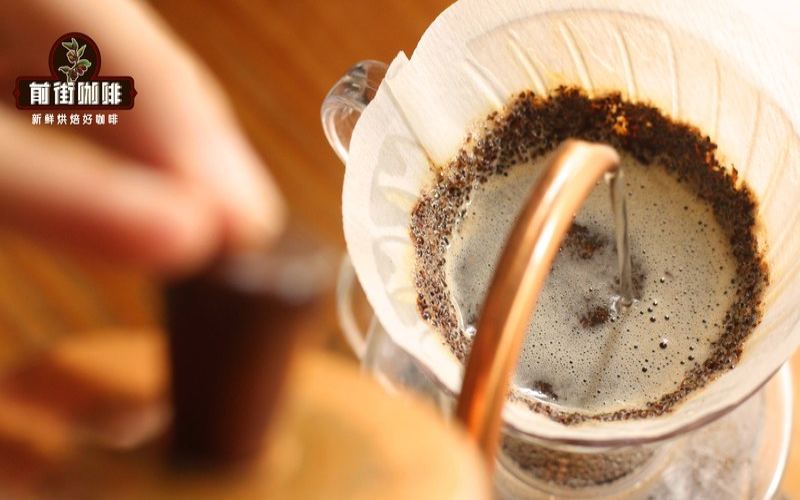
Aromatic Moka Pot Coffee Beans: Choose by Roast Level Like This
Coffee brewed with a moka pot has concentrated aroma and a full body, making it especially suitable for those who enjoy nutty, cocoa, caramel, and roasted notes. The roast level of the beans determines whether this richness leans closer to floral and fruity notes, caramel sweetness, or the heavy depth of dark chocolate. If you want to brew coffee at home that has a commanding aroma yet doesn't taste rough on the palate, [more…]
Coffee Bean Roasting Principles | What's the Difference Between Dark Roast and Light Roast Coffee Beans? Can Single-Origin Beans Like Natural Red Cherry, Bird of Paradise Estate, Brazil Yellow Bourbon, and Mozart Be Used for SOE Coffee?
When Front Street Coffee baristas introduce coffee bean flavors to customers, they also share a lot of related knowledge about coffee beans. From a single coffee bean to the coffee we taste, it goes through picking, drying processing, hulling and sorting, roasting, and finally extraction—every step [more…]

Want floral notes? Which roast level should coffee beans be roasted to?
Floral notes are not exclusive to light-roasted coffee beans—as the roast level changes, the way floral notes present themselves changes too. Light roasts are more like freshly brewed floral tea, with an airy, uplifting aroma; medium roasts fold the floral notes into sweetness reminiscent of dried fruit, honey, or caramel; dark roasts push the floral notes into the background, leaving behind thicker cocoa, nut, and roasted [more…]
In-Depth Analysis of Coffee Roast Levels: Flavor Differences Between Dark and Light Roasts and a Guide to Choosing Beans for SOE Coffee
The roast level of coffee beans directly affects the flavor expression in the final cup. From the Maillard reaction and caramelization during roasting to the aroma characteristics presented by the three common roast levels—light, medium, and dark—this article systematically analyzes how roast level influences the balance between acidity and bitterness and the direction of flavor in coffee. At the same time, addressing the bean selection challenge for SOE (Single Origin Espresso), the article analyzes why light-roast and dark-roast beans easily produce harsh flavors under espresso extraction, and gives the reason why medium roast is the first choice for SOE. Front Street Coffee also recommends four single-origin beans suitable for making SOE, covering sun-dried Yirgacheffe, Papua New Guinea Paradise Bird, Costa Rica Mozart, and Brazil Queen Estate Yellow Bourbon, providing practical reference for coffee enthusiasts. [more…]
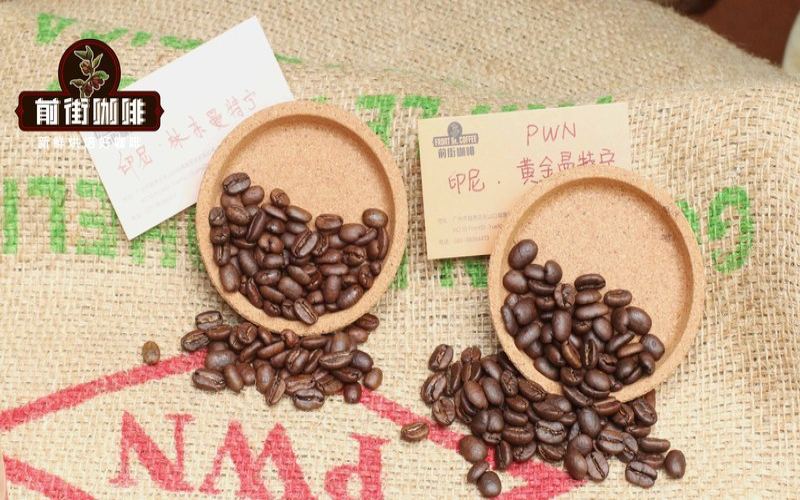
The Moka Pot's Rich Aroma Code: What Roast Level Determines
Coffee brewed in a moka pot has concentrated aroma and a full body, and the roast level of the beans directly shapes the character of the cup. If you want pronounced roasted and cocoa notes, or if you care more about gentle sweetness and a clean finish, start with the roast level first, then look at specific beans and brewing habits. Light-roasted beans usually retain [more…]
How Does Coffee Roast Level Shape Flavor? A Detailed Guide to SOE Single-Origin Bean Selection Logic and Recommendations
Roasting is the key stage that determines coffee flavor; among green beans, roasting, and extraction, roasting accounts for as much as thirty percent. Starting from the Maillard reaction and caramelization, this article sorts out how the three roast levels—light, medium, and dark—affect the balance of acidity and bitterness and the expression of aroma, then analyzes why SOE should not blindly pursue either light or dark roasting, and offers recommendations for four single-origin coffee beans suitable for making espresso. Whether you are an enthusiast just getting into SOE or a professional looking to refine your approach to bean selection, you can find useful criteria for judgment here. [more…]

How Does Roast Level Determine SOE Performance? Why Light and Dark Roasts Are Unsuitable for Espresso
Roast level is one of the key variables affecting the direction of coffee flavor. From green beans to the cup, the roasting stage determines roughly thirty percent of the final taste. From the perspective of Front Street, this article sorts out the Maillard reaction and caramelization reaction that occur in coffee beans during roasting, explains the flavor characteristics presented by light, medium, and dark roasts, and focuses on answering a common question: why are both light-roasted and dark-roasted beans considered not quite suitable for SOE? At the same time, drawing on several specific Front Street products, it offers bean types and extraction suggestions suitable for making single-origin espresso, helping coffee enthusiasts more clearly understand the matching relationship between roast level and espresso. [more…]
From Light to Dark Roast: What's the Difference Between Blends and SOE?
There is no fixed answer as to whether blended beans or SOE taste better; what truly creates the gap is often the roast level. Blended beans can be light-roasted, medium-roasted, or dark-roasted, and the same goes for SOE; the former emphasizes the harmony of multiple beans, while the latter highlights the character of a single origin or lot. Look at the roast direction first, then decide what you want. [more…]
Recommended Light Roast Beans: Finding Floral and Fruity Notes Through Roast Level
Light-roasted coffee beans typically retain more of their origin and varietal characteristics, offering notes of citrus, berries, tropical fruit, floral aromas, or tea-like qualities on the palate. Their acidity is more readily perceived, but acidity is not the same as sharpness; when sweetness, aroma, and mouthfeel come together in harmony, light-roast black coffee feels light yet layered, making it well suited for morning [more…]