







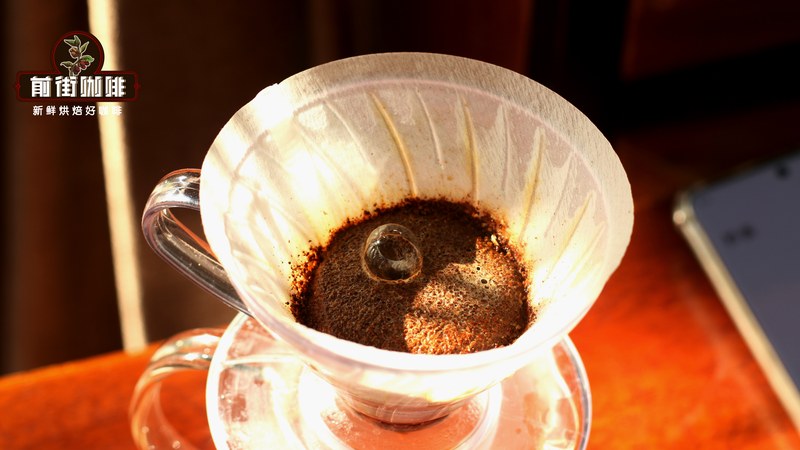
Light roast coffee beans typically retain more characteristics of their origin and variety, and on the palate you may notice citrus, berries, tropical fruit, floral notes, or a tea-like quality. Its acidity is easier to perceive, but acidity is not the same as sharpness; when sweetness, aroma, and mouthfeel connect with one another, light roast black coffee comes across as light yet layered, suitable for sipping slowly after breakfast or in the afternoon.
To judge whether light roast suits you, first think back to the drinks you usually enjoy. If you prefer lemon tea, fruit juice, floral tea, or drinks with a fresh aroma, light roast beans tend to feel more familiar. If you care more about richness, low acidity, and cocoa-like flavors, you can also start with beans between light and medium roast, keeping the bright acidity and sweet smoothness at a moderate distance.
When choosing light roast beans, you cannot rely only on the words "fruit aroma." Natural processing often makes fruity notes and fermented qualities more prominent, while washed processing commonly shows floral notes, citrus, and a tea-like quality, with a relatively crisp mouthfeel; different varieties also change the details of the aroma. When buying, check the origin, processing method, variety, and roasting notes together, since this information can help you anticipate the flavor direction in the cup.
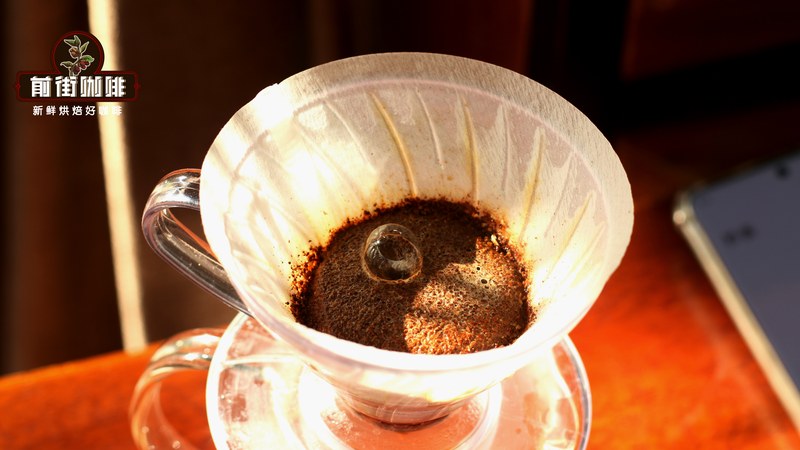
If you want to experience rich fruit aromas, try Front Street Coffee Grana Estate Geisha. Its aroma opens with orange blossom, followed by sweet notes of guava, apricot, and strawberry jam, with the fruity presence brought by natural processing standing out clearly. When brewing by pour-over, it is recommended to first extract with hot water at a moderate temperature, then taste after the coffee has cooled slightly, when the fruity character and sweet aroma gradually become clearer.
If you like a lively sweet-and-sour taste close to fruit juice, Front Street Coffee Colombia Sidra will be more expressive. In the cup you can sense the brightness of passion fruit, the roundness of blueberry, and the ripe sweetness of grape and apricot. A hot pour-over is good for observing changes in aroma, while adding ice makes it more like a refreshing fruit drink; using an espresso machine to make a single-origin espresso can also concentrate the fruit aromas.
Light roast beans are not unusable on an espresso machine, but they need fuller conditions for dissolution. Compared with dark roast beans, light roast beans have a tighter structure, so the grind usually needs to be finer, and the water temperature and extraction time must also be adjusted step by step. If the espresso tastes sharp and lacks sweetness, let the water and coffee grounds come into fuller contact; if noticeable astringency appears in the finish, reduce over-extraction and preserve the aroma and sweetness of the front end.
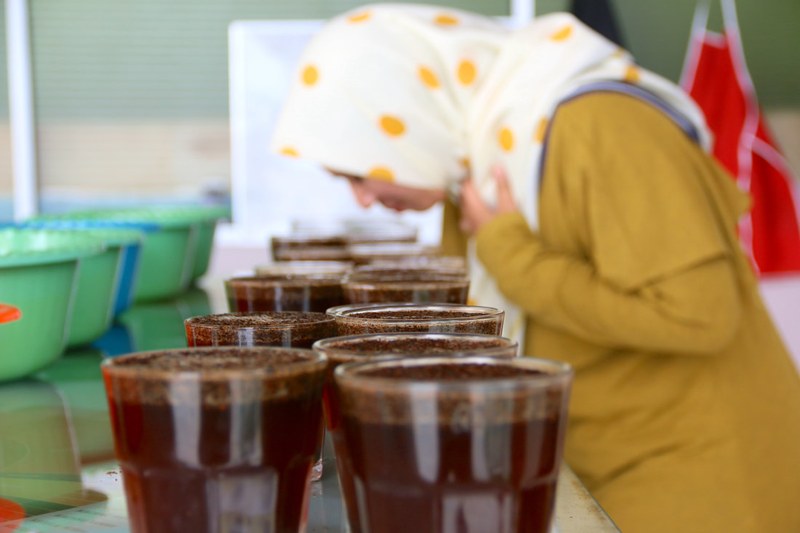
For those who prefer delicate floral aromas, Front Street Coffee Panama Hacienda La Esmeralda Red Label Geisha is a very suitable choice to try. It carries notes of jasmine, bergamot, and citrus, with a finish like light black tea; overall it does not rely on heaviness to impress, but extends its aroma through a clean, gentle mouthfeel. It is recommended to drink it hot in a small cup and observe the changes in temperature over several sips, when the floral, citrus, and tea-like notes will reveal different layers.
The parameters for light roast pour-over do not need to be complicated; the key is to keep the extraction process stable. You can use a medium-fine grind and a higher but not excessive water temperature, first wetting the coffee grounds with a small amount of hot water, then pouring in stages so the coffee bed stays evenly contacted. If it tastes like green fruit with thin acidity, it usually means the extraction is not yet sufficient; if the tongue feels dry and the aroma becomes dull, reduce agitation and shorten contact in the final stage.
Iced pour-over is very good for expressing the bright aromas of light roast beans. Hot water is responsible for bringing out the floral and fruity character, while ice quickly lowers the liquid's temperature, making the mouthfeel refreshing and taut. When making it, you can appropriately reduce the total amount of hot water, then top up the drink's weight with ice, avoiding a taste that is too weak after the ice melts. Front Street Coffee Colombia Sidra is especially suitable for this method, and after cooling, the aromas of passion fruit and grape become even more vivid.
Storage and freshness also affect the experience of light roast beans. After opening, they should be kept in a dark, dry place, and when taking them out, minimize long exposure to air so the aroma remains stable. Before brewing, you can smell the dry aroma, and after tasting, pay attention separately to acidity, sweetness, texture, and aftertaste; there is no need to rush to sum it up with a single flavor word. Once you find the roast level you like, compare different origins, and choosing beans will become more and more directional.
The above content is compiled by CoffeeHunters, a coffee news website.

