







Does Coffee Aroma Really Come Only From Dark Roasts?
Toasty coffee aroma is not exclusive to dark roasts. During roasting, the Maillard reaction between sugars and amino acids, plus caramelization, builds aroma as moisture drops below about 5%. Medium-dark roasts reach second crack and can hold sweetness and body while limiting the bitterness that comes with pushing beans into pyrolysis and surface oil.
The roasting process changes beans in stages. Green beans shift from green to yellow as moisture leaves; internal pressure near 25 bar triggers first crack. Beans then expand to roughly 1.5 to 2 times their original volume and lose at least 11% of their weight. Continued heating brings second crack and deeper color, where weight loss can reach 22%.
Is the toasty aroma of coffee something only dark roasts can bring? This article starts with the roasting stages, tracing the changes coffee beans undergo from green beans to second crack, analyzing how the Maillard reaction and caramelization shape aroma, and explaining why medium-dark roasts can balance sweetness and body. It also offers specific bean recommendations from Front Street Coffee for pour-over and espresso scenarios, helping readers avoid the bitter risks brought by extremely dark roasts. Finally, let's talk about flavor description: don't be intimidated by terminology—any word that can express a feeling has value.
Is the toasty aroma of Front Street Coffee exclusive to dark roasts? How to describe coffee aroma? Espresso beans that are toasty but not bitter
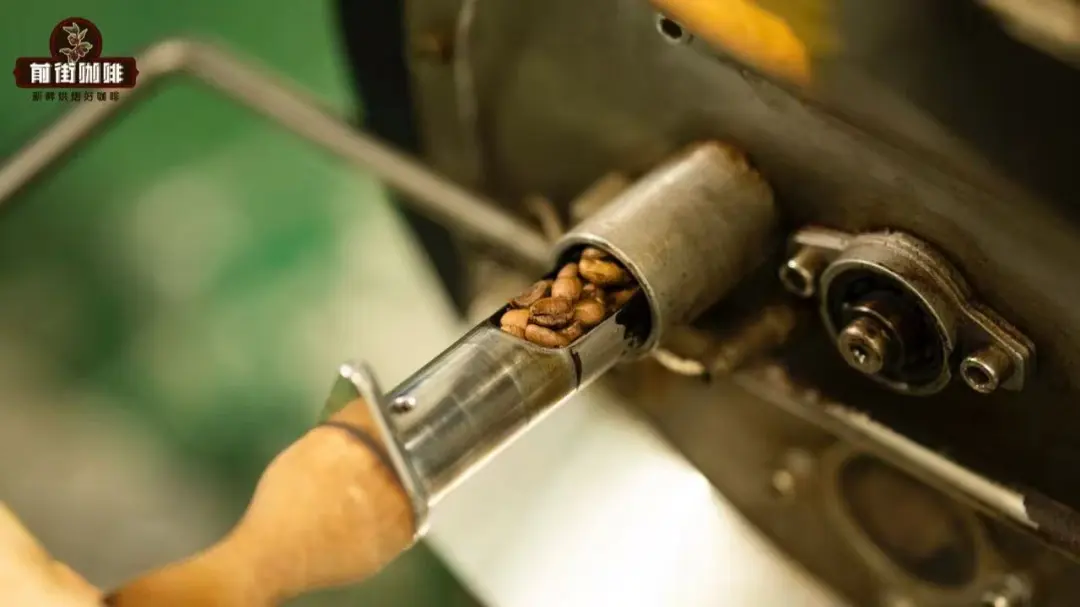
Coffee beans present a different state at each roasting stage. After the green beans are heated, their color gradually shifts from green to yellow, and their moisture content decreases accordingly. Heat turns the moisture inside the bean into steam while also generating carbon dioxide, and the internal pressure climbs to 25 bar, after which first crack arrives—the most iconic cracking sound in the roasting process.
Changes in flavor: as roasting time lengthens, acidity gradually weakens and bitterness gradually increases. Once dehydration is complete, the coffee beans begin releasing heat outward, their color turns brown, and a layer of silver skin falls off. After roasting, the beans expand to 1.5–2 times their original volume, while their weight decreases by at least 11%. If heating continues, carbon dioxide keeps being generated, triggering second crack.
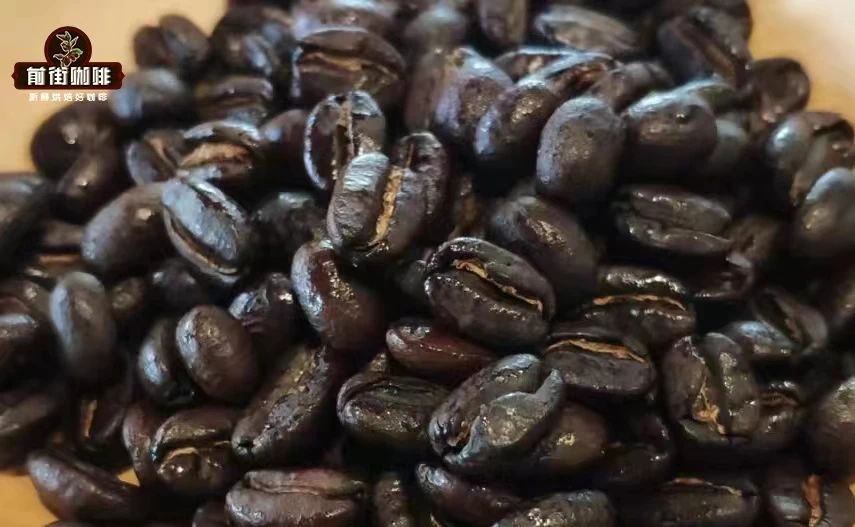
As the bean color deepens further, it enters the medium-dark roast range. At this stage, weight loss can reach 22% of the original weight. After second crack, pyrolysis causes oil to appear on the bean surface and carbonization to begin, and a moment of carelessness can lead to scorching.
During the drying stage, coffee gradually develops three to four kinds of aromas, and the release of aroma and flavor mainly depends on two types of chemical reactions:
Maillard reaction: a chemical change that occurs between sugars and amino acids due to protein degradation when the moisture content of coffee beans is below 5%.
Caramelization reaction: a chemical reaction that occurs among water, sugar, and sucrose.
The longer the roasting time, the lower the acidity and the higher the bitterness, and large numbers of aromatic molecules volatilize accordingly, eventually developing nearly eight hundred aroma compounds, while the coffee's flavor, acidity, sweetness, and body also mature. At this point, roasting-related aromas such as chocolate, nuts, caramel, maple syrup, and toasted bread often emerge, enhancing the coffee's sweetness while also bringing a more pronounced, full-bodied mouthfeel.
Therefore, if you want to buy coffee beans that are high in sweetness, low in acidity, and toasty and full-bodied, be sure to prioritize medium-dark roasts. For pour-over, buy Front Street PWN Golden Mandheling (nuts, dark chocolate, clove, herbs, pine); Front Street Colombia Huila (chocolate, cream, caramel) ;
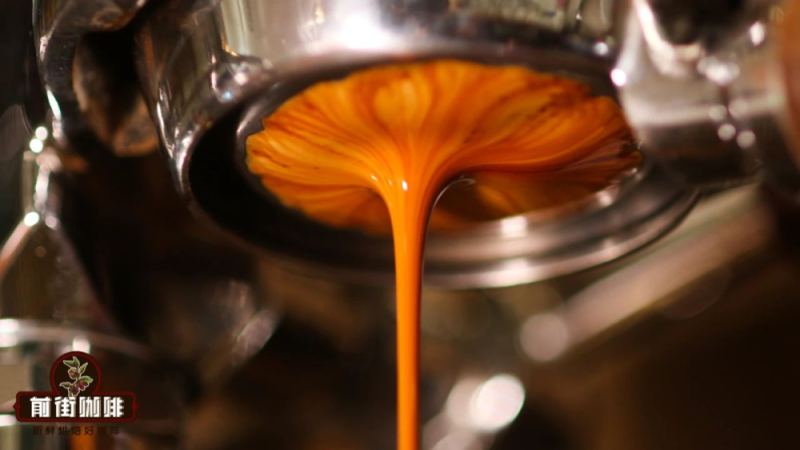
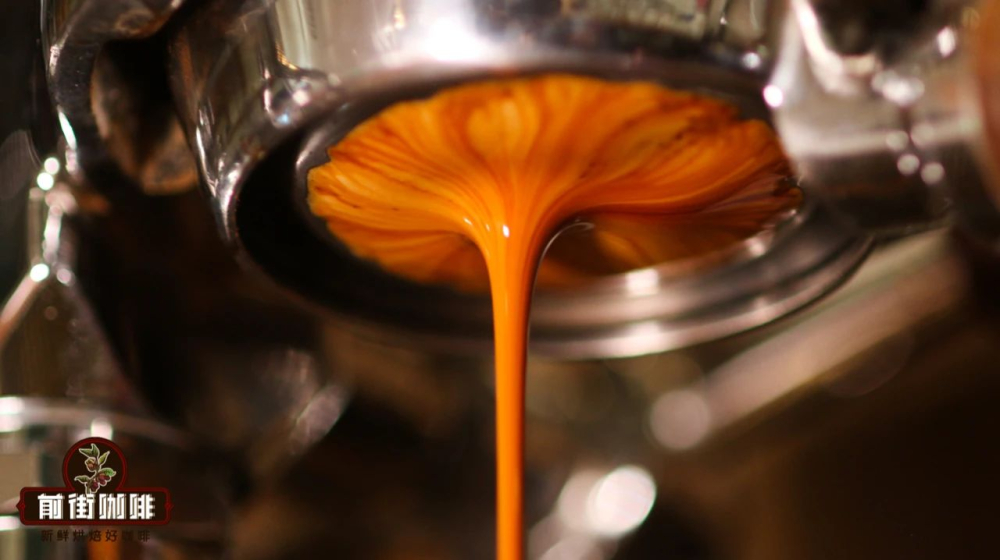
For espresso machines, Front Street Classic Blend is recommended (rich crema, full body, toasty with low acidity); Front Street Dark Cocoa Base Blend (toasted bread, chocolate, balanced mouthfeel, slightly acidic and high in sweetness).
However, roasting sometimes also brings out unpleasant flavors, because in the final stage aroma compounds are destroyed, bitterness takes over, acidity almost disappears, sweetness gradually fades, and body declines as well. Therefore, if you want to taste a richer coffee flavor, never choose extremely dark-roasted espresso beans, otherwise the espresso you make will most likely be so bitter it is hard to swallow.
Flavor description can be called the most intimidating and most frustrating part of coffee tasting. When roasters describe flavors, they are not simply describing taste; for example, mentioning nutty or floral often covers a fairly broad range of sensory experiences. For instance, a roaster may say a certain coffee has notes of ripe apple, which actually implies the coexistence of sweetness and acidity.
If you have the ability to identify various flavors, you may as well write these tastes down one by one; if not, there is no need to worry too much, because any word you can think of that can be used to describe flavor can actually come in handy, whether or not it is directly related to taste.
The above content is compiled by CoffeeHunters, a coffee news website.


