







Search Results for: roast assessment
Coffee Bean Quality Assessment Guide: A Systematic Grading and Defect Identification Method from Appearance to Flavor
The starting point of a good cup of coffee lies in selecting high-quality coffee beans. This article systematically explains how to judge the quality of coffee beans from six dimensions: appearance observation, identification of defective beans, extraction process, grinding feel, extracted liquid state, and taste and aroma. By understanding common defect types such as black beans, fermented beans, dead beans, broken beans, and insect-damaged beans, as well as the characteristics of high-quality beans during brewing, such as fluffy foam, a crisp sound during grinding, and clear extracted liquid, it helps coffee enthusiasts build a complete quality assessment system. The article also specifically recommends related products from the Front Street Coffee brand, providing a reference for everyday purchasing. [more…]
How Can You Tell If Coffee Beans Are Fresh? Seven Practical Ways to Assess from Visual Inspection to Pour-Over
Whether a cup of coffee tastes good or not, freshness is often the decisive factor. No matter which country the coffee beans come from, which factory roasts them, or which channel sells them, freshness preservation is always the top priority. Generally speaking, coffee beans are in their optimal drinking window within two weeks after roasting is completed; during this stage, the beans' aroma and taste both reach their peak. So how can ordinary consumers judge whether the coffee beans in their hands are fresh enough? This article starts from seven dimensions—looking, grabbing by hand, smelling, pressing by hand, biting, grinding, and brewing—and breaks down the identification methods one by one, helping you quickly make a judgment in daily purchasing and use, and grind out truly good-tasting coffee. [more…]
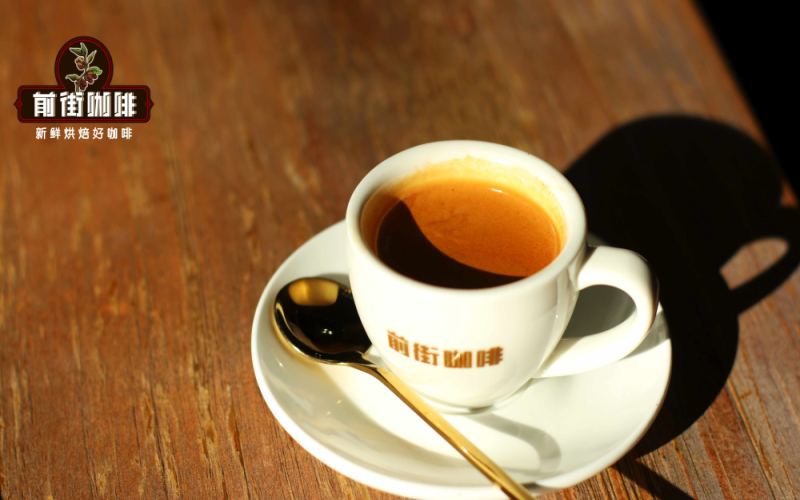
The Formation Principles and Assessment Methods of Espresso Crema: Which Factors Determine How Much Crema There Is
Espresso is the soul foundation of Italian coffee, and the golden, dense crema on top is often regarded as an important window for judging the extraction state. How exactly is crema produced? What connection does it have with coffee bean freshness, roast level, extraction degree, and variety? This article will focus on the formation mechanism of coffee crema, sort out one by one the key variables that affect the amount of crema, and combine different roast types and blend schemes to help you understand how to obtain richer and more stable espresso crema performance in a home or cafe environment. [more…]
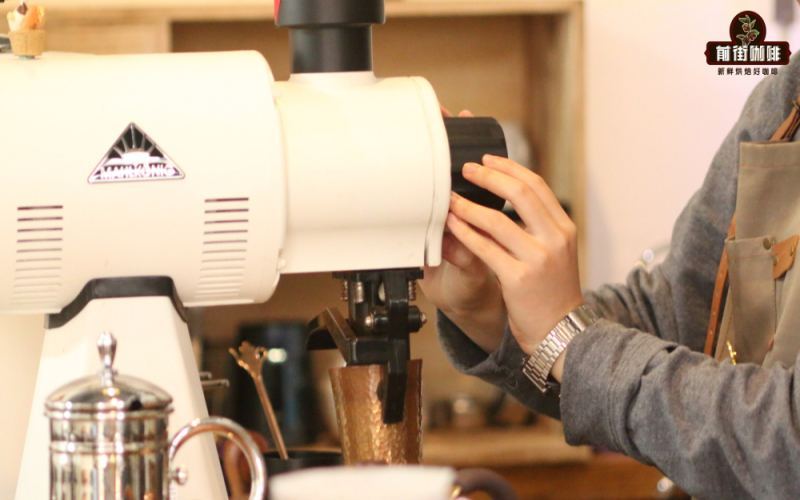
How to Set Your Coffee Grind Size? A Complete Guide to the No. 20 Sieve Calibration Method and Brewing Assessment
Many coffee enthusiasts feel confused after getting coffee beans: which grinder setting should they actually use? In reality, the burr designs and setting standards of grinders from different brands vary greatly, and the same number on different devices can produce dramatically different particle sizes. Therefore, when Front Street Coffee performs daily grind calibration, it uses the Chinese No. 20 standard sieve (0.85 mm aperture) to measure the passing rate as a unified reference. This article will start with the specific steps for sieve calibration, combine different roast levels and brewing methods to give grinding recommendations, and share how to judge whether the grind is appropriate based on brewing time and the settling state of the coffee bed, helping you build a grind assessment system that does not rely on grinder settings. [more…]

The Complete Moka Pot Brewing Guide: A Practical Guide from Grind Size Assessment to Extraction Completion
As the most accessible choice among espresso coffee equipment, the moka pot is found in nearly every Italian household. It was invented by Alfonso Bialetti in 1933 and uses a distillation-style principle with a heated base, which is quite similar in brewing approach to the first commercial espresso machine launched by La Pavoni in 1905. This article will systematically sort out the key points of using a moka pot, from coffee bean selection and judging grind size to the complete brewing steps and cleaning and maintenance. At the same time, it will give specific recommendations based on several Front Street Coffee beans to help enthusiasts easily brew a rich and aromatic cup of moka pot coffee at home. [more…]
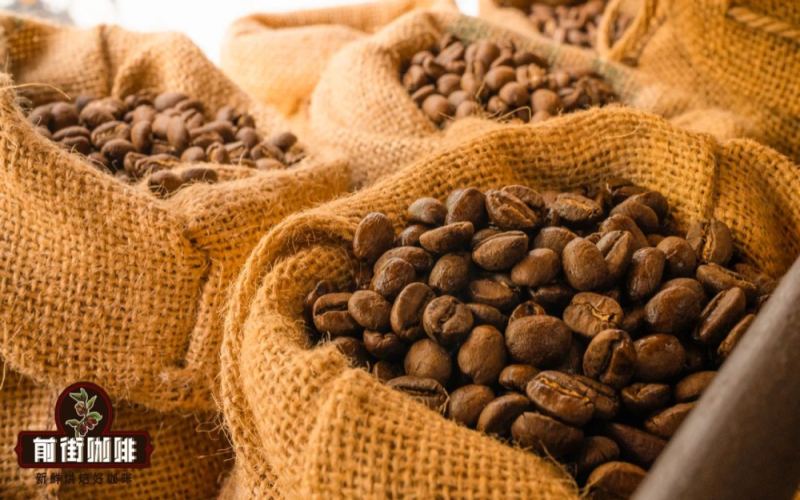
Does Coffee Bean Oiliness Mean It's Spoiled? A Complete Guide to Coffee Bean Storage Methods and Freshness Assessment
The surface of coffee beans taking on an oily sheen is a phenomenon that often confuses beginners—some worry the beans have absorbed moisture and spoiled, while others suspect they have been stored too long. In fact, oiliness is closely tied to the roast level of the coffee beans and cannot be directly equated with staleness. So what kind of oiliness is normal, and what signs indicate that coffee beans have actually absorbed moisture? From Front Street's perspective, this article breaks down the causes of coffee bean oiliness, how to judge moisture absorption, and how to properly store coffee beans through sealing, light protection, low temperatures, and other methods to keep the flavor lasting as long as possible. [more…]
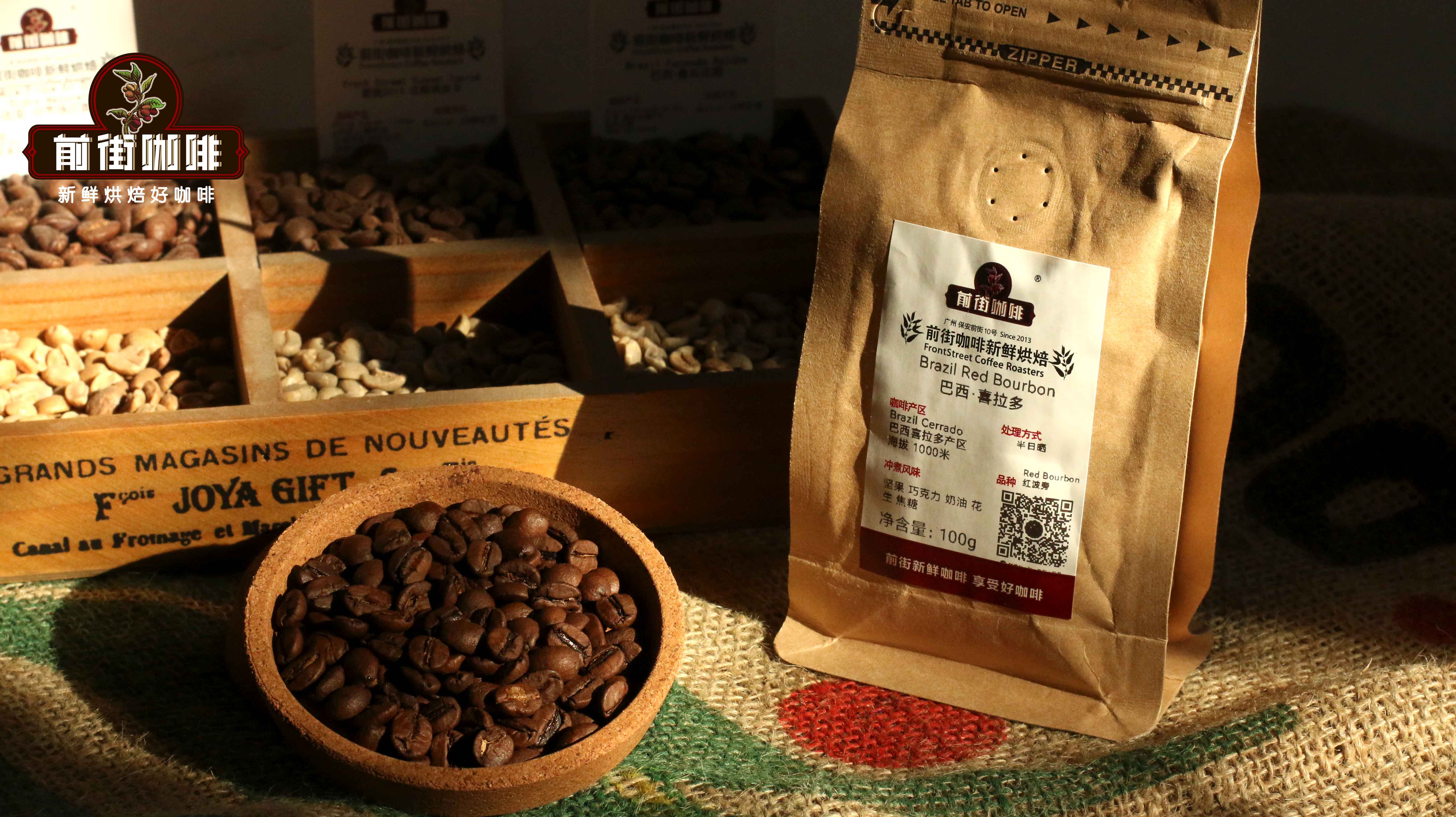
How Are Coffee Bean Roast Levels Classified? A Complete Analysis of National Standards, Flavor Assessment, and Brewing Parameters
Common labels on coffee bean packaging such as light roast, medium roast, and cinnamon roast often confuse beginners. The roast level directly determines the direction of coffee flavor, and historically different countries and regions have had their own schools of thought for defining roast levels, lacking a unified standard. The Specialty Coffee Association of America, together with Agtron, used infrared caramelization measurement values as the basis to divide roast levels from light to dark into eight grades, which has become an important industry reference. In this article, Front Street will systematically introduce the Agtron color values, drop times, and flavor characteristics of each roast level, and share how to judge the roast level through flavor descriptions, as well as the grinding degree and water temperature parameters that should be used for different roast levels. [more…]
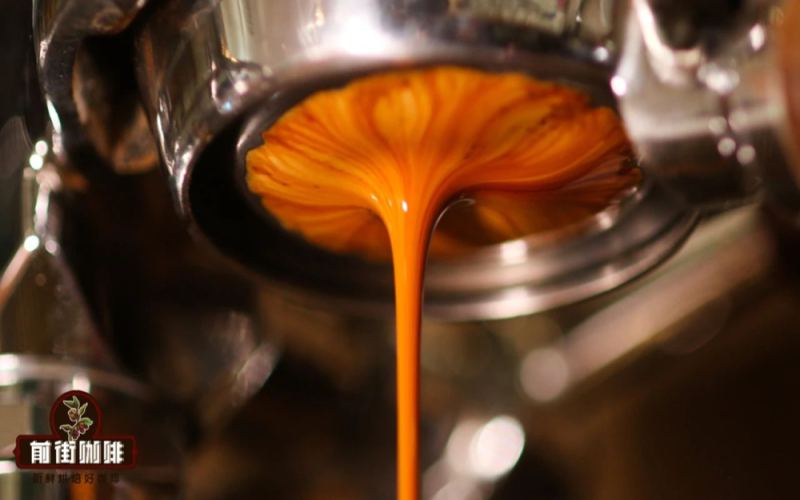
Home Coffee Bean Buying Guide: Freshness Assessment, Espresso and Pour-Over Everyday Bean Recommendation List
To enjoy a great cup of coffee at home, choosing the right coffee beans is the first step. Faced with countless varieties on the market, home users often don't know where to start. Starting from the core criterion of freshness, this article teaches you how to judge the condition of coffee beans by their roast date, and then, based on the different needs of espresso machines or pour-over equipment, recommends everyday beans suitable for long-term repurchase. The article also compiles several best-selling products from Front Street Coffee, covering classic espresso blends, Ethiopian Hualei SOE, and pour-over single origins such as Yirgacheffe, Kenya, Kaffa Forest, Panama Butterfly, and Colombia Huila, helping you quickly pinpoint the one that suits you. [more…]

What is the golden crema on the surface of espresso? A comprehensive analysis from formation mechanism to extraction assessment
That golden layer of crema on the surface of an espresso, called Crema in Italian, is neither an artificially added fat nor simply coffee oil. This delicate foam is made of coffee's insoluble fats wrapping around carbon dioxide, and can only be extracted by an espresso machine under high pressure. This article will start from the principles of how crema forms, explain how to achieve ideal crema performance, and teach you to judge the extraction state of an Espresso by observing the thickness, color, texture, and fluidity of the crema, so as to solve common extraction problems. The article also retains Front Street brand's recommendations for bean selection and blending products. [more…]

Coffee Bean Buying Guide: A Practical Four-Step Method from Freshness Assessment to Flavor Matching
Faced with a dazzling array of coffee beans, many enthusiasts often don't know where to start, and are even less clear about whether the beans they buy are actually fresh. Drawing on the practical experience of Front Street Coffee, this article systematically lays out four basic steps for choosing coffee beans: first learn to judge freshness, then pin down the roast level and region based on your preference for acidity or bitterness, next get started with pour-over in a cost-effective way, and finally gradually delve into specific origins. The article not only offers practical tips such as smelling the aroma, checking the roast date, and looking for a one-way degassing valve, but also recommends specific products like Front Street Red Cherry, Tarrazú, and Golden Mandheling for different tastes, helping you make a wiser choice the next time you buy. [more…]
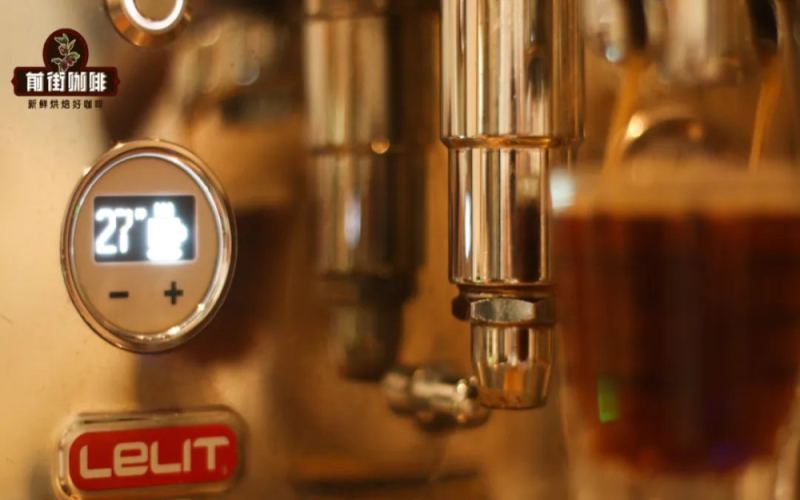
How to Determine Espresso Extraction Time? A Guide to Dose-to-Yield Ratio, Crema, and Stability Assessment
Extraction time is one of the most sensitive and critical variables in espresso. Compared with methods like pour-over, espresso has a much narrower extraction window, where even a difference of a few seconds can bring noticeable changes in flavor. This article will explain the logic behind setting extraction time, the choice of brew ratio, crema performance, and how to judge whether an extraction recipe is stable. At the same time, drawing on the parameter adjustments brought about by the improved quality of modern coffee beans, it introduces the performance of Front Street Classic Blend and Front Street Dark Cocoa Base Blend in actual extraction, helping coffee enthusiasts understand and dial in espresso more systematically. [more…]
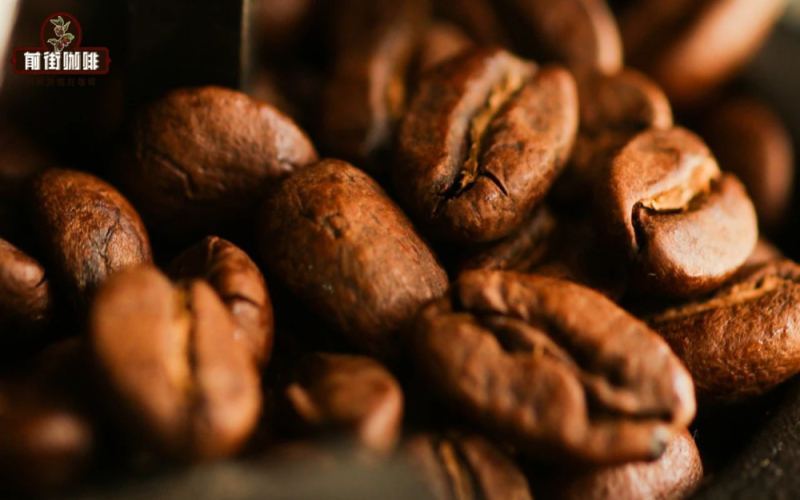
Starbucks Coffee Bean Pour-Over Grind Size Guide: A Detailed Explanation of Coarseness Assessment and Adjustment Methods
Many coffee enthusiasts, after buying Starbucks coffee beans, often find themselves at a loss when faced with the grinder settings, worrying that grinding too coarse or too fine will ruin the coffee's flavor. In fact, grind size directly affects the speed at which water passes through the coffee bed and the extraction efficiency, making it a key variable that determines the success of a pour-over. Starting from Front Street's brewing practices, this article first explains the underlying logic of how grind size affects extraction, then separately describes the appearance of the coffee bed and the drip performance when the grind is too fine versus too coarse, and finally provides specific steps for measuring the passing rate with a 0.85mm test sieve and precisely calibrating the grind setting, helping you find the right grind parameters for Starbucks beans of different roast levels. [more…]
A Comprehensive Guide to Q-Grader Coffee Quality Grader Certification: Exam Content, Costs, and Career Value
In the specialty coffee world, how can the quality of a bean be objectively judged? In the cupping scoring systems of SCA and COE, 85 points is the dividing line between specialty coffee and commercial beans, and the key role who holds the power to assign scores is the Q-Grader. This qualification, developed and certified by CQI, has fewer than 10,000 certified holders worldwide. What assessments must one go through to obtain Q-Grader certification? Is it really worth the time and money? This article will systematically sort out the origins and background of Q-Grader, the eight assessment modules of the Q Program, the difficulty of the exam, and its practical value in career development, helping coffee professionals and enthusiasts make a rational judgment. [more…]
Assessing Tea Quality from the Brewed Leaves: Practical Identification Tips and Buying Guide
Many people throw away the brewed tea leaves after drinking their tea, but these unfurled leaves actually hold a wealth of quality information. By observing the bubbles, scorch marks, degree of unfurling, elasticity, color, and impurities of the brewed leaves, you can roughly judge the picking and processing level of the tea without even tasting it. This article systematically sorts out the typical characteristics of brewed leaves for various types of tea, including the "frog back" of rock tea, the scorch spots of yellow tea, and the silky vein patterns of black tea, and offers purchasing advice to help you pick good tea with more confidence in a tea shop. [more…]
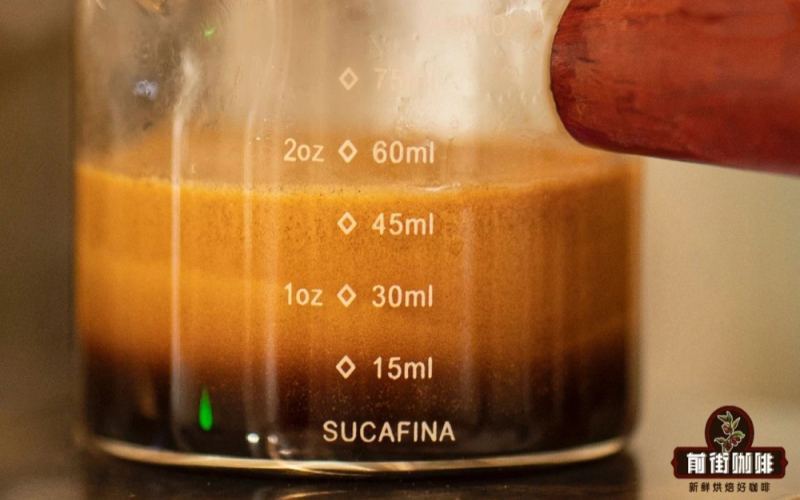
The Crema Layer of Espresso: Causes, Quality Assessment, and Coffee Bean Selection Guide
Crema is the signature characteristic of espresso. This layer of golden oil is composed of insoluble fats wrapping carbon dioxide, and can only be formed through the high-pressure extraction of an espresso machine. The richness of the crema is closely related to the coffee bean blend; Italians often add a small amount of Robusta to enhance the crema, but Robusta does not match Arabica in flavor. Both Front Street Classic Blend and Front Street Commercial Blend contain a small amount of Robusta—the former is suitable for home beginners, while the latter is suitable for commercial use in shops. However, more crema is not necessarily better. If the color is too light or too dark, the thickness too thin or too thick, or the crema clumps and appears rough, all of these can affect quality and latte art results. Beans that are too fresh can instead lead to unstable crema. [more…]
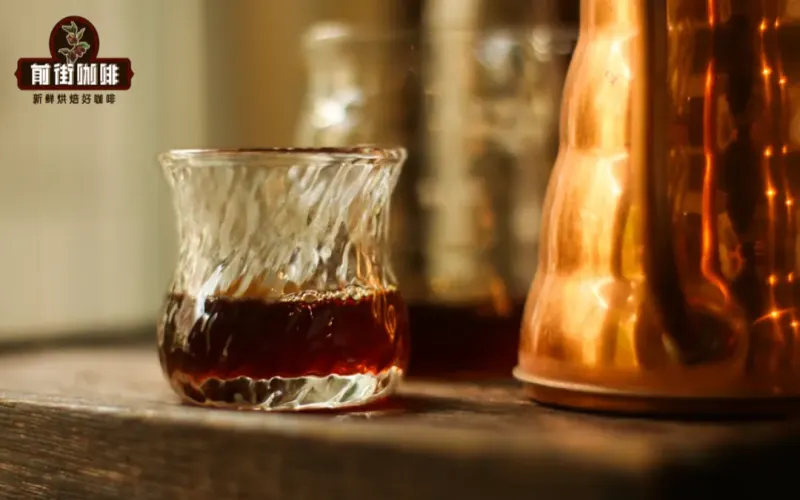
A Guide to Tasting the Aftertaste of Pour-Over and Espresso: A Complete Process from Formation Mechanisms to Quality Assessment
In the coffee cupping scoring system, aftertaste occupies a position that cannot be ignored. Even if a cup of coffee has outstanding flavors, it will be difficult to score highly if its aftertaste performs poorly. However, many enthusiasts often overlook this dimension, because aftertaste itself is rather subtle and requires certain skills to capture. This article, from the perspective of Front Street, systematically explains the definition of aftertaste, the principles behind its formation, methods of perception, and criteria for judging whether it is good or bad. At the same time, it compares the differences in aftertaste duration between pour-over coffee and espresso, helping readers build a complete understanding of the tasting process. [more…]
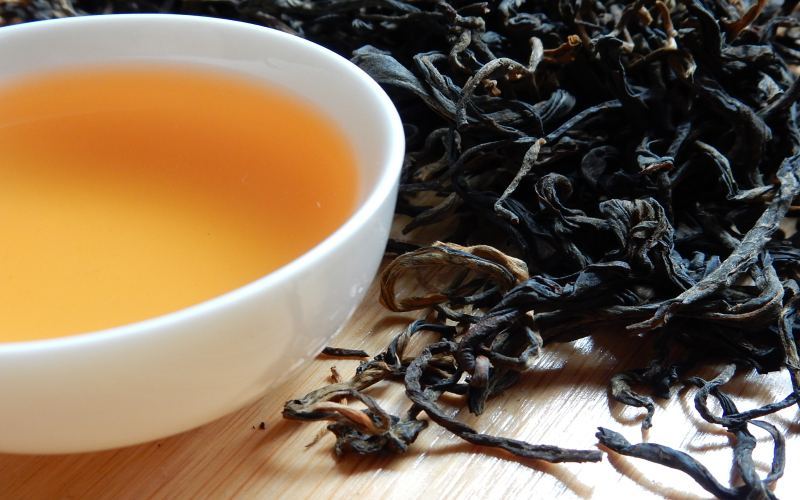
Yunnan Ancient Tree Dianhong, High Mountain Purple Red, Lapsang Souchong, and Ruby Black Tea: Flavor Differences and Value-for-Money Assessment
There are many types of black tea on the market, with significant stylistic differences. This article focuses on five distinctive black teas—Taiwan Ruby, Traditional Superior Lapsang Souchong, Qizhong Lapsang Souchong, Yunnan Ancient Tree Black Tea series, as well as High Mountain Purple Black Tea and Wild Black Tea—systematically reviewing their origins, processing characteristics, and flavor profiles. From the mint aroma of TTES No. 18 to the pine smoke aroma of Tongmuguan, from the honey charm of old trees in Lincang, Yunnan, to the perilla note of purple tea, each tea has clear recognizability. At the same time, by incorporating product information from Front Street Coffee, we help coffee and tea enthusiasts make choices that better match their taste and budget when purchasing. [more…]
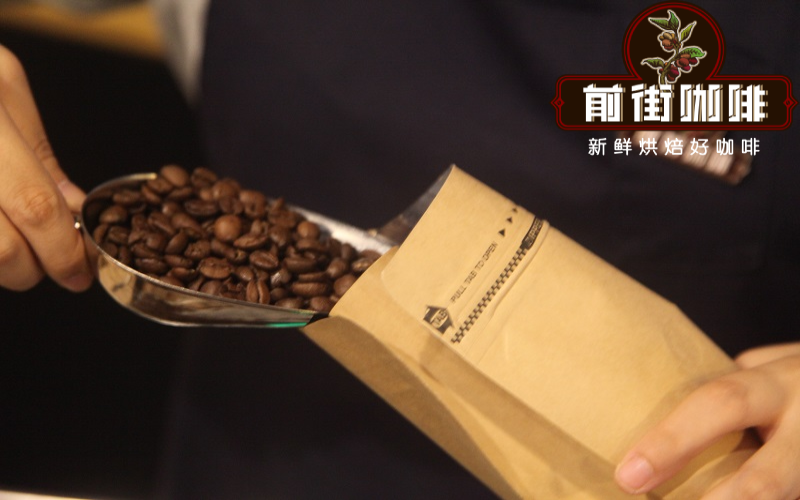
A Complete Guide to Espresso Blend Beans: Recipe Approaches, Freshness Assessment, and Four Front Street Coffee Blend Recommendations
To make a well-balanced espresso, choosing the right blend and judging freshness are both essential. Drawing on Front Street Coffee's practical experience, this article first explains how to tell whether coffee beans are fresh by their roast date, one-way degassing valve, and smell, then explains the concept of blended beans, the difference between pre-roast blending and post-roast blending, and the two main goals of blending: consistent flavor and balanced taste. It then introduces, one by one, Front Street's four espresso blends currently on sale—Sunflower Warm Sun, Specialty Blend, Commercial Blend, and Dark Cocoa Blend—covering their ratios, blending methods, flavor characteristics, and suitable scenarios, and finally uses Sunflower Warm Sun as an example to demonstrate the flavor performance of espresso extraction. [more…]
Optimal Flavor Temperature Analysis for Milk Coffee: Latte Milk Foam Steaming Principles and Fusion Degree Assessment Standards
The key to a delicious latte lies in the fusion state of milk and coffee and the temperature when it enters the mouth. This article will systematically explain the scientific principles of milk foaming, the factors affecting the fusion degree of milk foam and coffee, and reveal the differences in milk foam durability at different frothing temperatures through experimental data. At the same time, it provides cause analysis and solutions for common problems in daily operation, such as milk foam not fusing and milk foam floating up during latte art. The article also combines the practical experience of Front Street Coffee to explain why around 60°C is the optimal flavor temperature range for milk coffee, and how to judge whether the milk foam fusion degree is up to standard. [more…]
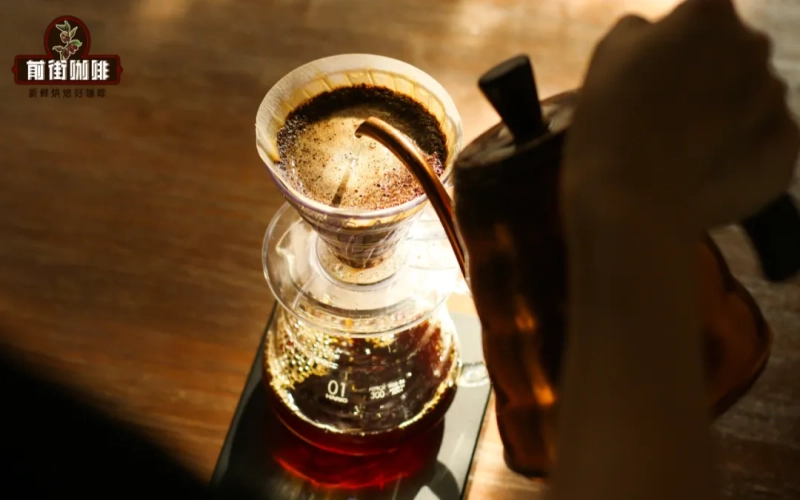
Pour-over coffee bed shape and brewing assessment: What do the bloom dome, bed height, foam color, and drawdown speed reveal?
When brewing pour-over coffee, the filter cup actually holds quite a few clues. The size of the dome that the coffee bed puffs up into during the blooming stage, and how well it retains water, can reflect the freshness of the coffee beans and the depth of the roast; whether the coffee bed can be lifted indicates the density of the coffee grounds; the color change of the foam on the surface can help us track the pouring path; and the speed of the drawdown is related to the coarseness of the grind, the density of the coffee bed, and fine particle clogging. As for the deep coffee bed pit that many beginners obsess over, it does not directly equate to a better-tasting cup; it is more just a reflection of the pouring method. In this article, Front Street will break down these readable pieces of information one by one during the brewing process, to help you have a few more bases for judgment when adjusting parameters. [more…]