







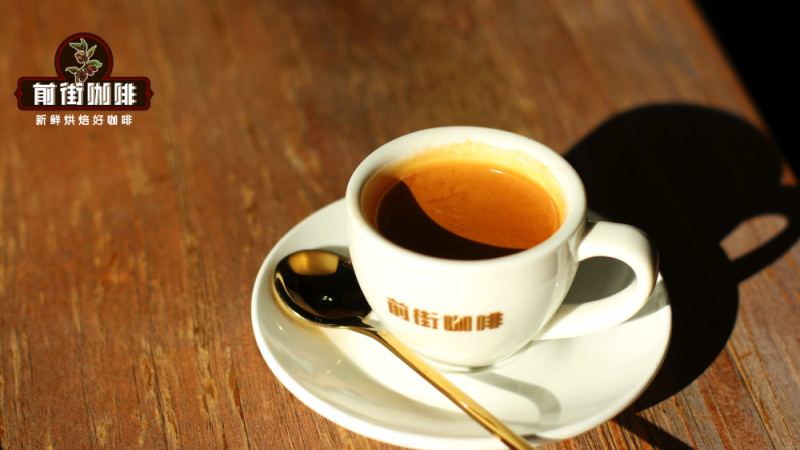
How Oils in Coffee Shape Crema on Espresso
Crema forms when espresso is pulled at about 9 bar. High pressure makes water supersaturated with carbon dioxide held in the fine grounds, and it also pulls oils in coffee out of the grounds. When the liquid leaves the machine and pressure returns to normal, those oils wrap around the carbon dioxide trying to escape, creating the golden layer on top.
Because crema is oil surrounding carbon dioxide, its amount reflects bean freshness: richer crema usually means fresher beans. Roast level also matters, since darker roasts behave differently at the puck. The article sorts these variables one by one and combines them with different roast types and blend solutions, including how arabica coffee varieties can affect crema behavior in a home or café setup.
Espresso is the soul base of Italian-style coffee, and the golden, dense layer of crema on top is often regarded as an important window for judging the extraction state. How exactly is crema produced? What connections does it have with coffee bean freshness, roast level, extraction degree, and variety? This article will center on the formation mechanism of coffee crema, sort through one by one the key variables affecting the amount of crema, and combine different roast types and blend solutions to help you understand how to achieve a richer and more stable espresso crema performance in a home or café environment.
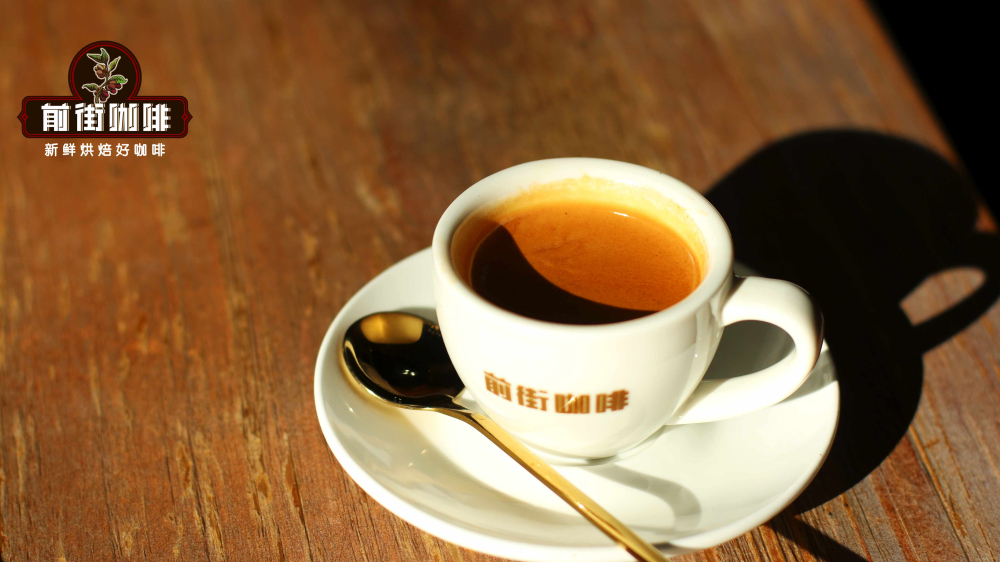
Espresso is the base of many Italian-style drinks, and its flavor direction largely determines the final performance of the entire cup of coffee. By observing the state of the espresso, especially the golden crema on the surface, you can help judge whether the actual extraction is ideal.
What exactly is the crema in espresso?
When the coffee machine extracts espresso, the coffee grounds are ground extremely fine, and extraction is completed under a pressure environment of about 9 bar. When hot water passes through the puck, the carbon dioxide accumulated in the coffee grounds, due to the high pressure, makes the water supersaturated with carbon dioxide. The gas cannot escape smoothly and can only dissolve directly into the coffee liquid. At the same time, the high pressure also causes the oils in the coffee to separate from the grounds and be carried out together by the hot water.
After extraction ends, the coffee liquid flows out of the machine, and the external air pressure returns to normal. The carbon dioxide still remaining in the coffee liquid originally wants to return to the air, but it encounters the oils also present in the liquid. The oils wrap around the carbon dioxide that is about to escape, and this layer of Crema is thus formed.
What factors affect crema?
a. The freshness of the coffee beans. Since crema is the product of the oils in coffee wrapping around carbon dioxide, the amount of crema can also reflect the freshness of the beans in reverse: the richer the crema, the more it usually indicates that the coffee beans are fresher. Front Street Coffee beans are all freshly roasted within 5 days, and orders enjoy 24-hour shipping, allowing everyone to have the longest tasting period.
b. The roast level of the coffee beans. The darker the roast, the more carbon dioxide accumulates inside the bean body, and the more small bubbles are released when it meets water. Under the same freshness conditions, crema will increase accordingly, so this can also be used to infer how light or dark a bean has been roasted.
Therefore, compared with many light-roasted coffees, if you pursue richer crema, you should be more inclined to choose medium-dark roasted beans, such as Front Street.Queen's Estate SOE and Front Street.Front Street PWN Golden Mandheling SOE. The espresso produced has dense crema, a mellow mouthfeel, and gives off a rich aroma.
c. The extraction degree of the coffee beans. The darker the crema color, the more dissolved substances from the coffee have entered the coffee liquid.
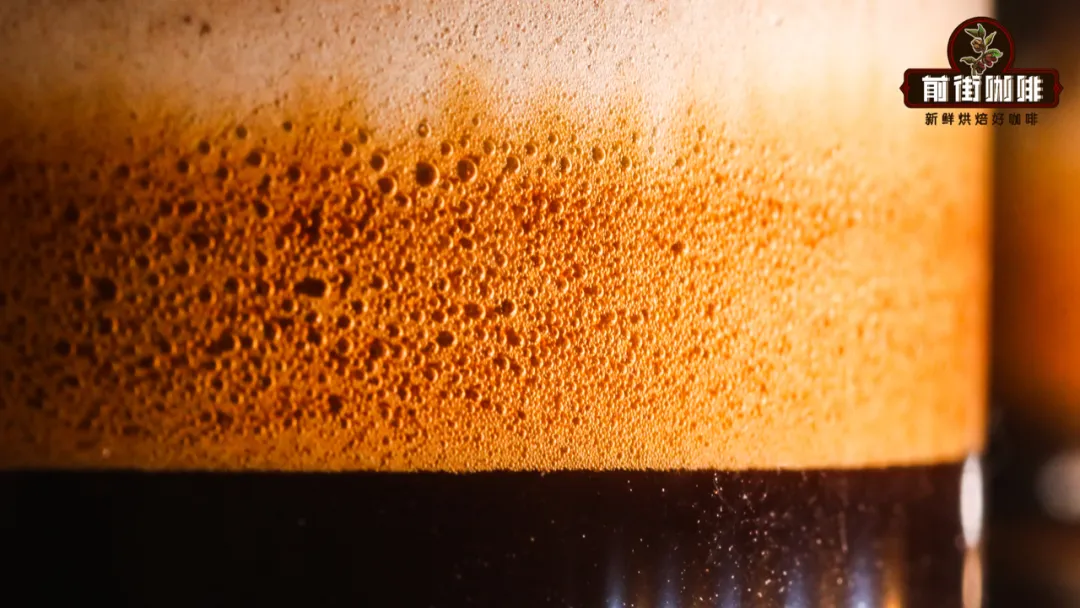
d. Differences in coffee bean varieties will also bring different trait performances, thereby affecting the final amount of crema. What is currently known is that Robusta coffee varieties produce more crema than Arabica coffee varieties. If you are only pursuing a balanced taste and a medium amount of crema, you can buy Front Street.Many baristas' recommended espresso beans - Front Street Black Cocoa Espresso Blend. It is composed of two Arabica varieties, Yunnan small-batch beans and Brazil Cerrado, with stable extraction and an affordable price, very suitable for home users and friends planning to open a coffee shop.
If you want to make espresso with rich crema, then buy Front Street.Front Street Classic Espresso Blend. This coffee cleverly uses the old-school pairing "Mamba Coffee," combining wild Mandheling and mellow Brazil with a small amount of Robusta, greatly improving the richness of the crema and making the entire coffee taste mellow and rich.
The above content is compiled by CoffeeHunters, a coffee news website.


